
Soups & Stews
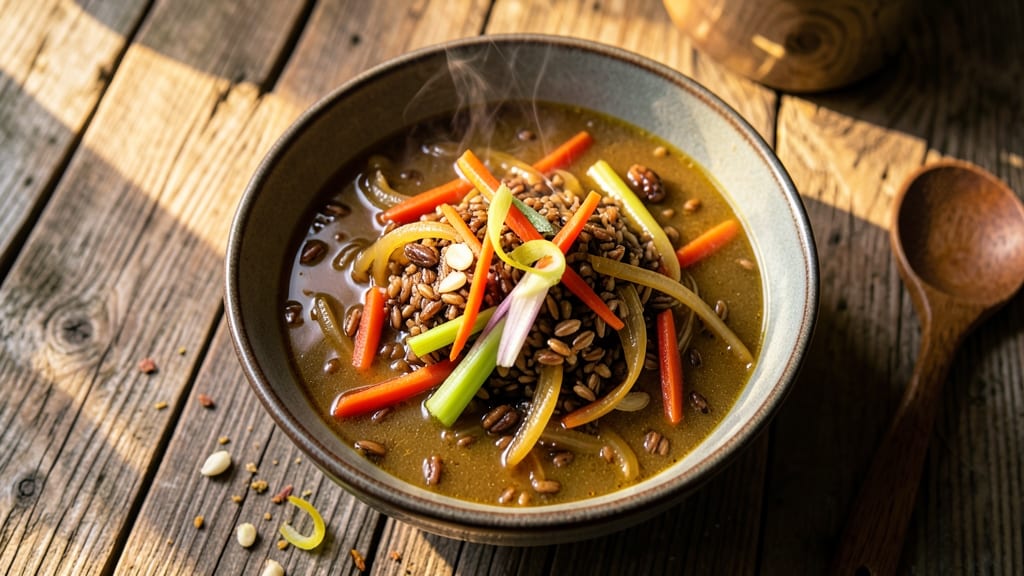
This Boundary Waters wild rice soup captures the soul of Minnesota’s Northwoods—earthy, hearty, and infused with the crisp lake air of Boundary Waters.
The secret lies in slow-toasting wild rice until nutty and deep, then simmering it in a rich broth until tender, creating a soup that’s both comforting and complex. Every spoonful tells a story of Minnesota’s wilderness, where wild rice has been a staple for centuries.
The magic happens in balancing the wild rice’s natural nuttiness with savory broth—whether you choose beef, chicken, or vegetable—and finishing with toasted almonds or walnuts for texture. This soup isn’t just a meal; it’s a taste of tradition, perfect for chilly evenings when you crave warmth and depth.
Serve it with crusty bread or a simple salad to let the flavors shine.
Ingredients for boundary waters wild rice soup
Wild rice, earthy broth, and toasted nuts—this Minnesota classic needs just 15 ingredients.
| Ingredient | Amount | Notes |
|---|---|---|
| Wild Rice Blend 🌾 | 1 cup | Uncooked, long-grain preferred |
| Yellow Onion 🧅 | 1 whole | Diced, medium size |
| Carrots 🥕 | 2 medium | Peeled, chopped into small pieces |
| Celery Stalk 🧄 | 2 whole | Diced, including leaves |
| Garlic Cloves 🧄 | 3 cloves | Minced, fresh preferred |
| Vegetable or Chicken Broth 💧 | 4 cups | Low-sodium preferred |
| Beef or Vegetable Stock 🍲 | 2 cups | Rich, homemade or quality store-bought |
| Tomato Paste 🍅 | 2 tbsp | Smooth, not chunky |
| Almonds or Walnuts 🥜 | ½ cup | Toasted, roughly chopped |
| Fresh Thyme 🌿 | 1 tbsp | Leaves only, chopped |
| Bay Leaves 🍃 | 2 whole | Dried, for infusion |
| Salt 🧂 | 1 tsp | Kosher or sea salt |
| Black Pepper 🌶️ | ½ tsp | Freshly ground |
| Olive Oil 🫒 | 2 tbsp | Extra-virgin for toasting |
| Heavy Cream 🥛 | ¼ cup | Full-fat for richness |
Wild rice is the heart of this soup, so buy the long-grain blend—it’s chewier and more flavorful than short-grain. Lunds & Byerlys or Minneapolis Grain Exchange carry great local brands, but any bulk store works. Toasting the rice in olive oil (until nutty and fragrant) is non-negotiable—it’s what gives the soup that deep, woodsy flavor. If you can’t find wild rice, brown rice works in a pinch, but it won’t taste quite the same. For the broth, low-sodium is key—you’ll be adding plenty of salt later.
No fresh thyme? Dried works at one-third the amount, but it’s worth grabbing a bunch if you’ve got one. The almonds or walnuts should be toasted until golden—don’t skip this step. If you’re short on time, store-bought toasted nuts from the bakery section are fine. For the stock, homemade is ideal, but Pacific Foods or Swanson brands are solid shortcuts. The tomato paste adds depth, but if you’re avoiding it, a splash of red wine (like Cabernet Sauvignon) works beautifully. Just don’t use cooking wine—it’s too salty.
Wild rice keeps for 6 months in the pantry, but once cooked, store it in the fridge for 5 days or freeze for 3 months. The toasted nuts stay fresh for 2 weeks if sealed in an airtight container. This soup actually tastes better the next day—all the flavors meld together. Double the batch and freeze half for lazy weeknights. Serve with crusty bread to soak up every last drop of that rich, nutty broth.
Why You'll Love This Recipe
- Minimal Chopping Required: I swear by this—just dice one onion, a few carrots, and a celery stalk. The wild rice blend handles the rest, so no tiny pieces to stress over while dinner waits.
- Earthy Depth in Every Spoonful: That wild rice? It’s the star—nutty, chewy, and packed with protein. The garlic and carrot base turns it from good to I’ll make this again next week good.
- Lunchbox Magic: Between us, this soup reheats like a dream. Pack it in thermoses for work or school—no soggy bread here, just hearty, flavorful bites that taste fresh hours later.
- Budget-Friendly Pantry Staple: Wild rice blend lasts forever, and the veggies? Basic, cheap, and always on hand. I’ve made this for $2 per serving—filling, nourishing, and guilt-free.
Step-by-step instructions for Boundary Waters wild rice soup
This earthy, nutty soup captures the essence of Minnesota's Boundary Waters—where crisp lake breezes meet wild harvests.
🍳 Step 1: Toast the Wild Rice and Nuts for Depth
Heat the 2 tablespoons olive oil in a large pot over medium heat. Add the 1 cup wild rice blend and toast for 3-4 minutes until lightly golden and fragrant—you'll smell that nutty, earthy aroma that's the soul of this soup. This step prevents the rice from becoming mushy later.
In a separate dry skillet, toast the ½ cup almonds or walnuts over medium-low heat for 5-6 minutes until golden brown and fragrant. Watch them carefully—they burn quickly. Remove and set aside for garnish. This toasting brings out their natural oils and flavors that'll shine through the soup.
🍳 Step 2: Sauté the Vegetable Base
In the same pot with the toasted rice, add the 1 whole yellow onion, 2 medium carrots, and 2 whole celery stalks that you've already diced. Cook for 8-10 minutes over medium heat, stirring occasionally, until the vegetables soften and the onion becomes translucent. This foundational step builds the soup's flavor profile.
Add the 3 cloves minced garlic and 2 tablespoons tomato paste, stirring for 1 minute until the garlic is fragrant. The tomato paste will deepen the soup's richness and give it that subtle umami quality. Here's where the magic starts—don't skip this step.
🥘 Step 3: Build the Brothy Foundation
Pour in the 4 cups vegetable or chicken broth and 2 cups beef or vegetable stock, scraping up any browned bits from the bottom of the pot. Add the 2 whole bay leaves, 1 tablespoon fresh thyme, 1 teaspoon salt, and ½ teaspoon black pepper. Bring to a gentle boil, then reduce heat to low and simmer for 30 minutes.
After 30 minutes, stir in the toasted nuts you set aside earlier. The nuts should infuse the broth with their toasted flavor while maintaining their texture. This is where the soup starts to come together—you'll notice the aromas deepening and the colors becoming more vibrant.
⏰ Step 4: Simmer to Perfect Texture
Continue simmering for another 20-25 minutes, stirring occasionally, until the wild rice is tender but still has a slight bite. The rice should be fully cooked but not mushy—it should hold its shape when you taste it. This is crucial for the perfect texture that balances heartiness with lightness.
Taste the soup and adjust seasoning if needed. If it's too thick, add ½ cup water to reach your desired consistency. The soup should coat the back of a spoon but still be light enough to sip easily. This is where you fine-tune the balance of flavors.
🍽️ Step 5: Finish with Cream and Garnish
Remove the 2 bay leaves and stir in the ¼ cup heavy cream. Simmer gently for 2-3 minutes until the cream is fully incorporated and the soup is warmed through. The cream adds a luxurious finish that rounds out all the earthy flavors.
Ladle the soup into bowls and garnish with additional toasted nuts and a sprinkle of fresh thyme. Serve immediately while hot—this soup tastes best fresh from the pot, with those nutty aromas wafting through the kitchen. Each spoonful should deliver that perfect balance of hearty vegetables, nutty depth, and creamy richness that reminds you of Minnesota's Boundary Waters.
Pro Tips For Making Boundary Waters Wild Rice Soup
- SOAK THE WILD RICE: I learned this the hard way—skipping the soak means your wild rice will stay stubbornly crunchy no matter how long you simmer. Toss the blend in a bowl with double its volume in cool water for at least 30 minutes (or overnight if you’re planning ahead). The starches soften properly, and the soup gets that creamy, cohesive texture instead of a chewy surprise.
- SWEAT THE VEGETABLES LOW: High heat turns your onion, celery, and carrots into a sad, bitter mush. Instead, use medium-low heat and let them cook uncovered for 10-12 minutes, stirring occasionally, until the onions are translucent and the celery’s edges just start to soften. This builds flavor without burning—no need to rush, even if you’re impatient like me.
- CHOP GARLIC SMALL: Whole cloves or thick slices? They’ll just sit like rocks in your soup. Mince the garlic into tiny pieces—almost a paste—so it dissolves completely into the broth. No more digging for chewy bits at the end, and the flavor blends smoothly instead of clumping.
- STIR IN THE RICE LAST: Dumping the wild rice blend in with the vegetables first means it’ll start absorbing liquid too early and turn to mush. Wait until the aromatics are cooked and the broth is simmering, then add the rice. Stir once, then let it cook undisturbed—this guarantees even grains instead of a gluey disaster. (Your future self will thank you.)
Perfect pairings for this boundary waters wild rice soup
Bread Pairings
This hearty soup pairs beautifully with crusty sourdough or rustic whole-grain bread—the dense texture soaks up the nutty broth perfectly. I love using a baguette-style loaf from my local bakery, like the one from Bread & Pickle in Minneapolis, which adds a satisfying crunch.
For a gluten-free option, try almond flour crackers or corn tortillas—they hold up well to the creamy soup. 🥖
Salad Contrasts
A simple arugula salad with lemon vinaigrette cuts through the soup's richness. Toss 4 cups baby arugula with 2 tbsp extra-virgin olive oil, 1 tbsp fresh lemon juice, and a pinch of sea salt.
Add ¼ cup toasted pecans for extra crunch and a nod to Minnesota's harvest flavors. For a heartier option, try a shaved fennel and apple salad with a honey-mustard dressing.
Wine Pairings
For a classic pairing, reach for a Minnesota-made Riesling like Bear Creek Vineyards—its crisp acidity and citrus notes complement the soup's earthy depth. If you prefer red, a Pinot Noir from Lindeman's Vineyards in California offers a lighter body that won’t overpower the wild rice.
For a non-alcoholic option, sparkling apple cider adds a refreshing contrast to the soup's richness. 🍷
Cheese Boards
Serve the soup alongside a local cheese board featuring Minnesota favorites like Haven Brother Farm cheddar or Wild River Creamery blue cheese. Add apple slices, walnuts, and honeycomb for a sweet-savory balance.
The cheese adds a creamy counterpoint to the soup's nutty, herby flavors. For a simpler option, just offer sharp cheddar cubes and crusty bread on the side. 🧀
Herb-Infused Oils
Drizzle the soup with infused olive oil for an extra layer of flavor. Try garlic-thyme oil or smoked paprika oil—both enhance the soup's depth. To make it, heat ½ cup olive oil with 2 tbsp fresh thyme and 3 minced garlic cloves until fragrant, then strain.
Store in a glass jar in the fridge for up to 2 weeks. A few drops elevate every spoonful. ✨
Seasonal Garnishes
Finish the soup with fresh herbs like chives or parsley for brightness. In fall, add roasted butternut squash cubes for a seasonal twist. For a smoky touch, sprinkle with crumbled bacon or smoked paprika. These garnishes keep the dish vibrant and adaptable to any season. 🌿
Nutrition facts
Frequently asked questions about wild rice soup
Why does the recipe call for toasting the wild rice?
Toasting the wild rice for 3-4 minutes unlocks its natural nutty flavors and prevents it from becoming mushy. This traditional technique creates that signature earthy depth that makes this soup taste like Minnesota's Northwoods. Skipping this step results in a bland, watery texture instead of the rich, hearty flavor you crave.
Can I make this soup vegetarian or vegan?
Replace the beef stock with mushroom or vegetable stock and use vegetable broth instead of chicken. For a vegan version, swap the heavy cream for coconut milk or cashew cream. The toasted nuts and wild rice will still shine as the stars of the dish.
How do I store leftovers and reheat properly?
Store leftovers in an airtight container in the fridge for up to 5 days or freeze for 3 months. Reheat gently on the stove over low heat, adding a splash of water or broth if the soup thickens. Never microwave directly from the fridge—this makes the rice gummy. Stir occasionally for even warming.
What's the best way to adjust the soup's thickness?
If the soup is too thick after cooking, stir in ½ cup water or broth at a time until it reaches your desired consistency. For a creamier texture, add 1-2 tablespoons heavy cream at the end. The key is to adjust gradually—you can always thicken it later with a cornstarch slurry if needed.
Can I substitute brown rice for wild rice?
While brown rice works in a pinch, it won't capture the same nutty, earthy flavor. Wild rice has a unique texture and taste that makes this soup special. If you must substitute, use long-grain brown rice and increase cooking time by 10-15 minutes. The soup will still be good, but it won't have that authentic Northwoods character.