
Soups & Stews
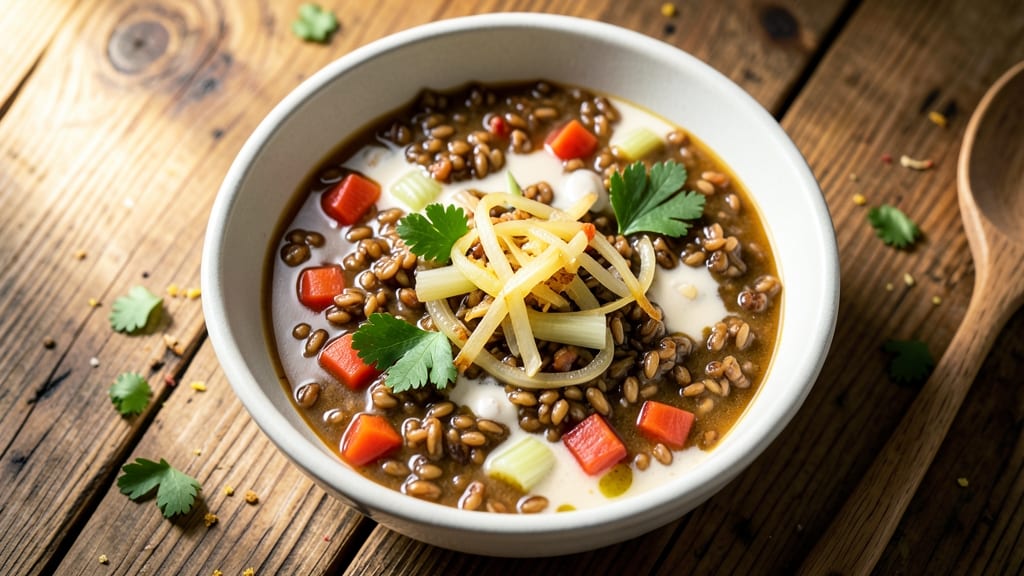
Betty Crocker's wild rice soup delivers that classic, hearty comfort we crave when temperatures drop. The blend of wild rice, tender vegetables, and savory herbs creates a rich, satisfying broth that's perfect for chilly evenings.
This recipe captures the essence of home-cooked warmth with minimal effort—just one pot and 45 minutes of simmering time.
The secret to this soup's depth lies in the slow cooking process, which allows flavors to meld beautifully. You'll end up with a velvety, aromatic soup that's packed with nutty wild rice, tender carrots, and fresh herbs.
It's the kind of dish that feels indulgent yet remains simple enough for any home cook to master.
Ingredients for betty crocker wild rice soup
Betty Crocker's classic wild rice soup—just 13 ingredients for cozy comfort.
| Ingredient | Amount | Notes |
|---|---|---|
| Wild Rice Blend 🌾 | 1 cup | Uncooked, not instant |
| Chicken Broth 💧 | 4 cups | Low-sodium preferred |
| Carrots 🥕 | 2 medium | Peeled and sliced thin |
| Celery Stalks 🧅 | 2 whole | Diced, about 0.5 cup |
| Yellow Onion 🧅 | 1 medium | Diced, about 1 cup |
| Garlic Cloves 🧄 | 2 whole | Minced, about 1 tsp |
| Fresh Thyme 🌿 | 1 tbsp | Leaves only, chopped |
| Fresh Parsley 🌿 | ¼ cup | Chopped, for garnish |
| Butter 🧈 | 2 tbsp | Unsalted, for richness |
| Whole Milk 🥛 | ½ cup | Full-fat for creaminess |
| Salt 🧂 | 1 tsp | Kosher or sea salt |
| Black Pepper 🌶️ | ½ tsp | Freshly ground preferred |
| Bay Leaves 🍃 | 1 whole | Remove before serving |
The wild rice is the star here. Bob's Red Mill or Lundberg blends are my go-tos—they're pre-mixed and cook evenly. If you're using loose grains, rinse them first to remove grit. For the broth, low-sodium is key—you'll add plenty of salt later. Carrots and celery? Baby carrots and heart celery save chopping time, but regular works too. Just make sure they're uniform so they cook at the same rate. The onion and garlic? Sweat them in butter first—that's where the soup's depth starts.
No fresh thyme? Dried works at half the amount. Short on parsley? Fresh basil or cilantro gives a nice twist. Using instant wild rice? Cut the cooking time by half—just watch it like a hawk. The milk adds creaminess, but half-and-half or coconut milk works too if you're avoiding dairy. For extra richness, a splash of heavy cream at the end is divine. And if you're making this ahead? Add the milk and herbs at the very end—they'll wilt in the hot broth.
This soup tastes even better the next day—honestly, it's a must-make-ahead dish. Store in the fridge for 4-5 days or freeze for 3 months. I like to portion it into thermos jars for lunches—just reheat with a splash of broth. The rice thickens when cold, so add a splash of broth when reheating. And if you end up with extra? Turn it into rice soup croquettes—trust me, they're amazing.
Why You'll Love This Recipe
- No Chopping Hassle: I swear by this recipe because the wild rice blend does most of the work—just toss in pre-diced carrots and celery stalks, no knife skills required. The onion softens in minutes, so you’re really talking 10 minutes of active time here.
- Earthy, Rich Depth: That wild rice blend? It’s the star—nutty, chewy, and way more interesting than plain white rice. The chicken broth keeps it hearty but light, while the carrots and celery add just enough sweetness to balance the savory.
- Meal Prep MVP: Between us, this soup tastes even better the next day. I make a big batch on Sundays—it reheats perfectly, freezes like a dream, and turns into a quick lunch or dinner when I’m too tired to think.
- Budget-Friendly Pantry Staples: Honestly, this recipe uses ingredients I already have. Wild rice blend lasts forever, broth is cheap, and veggies stretch across multiple meals. It’s the kind of soup that makes grocery shopping feel less stressful.
Step-by-step instructions for betty Crocker's wild rice soup
This hearty soup comes together in one pot with simple steps and big flavor—perfect for cozy nights.
Sauté the Aromatics in Butter
Start by melting the 2 tablespoons butter in a large pot over medium heat. Once foaming, add the diced yellow onion and cook for 3-4 minutes until softened and translucent. Add the sliced carrots and diced celery stalks, stirring occasionally for another 5 minutes until they begin to soften.
This step builds the flavor foundation. The butter adds richness while the vegetables release their natural sweetness. If you notice the onions sticking, just add a splash of chicken broth to loosen them. Next, add the minced garlic cloves and chopped fresh thyme, cooking for 30 seconds until fragrant. This quick cook prevents the garlic from burning, which would make the soup bitter.
Add Rice and Broth for Simmering
Stir in the 1 cup wild rice blend and the 4 cups chicken broth, making sure the rice is fully coated. Add the 1 whole bay leaf, 1 teaspoon salt, and ½ teaspoon black pepper, then bring the mixture to a gentle boil. Once boiling, reduce heat to low and let it simmer uncovered for 45 minutes, stirring occasionally.
Here's the thing—wild rice needs time to absorb the broth and develop its nutty flavor. You'll see the liquid reduce gradually, and the rice will start to soften. If the soup looks too thin after 30 minutes, reduce heat further to prevent boiling over. The rice is done when it's tender and the liquid has reduced to a thick, hearty consistency.
Finish with Milk and Fresh Herbs
After the rice is tender, stir in the ½ cup whole milk and the chopped fresh parsley. Simmer for an additional 5 minutes to let the milk blend smoothly into the soup. The milk adds creaminess without making the soup overly heavy—just enough to round out the flavors.
Taste and adjust seasoning if needed. The parsley brightens the dish, while the milk mellows the broth's intensity. Remove the bay leaf before serving, as it can leave a bitter aftertaste if left in too long. The soup should be rich, aromatic, and perfectly balanced—comfort food at its finest.
Rest and Serve Warm
Let the soup rest for 5-10 minutes off the heat. This allows the flavors to meld and the rice to finish absorbing any remaining liquid. Ladle into bowls and garnish with extra parsley if desired. Serve with crusty bread or a simple green salad to complete the meal.
This soup tastes even better the next day, as the flavors deepen. Store leftovers in an airtight container in the refrigerator for up to 3 days, or freeze for 3 months. The simplicity of the ingredients makes this recipe foolproof—just follow the steps, and you'll have a comforting bowl of soup that feels like a warm hug in every spoonful.
Pro Tips For Making Betty Crocker Wild Rice Soup
- Toast the Rice First: Dump that uncooked wild rice blend into a dry skillet over medium heat for 2-3 minutes before adding broth—it’ll deepen the nutty flavor and prevent a pasty texture. I learned this the hard way when my first batch tasted bland, no matter how much salt I added later.
- Dice Veggies Uniformly: Cut carrots, celery, and onion into ¼-inch pieces—smaller than the recipe might suggest. Even cooking matters here; lumpy veggies mean some bits stay crunchy while others turn mushy. Use a sharp knife and don’t rush it.
- Simmer, Don’t Boil: Keep the soup at a gentle simmer (tiny bubbles, occasional swirls) after adding broth. Wild rice needs low-and-slow love to absorb flavor, and boiling can turn it gluey. I used to ignore this and ended up with a soup that tasted like it needed more seasoning—it didn’t, it just needed patience.
- Salt the Broth Early: Season the chicken broth before adding it to the pot, not after. The rice soaks up flavor as it cooks, so waiting until the end leaves it underseasoned. Trust me, your spoonful test will thank you later.
Pro cooking tips for this recipe
Butter Matters
Don’t skimp on the butter here—it’s what creates that rich, velvety texture we all love. I always use unsalted butter (like Plugrá or Land O’Lakes) because it gives me full control over seasoning.
If you’re watching your fat intake, olive oil works too, but the flavor will be slightly different. The key is to let the butter foam gently before adding the onions—this prevents burning and ensures even cooking. 🧈
Rice Cooking Control
Wild rice takes patience—don’t rush it! The 45-minute simmer is non-negotiable for that perfect texture. If you’re using a pressure cooker, cut this time in half (about 20 minutes on high pressure), but keep an eye on it. The rice should be tender but still have a slight bite.
Overcooking turns it mushy, and nobody wants that. Stir occasionally to prevent sticking, especially if you’re using a nonstick pot—just a quick swirl every 10 minutes does the trick.
Broth Balance
Low-sodium broth is a game-changer—trust me, you’ll thank me later. If you’re using homemade broth, reduce it by half before adding to control salt levels. The 4 cups should be enough, but if your rice absorbs it all, add ½ cup water to maintain consistency.
Pro tip: Taste the broth before adding rice—if it’s bland, now’s the time to adjust with salt or a splash of soy sauce for depth. The goal is a flavorful base that lets the rice shine.
Milk Magic
The ½ cup whole milk at the end is what transforms this soup from good to chef’s kiss. Whole milk adds creaminess without heaviness, but if you’re avoiding dairy, coconut milk or half-and-half work beautifully. Stir it in gently over low heat to prevent curdling.
If the soup looks too thin after adding milk, simmer for an extra 2-3 minutes to thicken it naturally. The milk also mellows the broth’s intensity, balancing the nutty rice and earthy herbs.
Herb Freshness
Fresh herbs make all the difference—thyme and parsley here are non-negotiable. If you’re using dried thyme, reduce to ½ teaspoon and add it with the bay leaf. For parsley, Italian flat-leaf has the best flavor, but curly parsley works in a pinch.
Add parsley at the very end—it wilts quickly in hot broth. A sprinkle of fresh chives or dill on top adds another layer of brightness if you’re feeling fancy. 🌿
Thickness Adjustments
If your soup turns out too thin, don’t panic! A cornstarch slurry (1 tbsp cornstarch + 2 tbsp cold water) thickens it instantly. Stir it in and simmer for 2-3 minutes until it reaches your desired consistency.
For a thicker soup from the start, reduce the broth to 3½ cups and add ½ cup extra rice. The rice will absorb more liquid as it cooks, giving you that hearty, restaurant-style texture. Just remember: thicker soups reheat better, so this is a great trick for leftovers.
Nutrition facts
Frequently asked questions
Can I substitute regular rice for wild rice in this recipe?
Not recommended! Wild rice has a distinct nutty flavor and chewy texture that regular rice can't replicate. If you're avoiding wild rice, try a brown rice blend—it holds up better than white rice but won't have the same depth of flavor. For a closer match, use forbidden black rice (it's actually a grain) or a mix of brown rice and quinoa.
How can I make this soup vegetarian?
Swap the chicken broth for vegetable broth and use vegetable-based butter (like Earth Balance). For extra protein, stir in white beans or lentils with the rice. The soup will still be hearty and flavorful—just skip the milk if you're avoiding dairy or use almond milk for creaminess.
Why does my soup taste bland after adding milk?
The milk can dilute flavors, but this usually means your broth needed more seasoning first. Next time, taste the broth before adding rice—boost flavor with 1 extra pinch of salt or ½ teaspoon soy sauce. Also, add a splash of lemon juice or apple cider vinegar at the end for brightness. The milk should enhance, not hide, the flavors!
Can I make this soup in an Instant Pot?
Use the sauté function to cook the aromatics, then add all ingredients (except milk) and cook on high pressure for 12 minutes. Quick-release the pressure, stir in milk, and let it sit for 5 minutes off heat. The pressure cooker cuts time dramatically while keeping the rice tender. Just watch the rice closely—it can finish cooking faster than on the stovetop!
What's the best way to reheat leftovers?
Reheat gently on the stove over low heat, stirring occasionally and adding 1-2 tablespoons broth if the soup thickens too much. For microwave reheating, cover with a damp paper towel and heat in 30-second intervals, stirring between each. Never reheat to boiling—this can make the rice mushy. The soup tastes even better reheated as flavors meld further!