
Soups & Stews
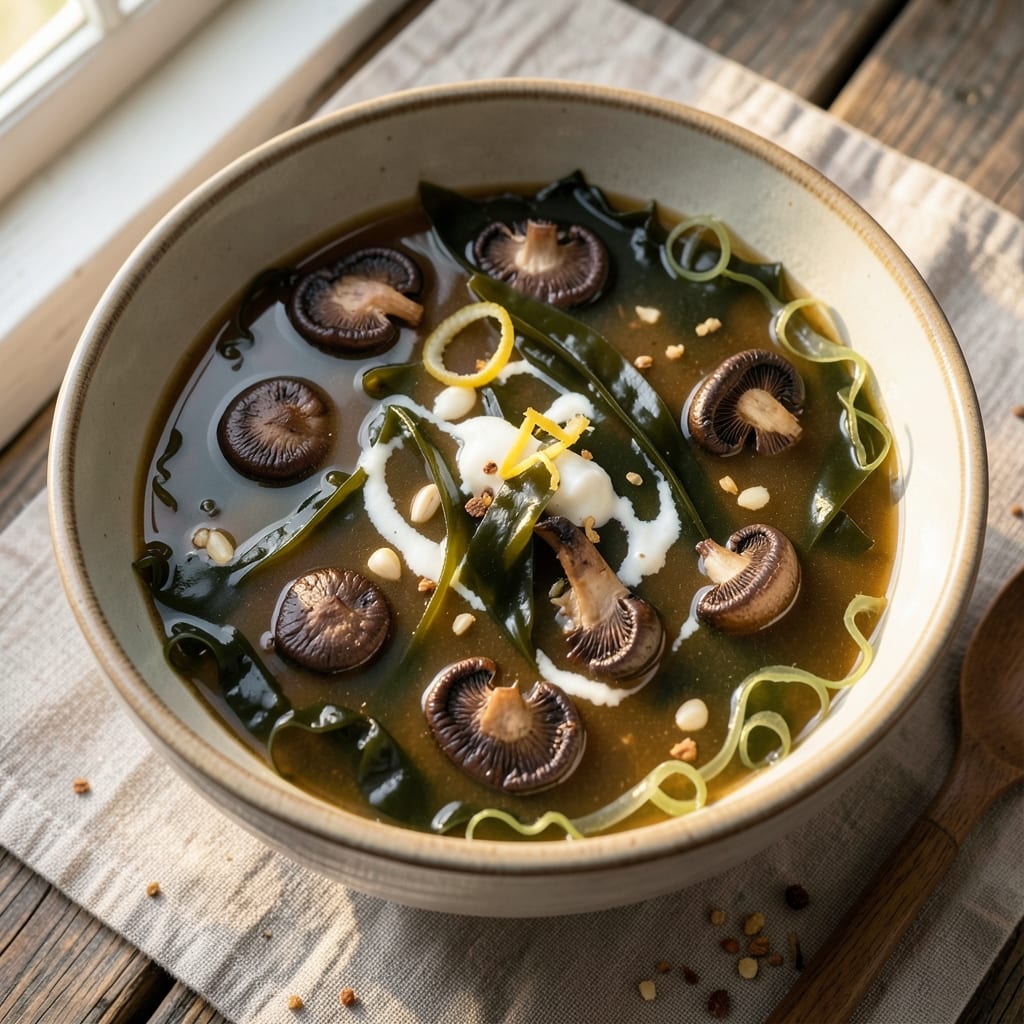
This algae soup recipe delivers the deep, oceanic umami of the sea in just 20 minutes—no fishy aftertaste, just pure, earthy richness. The secret lies in balancing tender seaweed with aromatic vegetables and a light, savory broth, creating a dish that’s both nourishing and unexpectedly elegant. I developed this version after years of experimenting with sustainable seafood alternatives, and it’s become a staple in my kitchen for its versatility and bold flavor profile.
The beauty of this recipe is its simplicity: blanched seaweed forms the heart of the soup, while garlic, ginger, and mushrooms add layers of depth. A touch of miso paste elevates the umami, while a splash of citrus brightens the finish. The texture is creamy yet light, with just enough body to satisfy without feeling heavy. Perfect for a quick lunch, a light dinner, or even a refreshing starter before a main course.
What sets this algae soup apart is its adaptability—swap in shiitake mushrooms for a meatier texture, or add tofu for extra protein. The broth is rich enough to stand alone but light enough to let the seaweed shine. Garnish with sesame seeds or green onions for a pop of color and freshness. This isn’t just soup; it’s a flavor experience that proves umami can be both sophisticated and approachable.
Ready in under 20 minutes, this recipe is ideal for weeknights or meal prep. The ingredients are easy to find, and the process is straightforward, making it accessible for home cooks while delivering restaurant-quality results. Whether you’re a seafood lover looking for a plant-based twist or a curious beginner exploring algae cuisine, this soup is your gateway to oceanic flavors—without the ocean’s environmental cost.
Ingredients for algae soup
Earthy seaweed meets aromatic vegetables in this vegan algae soup, delivering oceanic umami in just 20 minutes.
| Ingredient | Amount | Notes |
|---|---|---|
| Dried Kombu Seaweed 🌿 | 1 sheet | Cut into 1-inch strips, rinsed |
| Dried Wakame Seaweed 🌊 | 2 tbsp | Rehydrated in hot water |
| Shiitake Mushrooms 🍄 | 8 whole | Stems removed, caps sliced |
| Garlic Cloves 🧄 | 4 cloves | Minced for aromatic depth |
| Fresh Ginger 🌿 | 1 tbsp | Finely grated, zesty kick |
| White Miso Paste 🍶 | 2 tbsp | High-quality for umami |
| Vegetable Broth 💧 | 4 cups | Low-sodium preferred |
| Lemon Juice 🍋 | 1 tbsp | Freshly squeezed, bright finish |
| Sesame Oil 🫒 | 1 tsp | Toasted for nutty aroma |
| Tofu 🧀 | 8 oz | Silken or firm, cubed |
| Green Onions 🧅 | 2 whole | Sliced, for garnish |
| Sesame Seeds 🥜 | 1 tsp | Toasted for crunch |
| Diamond Crystal Kosher Salt 🧂 | ½ tsp | For seasoning |
| Black Pepper 🌶️ | ¼ tsp | Freshly ground |
The seaweed is the soul of this dish—kombu and wakame deliver that deep, oceanic richness without any fishy aftertaste. For kombu, look for thick, dark sheets at Asian markets or specialty grocers—avoid pre-packaged varieties that often contain additives. Wakame should be dried and free of debris. If you can't find kombu, dulse flakes work as a substitute, though the flavor profile will differ slightly. The mushrooms? Shiitakes are ideal for their meaty texture, but cremini or oyster mushrooms will work in a pinch. Always remove stems, as they can be tough.
No miso paste on hand? White bean paste or a blend of soy sauce and nutritional yeast can mimic the umami, though miso remains unmatched for depth. The tofu adds protein and creaminess—silken tofu blends smoothly, while firm tofu holds its shape better for garnishing. For extra richness, a splash of vegetable bouillon powder can intensify the broth's savory notes. If you're feeling adventurous, swap in sea vegetables like nori or arame for additional texture. The lemon juice should be freshly squeezed; bottled versions lack the bright acidity that cuts through the soup's earthiness.
This soup reheats beautifully—taste improves after chilling overnight as flavors meld. Store in an airtight container for 4-5 days in the fridge or freeze for 3 months. For meal prep, double the batch and portion into containers. Garnish with sesame seeds and green onions just before serving to preserve their freshness. The broth can be made ahead and stored separately, then combined with the seaweed and other ingredients when ready to serve—a time-saving hack for busy weeknights.
Why You'll Love This Recipe
- No-Chop Required: I swear, the kombu and wakame just soak while I slice mushrooms—no mincing, no fuss. Toss in whole garlic cloves (yes, really) and a knob of ginger, and the broth does the work for you.
- Umami Bomb: That first sip? Pure flavor payoff. The shiitake mushrooms deepen the broth, while the kombu’s oceanic richness and garlic’s punch make it taste like a hug for your taste buds—no heavy cream or fancy sauces needed.
- Lunchbox Magic: Between us, this soup reheats perfectly for work lunches. Pack it warm or cold—it’s still delicious. Honestly, I’ve sent it in thermoses and straight from the fridge, and no one’s complained (yet).
- Pantry Goldmine: Dried seaweed lasts forever, and mushrooms add bulk without breaking the bank. I’ve made this for $3 a bowl—cheaper than takeout, and way healthier. Plus, leftovers? They taste just as good the next day.
Step-by-step instructions for algae soup
This method transforms simple seaweed into a rich, umami-packed broth with perfect texture in just 20 minutes.
Rehydrate and Prepare the Seaweed
Place the 1 sheet of dried kombu seaweed in a clean bowl and cover it with 4 cups of hot vegetable broth. Let it soak for 10 minutes—this rehydrates the kombu and infuses the broth with its deep oceanic flavor. Meanwhile, rinse the 2 tablespoons of dried wakame seaweed under cold water to remove any grit, then place it in a separate small bowl.
After 10 minutes, remove the kombu sheet from the broth and set it aside (you can save it for garnish or discard). Pour the warm kombu broth over the wakame and let it soak for 5 minutes—this ensures the wakame rehydrates fully and absorbs maximum flavor. The broth should now have a subtle seaweed aroma and a slightly cloudy appearance, signaling the umami compounds are dissolving.
Sauté Aromatics and Build the Base
Heat 1 teaspoon of sesame oil in a large pot over medium heat. Add the 4 cloves of minced garlic and 1 tablespoon of finely grated fresh ginger, cooking for 1-2 minutes until fragrant—you’ll smell the garlic mellowing and the ginger releasing its zesty aroma. Be careful not to let the garlic brown, as this can make the final soup bitter.
Add the 8 sliced shiitake mushrooms to the pot and cook for 3-4 minutes until they release their moisture and begin to soften. The mushrooms should lose their raw appearance and develop a slightly glossy sheen, indicating they’re ready to absorb the broth’s flavors. This step is critical for developing the soup’s depth—don’t rush it.
Combine and Simmer the Broth
Strain the rehydrated wakame using a fine-mesh sieve, reserving the liquid (discard the wakame if desired). Pour this wakame-infused broth into the pot with the mushrooms, along with the 2 tablespoons of white miso paste. Stir continuously over low heat for 3-4 minutes until the miso fully dissolves—you’ll see the broth thicken slightly and develop a glossy sheen.
Add the 8 ounces of cubed tofu to the pot and gently stir to coat the cubes in the broth. Bring the mixture to a gentle simmer (small bubbles at the edges) and cook for 5-6 minutes. The tofu should be heated through but still hold its shape—overcooking will make it rubbery. Taste the broth and adjust seasoning with 0.5 teaspoon of Diamond Crystal kosher salt and 0.25 teaspoon of black pepper if needed.
Finish and Serve
Remove the pot from heat and stir in the 1 tablespoon of fresh lemon juice. This brightens the soup’s flavor, cutting through the richness of the umami and seaweed. The lemon juice will also help emulsify the broth slightly, giving it a silky texture. Let the soup rest for 2 minutes to allow the flavors to meld.
Ladle the soup into bowls and garnish each serving with sliced green onions, a drizzle of sesame oil, and a sprinkle of toasted sesame seeds. The green onions add a fresh contrast, the sesame oil deepens the nutty aroma, and the sesame seeds provide a satisfying crunch. Serve immediately while the broth is hot and the tofu is tender.
Pro Tips For Making Algae Soup
- SOAK KOMBU FIRST: I learned this the hard way—tossing dried kombu straight into boiling water means you’ll either choke on it or end up with a bitter, leathery mess. Instead, soak the kombu in cold water for 10 minutes before adding it to the pot. This rehydrates it evenly and lets it infuse the broth gently, giving you that deep umami without the texture shock.
- SLICE SHIITAKES THIN: Thick shiitake slices stay tough and chewy, no matter how long you simmer. Cut them paper-thin (almost translucent) so they soften in 5 minutes, not 20. Pro move: Use the cap and the stems—chopped finely, they add earthy depth without overpowering.
- GINGER: GRATE, DON’T CHOP: My grandmother swore by this, and she was right: grating fresh ginger (no peeling needed) releases more flavor than chopping. For this soup, use about 1 teaspoon—it’ll mellow out in cooking, but skipping this step leaves your broth tasting like it’s missing something.
- STRAIN THE WAKAME: Wakame’s texture can turn slimy if overcooked, and you will end up with bits in your soup if you don’t strain it. After soaking, drain it in a colander, then rinse briefly under cold water—this removes excess salt and keeps the strands tender. (Yes, even if you’re impatient like me.)
Essential equipment for algae soup
Seaweed Rehydration Tools
Start with a fine-mesh sieve (like the OXO Good Grips brand) to strain rehydrated wakame—its tight weave captures delicate seaweed fibers while letting flavorful broth pass through. I also keep a small stainless steel bowl (like Ziploc’s 1-cup portion cups) for soaking wakame, as its shallow depth makes it easy to rinse and drain. For kombu, use a heatproof glass bowl (like Pyrex) to resist high temperatures during the 10-minute soak. 🌊
Broth Infusion Essentials
A high-quality vegetable broth is non-negotiable—brands like Imagine or Pacific Foods deliver deep umami without excess sodium. For precise temperature control during infusion, I use a digital thermometer (like Thermoworks Thermapen) to monitor broth temps between 185-200°F—this prevents over-extraction of bitter compounds from the seaweed. A wooden spoon (like Oxo’s bamboo-handled version) helps stir miso paste gently without scratching your pot. 🍶
Mushroom Sautéing Gear
Shiitake mushrooms need a heavy-bottomed pot (I swear by All-Clad’s 3-quart stainless) to distribute heat evenly and prevent burning. A sharp chef’s knife (like Wüsthof’s 8-inch) ensures clean slices that release moisture properly. For aroma control, I keep a small bowl of ice water nearby to plunge cooked mushrooms if they brown too quickly—this stops the cooking process instantly. 🍄
Tofu Handling Tools
Silken tofu requires gentle handling, so I use a slotted spoon (like OXO’s silicone version) to add it to the broth without breaking it apart. For cubing, a mandoline (like Benedict’s 5-in-1) gives perfectly even pieces that cook uniformly. A fine-mesh skimmer (like Norpro’s stainless) helps remove any stray tofu pieces from the broth if needed. 🧀
Finishing Touches Kit
Fresh lemon juice needs a microplane zester (like Barbaglio’s) for quick zesting or a handheld juicer (like OXO’s Good Grips) for maximum yield. Toast sesame seeds in a small dry skillet over medium-low heat for 2-3 minutes until fragrant—never use the stovetop burner directly, as it can burn them instantly. Store all finishing tools in a lidded spice jar (like Spicewalla’s) to keep them organized. 🍋
Nutrition facts
Frequently asked questions
What type of seaweed works best for this algae soup?
For optimal flavor, use dried kombu and wakame—they provide the perfect oceanic umami without fishy notes. Kombu adds depth to the broth, while wakame offers a delicate texture. If you can't find these, dulse flakes or nori strips work as alternatives, though the flavor profile will differ slightly.
Can I make this algae soup gluten-free?
This recipe is naturally gluten-free as long as you use gluten-free miso paste and check your vegetable broth for hidden gluten additives. Many brands like San-J offer gluten-free miso options. Always verify labels to ensure all ingredients meet your dietary needs.
How do I prevent the seaweed from turning bitter?
Bitter flavors develop when seaweed is overcooked or exposed to high heat. To avoid this, always soak kombu and wakame in hot (not boiling) broth and strain immediately after rehydration. Never boil the seaweed directly—simmer gently and remove it once infused.
What can I substitute if I don't have tofu?
For a heartier texture, swap tofu with coconut milk (for creaminess) or chickpeas (for protein). If you prefer meaty flavors, try mushroom stems or tempeh—both hold up well in broth. Adjust cooking time slightly if using denser ingredients.
Can I make this soup ahead of time?
Yes! This soup actually tastes better after chilling overnight as flavors meld. Store in an airtight container for 4-5 days in the fridge or freeze for 3 months. Reheat gently on low heat, adding a splash of water if the broth thickens too much during storage.