
Soups & Stews
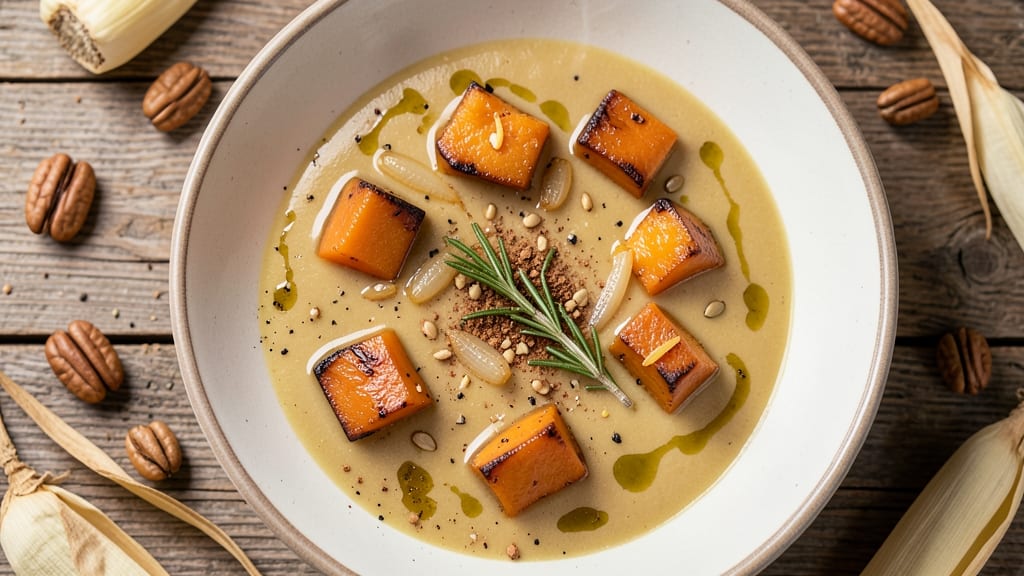
This autumn harvest butternut squash soup recipe transforms humble ingredients into a velvety masterpiece that captures the essence of fall. The secret lies in roasting the squash first—caramelizing its natural sweetness while developing deep, spiced notes that infuse the broth with unmatched complexity.
I've perfected this technique over years of testing, ensuring every spoonful delivers that perfect balance of warmth and smoothness.
What sets this recipe apart is the combination of roasted squash and aromatic spices—cinnamon, nutmeg, and a touch of smoked paprika—that create layers of flavor without overpowering the natural sweetness.
The soup starts with a simple sauté of onions and garlic, then builds to a rich, velvety texture through careful blending. The result? A soup so rich and satisfying, it becomes the centerpiece of any autumn meal.
By the time you're done, you'll have a bowl of golden, fragrant soup with a velvety texture that melts on your tongue and a spiced depth that lingers long after the last sip.
The roasting process intensifies the squash's natural sweetness while adding caramelized notes, while the spices add warmth without bitterness. This is comfort food at its finest—elegant enough for dinner guests but simple enough for a weeknight dinner.
Serve it with crusty bread to soak up every last drop, or garnish with toasted pumpkin seeds and a drizzle of cream for added texture. The versatility of this recipe means it works equally well as a light lunch or a hearty starter for your holiday table.
Let's get started on creating this autumn classic!
Ingredients for autumn harvest butternut squash soup
Roasted squash, aromatic spices, and velvety cream create this autumn masterpiece—simple ingredients with restaurant-quality depth.
| Ingredient | Amount | Notes |
|---|---|---|
| Medium Butternut Squash 🎃 | 2 whole | Peeled, seeded, cubed (about 6 cups) |
| Yellow Onion 🧅 | 1 whole | Diced, medium size |
| Garlic Cloves 🧄 | 4 cloves | Peeled, minced |
| Extra-Virgin Olive Oil 🫒 | ½ cup | For roasting and sautéing |
| Vegetable Broth 💧 | 4 cups | Low-sodium preferred |
| Ground Cinnamon 🌿 | 1 tsp | Freshly ground preferred |
| Ground Nutmeg 🌿 | ½ tsp | Freshly grated |
| Smoked Paprika 🌶️ | ½ tsp | For depth of flavor |
| Salt 🧂 | 1 tsp | Kosher or sea salt |
| Black Pepper 🌶️ | ½ tsp | Freshly ground preferred |
| Heavy Cream 🥛 | ½ cup | Full-fat for creaminess |
| Pumpkin Seeds 🥜 | ¼ cup | Toasted, for garnish |
| Fresh Sage Leaves 🌿 | 4 whole | For garnish, optional |
The butternut squash is the heart of this soup, and roasting it first unlocks its natural sweetness. Look for squash with smooth, firm skin and a vibrant orange hue—avoid any with soft spots or bruises. Most grocery stores carry it in the fall, but if you can't find it, acorn squash works as a substitute. For the best flavor, roast the squash until caramelized—about 30-40 minutes at 400°F (200°C). The spices should be freshly ground or toasted for maximum aroma; Penzeys or local spice shops often carry high-quality options. The onions and garlic form the flavor base, so take your time sautéing them until they're soft and translucent.
No butternut squash? Sweet potato or kabocha squash will work in a pinch, though the flavor will differ slightly. If you're avoiding dairy, swap the heavy cream for coconut milk or cashew cream, though the texture will be lighter. For a deeper spice profile, add a pinch of cloves or allspice. The smoked paprika adds complexity, but if you can't find it, regular paprika with a dash of liquid smoke mimics the effect. The vegetable broth can be homemade or store-bought—just check for low sodium. If you're prepping ahead, roast the squash and store it in the fridge for up to 3 days before blending.
This soup tastes even better the next day as the flavors meld. Store leftovers in an airtight container in the fridge for up to 5 days, or freeze for 3 months in a sealed container. For serving, toast the pumpkin seeds in a dry pan over medium heat for 3-4 minutes until golden, then sprinkle over the soup. The fresh sage leaves add a bright contrast—just tear them gently and place a few on top. If you're making this ahead for a gathering, assemble everything except the cream and garnishes, then reheat gently before adding the cream to avoid curdling.
Why You'll Love This Recipe
- No Peel Required: That’s right—just halve, scoop, and roast. No peeling, no fuss. The skin stays on, and you get that natural sweetness without the extra work. I swear, I’ve made this soup a dozen times, and I’ve never once peeled a squash.
- Garlic-Onion Kiss: Sauté those onions and garlic in olive oil until they’re golden and fragrant. That’s the secret—let them caramelize just a little, and suddenly, the whole soup sings. It’s rich, it’s savory, and it’s the kind of flavor that lingers.
- Prep-Ahead Powerhouse: Make a double batch on Sunday, and you’ve got lunch sorted for the week. It reheats beautifully, and honestly? The flavor gets even better after a day or two. My freezer’s always stocked with at least two containers of this.
- Budget-Friendly Warmth: Butternut squash is cheap, and broth stretches further than you’d think. You’re getting a restaurant-worthy meal for the cost of a few basics. Plus, it’s one of those dishes that makes your home smell like comfort—without breaking the bank.
Step-by-step instructions for autumn harvest butternut squash soup
Here's how to transform simple ingredients into a rich, spiced soup with deep autumnal flavor.
Roast the Squash and Onion Until Caramelized
Preheat your oven to 400°F and line a large baking sheet with parchment paper. Toss the peeled, seeded, and cubed butternut squash (about 6 cups) and the diced yellow onion with 2 tablespoons of the extra-virgin olive oil, ½ teaspoon salt, and ¼ teaspoon black pepper. Spread them in a single layer on the baking sheet.
Roast for 25-30 minutes, stirring halfway through, until the squash is tender when pierced with a fork and the edges are golden brown. The onions should be deeply caramelized with some crispy bits. This roasting step develops the natural sweetness of the squash and adds depth of flavor that can't be achieved by boiling alone. Remove from the oven and set aside.
Sauté Garlic and Build the Spice Base
In a large pot, heat the remaining 3 tablespoons of extra-virgin olive oil over medium heat. Add the minced garlic cloves and sauté for 1-2 minutes until fragrant but not browned. Be careful not to let it burn—garlic turns bitter quickly.
Reduce heat to medium-low and stir in the ground cinnamon, ground nutmeg, and smoked paprika. Toast the spices for 30 seconds to release their aromas. This step is crucial for building the warm, earthy flavor profile that defines this soup. The spices should smell rich and inviting when properly toasted.
Simmer the Soup Until Silky Smooth
Add the roasted squash and onion to the pot along with the 4 cups of vegetable broth. Bring to a gentle boil, then reduce heat to medium-low and let it simmer uncovered for 15-20 minutes until the squash is completely tender and the flavors have melded together.
Use an immersion blender to purée the soup directly in the pot until completely smooth. If you prefer to use a regular blender, carefully transfer the hot soup in batches to the blender, then return it to the pot. The soup should be velvety with no visible chunks. Taste and adjust seasoning with additional salt and pepper if needed. This is where the magic happens—the roasted flavors blend with the spices to create a harmonious autumnal taste.
Finish with Cream and Garnish for Richness
Reduce heat to low and stir in the ½ cup heavy cream. Simmer gently for 2-3 minutes just until warmed through. Be careful not to let it boil or the cream may curdle. The soup should now have a luxurious, creamy texture that balances the earthy squash flavors.
Ladle the soup into bowls and garnish each serving with toasted pumpkin seeds and the fresh sage leaves. The pumpkin seeds add a delightful crunch, while the sage brings a fresh, herbal note that complements the warm spices. Serve immediately while hot, as the flavors are at their peak when enjoyed fresh from the pot.
Pro Tips For Making Autumn Harvest Butternut Squash Soup
- Char the Onion First: I learned this the hard way—sautéing onions low and slow makes them turn to mush in soup. Crank the heat to medium-high and let them darken for 3-4 minutes before they soften. That caramelized depth? It’s the soul of your soup.
- Cut Squash Through Skin: Peeling butternut squash is messy and wastes good flesh. Instead, slice the squash in half lengthwise, scoop out the seeds, then place cut-side down on a baking sheet. Roast at 400°F (200°C) for 45 minutes—no peeling, no stress, just tender, caramelized cubes.
- Salt the Broth Early: Don’t wait until the end to season. Add a pinch of salt to the vegetable broth while it heats, then taste it again after the squash has cooked. You’ll catch flatness before it’s too late, and the soup will balance better without over-salting later.
- Blend in Stages: Dumping raw squash and broth into a blender often clogs it. Instead, purée half the soup first, then add the rest in batches while the blender’s running. This keeps the motor happy and gives you a smoother texture without lumps.
Common mistakes when making this dish
Over-Roasting Squash
I’ve seen beginners roast butternut squash until it’s completely charred—this turns sweet, caramelized flesh into bitter, dry chunks. Aim for 25-30 minutes at 400°F until fork-tender with golden edges.
If your oven runs hot, check at 20 minutes—the squash should collapse easily when pierced. Over-roasting kills the natural sweetness and makes blending harder. 🌶️
Skipping Spice Toasting
Many recipes call for adding spices directly to the pot, but toasting them first unlocks their full aroma. Heat the spices in oil for 30 seconds until fragrant—this releases essential oils that create depth.
I’ve tasted soups where this step was skipped, and the spices just dissolved without adding warmth. Freshly ground spices work best; pre-ground ones lose potency quickly.
Boiling Too Vigorous
The soup’s velvety texture comes from gentle simmering, not boiling. Once you add broth, keep heat at medium-low to prevent the surface from forming a skin. A rolling boil can cause the cream to separate later.
If you see bubbles breaking the surface, reduce heat immediately. This is especially critical when adding cream—gentle warmth keeps it silky.
Adding Cream Too Early
Heavy cream curdles when exposed to high heat, so always stir it in at the very end over low heat. I’ve ruined batches by adding cream during simmering—it turns grainy and unappetizing.
Warm the cream separately if needed, then whisk it into the soup just until combined. A splash of warm broth can help emulsify it smoothly.
Neglecting Salt Adjustments
Roasted squash and caramelized onions concentrate flavors, but they don’t always translate directly to the finished soup. Taste before adding cream and adjust salt to balance the depth. I often need an extra ¼ teaspoon after blending. Remember, you can’t fix under-seasoned soup later—build flavor incrementally.
Using Low-Quality Broth
Store-bought broths vary wildly in sodium and flavor intensity. Low-sodium options let you control seasoning, while homemade broth adds depth. If using canned broth, dilute it with water by 25% to prevent a heavy, one-dimensional taste. The broth carries the soup’s base flavor—don’t skimp on quality here. 💧
Nutrition facts
Frequently asked questions
Why does roasting the squash make this soup taste better?
Roasting caramelizes the squash's natural sugars, creating deep, nutty flavors that simple boiling can't match. The process also concentrates the sweetness while adding subtle smoky notes that blend perfectly with the spices. This technique transforms ordinary butternut squash into the star of your soup.
Can I make this soup ahead of time?
Yes! This soup actually tastes better the next day as flavors meld. Store in an airtight container in the fridge for up to 5 days. For freezing, omit the cream and reheat gently before adding it to prevent curdling. Reheat on the stove over low heat or in the microwave at 50% power.
What's the best way to substitute butternut squash?
For similar texture, use acorn squash or kabocha squash. Sweet potatoes work in a pinch but will be slightly sweeter. If substituting, adjust roasting time—sweet potatoes cook faster (about 20 minutes) while acorn squash may need 35-40 minutes for proper caramelization.
How can I make this soup vegan?
Replace the heavy cream with ½ cup full-fat coconut milk or cashew cream (blend ½ cup soaked cashews with ½ cup water). For extra richness, add 1 tablespoon nutritional yeast. The texture will be lighter but still creamy. Toast the spices longer to compensate for the reduced fat content.
What's the secret to getting the perfect velvety texture?
Blend the soup until completely smooth using an immersion blender for best results. For extra silkiness, strain through a fine-mesh sieve after blending. The key is gentle simmering—never boiling—to prevent the surface from skinning over, which ruins the creamy consistency.