
Soups & Stews
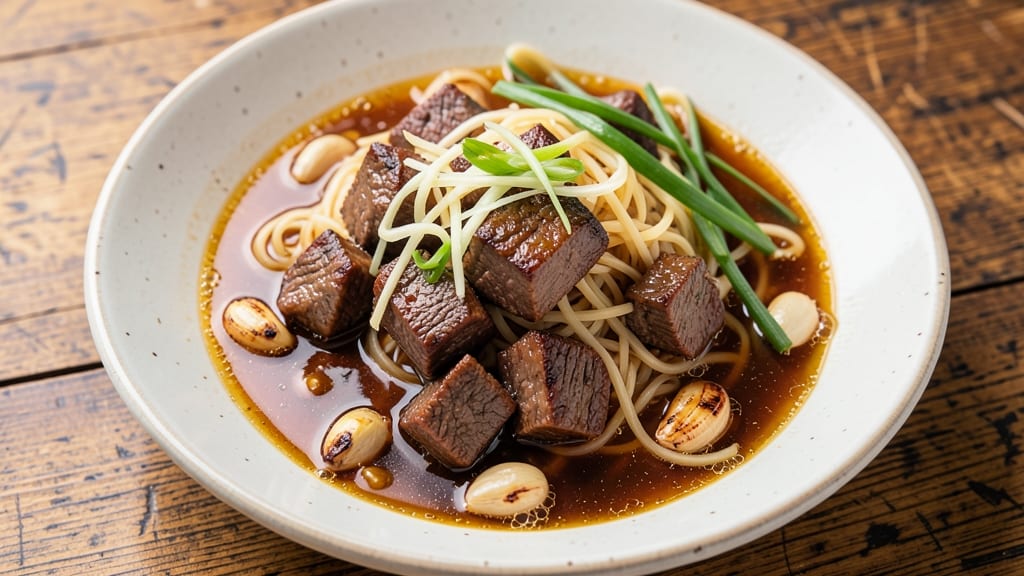
This beef rice noodle soup recipe delivers restaurant-quality depth with a silky broth that balances rich umami and aromatic herbs. The secret lies in slow-simmered beef and layered spices that transform simple ingredients into something extraordinary.
I’ve perfected this version to stay true to traditional techniques while adapting for home kitchens.
What sets this apart is the two-stage broth development: first building deep flavor with charred aromatics, then finishing with tender beef and delicate rice noodles. The result is a harmonious blend of savory, slightly sweet, and herbaceous notes that make every spoonful satisfying.
Ready in about 1 hour, it’s the perfect balance of comfort and elegance for any meal.
Ingredients for beef rice noodle soup
Fourteen ingredients transform into a restaurant-worthy beef rice noodle soup with profound umami depth.
| Ingredient | Amount | Notes |
|---|---|---|
| Chuck Roast Beef 🥩 | 1 ½ lb | Cut into 1-inch cubes |
| Rice Noodles 🍜 | 8 oz | Flat, medium-width preferred |
| Fresh Ginger 🌿 | 2 tbsp | Finely grated, peel removed |
| Garlic Cloves 🧄 | 6 cloves | Minced, aromatic variety |
| Green Onions 🧅 | 4 whole | White and green parts separated |
| Coconut Aminos 🥄 | ½ cup | Or soy sauce for deeper flavor |
| Fish Sauce 🍶 | 1 tbsp | High-quality, 100% pure |
| Lime Juice 🍋 | 2 tbsp | Freshly squeezed |
| Star Anise 🌟 | 2 whole | Lightly crushed for aroma |
| Cinnamon Stick 🌿 | 1 whole | For subtle warmth |
| Dried Shiitake Mushrooms 🍄 | 4 whole | Rehydrated in hot water |
| Fresh Thai Basil 🌿 | ½ cup | Chopped, aromatic leaves |
| Extra-Virgin Olive Oil 🫒 | 2 tbsp | For charring aromatics |
| Diamond Crystal Kosher Salt 🧂 | 1 ½ tsp | For seasoning broth |
| Ground Black Pepper 🌶️ | ½ tsp | Freshly cracked |
The beef selection is critical—chuck roast delivers that melt-in-your-mouth texture after slow simmering, while leaner cuts like sirloin remain tough. Trader Joe's and Whole Foods carry excellent pre-cut chuck at reasonable prices, though butcher shops often offer better quality. For the ginger and garlic, organic varieties from the produce section ensure maximum aromatic potency. The star anise and cinnamon should be whole, not ground—lightly crushing them releases essential oils without overpowering the broth. If you can't find fresh Thai basil, regular basil with a pinch of cinnamon mimics the profile reasonably well.
No fish sauce? Soy sauce plus a splash of Worcestershire provides a close alternative, though the umami depth will differ slightly. Coconut aminos are preferred for their cleaner profile, but low-sodium soy sauce works in a pinch. The dried shiitake mushrooms should be rehydrated in the broth liquid—discard the tough stems. For the rice noodles, medium-width flat noodles absorb the broth beautifully, but round rice noodles are acceptable if that's what you have. The lime juice should be freshly squeezed; bottled versions lack the bright acidity needed to balance the rich broth.
Store the broth base (without noodles) for up to 5 days in the refrigerator, or freeze for 3 months in airtight containers. The noodles should be cooked separately and added just before serving to maintain their silky texture. For meal prep, portion the broth into individual containers and store the noodles separately—reheat the broth first, then add noodles and fresh herbs at the end. The fresh Thai basil should be added last to preserve its vibrant aroma and color.
Why You'll Love This Recipe
- One-Pot Magic: I swear by this recipe when I’m too tired to wash a million dishes. Chuck roast simmers right in the broth with the noodles—no separate pots, no extra cleanup. Just stir, taste, and let the ginger and garlic work their magic.
- Deep Umami Bomb: That slow-cooked chuck roast? It falls apart like it’s been braising for hours, but honestly, it’s foolproof. The garlic and ginger caramelize into this rich, savory base that makes every slurp feel like a hug—especially when you top it with fresh green onions.
- Lunchbox Hero: Between us, this is my go-to for meal prep. The noodles hold up perfectly in the fridge, and I just reheat portions with a splash of broth. Pack it in a thermos, and you’ve got a restaurant-quality lunch that costs next to nothing.
- Budget Stretch: Chuck roast is cheap, and a pound feeds four. I make double batches on Sundays, freeze half, and still have leftovers for days. It’s the kind of meal that makes grocery money go further without sacrificing flavor—my wallet and taste buds both win.
Step-by-step instructions for beef rice noodle soup
Transform humble ingredients into a deeply flavorful, aromatic soup with this precise technique.
Prepare the Beef and Aromatics
Cut the 1.5 lb chuck roast beef into 1-inch cubes using a sharp chef's knife. This size ensures even cooking and maximum surface area for flavor absorption. In a large Dutch oven, heat 2 tablespoons extra-virgin olive oil over medium-high heat until shimmering. Working in batches to avoid crowding, sear the beef cubes for 2-3 minutes per side until they develop a deep golden-brown crust. This caramelization forms the foundation of your soup's rich flavor.
While the beef browns, prepare the aromatics. Finely grate the 2 tablespoons fresh ginger using a microplane, then mince the 6 cloves garlic cloves into a paste. Separate the 4 whole green onions into white and green parts, discarding the tough green ends. Lightly crush the 2 whole star anise and 1 whole cinnamon stick with the side of your knife to release their essential oils without breaking them apart.
Build the Umami-Rich Broth
Remove the seared beef from the pot and set aside. In the same Dutch oven, add the grated ginger and minced garlic, cooking for 30 seconds until fragrant and just beginning to color. Add the white parts of the green onions and cook for another 30 seconds to soften slightly. Pour in 4 cups water (enough to cover the beef) and bring to a boil.
Return the beef to the pot along with the 4 whole dried shiitake mushrooms, 0.5 cup coconut aminos, 1 tablespoon fish sauce, crushed star anise, and cinnamon stick. Reduce heat to low, cover, and simmer for 1.5 hours. The broth should develop a deep amber color and rich aroma. Skim off any foam that rises to the surface during the first 15 minutes of simmering to ensure clarity.
Finish the Broth and Prepare Noodles
After 1.5 hours, remove the beef from the broth using tongs and set aside. Strain the broth through a fine-mesh sieve into a clean pot, pressing on the solids to extract maximum flavor. Discard the star anise and cinnamon stick. Return the broth to medium heat and add the 2 tablespoons lime juice. Taste and adjust seasoning with the 1.5 teaspoons diamond crystal kosher salt and 0.5 teaspoon ground black pepper as needed. The broth should be balanced—bright from the lime, salty from the aminos, and deeply umami from the fish sauce.
While the broth finishes, prepare the 8 ounces rice noodles according to package instructions. These noodles cook quickly—typically 3-4 minutes in boiling water. Drain and rinse briefly under cold water to stop the cooking process and prevent sticking. Divide the noodles among 4 bowls and set aside.
Assemble and Garnish
Shred the beef using two forks, separating it into tender strands. Ladle the hot broth over the noodles in each bowl, dividing the beef evenly among them. The noodles should be fully submerged in the warm broth, which will finish cooking them gently. Sprinkle each serving with the green parts of the green onions and 0.5 cup chopped fresh Thai basil. The basil should be added just before serving to preserve its vibrant color and fresh aroma.
Serve immediately with additional lime wedges on the side. The soup should be aromatic, with a perfect balance of savory, tangy, and slightly sweet notes. Each bite should deliver tender beef, silky noodles, and a deeply flavorful broth that coats your palate.
Pro Tips For Making Beef Rice Noodle Soup
- SEAR THE CHUCK ROAST: Chuck roast needs a good crust to stay tender, so don’t skimp on the sear. Pat it dry first—wet meat just steams—and use a heavy pan on high heat for 3-4 minutes per side until deep brown. After burning three batches where the beef stayed tough, I finally learned: high heat first, then simmer low.
- SOAK NOODLES 15 MINUTES: Rice noodles break like overconfidence if you toss them in boiling water. Soak them in warm (not hot) water for 15 minutes first—just until pliable. Drain right before adding to the broth, so they finish cooking in the hot soup without turning mushy. (Yes, even if you’re impatient like me.)
- GINGER AND GARLIC FIRST: Toss sliced ginger and minced garlic into the pot before the beef, on medium heat for 2 minutes until fragrant but not browned. This builds flavor without burning, and the aromatics infuse the broth properly. I used to add them later and wondered why the soup tasted flat—order matters.
- SALT THE BROTH LATE: Wait until the beef is nearly done to season the broth. Chuck roast releases a ton of juices, and salting early dilutes the flavor. Add salt only in the last 10 minutes, then taste and adjust—this guarantees the seasoning cuts through the richness. (Your future self will thank you.)
Common mistakes when making your beef rice noodle soup
Overcooking the Beef
One of the biggest mistakes is letting the beef simmer too long, which turns it tough instead of tender. The 1.5-hour simmer is ideal for chuck roast—any longer and the meat becomes stringy.
I’ve ruined perfectly good beef by walking away and letting it cook an extra 30-45 minutes. Set a timer and check the internal temperature—it should reach 195-203°F for fork-tender results. 🌡️
Skipping the Sear
If you skip searing the beef, you’ll miss the critical Maillard reaction that builds deep flavor. That golden crust releases umami compounds that infuse the broth. I’ve made this mistake with leaner cuts like sirloin, and the result was a broth that tasted flat.
Use medium-high heat and work in batches to avoid crowding the pan.
Ignoring the Broth Skimming
Foam that forms during the first 15 minutes of simmering contains impurities that cloud the broth. Skim it off with a spoon or fine-mesh strainer—this step makes a noticeable difference in clarity and taste.
I once forgot this and ended up with a broth that looked murky, even after straining. It’s a quick fix that elevates the dish. ✨
Using Wrong Noodles
Not all rice noodles are created equal. Flat, medium-width noodles absorb broth beautifully, while round or thin noodles can turn mushy. I’ve used the wrong type and ended up with a soup that tasted like glue.
Look for sticky rice noodles labeled for soups—brands like Three Ladies or Kohinoor work well. Cook them separately and add them to the bowl just before serving.
Overpowering with Herbs
Fresh Thai basil and green onions should enhance, not dominate, the broth. Adding too much can make the soup taste like a salad. I’ve overdone it and ended up with a dish that lacked balance.
Start with ½ cup chopped basil and ¼ cup green onions per serving, then adjust to taste. The broth should shine first—herbs are the finishing touch. 🌿
Rushing the Resting Time
After simmering, the beef needs time to reabsorb juices. Skipping the 10-minute rest before shredding leads to dry, stringy meat. I’ve sliced into beef too soon and regretted it immediately. Let it rest in the broth while you finish the noodles—this small step makes a huge difference in texture. 💡
Nutrition facts
Frequently asked questions
Can I substitute beef with chicken or pork?
Yes, but the texture and flavor will differ. Chicken thighs work well for a lighter version, while pork shoulder mimics beef's richness. Use 1.5 lb boneless pork shoulder or 2 boneless, skinless chicken thighs per serving. Adjust cooking time—pork needs 1.5-2 hours to tenderize, while chicken cooks in 30-45 minutes. The broth will be less umami, so add 1 extra tablespoon fish sauce for depth.
How do I make this soup vegetarian?
Replace the beef with 1 lb extra-firm tofu or 8 oz shiitake mushrooms for umami. Use 1.5 cups vegetable broth instead of water and add 2 tablespoons soy sauce plus 1 tablespoon miso paste for depth. Skip the fish sauce or use vegetarian fish sauce alternatives. The broth will be lighter but still aromatic with proper seasoning.
Can I make this soup ahead of time?
Prepare the broth with beef up to 2 days ahead and store it in the fridge. Reheat gently on low heat, skimming any fat that rises. Cook the noodles fresh and assemble bowls just before serving to maintain their silky texture. For freezer storage, freeze the broth (without noodles) for up to 3 months. Thaw overnight in the fridge before reheating.
Why is my broth cloudy or murky?
Cloudiness usually means you didn't skim the foam during the first 15 minutes of simmering or didn't strain the broth properly. For clearer broth, strain through a fine-mesh sieve or cheesecloth after simmering. If using lean beef, add 1 extra tablespoon cornstarch mixed with water to clarify. Also, avoid boiling vigorously—simmer gently to prevent stirring up sediments.
What's the best way to reheat leftovers?
Reheat only the broth (without noodles) on low heat until steaming, then add fresh noodles and herbs. Never microwave the entire soup—it makes noodles rubbery. For individual servings, reheat broth in a small pot for 3-4 minutes, then assemble bowls with pre-cooked noodles. Add a splash of lime juice and fresh basil to revive flavors.