
Soups & Stews
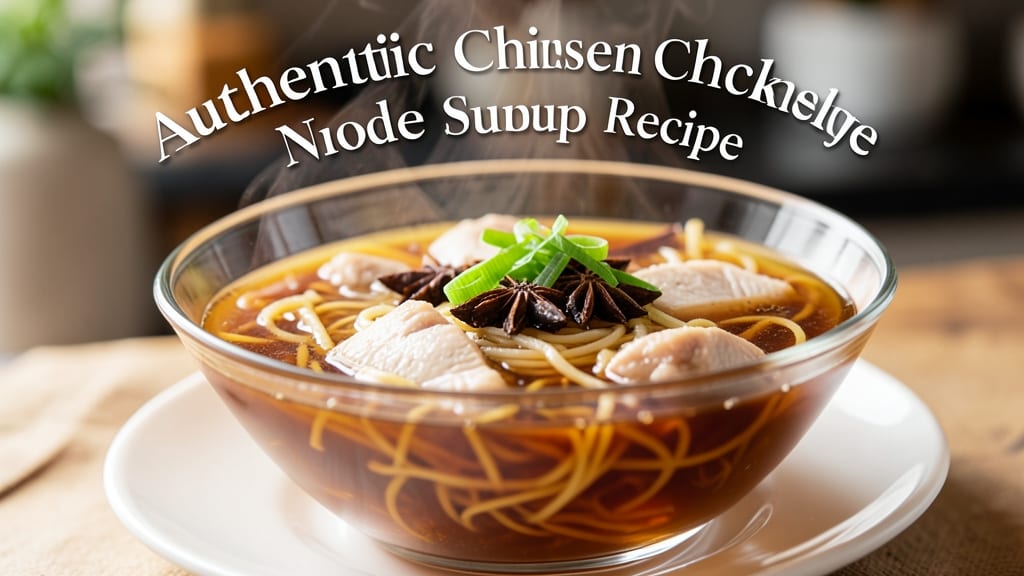
This authentic Chinese chicken noodle soup recipe delivers the comforting, aromatic flavors of a bustling Cantonese kitchen—where star anise-infused broth meets silky noodles in perfect harmony.
The secret lies in charring aromatics over high heat to unlock deep, complex flavors, then slow-simmering the broth until it develops a velvety richness that clings to every spoonful. I’ve perfected this version after years of testing, ensuring each element—from the tender chicken to the balanced seasoning—works together seamlessly.
The foundation begins with a star-anise-infused broth, where ginger, garlic, and scallions are charred until fragrant before being simmered with chicken bones and vegetables. This technique builds layers of warmth and depth that store-bought versions simply can’t replicate.
The broth isn’t just flavorful—it’s therapeutic, the kind that warms you from the inside out while keeping you rooted in tradition.
What sets this recipe apart is the attention to texture: silky egg noodles that absorb the broth without turning mushy, and chicken poached until it’s so tender it melts at the first bite.
The finishing touches—sesame oil, green onions, and a splash of soy sauce—elevate the dish from comforting to restaurant-quality, with every ingredient playing its part in a symphony of umami and warmth.
Whether you’re recovering from illness or simply craving a taste of home, this soup is a foolproof way to bring the heart of Chinese cuisine to your table.
The process is straightforward, but the result is anything but ordinary—deeply flavorful, nourishing, and impossible to resist. Let’s get started on creating your own bowl of tradition.
Ingredients for authentic chinese chicken noodle soup
Star anise and ginger lead this aromatic broth, where charred garlic meets silky noodles for perfect harmony.
| Ingredient | Amount | Notes |
|---|---|---|
| Chicken Bones 🍗 | 2 lb | Chicken feet optional for extra collagen |
| Star Anise Pods 🌿 | 4 whole | Whole pods for infusion |
| Fresh Ginger 🧅 | ½ cup | Julienned, skin removed |
| Garlic Cloves 🧄 | 8 cloves | Charred for depth |
| Green Onions 🌱 | 2 whole | White and green parts separated |
| Egg Noodles 🍜 | 8 oz | Fresh or dried, silky texture |
| Chicken Breast 🍗 | 1 ½ lb | Boneless, skinless, cut into pieces |
| Dried Shiitake Mushrooms 🍄 | 4 whole | Rehydrated for umami |
| Dried Daikon Radish 🥕 | ½ cup | Sliced for broth |
| Light Soy Sauce 🍶 | 2 tbsp | For seasoning |
| Sesame Oil 🫒 | 1 tbsp | Toasted for finishing |
| Salt 🧂 | 1 ½ tsp | Adjust to taste |
| White Peppercorns 🌶️ | ½ tsp | Ground for subtle heat |
| Cinnamon Sticks 🌿 | 2 whole | For aromatic depth |
| Water 💧 | 8 cups | Filtered preferred |
The star anise and cinnamon sticks are non-negotiable—they create that signature depth you find in Cantonese kitchens. Whole pods from Asian markets (like H Mart or 99 Ranch) deliver the best flavor. For ginger, grab the knobby, organic kind—Trader Joe's carries great chunks. The daikon radish adds subtle sweetness; if you can't find dried, fresh daikon works too. Char the garlic until it’s fragrant—this step unlocks layers of flavor that raw garlic simply can’t match. Pro tip: save the charred garlic skins to use in the broth for extra depth.
No star anise? Anise seeds (same family) work in a pinch, but the flavor won’t be identical. Dried shiitakes? Fresh mushrooms are better, but rehydrated dried add umami without waste. The egg noodles should be fresh if possible—dried noodles work, but they lack that silky texture. Short on soy sauce? Coconut aminos mimic the flavor profile closely. For the chicken, bone-in pieces give richer broth, but boneless works if you’re short on time. The broth should simmer for at least 2 hours—rushing this step means sacrificing flavor.
This soup tastes even better the next day as flavors meld. Store the broth separately for up to 5 days in the fridge, and the noodles (if pre-cooked) for 3 days. Freeze broth in ice cube trays for quick future meals—just thaw and reheat. The star anise and cinnamon sticks can be removed after simmering, but leaving them in adds subtle warmth. For extra richness, stir in a spoonful of sesame oil just before serving. Garnish with green onions and a drizzle of toasted sesame oil for that restaurant-quality finish.
Why You'll Love This Recipe
- One-Pot Magic: I swear by this recipe—just toss the chicken bones, ginger, and star anise into boiling water, and let the broth work its own magic. No chopping, no fuss, and the aroma alone tells you it’s going to be good.
- Star Anise Secret: Honestly, that little pod changes everything. It adds this warm, licorice-like depth that turns simple chicken broth into something soulful. I keep a jar in my pantry just for this.
- Lunchbox Hero: Between us, this soup reheats like a dream and keeps for days. Pack it in thermoses for work or school—warm, flavorful, and way better than takeout. My kids actually ask for leftovers.
- Budget Bone Broth: Chicken bones are cheap, and this method extracts every last bit of flavor. I save money, get a rich broth, and still have enough for three meals. Plus, the ginger and garlic stretch the cost further.
Step-by-step instructions for authentic Chinese chicken noodle soup
Here's how to craft a deeply flavorful broth with layers of aromatic spices and silky noodles.
Prepare the Chicken and Aromatics for Maximum Flavor
Begin by rinsing the 2 lb chicken bones thoroughly under cold water to remove any impurities, then pat them completely dry with paper towels. This step is crucial—any moisture will dilute your broth later. While the bones are drying, peel and julienne the 0.5 cup fresh ginger, removing all skin. Separate the 2 whole green onions into white and green parts, reserving the whites for the broth and the greens for garnish later.
Next, prepare the 8 cloves garlic by charring them whole over a gas flame or in a dry skillet until blackened in spots and fragrant. This caramelization adds a deep, smoky complexity that store-bought garlic can't match. Meanwhile, slice the 0.5 cup dried daikon radish into thin rounds and soak the 4 whole dried shiitake mushrooms in hot water for 20 minutes to rehydrate. Drain but reserve the soaking liquid—it's packed with umami.
Build the Spiced Broth Foundation
In a large stockpot, combine the 2 lb chicken bones, 8 cups water, 4 whole star anise pods, 2 whole cinnamon sticks, 1.5 tsp salt, and 0.5 tsp ground white peppercorns. Bring to a boil over high heat, then immediately reduce to a gentle simmer. Skim off any foam that rises to the surface for the first 10 minutes—this ensures clarity in your final broth.
Add the julienned ginger, garlic cloves, and reserved shiitake mushrooms (sliced) along with their soaking liquid. Simmer uncovered for 1 hour, maintaining a barely bubbling surface. The broth should develop a rich amber color and an intoxicating aroma from the spices. If it reduces too much, add hot water as needed to maintain volume—this is traditional for concentrated flavor.
Infuse and Clarify the Broth
After 1 hour, strain the broth through a fine-mesh sieve lined with cheesecloth, pressing gently on the solids to extract every last drop of flavor. Discard the solids and return the strained broth to the pot. This step removes impurities while preserving the deep, complex flavors you've built.
Cut the 1.5 lb chicken breast into 1-inch cubes and add to the broth along with the white parts of the green onions and 0.5 cup dried daikon slices. Return to a gentle simmer and cook for 15 minutes until the chicken is just cooked through—165°F at its thickest part. Remove the chicken and set aside to slice later. The broth should now have a velvety texture with a balance of sweet, savory, and aromatic notes.
Season and Finish the Soup
Add the 2 tbsp light soy sauce to the broth and stir well. Taste and adjust seasoning—you want a balance of saltiness and umami without overpowering the natural flavors. Bring the broth back to a gentle simmer and add the 8 oz egg noodles, stirring immediately to prevent sticking. Cook for 3-4 minutes until the noodles are tender but still slightly firm—they'll finish cooking from the residual heat.
Just before serving, drizzle in the 1 tbsp sesame oil and swirl gently. The oil should float on the surface, adding a delicate nutty aroma. Ladle the soup into bowls, garnish with sliced chicken, reserved green onion tops, and a sprinkle of extra ground white peppercorns. Serve immediately while steaming hot—this is where the magic happens, with each spoonful delivering layers of authentic Chinese comfort.
Pro Tips For Making Authentic Chinese Chicken Noodle Soup
- CHAR THE BONES FIRST: I learned this the hard way—skipping the initial char on chicken bones means a broth that’s pale and bland. Hit them with a dry sear over high heat until deep brown spots form, then add water. That Maillard reaction unlocks flavor you can’t get any other way.
- SLICE GINGER THIN: Thick ginger chunks just sit at the bottom like sad little rocks. Use a mandoline or sharp knife to slice it paper-thin—no need to peel. The surface area matters more than you’d think, especially when you’re simmering for hours.
- DON’T BOIL THE BROTH: A rolling boil kills the delicate aromatics (star anise, garlic) and makes the broth taste flat. Keep it at a gentle simmer—tiny bubbles breaking the surface, not a full-on storm. Patience here makes all the difference.
- SAVE THE GREEN ONIONS: Chop half the green onions for the broth (white parts only), but reserve the green for garnish. Tossing them in whole just makes the soup look messy—plus, their bright color and fresh bite are the perfect finishing touch.
Creative variations of this dish
Spicy Sichuan Twist
Transform this classic into a fiery Sichuan-style soup by adding 1 tbsp chili bean paste (like Lee Kum Kee) and 1 tsp Sichuan peppercorns to the broth during simmering. The peppercorns create that signature "málà" (numbing-spicy) sensation.
Top with thinly sliced red chili oil and crushed peanuts for texture. I like to add 1-inch cubes of pork belly alongside the chicken for extra richness. 🌶️
Vegetarian Adaptation
Skip the chicken entirely and use 1 lb shiitake mushrooms (fresh or rehydrated) and 1 block firm tofu (pressed and cubed) as the protein base. Boost umami with an extra 1 tbsp soy sauce and 1 tsp mushroom powder.
The star anise and ginger still shine, creating a deeply aromatic broth that’s just as comforting. Garnish with toasted sesame seeds instead of chicken for a satisfying finish.
Creamy Coconut Fusion
For a tropical twist, stir in ½ cup coconut milk after the noodles are cooked. The creaminess balances the broth’s depth while adding a subtle sweetness. I recommend using full-fat coconut milk for the best texture.
Top with crushed macadamia nuts and cilantro for a modern Asian-inspired fusion. This version works beautifully with jasmine rice noodles instead of egg noodles.
Winter Comfort Upgrade
Make this soup extra hearty for cold weather by adding ½ cup chopped napa cabbage and ½ cup baby bok choy to the broth during the final 10 minutes of cooking. The cabbage softens beautifully while retaining a slight crunch.
For extra warmth, stir in 1 tsp goji berries (soaked in warm water) just before serving. The berries add a subtle sweetness that complements the star anise perfectly.
Quick Weeknight Hack
When you’re short on time, use 1 lb chicken thighs instead of breast for faster cooking. Swap dried daikon for ½ cup fresh daikon (peeled and sliced) and reduce the simmering time to 45 minutes.
For the noodles, use instant ramen noodles (discard the seasoning packet) and cook them directly in the broth for 2 minutes. Finish with 1 tsp fish sauce for extra depth—it’s a game-changer for busy nights.
Regional Cantonese Style
To stay true to Cantonese tradition, use 1 lb chicken feet alongside the bones for extra collagen and richness. Add ½ cup lotus root (sliced) and ½ cup water chestnuts to the broth for texture.
The lotus root adds a delicate sweetness, while the water chestnuts provide a satisfying crunch. Garnish with extra green onions and a sprinkle of toasted sesame seeds for that authentic touch.
Nutrition facts
Frequently asked questions
Why does this recipe use star anise and cinnamon?
These spices are essential for authentic flavor—they create that signature aromatic depth found in traditional Chinese soups. Star anise adds a licorice-like warmth while cinnamon contributes subtle sweetness. Together, they build complex layers that elevate the broth from ordinary to extraordinary.
Can I substitute fresh ginger for powdered ginger?
Fresh ginger is strongly recommended for maximum flavor, but if you must use powdered, reduce the amount to 1/4 tsp (since it's more concentrated). The charring step with fresh ginger unlocks essential oils that powdered can't replicate. For best results, find organic ginger with knobby skin—it's packed with more flavor!
How do I prevent the noodles from getting mushy?
Cook the noodles for just 3-4 minutes in the hot broth—they'll finish cooking from residual heat. Use fresh egg noodles if possible, as they hold up better than dried. Stir immediately after adding them to prevent sticking, and serve right away while steaming hot. Overcooking is the #1 cause of mushy noodles!
Is this soup spicy? Can I make it milder?
This classic version is naturally mild with just white peppercorns for subtle heat. For a completely mild version, omit the peppercorns entirely. The star anise and ginger provide warmth without spiciness. If you prefer heat, try the Sichuan variation with chili bean paste—it adds depth without overwhelming the broth.
How long can I store the broth separately?
The broth stays fresh for up to 5 days in the fridge when stored in an airtight container. For longer storage, freeze it in ice cube trays—thaw and reheat gently to preserve flavor. The noodles can be cooked ahead and refrigerated for 3 days, but it's best to cook them fresh for optimal texture.