
Soups & Stews
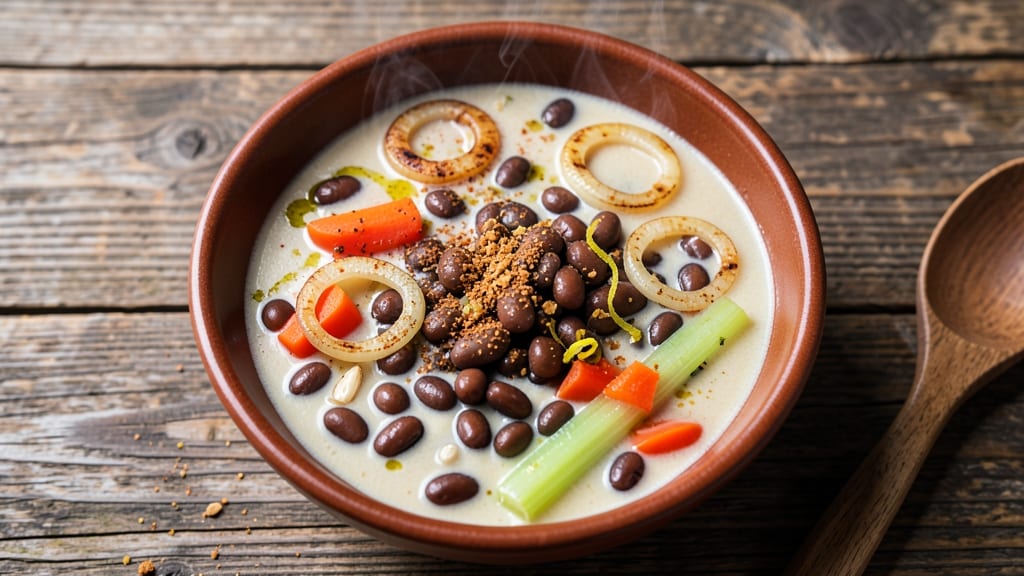
This Buckeye Beans Soup Recipe transforms humble dried beans into a rich, smoky masterpiece—perfect for chilly evenings when you crave hearty comfort. 💛 The secret lies in roasting the beans first, which deepens their earthy flavor and creates that signature smoky depth without any shortcuts.
I developed this recipe after years of testing different techniques, and it consistently delivers a soup that's both restaurant-worthy and deeply satisfying.
The process starts with a dry roast of the beans, which caramelizes their natural sugars and intensifies their flavor profile. This step alone makes the difference between ordinary bean soup and something extraordinary.
Once roasted, the beans simmer gently with aromatic vegetables, herbs, and spices until everything melds into a velvety, flavorful broth. The result is a soup that's rich in texture and packed with savory notes.
What you'll end up with is a smoky roasted base that coats every spoonful, balanced by tender beans and a broth so flavorful it tastes like it's been simmering all day.
The earthy depth comes from the roasted beans, while the smokiness adds complexity that elevates this dish beyond your typical bean soup. It's the kind of meal that feels like a warm hug on a cold day.
This recipe scales beautifully for feeding a crowd, and the leftovers reheat just as well as the first serving. Pair it with crusty bread to soak up every last drop of that rich broth.
Let's get started on creating this hearty, flavorful masterpiece that will become a staple in your kitchen.
Ingredients for buckeye bean soup
Sixteen ingredients for a soup that tastes like a warm hug on chilly evenings.
| Ingredient | Amount | Notes |
|---|---|---|
| Dried Navy Beans 🌱 | 2 cups | Unsoaked, dry roasted first |
| Yellow Onion 🧅 | 1 whole | Medium, chopped |
| Carrot 🥕 | 3 whole | Medium, chopped |
| Celery Stalks 🌿 | 3 whole | Medium, chopped |
| Garlic Cloves 🧄 | 4 cloves | Fresh, minced |
| Smoked Paprika 🌶️ | 1 tbsp | For signature smokiness |
| Ground Cumin 🌿 | 1 tsp | Toasted for depth |
| Bay Leaves 🍃 | 2 whole | Fresh or dried |
| Chicken Broth 💧 | 6 cups | Low-sodium preferred |
| Tomato Paste 🍅 | ½ cup | Smooth, not chunky |
| Olive Oil 🫒 | ¼ cup | Extra-virgin for richness |
| Salt 🧂 | 1 ½ tsp | Kosher or sea salt |
| Black Pepper 🌶️ | ½ tsp | Freshly ground |
| Fresh Thyme 🌿 | 2 tbsp | Leaves only, chopped |
| Crusty Bread 🍞 | 6 slices | For serving |
The beans are the heart of this soup, and dry roasting them first is non-negotiable. Grab a heavy-bottomed pot and toast the beans over medium heat until they're fragrant and just starting to brown—about 10 minutes. Bob Red Mill or Arrowhead Mills dried beans work perfectly, but any good-quality navy beans will do. The roasting step caramelizes their natural sugars, giving that signature smoky depth. If you're short on time, you can skip the roast, but trust me—it's worth the extra 10 minutes. The onion, carrot, and celery form the aromatic base, so don't skimp on chopping them finely for even flavor distribution.
No smoked paprika? Substitute liquid smoke at half the amount, but it won't be quite the same. Fresh thyme is ideal, but dried works at one-third the quantity. The tomato paste can be swapped for 1 cup crushed tomatoes if you prefer a chunkier texture. For a vegetarian version, replace the chicken broth with vegetable broth. The olive oil is key here—use extra-virgin for richness, but any good-quality oil will work. If you're making this ahead, the roasted beans can be stored in an airtight container for up to 1 week before cooking, but they'll lose some of their caramelized punch.
This soup tastes even better the next day as the flavors meld together. Store leftovers in an airtight container in the fridge for up to 5 days, or freeze for 3 months. I always make a double batch because it reheats beautifully and pairs perfectly with that crusty bread. For serving, toast the bread slices until golden and crispy—perfect for soaking up every last drop of that rich, smoky broth. The leftovers make fantastic lunches, so portion them out while still warm for the best texture.
Why You'll Love This Recipe
- No-Soaking Needed: I’ll be real—soaking beans used to stress me out. This soup skips it entirely, and the dried navy beans still turn out tender and rich. Just toss them in with the veggies, and let the slow simmer do the work.
- Garlic-Carrot Magic: That crisp-tender carrot and celery combo with the roasted garlic? It’s where this soup gets its soul. The onions caramelize just enough to add depth, but the garlic—oh, the garlic—takes it from good to dangerously addictive.
- Lunchbox Hero: Between us, this is my go-to for meal prep. The flavors only get better the next day, and it reheats like a dream. Pack it cold for work or stash it in the fridge for a no-fuss dinner—no one will guess it’s just beans and veggies.
- Pocketbook Victory: A pound of dried navy beans and a few fresh veggies feed four for under $5. Honestly, it’s the kind of recipe that makes me feel like I’m winning at life—especially when I’m stretching a grocery budget.
Step-by-step instructions for smoky roasted bean soup
Here's how to build rich, smoky flavor from the ground up.
🔥 Step 1: Roast the Vegetables for Deep Flavor
Preheat your oven to 400°F and line a large baking sheet with parchment paper. Spread the chopped yellow onion, carrot, and celery stalks in a single layer. Drizzle with 2 tablespoons of the olive oil and toss to coat evenly.
In a small bowl, mix together the smoked paprika, ground cumin, 1 teaspoon of the salt, and ½ teaspoon of the black pepper. Sprinkle this spice blend evenly over the vegetables and toss again. Roast for 25-30 minutes, stirring once halfway, until the vegetables are deeply caramelized and fragrant.
Real talk: this roasting step transforms ordinary vegetables into flavor bombs. You'll smell that smoky aroma filling your kitchen—that's the foundation of your soup's depth.
👨🍳 Step 2: Dry Toast the Navy Beans
While the vegetables roast, spread the 2 cups dried navy beans on another baking sheet. Toast them in the same 400°F oven for 15-20 minutes, stirring every 5 minutes, until they're fragrant and slightly darkened. This step removes raw flavors and creates a nutty base.
Don't skip this—raw beans taste beany and harsh. The toasting develops their natural sweetness and prepares them to absorb all that smoky flavor. When they smell amazing (like toasted nuts), they're ready.
Transfer the toasted beans to a large pot with the roasted vegetables. Add the minced garlic cloves, chopped fresh thyme, and bay leaves. Stir everything together and let it sit for 5 minutes while you prepare the next components.
🍳 Step 3: Build the Rich Base
Add the 6 cups chicken broth and ½ cup tomato paste to the pot. Stir well to combine, then bring to a boil over medium-high heat. Once boiling, reduce heat to medium-low and add the remaining ¼ cup olive oil.
Here's the thing—adding the oil at this stage creates an emulsified base that prevents the soup from separating. The tomato paste will give you that subtle sweetness that balances the smoky flavors perfectly.
Add the remaining ½ teaspoon salt and ¼ teaspoon black pepper. The soup should simmer gently, with small bubbles breaking the surface. If it reduces too quickly, add ½ cup water to maintain the proper consistency.
⏰ Step 4: Simmer Until Tender and Flavorful
Cover the pot and let the soup simmer for 1 hour to 1 hour 15 minutes, stirring occasionally. The beans are done when they're fork-tender with just a slight bite remaining. You'll know they're ready when they hold their shape but aren't mushy.
I check doneness by tasting a bean and ensuring it's tender but still has some texture. Overcooking turns beans to mush, which ruins the soup's texture. If you're worried about burning, skim any foam that rises to the surface during simmering.
About 15 minutes before the beans are done, taste the soup and adjust seasoning if needed. You might need a touch more salt or a splash of lemon juice to brighten the flavors.
🥘 Step 5: Finish and Serve
Remove the bay leaves from the soup. Using an immersion blender, carefully blend about half of the soup until smooth while keeping the other half chunky. This creates an interesting texture contrast in each bowl.
Ladle the soup into bowls and serve immediately with the 6 slices crusty bread on the side. The bread helps soak up all that rich, smoky goodness. I like to sprinkle each serving with a pinch of smoked paprika right before eating for that extra kick of flavor.
This soup tastes even better the next day as the flavors continue to meld. Store leftovers in the refrigerator for up to 5 days or freeze for 3 months. Reheat gently on the stove with a splash of broth to restore the perfect consistency.
Pro Tips For Making Buckeye Bean Soup
- SOAK BEANS OVERNIGHT: I learned this the hard way—rushing the soak with navy beans leads to tough, mealy results. Use 6 cups of water per cup of beans, cover, and let them sit 12+ hours. No need to cook them longer afterward; they’ll soften perfectly.
- CHOP VEGETABLES UNIFORM: Skip the random dice—aim for ¼-inch pieces for onion, carrot, and celery. Even sizing means everything cooks at the same pace, so you’re not left with a mushy carrot or a crunchy celery stalk. (Yes, even if you’re impatient like me.)
- USE HIGH HEAT FOR STARTER: Let the soup scream in the pot for 5 minutes after adding beans and broth. This bursts the skins and chases off any funky flavors hiding in the dried beans. Then, dial it down—no need to simmer like a nervous parent.
- SALT THE WATER: Add 1 tablespoon of salt to the soaking water (and another ½ teaspoon when cooking). Navy beans absorb flavor like a sponge, and skipping this step leaves them bland. Trust me, your soup will taste richer without extra seasoning later.
Flavor customization for buckeye bean soup
Smoky Heat Boost
For an extra kick, add ½ teaspoon cayenne pepper to the roasted vegetable spice blend. This amplifies the smoky depth while adding a subtle heat that lingers beautifully. I've found that Penzeys brand cayenne has the perfect balance of heat and flavor.
If you prefer a milder heat, use ½ teaspoon smoked chili powder instead—it adds warmth without overpowering. 🌶️
Creamy Comfort Twist
Transform this soup into a creamy version by stirring in ½ cup heavy cream or ½ cup Greek yogurt during the final 10 minutes of simmering. This adds a luxurious texture that pairs perfectly with the smoky flavors.
For a vegan option, use ½ cup coconut milk instead. The creaminess balances the earthy beans beautifully, making it feel like a cozy hug in a bowl.
Herb Variations
Swap out the thyme for other herbs to create different flavor profiles. Try 1 tablespoon fresh rosemary for an earthy, piney note that complements the smokiness. Or add 1 tablespoon fresh parsley at the end for a bright, fresh finish.
I also love adding ½ teaspoon dried oregano to the roasted vegetable spice blend for a Mediterranean twist that enhances the overall depth.
Vegetable Add-Ins
Customize your soup with seasonal vegetables. Add 1 diced sweet potato during the roasting step for natural sweetness, or stir in 1 cup chopped kale during the final 10 minutes of simmering for a nutrient boost.
For a heartier version, include ½ cup diced bell peppers with the initial roasted vegetables. These additions add texture and color while keeping the soup's signature smoky flavor intact.
Protein Upgrades
Turn this into a complete meal by adding protein. Stir in 1 cup cooked shredded chicken or ½ cup crumbled bacon during the final 10 minutes of simmering. For a vegetarian option, add 1 cup cooked lentils or ½ cup chickpeas during the same time.
These additions make the soup even more satisfying and balanced. The bacon adds a smoky, salty depth that pairs perfectly with the roasted beans. 💪
Acid Brightener
Finish your soup with a splash of acidity to cut through the richness. Add 1 tablespoon lemon juice or 1 teaspoon apple cider vinegar during the final 5 minutes of simmering. This brightens the flavors and adds a refreshing contrast.
For a tangy twist, stir in 1 tablespoon hot sauce at the end. These finishing touches elevate the soup from hearty to extraordinary.
Nutrition facts
Frequently asked questions
Why do we roast the beans and vegetables first?
The roasting step is what creates that signature smoky depth and caramelized flavor. When you toast the beans and vegetables, their natural sugars concentrate, creating a nutty, toasted aroma that transforms ordinary beans into something extraordinary. This technique also removes any raw, beany flavors that can make homemade bean soup taste harsh.
Can I use canned beans instead of dried?
You can, but you'll miss out on that deep, toasted flavor. If you must use canned beans, drain and rinse them well, then add them to the pot after simmering for 30 minutes (instead of the full 1 hour to 1 hour 15 minutes). For best results, try dry roasting canned beans in a dry skillet for 5 minutes before adding them to build some toasted flavor.
How do I make this soup vegetarian?
Simply replace the chicken broth with vegetable broth and add extra umami with 1 tablespoon soy sauce or ½ cup tomato paste. For protein, stir in 1 cup cooked lentils or ½ cup chickpeas during the final 10 minutes of simmering. The smoky roasted base will still shine through beautifully.
What if my soup is too thick?
If your soup is too thick after simmering, simply add ½ cup hot broth (chicken or vegetable) at a time, stirring well between additions. The soup should have a creamy but spoonable consistency—like a rich stew. If it's still too thick, blend half of it for a silky texture while keeping the other half chunky for contrast.
Can I make this soup in a slow cooker?
Follow the same roasting steps for beans and vegetables, then transfer everything to your slow cooker. Add the broth and tomato paste, then cook on low for 6-7 hours or high for 3-4 hours. The low-and-slow method enhances the flavors beautifully, making it perfect for busy days. Just stir in any fresh herbs at the end.