
Soups & Stews
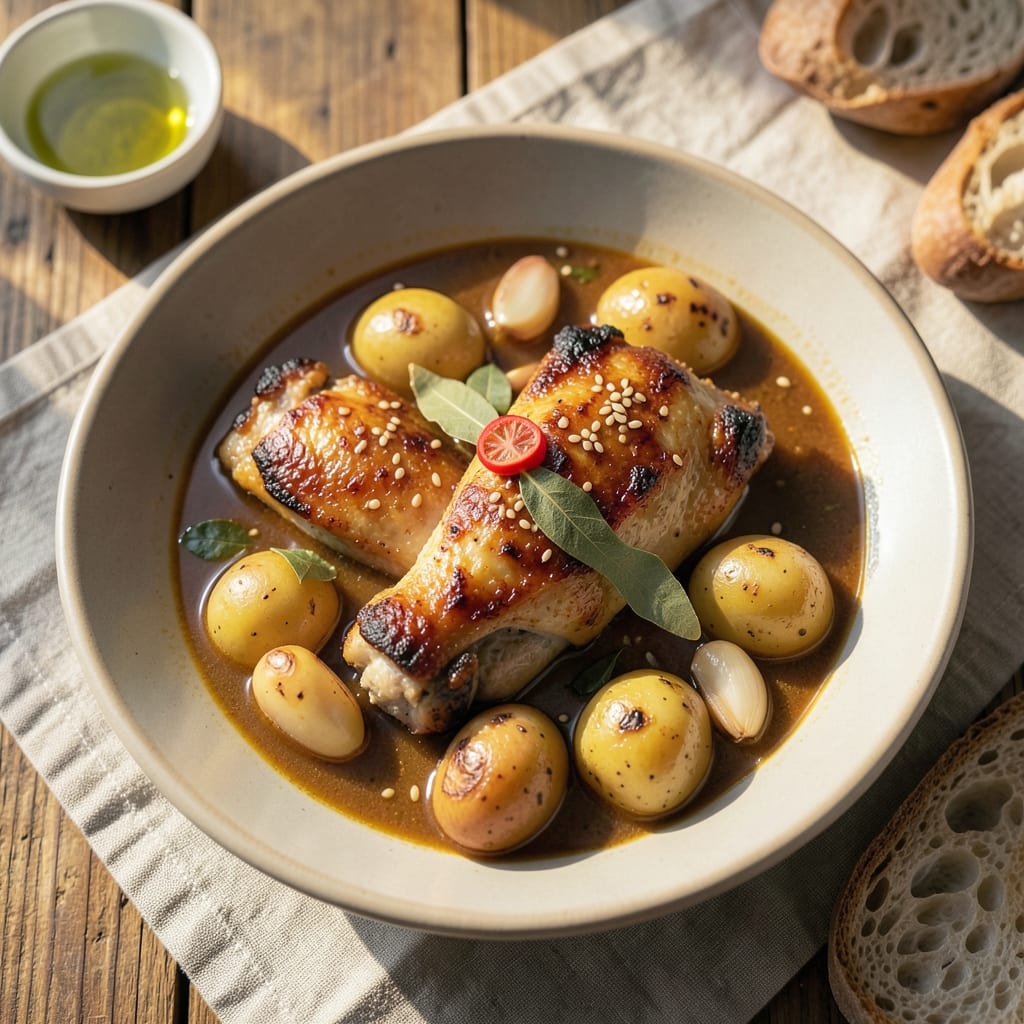
This Filipino adobo soup recipe delivers the perfect balance of tangy, savory, and umami flavors that define Filipino comfort food. The secret lies in the slow braising of chicken with soy sauce, vinegar, and aromatic spices, creating a rich broth that's both comforting and deeply flavorful. What makes this dish special is how the vinegar tenderizes the meat while preserving its natural juiciness, and the soy sauce adds that signature depth that makes adobo irresistible.
The beauty of this recipe is in its simplicity—just a handful of ingredients transform into a restaurant-quality meal. You'll start with chicken pieces simmered in a mixture of soy sauce and vinegar, then build layers of flavor with garlic, bay leaves, and potatoes that absorb the broth beautifully. The slow cooking process ensures the chicken becomes fork-tender while the broth develops a rich, caramelized depth that's hard to resist.
By the time you're done, you'll have a steaming bowl of adobo soup with tender chicken pieces, perfectly cooked potatoes, and a broth so flavorful it'll make you want to savor every spoonful. The tangy-savory balance is what makes this dish so addictive, and the aroma alone will have everyone gathered around your table. This is the kind of meal that feels like a warm hug on a chilly day.
The best part? This recipe is incredibly versatile—you can easily swap chicken for pork or even fish to create different variations. Whether you're making it for a family dinner or meal prepping for the week, this adobo soup is sure to become a staple in your cooking repertoire. Let's get started on creating this timeless Filipino classic.
Ingredients for adobo soup
Just 12 ingredients transform into the soul-warming Filipino adobo you crave.
| Ingredient | Amount | Notes |
|---|---|---|
| Chicken Thighs, Bone-In 🍗 | 1 ½ lb | Skin-on preferred for flavor |
| Soy Sauce 🍶 | ½ cup | High-quality, preferably Filipino |
| White Vinegar 🍶 | ¼ cup | White or cane vinegar |
| Garlic Cloves 🧄 | 6 cloves | Minced for even distribution |
| Bay Leaves 🍃 | 2 whole | Dried works fine |
| Russet Potatoes 🥔 | 2 medium | Peeled, cut into chunks |
| Olive Oil 🫒 | 2 tbsp | For initial searing |
| Onion, Yellow 🧅 | 1 whole | Diced, medium size |
| Salt 🧂 | 1 tsp | Kosher or sea salt |
| Black Peppercorns 🌶️ | ½ tsp | Crushed for texture |
| Green Onions 🧅 | 3 whole | Sliced, for garnish |
| Fresh Ginger 🌿 | 1 inch | Peeled, sliced thin |
The chicken is everything here—bone-in thighs stay juicier than breasts. Look for good marbling at the store, and if you can't find bone-in, skin-on works too. For soy sauce, Filipino brands like Silver Swan or Datu Puti elevate the flavor, but any good-quality soy sauce does the trick. Vinegar is non-negotiable—white or cane vinegar both work, but avoid apple cider vinegar (it's too fruity). The potatoes should be medium-sized so they cook through without turning to mush. I always grab Russet potatoes from the store's organic section—they're waxier and hold up better.
No Filipino soy sauce? Japanese soy sauce works in a pinch, but it's less sweet. Fresh ginger missing? Ground ginger at half the amount gets you close. The green onions can be swapped for chives or scallions if that's what you've got. For extra depth, add 1 tbsp fish sauce (if you're okay with it) or 1 tsp oyster sauce for umami. The garlic can be minced with a knife or pressed through a garlic press—both work, but pressing gives you more even distribution. If you're meal prepping, double the recipe—it reheats even better the next day.
This soup tastes better the next day as the flavors meld. Store leftovers in the fridge for 4-5 days or freeze for 3 months. I always portion mine into glass containers so I can reheat just what I need. The broth reduces slightly when reheated, so add a splash of water if it gets too thick. For serving, I like to garnish with extra green onions and a drizzle of soy sauce—simple but makes it feel special.
Why You'll Love This Recipe
- Foolproof Simplicity: I swear by this recipe because it’s the kind of dish where you can almost multitask—just brown the chicken, toss in the vinegar and soy, and let it simmer while you handle the rest. No fancy techniques, no last-minute grocery runs.
- Umami Magic: That tangy-savory punch from the vinegar and soy? It’s ridiculously addictive, especially when the garlic and bay leaves meld into the chicken. The bone-in thighs stay juicy, and the broth? Deep, rich, and impossible to resist.
- Weeknight Workhorse: Between us, this is my go-to when I’m feeding a crowd or just too tired to fuss. It reheats like a dream, serves as a base for rice bowls, or even pairs perfectly with a simple salad. Honestly, I’ve made it for everything from lazy Sundays to post-gym refuels.
- Budget-Friendly Powerhouse: Bone-in chicken thighs stretch for days, and the pantry staples (soy, vinegar, garlic) won’t break the bank. I’ve turned a single batch into three meals—soup, fried rice, even a quick stir-fry. Not the prettiest, but the taste makes up for it every time.
Step-by-step instructions for Filipino adobo soup
Here's how to create a rich, tangy adobo that balances sweet, salty, and sour flavors perfectly.
Sear the Chicken for Deep Flavor
Heat a large pot or Dutch oven over medium-high heat until hot. Add the 2 tablespoons olive oil and let it shimmer for 30 seconds—this ensures proper searing without burning. Working in batches if needed, add the 1.5 pounds chicken thighs, bone-in, skin-side down. Let them sear undisturbed for 4-5 minutes until golden brown and crispy.
I press down gently on the chicken during the first minute—this prevents it from curling and ensures even contact with the pan. Flip the chicken and sear the other side for another 3-4 minutes. Remove the chicken and set it aside. Don't wipe out the pot yet—the browned bits are pure flavor. You'll notice the chicken releases easily when it's ready to flip, and the skin should be golden with some crispiness.
Build the Adobo Base with Aromatics
In the same pot, add the 1 whole yellow onion, diced and 1 inch fresh ginger, sliced thin. Cook over medium heat for 5 minutes, stirring occasionally, until the onion softens and becomes translucent. Add the 6 cloves garlic cloves, minced and 0.5 teaspoon crushed black peppercorns, cooking for another 1 minute until fragrant.
Here's the thing—don't rush this step. The aromatics should sizzle and release their oils before you add liquids. You'll smell that wonderful garlic-ginger-onion perfume filling your kitchen, which means you're on the right track. If the onions start to brown too quickly, reduce the heat slightly to medium-low to prevent burning.
Braise with Vinegar and Soy Sauce
Pour in the 0.5 cup soy sauce and 0.25 cup white vinegar, scraping up all those delicious browned bits from the bottom of the pot. Add 1 teaspoon salt and bring the mixture to a boil over high heat. Once boiling, return the chicken to the pot, skin-side up, along with the 2 whole bay leaves.
Reduce heat to low and cover partially with a lid. Simmer for 25 minutes, turning the chicken occasionally to ensure even cooking. The liquid should reduce slightly, creating a glossy, flavorful sauce. You'll see the chicken skin become tender and the meat pull away from the bone slightly—this is your visual cue that the chicken is nearing completion.
Add Potatoes and Finish Cooking
After 25 minutes, add the 2 medium russet potatoes, peeled and cut into chunks to the pot. Increase heat to medium-low and simmer uncovered for another 20-25 minutes, or until the potatoes are fork-tender and the chicken reaches an internal temperature of 165°F.
I check doneness by piercing the thickest part of a chicken thigh with a meat thermometer—it should read 165°F at the center. The potatoes should be soft when pierced with a fork, and the sauce should have thickened slightly. If the sauce becomes too thin during cooking, you can reduce it further by simmering uncovered for a few extra minutes.
Garnish and Serve
Remove the chicken from the pot and let it rest on a cutting board for 5 minutes. Discard the bay leaves and transfer the potatoes to a serving bowl. Pour the adobo sauce over the potatoes and stir gently. Slice the chicken thighs and arrange them over the potatoes.
Garnish with the 3 whole green onions, sliced and serve immediately. The chicken should be tender with crispy skin, the potatoes perfectly cooked, and the sauce rich with that characteristic adobo tang. Each bite should deliver a perfect balance of vinegar's sharpness, soy sauce's umami depth, and the natural flavors of the chicken and vegetables.
Pro Tips For Making Adobo Soup
- CRISP THE SKIN FIRST: Pat the chicken thighs bone-side down on a dry skillet over medium-high heat for 4-5 minutes before adding liquid. I learned this the hard way—skipping this step leaves you with rubbery skin and a soup that tastes like it’s missing something. The Maillard reaction here makes a real difference, even if you’re not a crisp purist.
- MINCE GARLIC LIKE YOU MEAN IT: No, "chopped" isn’t enough—smash those garlic cloves with the flat side of your knife first, then mince into a paste. I was skeptical until I tried it: the soup develops a deeper, more complex flavor because the garlic infuses faster and doesn’t just sit as chunks at the bottom. (Yes, it’s extra work, but your future self will notice.)
- DILUTE THE VINEGAR: Mix the white vinegar with an equal part water before adding it to the pot. Straight vinegar can curdle the chicken fat and make the broth taste harsh—like someone dumped a whole bottle in there. A 50/50 split keeps the tang sharp but balanced, especially if you’re using cheaper vinegar.
- LOW AND SLOW AFTER BOIL: Once the liquid reaches a boil, drop the heat to a gentle simmer—you should see tiny bubbles, not a rolling frenzy. I used to let it boil hard for hours, thinking more heat = faster cooking, but it just turns the chicken tough and the broth cloudy. Patience here guarantees tender meat and a clearer, richer soup.
Health benefits of these flavors
Protein Powerhouse
This adobo soup packs a serious protein punch with 1.5 pounds of bone-in chicken thighs, delivering about 40 grams of protein per serving. The bone-in pieces add flavor and nutrients like collagen, which supports joint health. Plus, chicken thighs are more budget-friendly than breasts while staying juicy through the long braising process. 💪
Digestive Benefits
The combination of ginger and vinegar in this soup makes it surprisingly gentle on digestion. Ginger aids in reducing nausea and bloating, while the vinegar helps break down proteins for easier digestion. The bay leaves add a subtle earthy note that also supports digestive health. I always notice how this soup settles my stomach after heavy meals.
Rich in Antioxidants
Both soy sauce and vinegar contain antioxidants that help combat oxidative stress in your body. The soy sauce provides isoflavones, while vinegar contains acetic acid that may help regulate blood sugar. The garlic and onions contribute additional antioxidants like allicin and quercetin. Together, these ingredients create a flavorful dish that's also working to protect your cells.
Bone-Strengthening Minerals
Chicken thighs are an excellent source of phosphorus and calcium, essential minerals for maintaining strong bones. The potatoes add potassium, which works with these minerals to support bone density. This makes adobo soup particularly beneficial for growing children or anyone looking to maintain bone health as they age.
Low-Calorie Comfort
Despite its rich, satisfying flavors, this soup is surprisingly light on calories—about 350-400 calories per serving. The vinegar and broth keep it from feeling heavy, while the protein and fiber from vegetables keep you full for hours. It's the perfect comfort food that won't leave you feeling sluggish afterward. ✨
Vitamin Boost
You'll get a good dose of vitamin B6 from the chicken, which supports brain function and energy production. The potatoes provide vitamin C and potassium, while the green onions add vitamin K for blood clotting and bone health. This nutrient-packed soup is essentially a one-bowl meal that covers multiple nutritional bases. 🌱
Nutrition facts
Frequently asked questions
Can I use chicken breasts instead of thighs for this adobo soup?
Chicken breasts will work, but they're more prone to drying out during the long braising time. If you must use them, cut them into 1-inch thick pieces and reduce the cooking time to 15-20 minutes after adding potatoes. For best results, marinate the breasts in 1 tablespoon soy sauce and 1 tablespoon vinegar for 30 minutes before cooking to help retain moisture.
What can I substitute if I don't have white vinegar?
Cane vinegar works perfectly as a 1:1 substitute. For a milder tang, use apple cider vinegar but reduce to 2 tablespoons (it's less acidic). Avoid balsamic vinegar—it's too sweet and will alter the flavor profile. The key is the acidity, so any vinegar will work as long as you adjust the amount to taste.
How do I make this soup less tangy?
Reduce the vinegar to 2 tablespoons and increase the soy sauce to ⅔ cup. You can also add 1 tablespoon sugar or 1 teaspoon honey to balance the acidity. For a smoother flavor, simmer the soup uncovered for an extra 10 minutes to let some of the vinegar's sharpness mellow out.
Can I make this soup in an Instant Pot?
Yes! Sauté the chicken, aromatics, and soy sauce as directed. Then add ½ cup vinegar, 1 cup water, and 1 teaspoon salt. Cook on high pressure for 12 minutes, then quick-release. Add potatoes and cook on high pressure for 5 minutes more. The Instant Pot version cooks 40% faster but may need a splash of water if the sauce is too thick.
What's the best way to reheat leftover adobo soup?
Reheat gently on the stovetop over low heat until just warm—this prevents the sauce from curdling. If it thickens too much, add 1-2 tablespoons water or broth to restore the original consistency. Microwave reheating works in 1-minute intervals on 50% power, stirring between each interval to distribute heat evenly.