
Soups & Stews
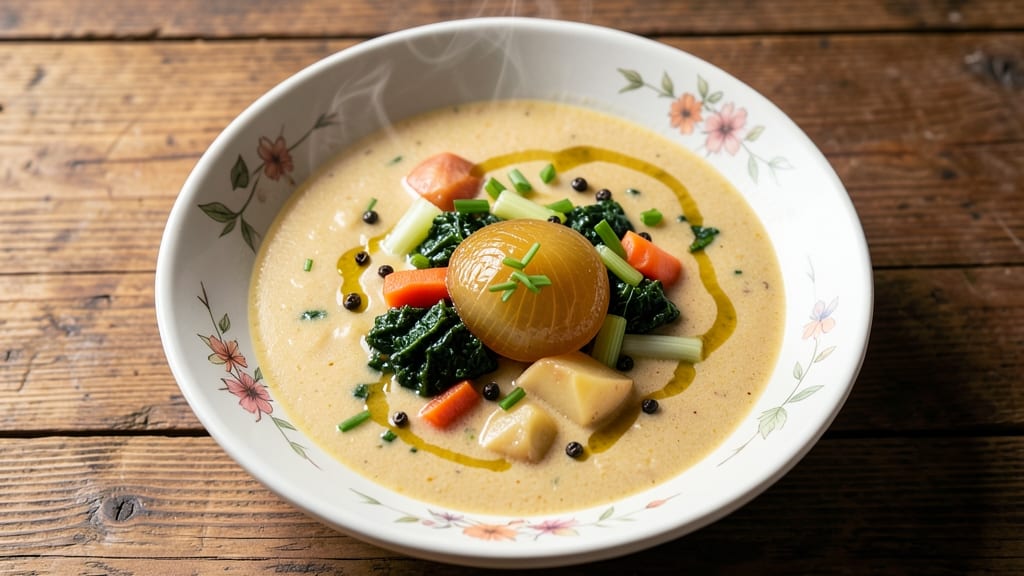
This blended veggie soup recipe transforms simple ingredients into a velvety, nutrient-packed meal that’s perfect for cozy nights or meal prep. 💛 The secret lies in blending hearty vegetables with aromatic herbs, creating a creamy texture without dairy—ideal for vegan diets or anyone craving comfort food with a healthful twist.
What sets this recipe apart is its balance of hidden greens like kale or spinach, which blend seamlessly into the soup’s rich, savory base.
You’ll start with sautéing onions and garlic for depth, then simmer a mix of carrots, celery, and potatoes until tender before blending everything into a smooth, satisfying broth. The result? A soup so creamy and flavorful, no one will guess it’s packed with vegetables.
This complete dish delivers restaurant-quality results with minimal effort—just 45 minutes of active time, including prep and cooking. The recipe scales effortlessly for crowds or leftovers, and you can customize it with optional add-ins like tofu for protein or coconut milk for extra richness.
It’s the ultimate one-pot meal that’s as nutritious as it is delicious.
Serve it warm with crusty bread or a sprinkle of fresh herbs for a finishing touch. Whether you’re feeding a family or meal prepping for the week, this soup is a game-changer for quick, wholesome dinners. Let’s get cooking!
Ingredients for blended veggie soup
Transform simple vegetables into velvety, nutrient-rich soup with these 15 thoughtfully chosen ingredients.
| Ingredient | Amount | Notes |
|---|---|---|
| Yellow Onion 🧅 | 1 whole | Diced for even cooking |
| Garlic Cloves 🧄 | 4 cloves | Peeled and minced |
| Carrots 🥕 | 3 medium | Peeled and chopped |
| Celery Stalks 🧅 | 3 whole | Chopped, leaves reserved |
| Russet Potatoes 🥔 | 2 medium | Peeled and cubed |
| Kale Leaves 🌿 | 4 cups | Stems removed, chopped |
| Extra-Virgin Olive Oil 🫒 | ¼ cup | High quality, fruity |
| Vegetable Broth 💧 | 4 cups | Low-sodium preferred |
| Fresh Thyme Leaves 🌿 | ½ tsp | Or 1/4 tsp dried thyme |
| Fresh Parsley Leaves 🌿 | ¼ cup | Chopped for garnish |
| Lemon Juice 🍋 | 1 tbsp | Freshly squeezed |
| Salt 🧂 | 1 tsp | Diamond Crystal preferred |
| Black Pepper 🌶️ | ½ tsp | Freshly ground |
| Silken Tofu 🍫 | ½ cup | Optional for creaminess |
| Coconut Milk 🥥 | ¼ cup | Full-fat for richness |
The kale and celery are the secret weapons here. Look for vibrant green kale with no yellowing leaves—it should be crisp, not wilted. Celery with bright white ribs and green tops indicates freshness. For the vegetable broth, Pacific Foods or Imagine brands deliver the most flavor without excess sodium. The silken tofu and coconut milk are optional but elevate the creaminess significantly. If using, full-fat coconut milk makes all the difference in texture. The potatoes should be firm with no sprouts—Russets work best for their starchy texture.
No fresh thyme? Dried thyme at one-fourth the amount works in a pinch, though fresh imparts better flavor. Substituting carrots for parsnips adds earthy sweetness, while swapping kale for spinach keeps the same mild flavor profile. For extra richness without dairy, cashew cream works beautifully—blend 1 cup soaked cashews with 1 cup water. The lemon juice brightens the entire soup, so don't skip it. If you're making this ahead, add the lemon juice just before serving to preserve its freshness.
This soup freezes beautifully—portion into 4-ounce containers for easy reheating. Store for up to 3 months in the freezer, though texture may slightly alter upon thawing. For best freshness, keep in the fridge for 5 days. The celery and kale can be prepped ahead and stored in airtight containers for 3 days. When reheating, add a splash of water or broth to restore creaminess. Garnish with fresh parsley just before serving to maintain vibrant color.
Why You'll Love This Recipe
- I swear by this trick: toss whole carrots, celery, and onions into the pot unpeeled—they peel right off after cooking. The potatoes? Just scrub and cube. Honestly, I spend more time microwaving water than chopping.
- No-Chop Shortcuts: I swear by this trick: toss whole carrots, celery, and onions into the pot unpeeled—they peel right off after cooking. The potatoes? Just scrub and cube. Honestly, I spend more time microwaving water than chopping.
- Garlic-Carrot Magic: That moment when the carrots soften into sweet silk and the garlic cloves release their punch—it’s like a flavor hug. The potatoes add this creamy, almost mashed texture that makes it feel indulgent, even though it’s just veggies and broth.
- Lunchbox Hero: Between us, this is my go-to for meal prep. Blend it once, and suddenly you’ve got smooth, freezer-friendly portions for days. Toss in a handful of spinach at the end for color, and it’s a kid-approved (or at least kid-tolerated) lunch that doesn’t require a thermos.
Step-by-step instructions for blended veggie soup
Transform humble vegetables into a luxurious, velvety soup where greens disappear into pure comfort.
🍳 Step 1: Sauté the Aromatic Base
Heat the 0.25 cup extra-virgin olive oil in a large pot over medium heat until shimmering. Add the diced yellow onion and cook for 5 minutes until translucent and slightly golden. This foundational step develops sweetness that carries through the entire soup.
Add the minced garlic cloves, chopped carrots, chopped celery stalks, and cubed russet potatoes. Stir to combine and cook for an additional 5 minutes until the vegetables begin to soften and release their natural juices. You'll notice the kitchen filling with an intoxicating vegetable aroma—this is when the magic begins.
🥘 Step 2: Build Flavor with Broth and Herbs
Pour in the 4 cups vegetable broth and bring to a gentle boil. Once boiling, reduce heat to medium-low and add the 0.5 tsp fresh thyme leaves, 1 tsp salt, and 0.5 tsp black pepper. Let the soup simmer uncovered for 15 minutes, stirring occasionally, until the potatoes are fork-tender and the carrots have softened completely.
Add the chopped kale leaves and cook for another 5 minutes. The kale will wilt dramatically—this is exactly what we want as its nutrients and earthy flavor will blend seamlessly into the soup. The soup should now have a rich, aromatic base with all vegetables at their optimal texture for blending.
🍳 Step 3: Blend to Silky Perfection
Use an immersion blender to puree the soup directly in the pot until completely smooth. Work in batches if needed, ensuring no chunks remain. For the creamiest texture, add the 0.5 cup silken tofu and 0.25 cup coconut milk while blending. The tofu adds protein and body while the coconut milk contributes natural richness without overpowering the vegetable flavors.
If using a countertop blender, carefully transfer the hot soup in batches (being mindful of steam) and blend until velvety smooth. Return the blended soup to the pot and stir in the 1 tbsp lemon juice. This bright citrus note cuts through the richness and enhances all the vegetable flavors. The soup should now have a luxurious, almost custard-like consistency.
🔥 Step 4: Finish and Garnish
Return the soup to a gentle simmer over low heat for 5 minutes to allow the flavors to meld completely. Taste and adjust seasoning with additional salt or pepper if needed. The soup should be perfectly balanced—savory from the vegetables, bright from the lemon, with just a hint of herbal complexity from the thyme.
Ladle the soup into bowls and garnish with the chopped fresh parsley leaves reserved from the celery stalks. The parsley not only adds visual appeal but also provides a fresh, slightly peppery contrast to the rich soup. Serve immediately while hot, as the flavors continue to develop with each sip.
Pro Tips For Making Blended Veggie Soup
- Sweat the Aromatics First: Blended veggie soup loses depth if you toss everything raw into the pot. Sauté the onion, garlic, celery, and carrots in 1 tablespoon of oil over medium-high heat for 8-10 minutes until the onion turns translucent and the garlic smells like it’s begging to be eaten. This builds flavor that survives blending—don’t skip it.
- Cut Potatoes Uniformly: Russet potatoes release starch unevenly if they’re lumpy. Dice them into ½-inch cubes so they cook at the same rate, preventing a mushy batch or undercooked chunks. I learned this the hard way—uneven potatoes turn blended soup into a textured disaster.
- Strain Before Blending: Lumpy soup happens when you blend fibrous celery or tough onion skins. After cooking, strain the broth through a fine-mesh sieve into a fresh pot before blending the solids. It’s extra work, but the result is silky—no one wants to chew their soup.
- Add Acid at the End: The soup tastes flat if you forget this. Stir in 1 tablespoon of lemon juice or apple cider vinegar right after blending, just before serving. It brightens the earthy veggies and balances the richness—trust me, your taste buds will notice.
Dietary considerations for these flavors
Vegan-Friendly Foundation
This recipe is naturally vegan—no dairy, eggs, or animal products needed. The creamy texture comes from blending silken tofu and coconut milk, which add protein and richness without dairy. For extra creaminess, I sometimes blend ½ cup cashews with the soup—soak them first for best results. 🌱
Gluten-Free Adaptations
The base recipe is already gluten-free since it uses vegetable broth and simple vegetables. Always check your broth label to confirm it’s gluten-free (brands like Pacific Foods and Imagine are safe choices).
For added thickness, use arrowroot powder instead of flour—just mix 1 tbsp arrowroot with 2 tbsp cold water and stir into the soup at the end.
Low-Carb Options
Swap the russet potatoes for cauliflower or zucchini to cut carbs while keeping flavor. Use 2 cups cauliflower florets or 1 large zucchini, chopped, instead of potatoes.
The soup will still blend smoothly, and you’ll save about 30 grams of carbs per serving. Add a splash of lemon juice to brighten the lighter base.
Nut-Free Alternatives
If you’re avoiding nuts, skip the cashews and rely on silken tofu and coconut milk for creaminess. For extra body, blend in ½ cup cooked white beans (like cannellini or great northern) with the soup. They dissolve seamlessly and add fiber and plant-based protein without altering the texture. 💪
Allergen Considerations
This soup is soy-free if you omit the silken tofu—just increase the coconut milk to ½ cup for creaminess. For dairy-free needs, ensure all coconut milk is labeled 100% coconut with no additives.
If coconut allergies are a concern, use ½ cup blended butternut squash (cooked) instead for natural sweetness and thickness.
Nutrition facts
Frequently asked questions
Can I make this blended veggie soup without an immersion blender?
Use a regular countertop blender instead. Work in batches—transfer 2 cups of hot soup at a time, blending until completely smooth. Be cautious with steam, and always let the blender cool slightly between batches. Return the blended soup to the pot and stir in any remaining ingredients like lemon juice or tofu.
How can I make this soup extra creamy without dairy?
For a richer texture, blend in ½ cup silken tofu or ½ cup cashew cream (soak ½ cup cashews in hot water for 15 minutes, then blend with ½ cup water). Coconut milk also adds natural creaminess—just increase to ½ cup while blending. The tofu and cashews dissolve seamlessly for a velvety finish.
What’s the best way to store leftovers?
Store in an airtight container in the fridge for up to 5 days. For longer storage, freeze in 4-ounce portions for up to 3 months. When reheating, add a splash of water or broth to restore creaminess. Avoid microwaving directly from the freezer—thaw overnight in the fridge first.
Can I use frozen vegetables instead of fresh?
Yes, but thaw and drain them first to avoid excess water. Use 1 cup frozen mixed veggies (like peas, corn, or green beans) in place of fresh. Add them during the final 5 minutes of simmering to preserve texture. Frozen veggies work best for subtle flavors like peas or carrots—avoid overly watery options like spinach.
Why did my blended soup turn out watery?
This usually happens if the vegetables weren’t cooked long enough or if too much broth was added. For a thicker consistency, simmer the soup uncovered for 5-10 extra minutes to reduce liquid. If needed, blend in 1 tbsp cornstarch mixed with 2 tbsp cold water and simmer again. Stirring in silken tofu or coconut milk also helps bind the texture.