
Soups & Stews
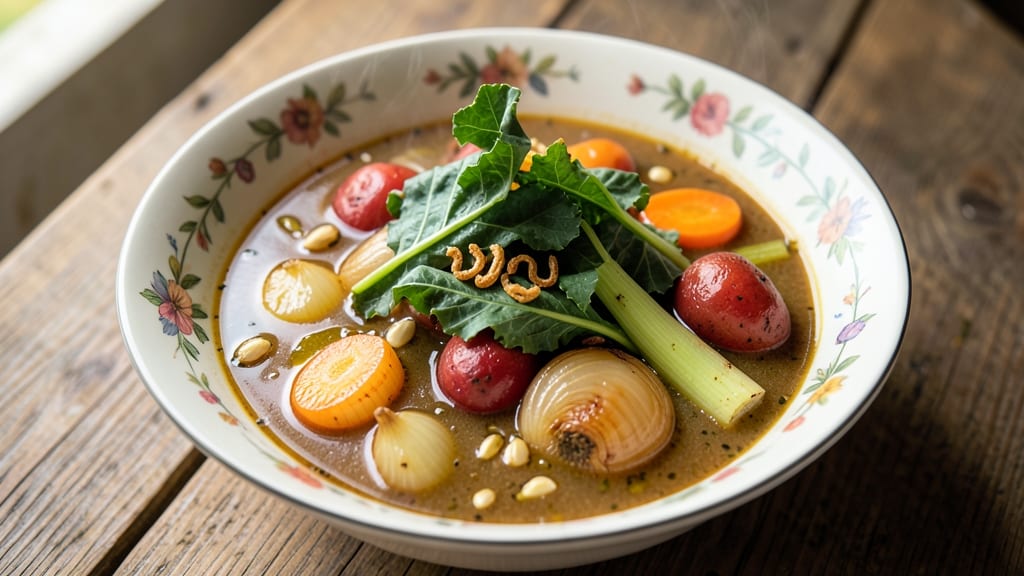
This American bounty vegetable soup brings the essence of harvest season to your table with a hearty blend of seasonal roots and greens. 🌟 The secret lies in slow-simmered flavors that transform simple ingredients into a deeply comforting, protein-rich vegetarian meal.
Perfect for chilly evenings or meal prep, it delivers restaurant-quality depth with minimal effort.
What sets this soup apart is the balance of earthy roots—like carrots and potatoes—and vibrant greens such as kale or spinach, all simmered in a rich, aromatic broth. The key technique?
Building layers of flavor by sautéing onions and garlic until golden before adding the vegetables, ensuring every spoonful is packed with warmth and texture. It’s the kind of soup that feels like a hug in a bowl.
By the time you ladle the first serving, you’ll taste the caramelized onions, the sweetness of the carrots, and the subtle bitterness of the greens—all harmonized by herbs and a touch of creaminess.
It’s hearty enough to stand alone or pair beautifully with crusty bread for dipping. This is comfort food at its finest, made even better by its versatility.
The best part? It reheats beautifully, making it ideal for leftovers or meal prep. Whether you’re feeding a family or treating yourself, this soup proves that vegetarian meals can be just as satisfying as they are nourishing. Let’s get cooking!
Ingredients for american bounty vegetable soup
These seasonal roots and greens create a hearty vegetarian soup that feels like autumn in a bowl.
| Ingredient | Amount | Notes |
|---|---|---|
| Yellow Onions 🧅 | 2 whole | Thinly sliced for caramelization |
| Garlic Cloves 🧄 | 4 cloves | Minced for aromatic base |
| Carrots 🥕 | 3 lb | Medium-sized, peeled and sliced |
| Russet Potatoes 🥔 | 2 lb | Peeled and cubed evenly |
| Celery Stalks 🌿 | 4 whole | Diced for classic mirepoix |
| Kale Leaves 🍃 | 1 lb | Chopped, stems removed |
| Vegetable Broth 💧 | 6 cups | Low-sodium preferred |
| Canned Diced Tomatoes 🍅 | 1 can | San Marzano preferred |
| Fresh Thyme 🌿 | 2 tbsp | Leaves only, chopped |
| Bay Leaves 🌿 | 2 whole | For deep flavor infusion |
| Extra-Virgin Olive Oil 🫒 | ½ cup | For sautéing vegetables |
| Sea Salt 🧂 | 1 ½ tsp | Diamond Crystal preferred |
| Black Peppercorns 🌶️ | ½ tsp | Freshly cracked |
| Heavy Cream 🥛 | ½ cup | For creamy finish |
| Vegetarian Chicken-Free Bouillon 🧂 | 1 cube | For extra depth |
The vegetables are the stars here. Carrots and potatoes should be medium-sized and uniform—Trader Joe's or local farmers markets usually have the best selection. Kale is non-negotiable for that earthy bite, but spinach works in a pinch. Onions and celery form the aromatic base, so don't skip the caramelization step. For the broth, low-sodium vegetable broth keeps the flavors balanced—no need to add extra salt later. The bouillon cube adds that extra layer of richness without any meaty aftertaste.
No kale? Swiss chard or spinach will work, but you'll lose some texture. Running out of thyme? Dried thyme at half the amount gets you close. The heavy cream can be swapped for cashew cream or coconut milk if you prefer a lighter option. For extra protein, toss in white beans or lentils—they soak up the broth beautifully. And if you've got fresh herbs like parsley or cilantro, save some for garnish—it makes all the difference.
This soup tastes even better the next day, so make a big batch. Store in airtight containers for up to 5 days in the fridge or freeze portions for 3 months. The flavors meld beautifully overnight, so don't hesitate to reheat leftovers. For meal prep, portion into containers with a little extra broth on top—it keeps everything moist and delicious. And if you're serving with bread, crusty sourdough is the perfect match for soaking up the broth.
Why You'll Love This Recipe
- Pantry-Friendly Staples: This soup uses ingredients you already have—no fancy shopping required. I swear by the combo of onions, celery, and carrots (the classic "holy trinity") simmered until they’re practically falling apart—it’s where all the magic happens.
- Creamy Without Cream: The russet potatoes break down into that velvety texture, no heavy cream needed. Honestly, the way the garlic cloves mellow into sweetness while the potatoes thicken the broth? It’s the kind of flavor that makes you pause mid-spoonful.
- Leftovers That Beg for More: Make a double batch—it reheats like a dream and tastes even better the next day. Here’s what sold me: my husband’s second bowl was gone before I finished mine, and he’s the guy who skips seconds.
- Budget Meal for Busy Days: Cheap, filling, and ready in under an hour—this is my go-to when I’m low on cash or time. Between us, the celery and carrots stretch the broth just enough to feed four for under $10. (Yes, even on a Tuesday night.)
Step-by-step instructions for American bounty vegetable soup
Here's how to transform seasonal roots and greens into a rich, comforting soup that tastes like autumn harvest.
🍳 Step 1: Build the Flavor Base with Caramelized Vegetables
Heat the 0.5 cup extra-virgin olive oil in a large Dutch oven over medium heat. Add the 2 whole yellow onions and cook for 8-10 minutes until they turn golden brown and sweet—this caramelization is where the deep flavor starts. You'll know it's ready when the onions release easily from the pan and smell irresistibly sweet.
Push the onions to the side and add the 4 whole celery stalks and 3 lb carrots, both diced. Cook for 5 minutes until they begin to soften. Stir in the 4 cloves minced garlic and 2 tbsp chopped fresh thyme, cooking for just 30 seconds until fragrant—don't let the garlic burn, or it'll turn bitter. This aromatic trio forms the flavor foundation for your soup.
🍳 Step 2: Develop Depth with Broth and Tomatoes
Add the 6 cups vegetable broth and 1 can diced tomatoes (with juices) to the pot. Stir in the 1.5 tsp sea salt, 0.5 tsp cracked black peppercorns, and 2 whole bay leaves. Bring everything to a gentle boil, then reduce heat to medium-low and let it simmer for 15 minutes—this allows the flavors to meld together beautifully.
Here's the thing—this simmering step is crucial. It's where all the individual flavors come together into something cohesive. You'll notice the broth developing a rich, golden hue and the aroma becoming more complex. The bay leaves will infuse subtle earthy notes, while the tomatoes add a touch of acidity that brightens everything.
🥘 Step 3: Add Potatoes and Cook Until Tender
Add the 2 lb peeled and cubed russet potatoes to the simmering broth. Increase heat to medium-high and bring back to a boil. Once boiling, reduce heat to medium-low and let it simmer for 15-20 minutes until the potatoes are fork-tender. You'll know they're ready when you can easily pierce them with a knife—they should be soft but not falling apart.
I press down gently on the potatoes during the last few minutes of cooking to ensure even tenderness throughout. This is also when you want to taste the broth—season with more salt if needed, remembering that the bouillon cube will add additional flavor later. The potatoes should absorb some of that beautiful caramelized vegetable flavor we built earlier.
🥘 Step 4: Finish with Greens and Creamy Touch
Add the 1 lb chopped kale leaves (stems removed) and the 1 cube vegetarian chicken-free bouillon to the pot. Simmer for another 5 minutes until the kale wilts completely. The greens should blend seamlessly into the soup, adding a subtle earthiness that balances the richness of the potatoes and carrots.
Remove the pot from heat and stir in the 0.5 cup heavy cream. This final step adds a luxurious mouthfeel that makes the soup feel extra comforting. Let the soup sit off the heat for 5 minutes to allow the cream to meld with the other flavors. The cream will create a velvety texture that coats every spoonful beautifully.
⏰ Step 5: Serve Warm with Crusty Bread
Ladle the soup into bowls and serve immediately. Each spoonful should deliver a perfect balance of sweet carrots, earthy celery, creamy potatoes, and tender kale. The broth should be rich but not overly thick, with just enough body to hold all the vegetables together.
I like to serve this soup with warm crusty bread to soak up every last drop of that flavorful broth. The contrast between the hearty vegetables and the smooth cream makes this soup incredibly satisfying. For extra depth, you could garnish with a sprinkle of fresh thyme or a drizzle of olive oil—though it's already packed with flavor as is.
Pro Tips For Making American Bounty Vegetable Soup
- Sweat, Don’t Burn: Onions and celery need to soften, not turn to ash. Keep the heat at medium-low and stir every 30 seconds—yes, even if you’re multitasking. I used to rush this step, and my soup always tasted bitter afterward.
- Cut Potatoes Evenly: Russet potatoes cook faster than you think. Slice them into 1-inch cubes so they finish together with the carrots. Uneven pieces mean some will turn to mush while others stay rock-hard—no one wants that.
- Salt the Potatoes Early: Toss the diced potatoes with salt before adding them to the pot. It kickstarts the starch release, which thickens the soup naturally. Skip this, and you’ll end up with a watery mess that needs extra flour or cornstarch.
- Use Garlic Paste, Not Whole Cloves: Minced garlic burns faster than you’d believe. Swap whole cloves for 1-2 teaspoons of garlic paste—it infuses flavor without the risk of scorching. (Yes, even if you’re impatient like me.)
Storing and reheating your american bounty vegetable soup
Refrigerator Storage
Let your soup cool completely before transferring to airtight glass containers—I love using Pyrex with snap-on lids for easy stacking. Store in the fridge at 40°F or below for up to 5 days.
The flavors actually deepen overnight as the vegetables reabsorb the broth, making it even more comforting the next day. 💫
Freezer-Friendly Tips
For longer storage, freeze portions in quart-sized freezer bags with 1-inch headspace to prevent expansion cracks. Label with the date—this soup stays delicious for 3 months. Thaw overnight in the fridge or reheat directly from frozen (see below). I always freeze it in single-serving portions for easy grab-and-go meals.
Stovetop Reheating
My preferred method is stovetop because it preserves texture. Heat soup over medium-low heat, stirring occasionally, until reaching 165°F (about 10-15 minutes). Add ¼ cup water or broth if it thickens too much.
Taste and adjust seasoning—you might need a pinch more salt after reheating. The cream will separate slightly but re-emulsifies when stirred. 🔥
Microwave Safety
For quick reheating, transfer soup to a microwave-safe bowl and cover loosely. Heat on 50% power in 2-minute intervals, stirring between each, until hot. Avoid boiling to prevent a watery texture. If the soup looks too thick, add a splash of broth or water to restore consistency.
Reviving Leftovers
If your soup tastes bland after reheating, boost flavor with a dash of apple cider vinegar (½ tsp) or a pinch of smoked paprika. For extra richness, stir in 1 tbsp heavy cream or a pat of butter.
The key is to taste as you go—this soup is forgiving and always comes back better than before! ✨
Bread Pairing Reminder
Serve reheated soup with toasted sourdough or crusty baguette—the bread soaks up the broth beautifully. If storing with bread, wrap it separately in a paper towel-lined bag to prevent sogginess. The contrast of warm bread and creamy soup is pure comfort food magic. 🥖
Nutrition facts
Frequently asked questions
Can I make this soup without heavy cream?
For a lighter version, substitute with ½ cup cashew cream (blend soaked cashews with water) or ½ cup coconut milk. Both add creaminess without heaviness. The soup will still taste rich thanks to the caramelized vegetables and broth.
What's the best way to prep vegetables for this recipe?
For even cooking, cut potatoes into 1-inch cubes and carrots into ¼-inch slices. Onions should be thinly sliced for proper caramelization. Use a mandoline for uniform pieces if you're ambitious! Prep all veggies before cooking to streamline the process.
How can I make this soup more protein-rich?
Add 1 cup cooked white beans (cannellini or navy) or ½ cup lentils when adding potatoes. They'll soak up the broth beautifully. For extra umami, stir in 1 tbsp nutritional yeast at the end. These additions make it a complete vegetarian meal.
Can I use frozen vegetables instead of fresh?
Yes, but with adjustments! Use frozen chopped mixed vegetables (like carrots, celery, and potatoes) and add them with the potatoes. Skip the kale—fresh is best for texture. Thaw completely first and drain excess liquid to prevent watery soup. The flavor will be slightly different but still delicious.
Why did my soup turn out too thick?
This happens when potatoes release too much starch. Thin with ½ cup warm broth or water while reheating. For future batches, simmer potatoes slightly longer to break them down more. The cream can also thicken when cold—stirring in a splash of broth when reheating helps restore consistency.