
Soups & Stews
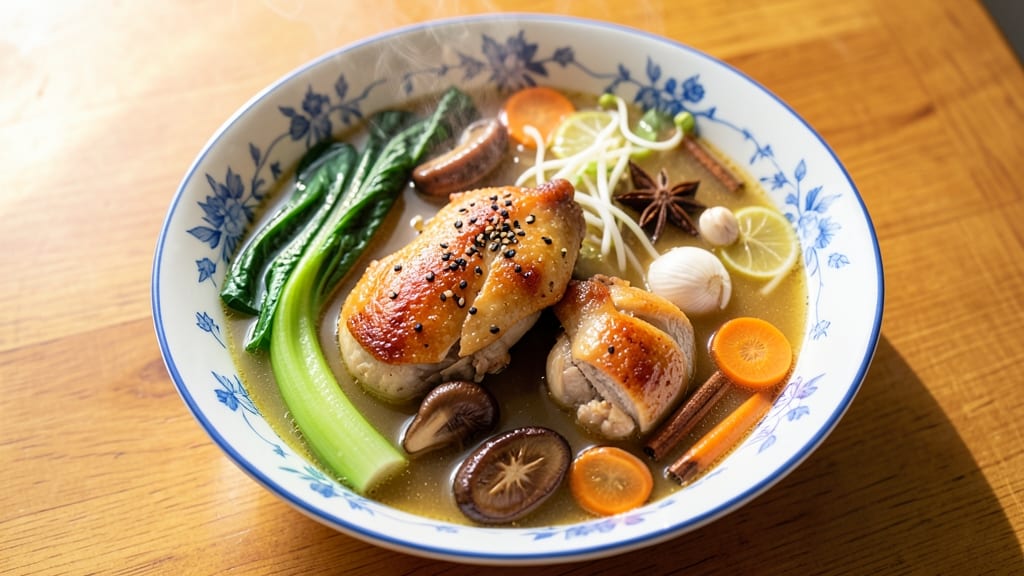
This Chinese chicken soup recipe delivers the fragrant, healing broth that's been a staple in Chinese households for generations—packed with tender chicken, fresh vegetables, and that signature ginger-garlic aroma that warms the soul.
The secret lies in slow-simmering the broth with star anise and cinnamon, creating layers of complexity that transform simple ingredients into something truly special. What sets this apart is the balance of traditional techniques with modern preferences, ensuring every spoonful is both comforting and approachable.
The foundation of this soup is a rich, golden broth built from chicken bones, ginger, garlic, and aromatic spices that infuse the liquid with warmth and depth. Unlike many modern versions, this recipe preserves the soul of Chinese comfort food while adapting to today's tastes—think lighter yet still deeply flavorful.
The vegetables are added at just the right moment to maintain their crisp texture, while the chicken becomes so tender it practically melts in your mouth.
By the time you're done, you'll have a bowl of soup that's not just nourishing but restaurant-quality at home—steaming with aromatic broth, filled with perfectly cooked ingredients, and carrying that unmistakable Chinese soul.
The broth is fragrant enough to fill your kitchen with warmth, while the vegetables and chicken create a harmonious balance of textures and flavors. This is the kind of soup that becomes a family favorite, served again and again.
Whether you're recovering from illness, craving comfort, or simply looking to recreate a taste of home, this recipe delivers. The process is straightforward yet rewarding, with each step building toward that perfect bowl of healing broth. Let's get started—your taste buds (and your immune system) will thank you.
Ingredients for best chinese chicken soup recipe with vegetables
Six aromatic ingredients build the soul of this Chinese chicken soup—ginger, garlic, star anise, and cinnamon transform simple broth into something truly healing.
| Ingredient | Amount | Notes |
|---|---|---|
| Chicken Bones (or 2 lbs Chicken Thighs) 🍗 | 3 lb | For rich broth; thighs if no bones |
| Fresh Ginger Root 🌿 | 2 tbsp | Grated, fresh preferred |
| Garlic Cloves 🧄 | 6 cloves | Minced, fresh for best flavor |
| Star Anise Pods 🌟 | 2 whole | Whole pods for infusion |
| Cinnamon Sticks 🌿 | 2 whole | For aromatic depth |
| Dried Shitake Mushrooms 🍄 | 4 whole | Rehydrated for umami |
| Green Onions 🧅 | 1 whole | Chopped, white and green parts |
| Baby Carrots 🥕 | 1 cup | Whole or sliced, baby preferred |
| Celery Stalks 🧅 | 3 whole | Chopped, fresh preferred |
| Bok Choy 🥬 | 2 whole | Trimmed, leaves separated |
| Fresh Shiitake Mushrooms 🍄 | 4 whole | Stemmed, sliced |
| Low-Sodium Chicken Broth 💧 | 4 cups | Homemade or quality store-bought |
| Sesame Oil 🫒 | 1 tbsp | Toasted, for finishing |
| Dark Soy Sauce 🍶 | 1 tbsp | For depth of flavor |
| Kosher Salt 🧂 | 1 ½ tsp | Adjust to taste |
The star anise and cinnamon are non-negotiable—they create that signature Chinese fragrance that lingers in your kitchen. Whole pods from an Asian market (like H Mart) are fresher than pre-ground spices. If you can't find them, Penzeys sells them online. Fresh ginger and garlic? No substitutions here—dried just won't cut it. The shiitake mushrooms add umami depth, so don't skip them. For the chicken, if you're using bones, ask your butcher for the necks and backs—they're packed with flavor. Chicken thighs work in a pinch but won't give you that rich broth.
No star anise? 1 tsp anise seeds or ½ tsp ground anise will work, but the flavor won't be as complex. Swapping the cinnamon sticks for ground cinnamon? Use ½ tsp—it's way more potent. The bok choy can be any leafy green (spinach, napa cabbage) if that's what you have. For the mushrooms, if you can't find fresh shiitake, dried porcini rehydrated works beautifully. The soy sauce? Dark soy sauce is key—it's thicker and adds color. Regular soy sauce won't give you that rich, molasses-like depth.
This soup tastes even better the next day—plan ahead. Store in an airtight container in the fridge for up to 4 days, or freeze for 3 months. The broth keeps well separately if you want to use it for other dishes. For leftovers, reheat gently on the stove—microwaving can turn the broth cloudy. Double the recipe and freeze half; you'll thank yourself when you're sick and need comfort food fast.
Why You'll Love This Recipe
- One-Pot Magic: I swear by this recipe because it’s basically hands-off after the initial simmer. Toss in the chicken bones (or thighs), a few slabs of ginger, crushed garlic, and those little star anise pods—then let the broth work its magic while you prep veggies or fold laundry. The bones render their own richness, so no extra stock needed.
- Spice Without Effort: Here’s what sold me—the way the star anise and cinnamon sticks infuse warmth without overpowering. That first sip? Crisp, aromatic, and just sweet enough from the caramelized ginger. Honestly, it’s the kind of flavor that makes you pause mid-spoonful.
- Leftovers That Save: This soup only gets better the next day, and I mean actually better. The broth deepens, the veggies soften into perfect tenderness, and it’s still packed with protein. I double the batch on Sundays because it’s my go-to for lunches—just reheat, add a splash of water, and boom. Zero waste, zero stress.
- Budget Meal for Everyone: Between us, chicken thighs are cheaper than bones, and this recipe stretches them far. The ginger and spices cost pennies, but they transform simple veggies into something restaurant-worthy. My college-age kid devours it, my partner asks for seconds, and I still have enough to freeze for another week. That’s a win.
Step-by-step instructions for fragrant Chinese chicken soup
This method builds layers of flavor—starting with aromatic spices and ending with vibrant vegetables.
Prepare the Chicken and Aromatics
If using chicken bones, rinse them thoroughly under cold water to remove any impurities. Pat them completely dry with paper towels—this ensures a cleaner broth. Place the bones in a large stockpot and add the 2 whole star anise pods, 2 whole cinnamon sticks, and the 4 whole dried shitake mushrooms. These aromatic ingredients will infuse the broth with deep, earthy notes that define authentic Chinese soup.
Next, peel and grate the 2 tbsp fresh ginger root, then mince the 6 cloves garlic. Add these to the pot along with the chicken bones. The ginger and garlic will form the fragrant base of your soup, so don't skip this step—it's the soul of the dish. If using chicken thighs instead of bones, trim any excess fat and add them whole to the pot.
Simmer the Broth for Maximum Flavor
Add the 4 cups low-sodium chicken broth to the pot and bring everything to a gentle boil over medium-high heat. Once boiling, reduce the heat to medium-low to maintain a steady simmer. Skim off any foam or impurities that rise to the surface during the first 10 minutes—this keeps your broth crystal clear.
Simmer uncovered for 45 minutes. Here's where the magic happens: the spices and aromatics release their flavors into the broth, creating a fragrant foundation. You'll notice the broth darkens slightly and fills your kitchen with an intoxicating aroma—this is your cue that the broth is developing depth. If using chicken thighs, remove them after 30 minutes of simmering, let them cool slightly, then shred the meat for later use in the soup.
Add Vegetables in Stages for Perfect Texture
While the broth simmers, prepare the vegetables. Chop the 3 whole celery stalks into 1-inch pieces, slice the 1 cup baby carrots into rounds, and separate the 2 whole bok choy into individual leaves. Stem and slice the 4 whole fresh shiitake mushrooms into ¼-inch pieces. Add the celery, carrots, and the 1 whole green onion (chopped) to the simmering broth. These vegetables have longer cooking times, so they go in first.
Simmer for 10 minutes. Then add the sliced fresh shiitake mushrooms and bok choy leaves. These delicate vegetables cook quickly, so you want to add them later to preserve their crisp-tender texture. Stir gently and let the soup simmer for another 5 minutes until the bok choy wilts and the mushrooms soften slightly but still retain their shape.
Finish with Seasonings and Garnish
Remove the pot from heat and stir in the 1 tbsp dark soy sauce and 1.5 tsp kosher salt. Taste and adjust the seasoning—you want a balance of savory, slightly sweet, and umami flavors. If using shredded chicken thighs, add them now and stir gently. The dark soy sauce adds depth and a touch of color that's characteristic of Chinese soups.
Just before serving, drizzle in the 1 tbsp sesame oil. This final step adds a nutty aroma and rich finish that elevates the entire dish. Ladle the soup into bowls and garnish with additional chopped green onions for freshness and visual appeal. Serve immediately while the broth is steaming hot and the vegetables are at their peak texture.
Pro Tips For Making Best Chinese Chicken Soup Recipe With Vegetables
- BLISTER THE BONES FIRST: I learned this the hard way—skipping the quick sear on high heat means your broth stays pale and watery. Char the chicken bones for 3-4 minutes per side until deep brown (yes, even if you’re impatient like me), then deglaze with a splash of Shaoxing wine or dry sherry. That crust packs way more flavor than simmering alone.
- SLICE GINGER THINLY: Thick ginger chunks take forever to soften and just sit there like stubborn guests. Use a mandoline or sharp knife to slice it paper-thin—about 1/16-inch—and toss it in the broth early. It’ll dissolve into aromatic threads without leaving chewy bits (and no, you don’t need to peel it first).
- DON’T BOIL THE SPICES: Star anise and cinnamon sticks are delicate—toss them in when the broth is just simmering, not rolling. After 10 minutes, fish them out immediately or they’ll turn bitter. I was skeptical until I tried it: the soup stays fragrant, not medicinal.
- ADD VEGETABLES IN STAGES: Hard veggies (carrots, celery) go in first, soft ones (bok choy, mushrooms) last. If you dump everything at once, your carrots turn to mush while the spinach stays crunchy. Pro move: Blanch delicate greens in the last 5 minutes—plunge them into the hot broth and let them wilt fast.
Serving suggestions for this recipe
Garnish Like a Pro
Freshly chopped green onions are a must—add them right before serving for a bright pop of color and freshness. I like to use scallions from Trader Joe's because they're crisp and mild.
For extra flair, sprinkle with toasted sesame seeds or a few crushed dried shiitake mushrooms for umami depth. 🌿
Rice or No Rice?
Traditional Chinese soup is broth-heavy, but I often serve it with steamed jasmine rice on the side for soaking up those fragrant flavors. Use a 1:3 rice-to-broth ratio—about ½ cup rice per bowl of soup.
For a lighter option, try rice noodles or steamed dumplings as a side. The rice should be cooked just until tender to avoid a mushy texture.
Side Dish Pairings
Pair your soup with steamed dumplings (like pork and chive) for a complete meal. I love using H Mart's frozen dumplings—just steam them for 5 minutes and serve with a side of chili oil for dipping.
Another great option is stir-fried bok choy with garlic and ginger, using the same vegetables from your soup for consistency.
Beverage Matching
A jasmine green tea complements the soup's delicate flavors beautifully—its floral notes enhance the ginger and garlic. For something heartier, try a light Chinese oolong tea like Tie Guan Yin. Avoid heavy, tannic teas like black tea, as they can clash with the soup's aromatic profile. 🍵
Family-Style Serving
Serve this soup in a large communal pot at the center of the table for that classic Chinese restaurant experience. Use heatproof ceramic bowls (like Corelle) to keep the soup hot longer.
For a festive touch, add edible flowers or red chili oil drizzled on top—just a few drops add color and a subtle kick. 💫
Leftovers Reinvented
Transform leftover soup into soup dumplings (xiao long bao) by mixing shredded chicken with broth and wrapping in wonton wrappers. Or turn it into a cold noodle salad by tossing with rice noodles, cucumber, and a sesame-ginger dressing. The possibilities are endless—just don't waste that flavorful broth! ⚡
Nutrition facts
Frequently asked questions
Can I use chicken breast instead of thighs or bones?
Chicken breast works, but it won't give you the same rich broth. For best flavor, use a mix of thighs and bones—the fat and connective tissue create depth. If using breast, add 1 extra chicken bouillon cube or ½ cup extra broth to compensate. The meat will be leaner but still tender if cooked properly.
What if I don't have star anise or cinnamon?
No problem! Swap 2 star anise pods for 1 tsp anise seeds or ½ tsp ground anise, and 2 cinnamon sticks for ½ tsp ground cinnamon. For extra warmth, add ½ tsp cloves or 1 bay leaf. The broth will still taste delicious—just slightly different.
How do I make this soup spicier?
Add 1-2 slices of fresh red chili or ½ tsp chili flakes while simmering the broth. For heat with depth, stir in 1 tsp chili oil at the end. If you love spice, try Sichuan peppercorns (½ tsp) for a tingling kick. Always taste first—you can adjust!
Can I make this soup in an Instant Pot? Use the soup/broth setting for 30 minutes after adding all ingredients. For best results, sauté the ginger, garlic, and aromatics first for 2 minutes on "Sauté" mode. The pressure cooker speeds up the process but keeps the broth flavorful. Just
Why does my broth look cloudy?
Cloudy broth usually means proteins or impurities weren't skimmed properly. For clearer broth, skim foam for the first 10 minutes of simmering. If it's already cloudy, strain it through a fine-mesh sieve before adding vegetables. A cheesecloth works great for this. Don't worry—cloudiness doesn't affect taste!