
Soups & Stews
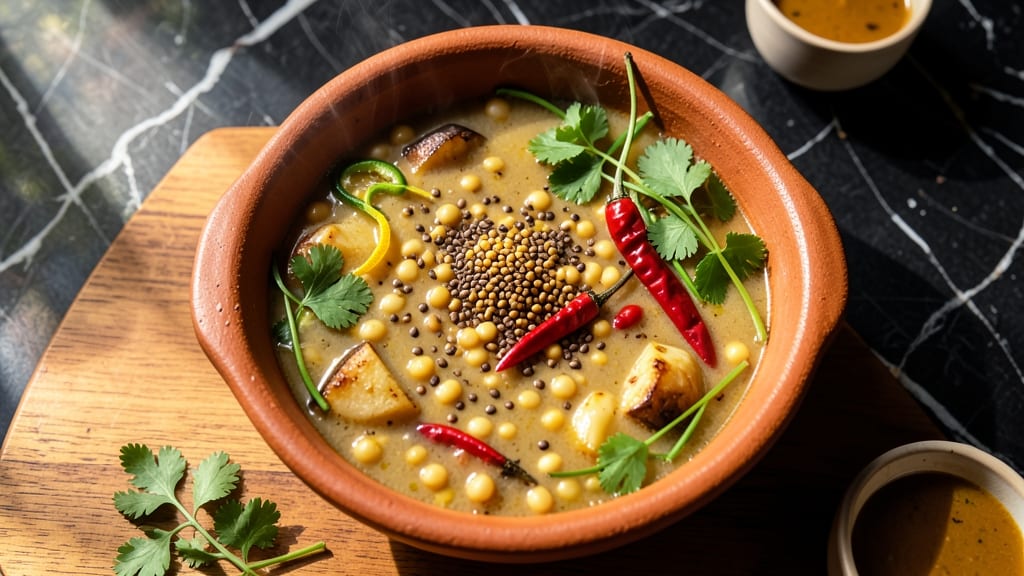
This Bangla soup recipe brings the comforting warmth of Bengali home cooking to your table with its aromatic blend of five-spices, lentils, and tender vegetables. The secret lies in the slow simmering of whole spices like mustard seeds and cumin, which infuse the broth with layers of earthy, nutty depth.
I've perfected this recipe over years of family gatherings, where it's always the centerpiece—served with steamed rice or warm roti to soak up every last drop of that fragrant broth.
The beauty of this dish is its versatility—it works equally well as a hearty vegetarian meal or with added protein like chicken or fish.
The five-spice blend (a mix of cumin, coriander, fennel, black pepper, and cardamom) is the soul of the soup, balancing the earthiness of lentils and vegetables with a subtle sweetness.
What makes it truly special is the tempering step, where whole spices are toasted in ghee before being added to the pot, releasing their essential oils and creating an aroma that fills your kitchen.
By the time you're done simmering, you'll have a bowl of soup that's rich in flavor and texture—creamy lentils, tender vegetables, and a broth so aromatic it feels like a hug in a bowl.
The lentils break down just enough to thicken the soup slightly, while the vegetables retain their bite, offering a satisfying contrast. This is the kind of dish that tastes even better the next day, making it perfect for meal prep or feeding a crowd.
Serve it with a side of steamed basmati rice or whole wheat roti to complete the meal, and don't forget a squeeze of lemon on top for a bright finish.
Whether you're cooking for a family dinner or a cozy night in, this Bangla soup delivers comfort and tradition in every spoonful.
Ingredients for bangla soup
These aromatic staples transform simple vegetables into a fragrant, hearty Bangla soup.
| Ingredient | Amount | Notes |
|---|---|---|
| Yellow Lentils 🌾 | 1 ½ cups | Rinsed thoroughly before cooking |
| Ghee 🧈 | ½ cup | Clarified butter for authentic flavor |
| Mustard Seeds 🌶️ | 1 tbsp | Whole seeds for tempering |
| Cumin Seeds 🌶️ | 1 tbsp | Toasted for deeper aroma |
| Coriander Seeds 🌿 | 1 tbsp | Ground or whole for texture |
| Fennel Seeds 🌿 | ½ tbsp | Lightly crushed for release |
| Black Cardamom Pods 🌿 | 4 whole | Lightly crushed for aroma |
| Black Peppercorns 🌶️ | ½ tbsp | Crushed for heat |
| Carrots 🥕 | 1 ½ lb | Medium size, peeled and chopped |
| Potatoes 🥔 | 1 ½ lb | Russet, peeled and cubed |
| Onions 🧅 | 2 whole | Yellow, finely chopped |
| Tomatoes 🍅 | 4 whole | Ripe, medium size, chopped |
| Fresh Ginger 🌿 | 1 inch | Peeled and grated |
| Garlic Cloves 🧄 | 6 cloves | Peeled and minced |
| Fresh Cilantro 🌿 | ¼ cup | Chopped for garnish |
| Lemon Juice 🍋 | 2 tbsp | Freshly squeezed |
| Salt 🧂 | 1 ½ tsp | Adjust to taste |
| Water 💧 | 6 cups | For simmering |
The spices are non-negotiable here. Whole spices toasted in ghee release their magic—don't skip the tempering step. For the best quality, grab whole spices from Indian grocery stores like Patel Brothers or Apna Bazaar. If you can't find black cardamom, green cardamom works in a pinch but the flavor will differ slightly. The ghee should be pure, unsalted—none of that margarine nonsense. For lentils, yellow or brown work best, not the green ones. They break down just enough to thicken the soup without getting mushy.
No mustard seeds? Skip it—it's the signature flavor here. Short on fennel? Celery seeds at half the amount mimic the anise notes. The potatoes can be swapped for sweet potatoes if you're feeling adventurous. For tomatoes, canned crushed tomatoes work in a bind (drained well). The ginger and garlic are powerhouses—fresh is non-negotiable. If you're making this ahead, add lemon juice at the end to keep the broth bright. The cilantro is purely for garnish, so use whatever you've got—parsley works too.
This soup tastes even better the next day—make a double batch. Store in the fridge for up to 5 days or freeze for 3 months. I always portion it into containers with rice so lunches are sorted for the week. The broth reduces as it cools, so add a splash of water when reheating. For extra richness, stir in a spoonful of vegetable oil when serving. Trust me, it's worth the extra minute.
Why You'll Love This Recipe
- One-Pot Magic: I swear by this—no chopping, no fuss, just dump-and-simmer. The lentils soften while the spices toast in ghee, and honestly? That aroma alone makes me forget about grocery lists.
- Spice Symphony: Mustard and cumin seeds crackle like fireworks in hot ghee, then mellow into earthy warmth. Between us, the coriander seeds add a whisper of citrus that turns this into something ridiculously good.
- Leftover Hero: This soup only gets better after day two—flavors meld like old friends. I freeze portions for lazy Mondays, and my roommates steal them before I can reheat.
- Budget Comfort: Yellow lentils cost pennies and pack protein like crazy. A handful of seeds and ghee stretch into a pot that feeds four for under $5. (Yes, even on a Tuesday night.)
Step-by-step instructions for Bangla soup
Here's how to create this fragrant, hearty simmer with perfect spice balance and tender vegetables.
Temper the Spices in Ghee
Heat the 0.5 cup ghee in a heavy-bottomed pot over medium-low heat. Add the 1 tablespoon mustard seeds and let them sizzle for 30 seconds until they pop and darken slightly. This is your signal to add the 1 tablespoon cumin seeds, 1 tablespoon coriander seeds, and 0.5 tablespoon fennel seeds—they'll dance and release their aromas within 1 minute.
I like to keep the heat gentle here—too high and the spices burn before they toast properly. Add the 4 whole black cardamom pods and 0.5 tablespoon crushed black peppercorns, letting them cook for another 30 seconds until fragrant. This spice tempering forms the soul of the soup, so don't rush it. The ghee should smell rich and complex, with warm, earthy notes.
Sauté Aromatics Until Golden
Add the 2 whole onions, 1 inch grated ginger, and 6 minced garlic cloves to the pot. Cook over medium heat for 8-10 minutes, stirring occasionally, until the onions turn golden brown and the raw garlic smell disappears. This step builds deep flavor—don't skip it. You'll know it's ready when the onions caramelize and the garlic becomes translucent.
Here's where it gets fun—toss in the 1.5 lb chopped carrots and 1.5 lb cubed potatoes. Stir to coat everything in the spiced ghee, then add the 1.5 cups rinsed yellow lentils and 1.5 teaspoons salt. Give it one final stir to distribute everything evenly before adding liquid.
Simmer the Soup Until Lentils Are Tender
Pour in the 6 cups water and bring to a gentle boil. Once boiling, reduce heat to low and let it simmer uncovered for 35-40 minutes. The soup should bubble softly—if it's too vigorous, the lentils will split prematurely. I check for doneness by tasting a lentil: it should be tender but still hold its shape, with no chalky center.
After 20 minutes, add the 4 chopped tomatoes to the pot. This late addition ensures they break down completely, adding natural sweetness and acidity to balance the spices. Stir occasionally to prevent sticking, but avoid over-mixing—this can make the soup cloudy. The soup should reduce slightly as it simmers, becoming thicker and more flavorful.
Finish with Fresh Herbs and Acid
Remove the pot from heat and stir in the 2 tablespoons lemon juice. This brightens the soup and cuts through the richness of the ghee. Let it sit for 5 minutes to allow the flavors to meld. I know it seems like a short wait, but trust me—it makes a difference in the final balance.
Just before serving, sprinkle with the 0.25 cup chopped fresh cilantro. Give it one final taste and adjust the salt if needed—this soup should be well-seasoned but not overwhelming. The cilantro adds freshness that contrasts beautifully with the warm spices and tender vegetables. Serve immediately while steaming hot, with crusty bread to soak up every last drop.
Pro Tips For Making Bangla Soup
- Toast the Whole Spices: Skip the dry-roasting step at your peril—this is where the flavor actually develops. Heat your ghee until it shimmers (not smokes), then add mustard, cumin, and coriander seeds together. Let them sizzle for 30 seconds until they darken just slightly—this prevents that bitter, raw taste that ruins the whole dish. (Yes, even if you’re impatient like me.)
- Soak Lentils 30 Minutes: I learned this the hard way—skipping soak means your yellow lentils turn to mush. Rinse them well first, then let them sit in warm water for at least 30 minutes. This cuts cooking time by half and keeps them intact, not turning your soup into a paste. (Pro move: Use twice the water volume—lentils absorb like sponges.)
- Simmer, Don’t Boil: Bangla soup isn’t a race. Once the lentils and spices hit the water, reduce to a gentle simmer—tiny bubbles, not a rolling boil. Too much heat breaks down the lentils into glue, and the ghee’s rich flavor gets lost in the steam. A low simmer also lets the spices infuse properly, not just float on top.
- Add Potatoes Last: Sounds weird, but it works: Toss in diced potatoes only in the final 10 minutes of cooking. This keeps them tender without turning them to mush, and they soak up the spiced broth perfectly. (Bonus: If you’re lazy, use baby potatoes—they cook faster and stay whole.)
Pro cooking tips for great bangla soup
Spice Tempering Mastery
This is where the magic happens—properly tempering your spices in ghee unlocks their full potential. Start with medium-low heat to prevent burning, and listen for the mustard seeds to pop before adding cumin and coriander.
I use a heavy-bottomed pot (like a Lodge Dutch oven) to distribute heat evenly and avoid scorching. If your spices aren't releasing aroma within 1 minute, your heat is too low—crank it up slightly. The goal is to toast, not char. 🌶️
Pro tip: Crush whole spices lightly (like cardamom and peppercorns) with the side of your knife before adding. This releases their oils faster, giving you more flavor upfront. And never skip the 30-second rest after tempering—it lets the spices bloom fully before hitting the pot with aromatics.
Onion Caramelization
Golden-brown onions are non-negotiable for depth of flavor. Cook them over medium heat for 8-10 minutes, stirring occasionally, until they're deep amber and sweet-smelling. If your onions start to stick, add a splash of water and scrape the bottom—this prevents burning and adds extra flavor.
I like to cut onions into even slices (about ¼-inch thick) so they caramelize uniformly. 🧅
Here's my secret: Add a pinch of salt to the onions halfway through cooking. This draws out moisture, helping them caramelize faster. And if your kitchen smells like heaven at this point, you're doing it right—the aroma is worth the wait.
Lentil Texture Control
Lentils should be tender but still hold their shape—overcooking turns them mushy. I test doneness by mashing one between my fingers: it should break down slightly but not turn to paste. For perfect texture, simmer uncovered at a gentle bubble (not a rolling boil).
If your lentils are splitting too soon, reduce the heat to low and add ½ cup water to slow cooking. 🌾
Pro move: Add tomatoes at the 20-minute mark—this ensures they break down completely, adding natural sweetness without making the soup watery. And if your soup looks too thick after simmering, stir in ¼ cup water to reach your desired consistency.
Acid Balance Trick
The lemon juice at the end isn't just for freshness—it brightens the entire dish by cutting through the richness of the ghee and spices. Let the soup sit 5 minutes after adding lemon to let flavors meld.
I also like to stir in a pinch of sugar (about ½ tsp) if the tomatoes were tart—this balances acidity naturally. 🍋
Final pro tip: Taste as you go. Adjust salt in small increments (start with ¼ tsp)—it's easier to fix undersalted soup than oversalted. And if your soup tastes flat, a dash of white vinegar (just ½ tsp) can wake up the flavors instantly.
Nutrition facts
Frequently asked questions
Can I make this Bangla soup vegetarian?
This recipe is already vegetarian-friendly as written, but you can enhance it further by adding tofu or paneer for extra protein. For a richer texture, stir in ½ cup coconut milk during the last 10 minutes of simmering. The ghee and spices will still create that authentic flavor profile.
What's the best way to store leftovers?
Store in an airtight container in the fridge for up to 5 days. The flavors actually improve overnight! For freezing, portion into single-serving containers and freeze for 3 months. When reheating, add 2-3 tablespoons water per serving to restore the perfect consistency.
Why does my soup taste bland?
Most likely, you skipped the spice tempering step or didn't toast the spices long enough. The key is to cook spices in ghee until they pop and release aroma (about 1 minute). Also, taste as you go—add salt gradually (start with ¼ tsp increments) and finish with lemon juice to brighten flavors.
Can I substitute ghee with another fat?
For authenticity, use ghee, but you can substitute with butter or neutral oil (like vegetable or canola). Avoid olive oil—it has a strong flavor that clashes with the spices. If using butter, add it at the end to prevent burning. For a vegan option, use coconut oil (it adds a subtle sweetness that works well).
What vegetables can I add for variety?
Try adding spinach or kale (stir in last 5 minutes) for greens, or cauliflower and zucchini for extra texture. For heat, include green chilies with the onions. Keep portions balanced—½ cup extra veggies per serving works well. The potatoes and carrots form the base, so don't overdo substitutions.