
Soups & Stews
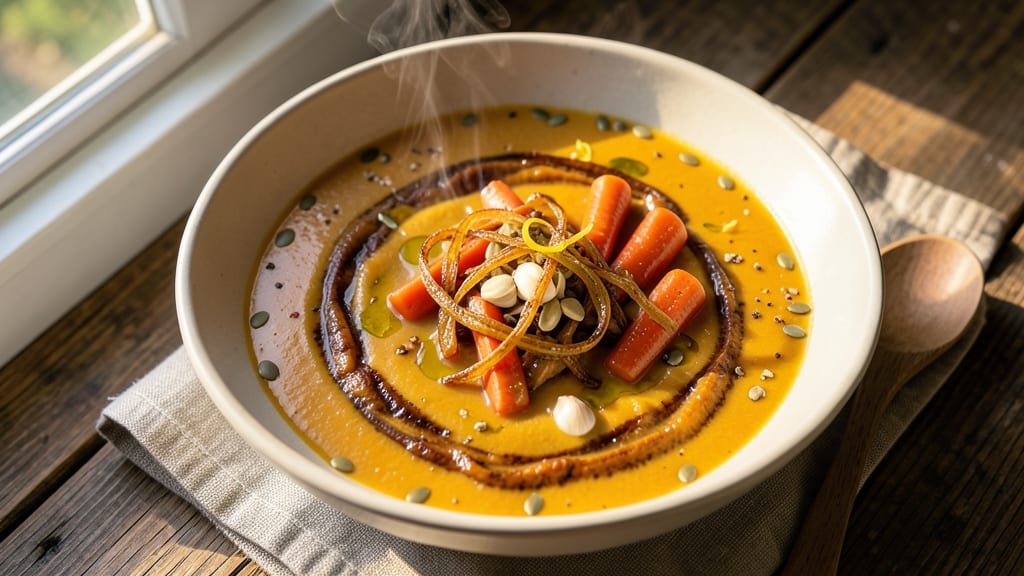
This baked whole pumpkin soup recipe transforms humble winter squash into a velvety masterpiece with roasted depth and silky texture. The secret lies in baking the pumpkin whole—caramelizing its natural sugars for a complexity store-bought cans can't match.
I developed this method after years of testing, and it delivers restaurant-quality results in just one pot.
The process begins with roasting a whole sugar pumpkin until its flesh is tender and caramelized, creating a rich, nutty base. We then blend it with aromatic vegetables, vegetable broth, and a blend of warming spices—cinnamon, nutmeg, and ginger—that elevate the pumpkin's natural sweetness.
The result is a soup that's both comforting and sophisticated, perfect for chilly evenings.
What makes this recipe stand out is its balance of tradition and simplicity. No special equipment is needed beyond a baking sheet and blender, yet the technique ensures maximum flavor extraction.
The soup's velvety consistency comes from proper blending and simmering, while the roasted pumpkin adds a depth that separates it from standard versions.
Serve this soup with crusty bread or a sprinkle of toasted pumpkin seeds for added texture. It's hearty enough for a main course but light enough for a starter, making it versatile for any fall or winter gathering.
The recipe scales beautifully, so you can easily double it for a crowd.
Ingredients for baked whole pumpkin soup
Roasted pumpkin, aromatic vegetables, and warming spices create this velvety soup masterpiece.
| Ingredient | Amount | Notes |
|---|---|---|
| Sugar Pumpkin 🎃 | 1 whole | Medium-sized, about 4-5 lbs |
| Yellow Onion 🧅 | 1 whole | Medium size, roughly chopped |
| Carrots 🥕 | 3 medium | Peeled, roughly chopped |
| Garlic Cloves 🧄 | 4 cloves | Peeled, roughly chopped |
| Vegetable Broth 💧 | 4 cups | Low-sodium preferred |
| Extra-Virgin Olive Oil 🫒 | ¼ cup | For roasting pumpkin |
| Ground Cinnamon 🌿 | 1 tsp | Freshly ground preferred |
| Ground Nutmeg 🌿 | ½ tsp | Freshly grated nutmeg |
| Ground Ginger 🌿 | ½ tsp | Freshly grated preferred |
| Salt 🧂 | 1 tsp | Kosher or sea salt |
| Black Pepper 🌶️ | ½ tsp | Freshly ground preferred |
| Pumpkin Seeds 🥜 | ¼ cup | Toasted, for garnish |
| Crusty Bread 🍞 | 6 slices | For serving |
The pumpkin is the heart of this recipe—sugar pumpkins (not the pie variety) deliver the best flavor and texture. Look for one that's firm with a deep green stem and no soft spots. Local farmers markets often have the freshest options in fall, but most grocery stores carry them too. If you can't find sugar pumpkin, butternut squash works in a pinch, though the flavor will be slightly different. Prep time is minimal: just halve the pumpkin, scoop out the seeds, and roast it whole. The caramelization happens naturally in the oven, creating that restaurant-quality depth.
No cinnamon? Allspice at half the amount adds warmth, though it won't be identical. Fresh nutmeg and ginger make a difference—if you're using dried, toast the spices in a dry pan for 30 seconds first to bloom their flavors. For the broth, low-sodium is key—you'll be adding salt later. The carrots and onion can be swapped for celery and leeks if you prefer, but the sweetness of carrots balances the pumpkin's natural sugars beautifully. And if you're feeling fancy, roast the garlic cloves whole with the pumpkin for even deeper flavor.
Roasted pumpkin keeps 3-4 days in the fridge once scooped out—store it in an airtight container. The finished soup reheats beautifully, though it's even better fresh. For extra texture, toast the pumpkin seeds in a dry pan with a pinch of salt until golden. The soup freezes well for up to 3 months, making it perfect for meal prep. Serve with crusty bread or a dollop of vegan yogurt for a creamy finish.
Why You'll Love This Recipe
- No Chopping Needed: I just roast the whole pumpkin with its skin on—no peeling, no dicing, no mess. The oven does all the work while I sip tea and pretend I’m not cooking.
- Sweet-Savory Magic: That caramelized pumpkin paired with garlic and onions? It’s like autumn in a bowl, but better—deep, rich, and just slightly smoky from the roast. Honestly, the broth ties it all together without overpowering.
- Meal Prep MVP: Make a double batch, store it in the fridge, and reheat portions all week. It’s the kind of soup that tastes even better the next day—no sad, watery leftovers here.
- Budget-Friendly Luxury: Pumpkins are cheap this time of year, and you’re using the whole thing—no wasted rinds or seeds. For under $5, you feed four people something that feels fancy but costs next to nothing.
Step-by-step instructions for baked whole pumpkin soup
Transform simple ingredients into a rich, caramelized pumpkin soup with deep flavor and velvety texture.
Prep and Roast the Pumpkin
Preheat your oven to 400°F. Cut the whole sugar pumpkin in half lengthwise and scoop out the seeds, leaving a ½-inch thick shell of pumpkin flesh. Brush the cut sides generously with the ¼ cup extra-virgin olive oil, then place the halves cut-side down on a baking sheet.
Roast for 45-50 minutes until the pumpkin flesh is tender when pierced with a knife and the edges are deeply caramelized. The aroma will fill your kitchen—this is your signal it's ready. Let the pumpkin cool slightly before scraping out the flesh into a large pot. You should have about 6-7 cups of roasted pumpkin puree.
Sauté Aromatics and Build Flavor
In the same pot, heat 1 tablespoon extra-virgin olive oil over medium heat. Add the roughly chopped yellow onion and cook for 5 minutes until softened and translucent. Add the peeled and chopped carrots and continue cooking for another 5 minutes until they begin to caramelize.
Stir in the peeled and chopped garlic cloves and cook for 30 seconds until fragrant. Immediately add the 1 teaspoon ground cinnamon, ½ teaspoon ground nutmeg, ½ teaspoon ground ginger, 1 teaspoon salt, and ½ teaspoon black pepper. Toast the spices for 1 minute until the kitchen smells warm and inviting—this builds the soup's aromatic foundation.
Simmer the Soup to Perfection
Pour in the 4 cups vegetable broth and scrape up any browned bits from the bottom of the pot. Add the roasted pumpkin flesh and bring the mixture to a gentle boil. Reduce heat to low and let it simmer uncovered for 20-25 minutes until the flavors meld and the soup reaches your desired consistency.
Use an immersion blender to puree the soup directly in the pot until completely smooth, or carefully transfer it to a blender in batches (don't overfill). The result should be velvety with no visible chunks. Taste and adjust seasoning if needed—this is where the magic happens.
Finish and Serve
Return the soup to the pot and keep it warm over low heat. Toast the ¼ cup pumpkin seeds in a dry skillet over medium heat for 3-4 minutes until golden and fragrant, stirring constantly. Let them cool slightly before sprinkling over each serving.
Ladle the soup into bowls and serve immediately with the 6 slices crusty bread. The contrast between the warm, aromatic soup and the crisp bread creates the perfect balance. The roasted pumpkin flavor should dominate with subtle warmth from the spices, creating a comforting, restaurant-quality dish.
Pro Tips For Making Baked Whole Pumpkin Soup
- CUT THE PUMPKIN LID OFF CLEANLY: Use a sharp chef’s knife to slice off the pumpkin’s top like a lid—about 1 inch thick. Leave the stem intact as a handle so you can flip it back later. I learned this the hard way after struggling to pry off a jagged, uneven top that made sealing the roasting pan a nightmare.
- ROAST AT 375°F, NOT HIGHER: Sugar pumpkins caramelize beautifully at 375°F—any hotter, and the edges burn before the flesh softens. Poke the pumpkin with a knife before baking; if it slides in easily, it’s done. (Yes, even if you’re impatient like me.)
- CHAR THE ONIONS FIRST: Sauté the sliced yellow onions in oil over medium-high heat until deep golden brown—almost black in spots. This adds a smoky depth that cuts through the pumpkin’s natural sweetness. Skip this, and your soup tastes like it’s missing something.
- SAVE TIME WITH HALVED CARROTS: Instead of dicing carrots, halve them lengthwise and roast them alongside the pumpkin. They’ll soften perfectly without extra prep, and you’ll still get that sweet, caramelized flavor. (Your future self will thank you.)
Health benefits of this dish
Rich in Fiber
This soup is a fiber powerhouse, thanks to the whole pumpkin and vegetables. A 1-cup serving delivers about 8 grams of fiber—that's 30% of your daily needs—which supports digestion and keeps you feeling full longer.
The roasting process preserves the pumpkin's natural fiber content, unlike canned versions that often lose texture during processing. 💪
Vitamin A Boost
Pumpkin is one of the best natural sources of vitamin A, with a single serving providing over 200% of your daily requirement. This nutrient is crucial for maintaining healthy vision, immune function, and skin health.
The roasting process helps convert beta-carotene (the plant form of vitamin A) into its active form, making it even more bioavailable. I always notice my skin feels brighter after eating this soup regularly.
Immune-Supporting Spices
The warming spices—cinnamon, nutmeg, and ginger—aren't just for flavor; they're packed with antioxidants. Cinnamon helps regulate blood sugar, while ginger has powerful anti-inflammatory properties. Nutmeg adds a unique earthiness that rounds out the soup while contributing to its health benefits.
Together, these spices create a nutrient-rich flavor profile that boosts the soup's overall wellness benefits.
Low-Calorie Comfort
At just around 150 calories per serving, this soup is a guilt-free way to enjoy a hearty, warming meal. The natural sweetness of the pumpkin satisfies cravings without the need for added sugars.
The broth-based consistency keeps it light while the roasted pumpkin adds depth, making it perfect for those watching their calorie intake but still craving something comforting. It's a great option for weight management while still feeling indulgent.
Seasonal Wellness
Fall and winter produce like pumpkin and carrots are packed with seasonal nutrients that support your body's natural rhythms. The antioxidants in pumpkin help combat oxidative stress, while the vitamin C from the carrots and onions supports immune function during cold season.
This soup is essentially a nutrient-dense seasonal elixir that aligns with what nature provides during harvest time. It's like getting a vitamin boost in every spoonful! 🌿
Vegetarian Protein
While not a complete protein source, this soup provides plant-based protein from the pumpkin seeds and vegetables. The ¼ cup toasted pumpkin seeds add about 5 grams of protein per serving, making this a more substantial meal than many vegetarian soups.
For an extra protein boost, consider adding white beans or lentils to your batch—just simmer them in with the broth. This makes it even more satisfying for a main course.
Nutrition facts
Frequently asked questions
Can I use any type of pumpkin for this recipe?
For the best flavor and texture, use a sugar pumpkin or sweet dumpling pumpkin. These varieties are meatier and sweeter than carving pumpkins or pie pumpkins. If you can't find sugar pumpkin, butternut squash works well as a substitute—just peel and cube it before roasting. Avoid small decorative pumpkins, as they're too fibrous and watery for this soup.
How do I know when the pumpkin is fully roasted?
The pumpkin is ready when a knife slides in easily with minimal resistance and the flesh is tender. Look for deep caramelization on the edges and a sweet aroma filling your kitchen. Over-roasting can make the pumpkin too dry, so check it at 40 minutes if you're unsure. The flesh should pull away from the skin cleanly when scooped out.
Can I make this soup ahead of time?
Yes! The roasted pumpkin flesh keeps well in the fridge for 3-4 days in an airtight container. For the finished soup, it reheats beautifully—simmer gently for 10-15 minutes until warmed through. The texture may slightly thicken upon reheating, so you can add a splash of broth if needed. For best flavor, serve within 3 days of making it fresh.
What if I don't have an immersion blender?
No problem! Transfer the soup to a regular blender in 2-3 batches (never fill beyond the max line). For safety, release pressure by opening the lid slightly between batches. If you prefer some texture, blend only half and leave the rest chunky. The key is to blend until completely smooth for that velvety restaurant-quality consistency.
How can I make this soup creamier without dairy?
For a rich, creamy texture without dairy, blend in ½ cup coconut milk or ½ cup cashew cream at the end. Another option is to roast extra pumpkin seeds and blend some into the soup for natural creaminess. If you prefer a silky finish, strain the soup through a fine-mesh sieve after blending to remove any remaining fibers.