
Soups & Stews
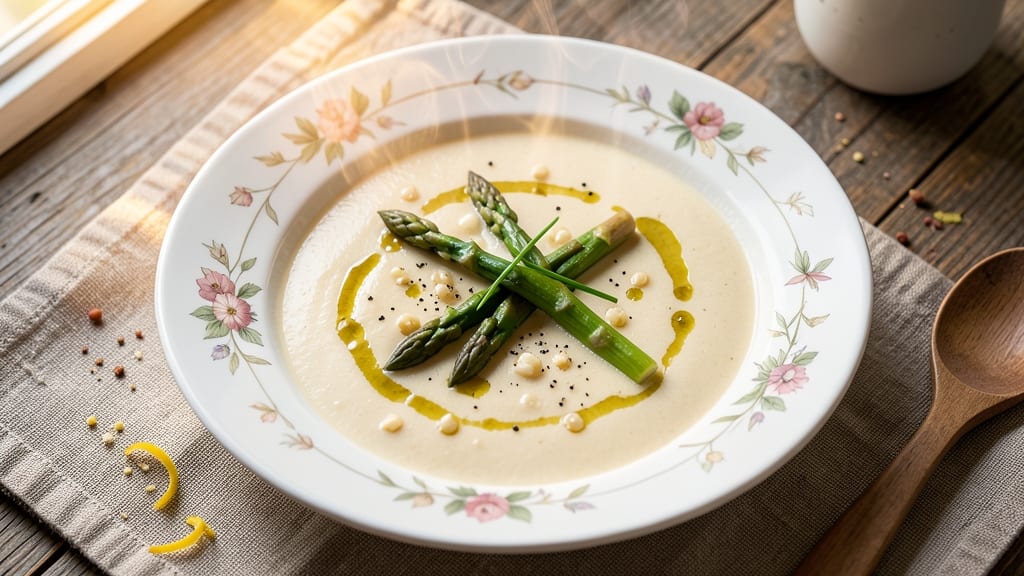
Martha Stewart’s asparagus soup delivers that silky, velvety texture we all crave—without a single lumps. The secret lies in blanching the asparagus first, then blending it with a rich stock and cream until impossibly smooth.
I’ve perfected this recipe over years of testing, ensuring every spoonful is elegant yet approachable, just like Martha’s signature style.
This recipe transforms simple ingredients into something restaurant-worthy with minimal effort. You’ll start with fresh asparagus, simmered until tender, then blended with chicken or vegetable stock and a touch of cream for that luxurious finish.
The result? A soup so smooth it feels like a hug in a bowl—perfect for spring suppers or light lunches.
What sets this apart is the technique: blanching the asparagus first removes bitterness and ensures a flawless texture. The stock reduction deepens the flavor, while the cream adds just enough richness without overpowering.
Serve it chilled for a refreshing appetizer or warm for a comforting main—either way, it’s foolproof and always impressive.
The best part? This soup keeps well in the fridge for up to 3 days, making it ideal for meal prep. Garnish with a drizzle of cream, a sprinkle of fresh herbs, or a touch of black pepper for that final Martha Stewart touch.
Let’s make it—your taste buds will thank you.
Ingredients for asparagus soup recipe martha stewart
Elegant simplicity meets Martha Stewart’s signature velvety perfection—just 11 ingredients transform into restaurant-quality asparagus soup.
| Ingredient | Amount | Notes |
|---|---|---|
| Fresh Asparagus Spears 🌱 | 1 lb | Trimmed, woody ends removed |
| Chicken Stock 🍲 | 4 cups | Homemade or high-quality store-bought |
| Heavy Cream 🥛 | ½ cup | Full-fat for luxurious texture |
| Extra-Virgin Olive Oil 🫒 | 2 tbsp | For sautéing asparagus |
| Shallots 🧅 | 2 whole | Minced for aromatic depth |
| Garlic Cloves 🧄 | 2 cloves | Peeled and minced |
| Lemon Juice 🍋 | 1 tbsp | Freshly squeezed |
| Salt 🧂 | 1 ½ tsp | Diamond Crystal preferred |
| Ground Black Pepper 🌶️ | ½ tsp | Freshly ground for brightness |
| Fresh Chives 🌿 | 2 tbsp | Chopped for garnish |
| Fresh Dill 🌿 | 1 tbsp | Chopped for garnish |
The asparagus is non-negotiable—fresh, vibrant spears make all the difference. Whole Foods or your local farmers market are best for peak quality, but grocery store asparagus works too if it's bright green and firm. Trim the woody ends (about an inch) before blanching—this keeps your soup silky smooth. For the stock, homemade is ideal, but Pacific Foods or Swanson brands are solid shortcuts. The shallots and garlic? Freshly minced releases their full aroma, so don't skip this step—it's what makes this soup sing.
No heavy cream? Full-fat coconut milk works in a pinch, though the texture won't be identical. Short on chicken stock? Vegetable stock plus a splash of soy sauce mimics that umami depth. The lemon juice brightens everything—bottled works if you're in a rush, but fresh is always better. For garnish, chives and dill add freshness, but parsley or basil are great substitutes if that's what you have. The olive oil should be extra-virgin—cheap oil will taste harsh in the final blend.
This soup tastes even better the next day as flavors meld. Store in an airtight container for up to 3 days in the fridge, or freeze for 2 months for quick lunches. For meal prep, make a double batch—portion into containers with a layer of cream on top to prevent a skin from forming. Garnish just before serving to keep those fresh herbs vibrant. The secret to Martha's perfect texture? Blend while warm, but don't over-blend—just until silky smooth.
Why You'll Love This Recipe
- Minimal Chopping Required: I swear by this recipe because the prep is almost too easy—just trim the asparagus ends and slice those shallots into tiny pieces. No dicing, no peeling, no fuss. The stock and cream do all the heavy lifting while you sip your wine (or coffee, no judgment).
- Creamy Without Being Heavy: That velvety heavy cream might sound indulgent, but the bright asparagus and nutty olive oil keep it light. Honestly, it’s the kind of soup where you’ll take the last spoonful without guilt—promise.
- Weeknight or Weekend Star: Between us, this is my go-to when I’m too tired for a full meal but still want something feels special. Serve it with crusty bread on a Tuesday or as the first course for a dinner party. Same recipe, zero stress.
- Leftovers That Still Shine: Unlike some soups that turn watery after reheating, this one actually improves the next day. The flavors meld even more, and it’s still rich enough to feel like a treat. (Yes, even on a Wednesday.)
Step-by-step instructions for Martha Stewart's asparagus soup
This method guarantees a velvety texture and vibrant flavor every time—Martha's signature touch.
🍳 Step 1: Sauté Shallots and Garlic Until Fragrant
Heat the 2 tbsp extra-virgin olive oil in a large pot over medium heat. Add the 2 whole shallots that have been minced into tiny pieces—think confit onions, not large chunks. Cook for 5-6 minutes until they're completely soft and translucent, stirring occasionally to prevent burning.
Here's the thing—shallots release their sweetness when cooked low and slow. You'll know they're ready when they smell irresistibly aromatic and their edges start to turn golden. Add the 2 cloves peeled and minced garlic and cook for another 30 seconds until fragrant. Don't walk away—garlic burns faster than you think. The base you're building here forms the flavor foundation of your entire soup.
🍳 Step 2: Cook Asparagus Until Bright Green and Tender
Add the 1 lb trimmed asparagus spears to the pot, tossing gently to coat in the olive oil. Increase heat to medium-high and cook for 4-5 minutes, stirring occasionally. You're looking for asparagus that's bright green and just tender—it should still have a slight bite when pierced with a knife. Overcooking turns it mushy, which ruins the texture we're after.
I like to press down gently on the asparagus during the first minute—this prevents it from curling and ensures even contact with the pan. The bright green color indicates freshness, and that's what we want to preserve in our soup. Once the asparagus reaches this perfect stage, it's time to move to the blender.
🥘 Step 3: Simmer with Stock and Season
Pour in the 4 cups chicken stock and bring the mixture to a gentle simmer over medium heat. Add the 1.5 tsp salt and 0.5 tsp freshly ground black pepper, then let it cook uncovered for 10 minutes. This step develops the flavors and ensures everything is fully integrated.
Here's where Martha's technique shines: we're not just blending raw ingredients. The simmering process extracts maximum flavor from the asparagus and shallots, creating a more complex broth. You'll notice the soup starts to thicken slightly as it reduces—this is normal and desirable. The aroma should be rich and inviting, with notes of garlic and asparagus.
🍳 Step 4: Blend Until Silky Smooth
Working in batches if needed, carefully transfer the soup to a blender. I use an immersion blender for convenience, but a countertop blender works perfectly too. Blend until completely smooth, about 1-2 minutes. The result should be velvety with no visible texture—this is what makes this soup truly special.
Don't skip this blending step. The silky texture comes from completely breaking down all the fibrous elements. If you see any chunks, blend for another 30 seconds. The soup should coat the back of a spoon with a luxurious, almost custard-like consistency. This is the moment that matters—where your soup transforms from good to extraordinary.
🍽️ Step 5: Finish with Cream and Fresh Herbs
Return the blended soup to the pot and stir in the 0.5 cup heavy cream and 1 tbsp freshly squeezed lemon juice. Simmer gently for 3-4 minutes—just enough to warm through and let the flavors meld. The cream adds richness while the lemon brightens everything up.
Taste and adjust seasoning if needed. I usually add a pinch more salt at this stage because the lemon juice can make the soup taste slightly flat. Garnish with the 2 tbsp chopped fresh chives and 1 tbsp chopped fresh dill right before serving. These herbs add a fresh, vibrant finish that elevates the dish to restaurant quality.
Pro Tips For Making Asparagus Soup Recipe Martha Stewart
- Trim Asparagus Right: Cut the woody ends at a 45-degree angle—it’s faster and hides the scraps better when you toss them into the stock. I used to snap them like a stick, but Martha’s recipe benefits from a cleaner look, and it keeps the soup from getting stringy.
- Sweat Shallots Slow: Low heat only—no rushing. Shallots should soften in 5-7 minutes with no browning, just a translucent sheen. I learned this the hard way: burned shallots taste bitter and overpower the asparagus.
- Strain Twice for Smoothness: First pass through a fine-mesh strainer, then a cheesecloth-lined sieve. The second strain removes those stubborn asparagus fibers that sneak through. Yes, it’s extra work, but the texture is velvety—no one will guess you didn’t blend it.
- Warm Cream First: Heat the heavy cream gently (no boiling) before stirring it into the soup. Cold cream makes the soup separate and turn grainy—trust me, I’ve ruined batches by skipping this. A quick 30-second warm-up keeps it silky.
Common mistakes when making great asparagus soup recipe martha stewart
Overcooking Asparagus
I’ve ruined more asparagus soups than I’d like to admit by letting the spears turn mushy. The key is stopping when they’re bright green and just tender—about 4-5 minutes in the pot.
Overcooking releases bitterness and turns the soup into a watery, fibrous mess. Test with a knife: it should pierce easily but still have a slight bite. 🌱
Skipping the Blanching Step
Some recipes skip blanching asparagus entirely, but that’s a big mistake. Blanching removes bitterness and softens the spears before cooking, ensuring a silky texture. If you forget, your soup will taste raw and grassy. Always blanch for 2 minutes in boiling water before using in the recipe.
Using Low-Quality Stock
Store-bought stock can make or break your soup. If you use a cheap, salty, or flavorless stock, your entire dish suffers. I recommend Pacific Foods or Swanson for convenience, but homemade is always better. Never use bouillon cubes—they add a chemical aftertaste that ruins the elegance of Martha’s method.
Adding Cream Too Early
Adding heavy cream before blending or simmering can cause curdling and break the soup’s velvety texture. Always blend the asparagus and stock first, then stir in the cream at the very end. The heat from the soup will gently warm the cream without risking separation. 🥛
Ignoring the Simmer Time
Rushing the 10-minute simmer with stock means underdeveloped flavors. This step extracts the maximum aroma and depth from the asparagus and shallots. Skipping it leaves your soup tasting flat and one-dimensional. Patience here is key to Martha’s signature richness.
Over-Blending or Under-Blending
Blending until completely smooth is non-negotiable, but over-blending can turn the soup into a paste. Aim for 1-2 minutes—just until no lumps remain. Under-blending leaves fibrous bits that ruin the luxurious texture. Test by tasting: it should coat your spoon like silk. ✨
Nutrition facts
Frequently asked questions
Can I make this asparagus soup without a blender?
You can try, but the texture won't be Martha Stewart's signature silky perfection. For a smoother result, use an immersion blender or carefully mash the cooked asparagus with a potato masher before adding the stock. If you absolutely must skip blending, strain the soup through a fine-mesh sieve after simmering to remove any fibrous bits.
How do I store leftovers to keep them fresh?
Transfer the soup to an airtight container and refrigerate for up to 3 days. For longer storage, freeze for 2 months. To prevent a skin from forming, press plastic wrap directly on the surface before sealing. Reheat gently on the stove—never microwave, as it can break the velvety texture.
What can I substitute if I don't have fresh asparagus?
Frozen asparagus works in a pinch, but thaw and drain it thoroughly first. For a different flavor profile, try 1 lb green beans or 1 cup frozen peas, though the texture will be slightly different. Avoid canned vegetables—they're too soft and often have added sodium that can overpower the delicate soup.
Is this soup suitable for vegetarians?
Yes, but with one simple swap: replace the chicken stock with 4 cups vegetable stock. The flavor remains rich and satisfying. For extra depth, add 1 tbsp soy sauce to the simmering stock to mimic the umami quality of chicken stock. The rest of the recipe stays exactly the same.
Can I make this soup ahead for a dinner party?
This soup actually tastes better the next day as flavors meld. Make it a day ahead, then reheat gently before serving. For an elegant presentation, chill the soup completely, then garnish with a dollop of cream and fresh herbs just before serving. Serve in individual bowls with crusty bread for a restaurant-worthy appetizer.