
Soups & Stews
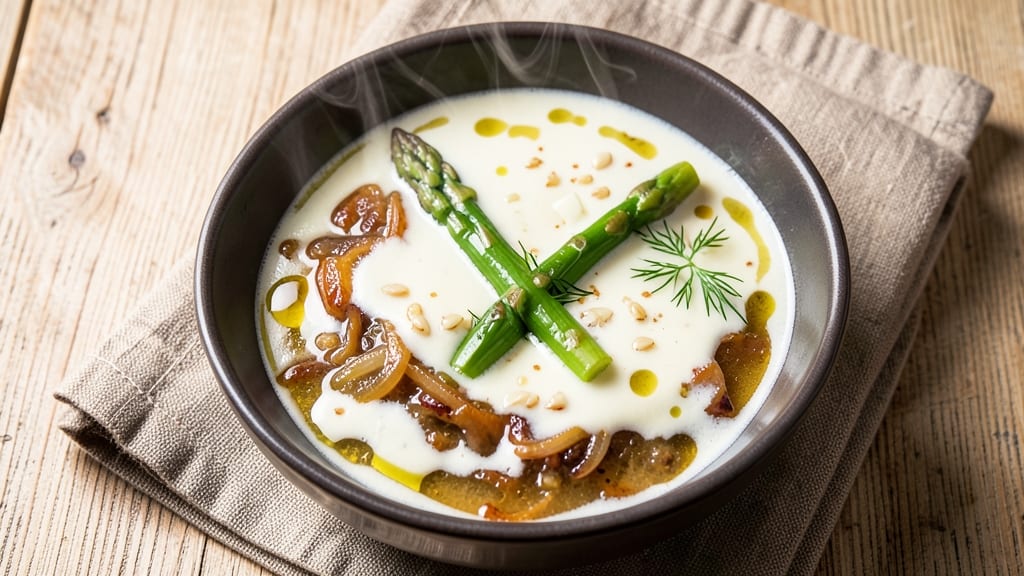
This asparagus soup maker recipe transforms spring’s freshest harvest into a velvety green velouté with just 15 minutes of hands-on time. The secret lies in sautéing onions and garlic until golden—this builds the foundation for a rich, aromatic base that carries through the entire pot.
I’ve perfected this method to avoid lumps while keeping the texture impossibly smooth, even with an immersion blender.
The beauty of making this in a soup maker is how effortlessly it handles the blending process. You’ll start with tender asparagus spears, simmered until their natural sweetness infuses the broth, then pureed to a silky, vibrant green that looks as good as it tastes.
Fresh herbs at the finish—like chives or tarragon—add a bright, herbaceous note that cuts through the creaminess without overpowering it.
What you’ll end up with is a soup that’s restaurant-quality but requires no special skills—just a few simple ingredients and your immersion blender. The result is a velvety, comforting dish that’s perfect for spring lunches or chilly evenings, served with crusty bread to soak up every last drop.
It’s the kind of recipe that makes you want to gather asparagus season again and again.
This version scales perfectly for a crowd, and the flavors only deepen as it sits. The asparagus’s natural sweetness shines through, balanced by the richness of the broth and the freshness of the herbs.
Ready in under an hour, it’s the ideal way to use seasonal produce without spending all day in the kitchen.
Ingredients for asparagus soup recipe for soup maker
Fresh asparagus, rich broth, and fresh herbs—this soup maker magic turns simple ingredients into velvety perfection.
| Ingredient | Amount | Notes |
|---|---|---|
| Asparagus Spears 🌱 | 1 lb | Trimmed ends, medium thickness |
| Yellow Onions 🧅 | 1 whole | Medium size, diced small |
| Garlic Cloves 🧄 | 3 cloves | Fresh, minced finely |
| Unsalted Butter 🧈 | 4 tbsp | Full-fat for richness |
| Vegetable Stock 💧 | 4 cups | Low-sodium preferred |
| Heavy Cream 🥛 | ½ cup | Full-fat for velvety texture |
| Fresh Chives 🌿 | ¼ cup | Chopped finely for garnish |
| Fresh Tarragon 🌿 | ⅛ cup | Chopped, or sub parsley |
| Salt 🧂 | 1 tsp | Kosher or sea salt |
| Black Pepper 🌶️ | ½ tsp | Freshly ground preferred |
| Extra-Virgin Olive Oil 🫒 | 1 tbsp | For sautéing onions |
| Lemon Juice 🍋 | 1 tbsp | Freshly squeezed |
| All-Purpose Flour 🌾 | 1 tbsp | For thickening (optional) |
The asparagus should be the star here. Look for bright green spears with tight tips at the grocery store—Trader Joe's or Whole Foods usually have the freshest in spring. If you're using frozen, thaw it first but pat it dry to avoid watery soup. The onions and garlic need to caramelize for that deep, sweet flavor—the kind that makes the whole soup sing. I always use yellow onions because they're sweeter than red when cooked down. For the stock, low-sodium is key—you'll be adding more salt later, and you don't want to overdo it.
No fresh herbs? Dried tarragon at half the amount works in a pinch, but honestly, fresh is worth it—it gives that bright, anise-like finish that makes this soup taste like spring. Running short on chives? Green onions or parsley are great swaps. The butter matters here—full-fat is non-negotiable for that rich, velvety texture. If you're watching calories, use half-and-half instead of heavy cream, but trust me on the full-fat version. The flour is optional but helps thicken if you prefer it smoother—just whisk it into the cream first to avoid lumps.
This soup tastes even better the next day—flavors meld beautifully. Store leftovers in an airtight container in the fridge for up to 4 days. Freezes well for 2 months if you portion it into containers. I like to make a double batch and freeze half—perfect for lazy weeknight dinners. The fresh herbs? Add them right before serving so they stay vibrant. And if you're serving with bread, toasted sourdough is my go-to—it soaks up every last drop of that creamy goodness.
Why You'll Love This Recipe
- Soup Maker Magic: I swear by this recipe—just toss in the asparagus, onions, and garlic, let the machine do the work, and you’ve got velvety perfection without standing at the stove.
- Garlic Butter Love: That moment when you melt butter into the onions and garlic? Pure flavor explosion. The soup maker blends it all into something rich and savory that tastes like a restaurant dish.
- Weeknight or Guest Day: Same recipe, different vibes. Serve it as a light lunch or a fancy starter when company’s over. The soup maker makes it effortless either way—no stress, just deliciousness.
- Budget-Friendly Luxury: Asparagus is seasonal but affordable, and you’re using basic pantry staples. A single batch feeds four, and leftovers reheat like a dream—no wasted ingredients here.
Step-by-step instructions for asparagus velouté
Here's how to create a silky, restaurant-quality asparagus soup using your slow cooker.
Prep and Sauté the Aromatics
Start by trimming the tough ends from the 1 lb asparagus spears and cutting them into 1-inch pieces. Set aside. In your slow cooker, heat the 1 tablespoon extra-virgin olive oil over medium heat. Add the 1 whole yellow onion, diced small, and cook for 5-6 minutes until softened and translucent.
Add the 3 cloves garlic, minced finely, and stir for 30 seconds until fragrant. Here's the thing—don't let the garlic brown, or it'll turn bitter. Once the onions are tender and the garlic smells amazing, add the 4 tablespoons unsalted butter and let it melt completely into the onions. This butter will create a rich base for your velouté.
Cook the Asparagus and Build Flavor
Add the prepared asparagus pieces to the slow cooker along with 1 teaspoon salt and ½ teaspoon black pepper. Stir everything together to combine. Pour in the 4 cups vegetable stock, making sure all the asparagus is submerged. Here's where it gets good—cover the slow cooker and cook on high for 2 hours. This long cook time ensures the asparagus becomes tender and infuses the broth with its natural sweetness.
After 2 hours, use an immersion blender to purée the soup directly in the slow cooker until completely smooth. If you don't have an immersion blender, carefully transfer the soup to a blender in batches, blending until silky. The soup should be vibrant green and completely free of any asparagus texture.
Finish with Cream and Fresh Herbs
Return the puréed soup to the slow cooker and stir in the ½ cup heavy cream and 1 tablespoon lemon juice. The lemon juice brightens the flavors and balances the richness of the cream. Taste and adjust seasoning with additional salt or pepper if needed. Here's the moment that matters: let the soup simmer on low heat for 10-15 minutes to allow the flavors to meld together.
Just before serving, stir in the ¼ cup chopped fresh chives and ⅛ cup chopped fresh tarragon. These herbs add a fresh, bright finish that elevates the soup from ordinary to extraordinary. If you don't have tarragon, parsley works well as a substitute. The herbs should be visible in each serving, adding both color and flavor.
Thicken and Serve Warm
For a slightly thicker velouté, mix the 1 tablespoon all-purpose flour with 2 tablespoons cold water to create a slurry. Stir this into the soup and let it simmer for 3-5 minutes until thickened to your desired consistency. The flour helps create that classic velouté texture that coats the back of a spoon.
Ladle the finished soup into warm bowls and serve immediately. The contrast between the creamy soup and the fresh herbs on top makes each spoonful delicious. This soup is perfect for chilly evenings and pairs beautifully with crusty bread or a simple green salad. Enjoy it while it's hot for the ultimate comfort experience.
Pro Tips For Making Asparagus Soup Recipe For Soup Maker
- Trim the Tough Ends First: Asparagus spears have those stubborn, woody bottoms that refuse to soften—no matter how long you cook them. Snip off the last inch or two before chopping the rest, or you’ll end up with a soup full of texture you can’t chew through. (Yes, even if it feels like waste—trust me, your soup will thank you.)
- Sweat the Onions Low and Slow: I used to rush this step, and the onions would either burn or turn to mush before releasing their sweetness. For this soup, keep the heat at a true simmer—just enough to make the onions bubble gently—and stir every 30 seconds. Five minutes of patience here means the whole soup won’t taste like you charred the onions by accident.
- Don’t Rush the Stock Addition: Dumping cold stock into hot butter and onions will shock the soup and make it take forever to come together. Warm your stock first—just heat it in a separate pot until it’s steaming, then pour it in. Your soup maker will work half the time, and the flavors will blend smoother. (I learned this after making a soup that tasted like it was still assembling itself.)
- Finish with a Swirl of Butter: This isn’t just for richness—it’s the move that ties everything together. After blending, return the soup to the pot and let it simmer uncovered for 3-4 minutes. Then, stir in a pat of cold butter until it melts completely. The fat coats the asparagus flavor and makes the soup feel luxurious without overpowering it. (Sounds weird, but it works: ask anyone who’s ever had restaurant-quality asparagus soup.)
Regional styles of this dish
French Velouté Tradition
In France, this velvety asparagus soup traces back to classic velouté techniques where butter, flour, and stock create a silky base.
The French version often includes a roux-based thickening—I use a simple slurry instead for ease, but traditionalists might prefer whisking 1 tbsp butter and 1 tbsp flour into the soup before adding liquid. The key difference?
French versions frequently include a splash of white wine—about ¼ cup dry white—deglazed after sautéing the aromatics. 🍷
Italian Herb-Infused Twist
Southern Italy transforms this soup with fresh basil and lemon zest—I swap the tarragon for ½ cup chopped basil and add 1 tsp lemon zest to the final simmer. The Italians also love adding a pinch of nutmeg (about ⅛ tsp) for warmth.
For extra richness, they might stir in 2 oz grated Parmesan at the end. This version feels lighter but equally vibrant, with bright citrus cutting through the cream. 🌿
German Asparagus Classic
Germany’s Spargelcremesuppe—a staple during their asparagus season—often skips cream entirely. Instead, they blend the cooked asparagus with stock and finish with a swirl of crème fraîche (about ¼ cup) at the table.
The German approach emphasizes the asparagus’s natural sweetness by using white asparagus (if available) and adding a splash of vinegar (about 1 tsp white wine vinegar) to balance flavors. Serve with crusty rye bread for dipping. 🥖
American Comfort Adaptation
For a heartier American take, I’ve seen versions thickened with roasted asparagus purée—simply roast half the asparagus at 400°F for 15 minutes before blending it into the soup. Others add crumbled bacon (about 4 oz) to the sautéed onions for smoky depth.
A common American shortcut? Using half-and-half instead of heavy cream to lighten the texture while keeping it rich. Garnish with crispy fried shallots for a restaurant-worthy touch. 🥓
Spanish Lemon-Aspic Version
Spain’s crema de espárragos—a lighter take—often includes a lemon-aspic finish. After blending, chill the soup slightly, then top each serving with a dollop of lemon curd (about 2 tbsp) and a sprinkle of toasted almonds.
The Spanish also love adding smoked paprika (about ¼ tsp) to the sautéed onions for a subtle smokiness. This version feels refreshing yet still deeply flavorful. 🍋
Modern Fusion Approach
For a contemporary twist, I’ve experimented with adding charred asparagus—roast half the spears at 425°F for 10 minutes before blending them in. The char adds a smoky depth that pairs beautifully with the creamy base.
Another fun fusion? Stir in 1 tsp miso paste (white miso works best) during the final simmer for an umami kick. Top with crispy fried onions and a drizzle of chili oil for heat. 🔥
Nutrition facts
Frequently asked questions
Can I make this asparagus soup without an immersion blender?
If you don't have an immersion blender, carefully transfer the hot soup to a regular blender in batches. Let it cool slightly first (hot liquid can cause splattering), and blend until completely smooth. For extra safety, fill the blender only halfway and cover with a kitchen towel before blending. The texture will be just as velvety!
How do I adjust this recipe for a cream-free version?
Swap the heavy cream for ½ cup full-fat coconut milk or ½ cup unsweetened almond milk plus 1 tablespoon nutritional yeast for a dairy-free option. For a lighter texture, omit the cream entirely and add 1 tablespoon lemon juice to brighten the flavors. The soup will still be delicious but slightly less rich.
Why did my soup turn out too thin? How can I fix it?
If your soup is too thin, it likely needs thickening. Mix 1 tablespoon all-purpose flour with 2 tablespoons cold water to make a slurry, then stir it into the soup. Simmer for 3-5 minutes—this will thicken it to a velvety velouté consistency. Alternatively, mash some of the cooked asparagus against the pot's sides to release starches for natural thickening.
Can I use frozen asparagus instead of fresh?
Yes, but thaw and drain it first to avoid a watery soup. Pat the asparagus dry with a paper towel before adding it to the slow cooker. Frozen asparagus works well, though fresh will give you the brightest green color and most vibrant flavor. If using frozen, you may need to add an extra 5-10 minutes of cooking time to ensure it's fully tender.
What’s the best way to reheat leftovers?
Gently reheat on the stovetop over low heat or in the microwave in 30-second intervals, stirring between each. Avoid boiling to prevent the soup from separating. For the creamiest texture, add a splash of warm milk or cream while reheating. Store leftovers in an airtight container for up to 4 days in the fridge.