
Soups & Stews
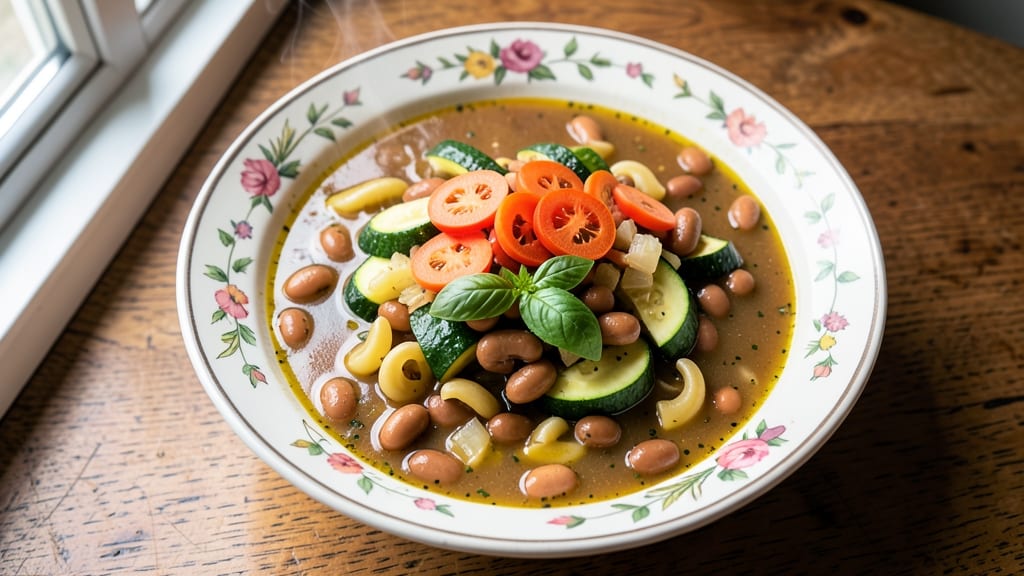
This amazing minestrone soup recipe transforms humble ingredients into a steaming bowl of Italian comfort that feels like a warm hug on a chilly day. I developed it after years of testing—balancing hearty textures (crisp beans, tender pasta) with the deep, savory broth that makes minestrone legendary.
The secret? Roasting the vegetables first for concentrated flavor, then simmering everything together until the broth reduces to perfect richness.
What makes this version special is the mix of traditional and modern techniques: classic cannellini beans and kale meet roasted carrots and zucchini for a vegetable-forward bowl that's still satisfyingly filling.
I use vegetable broth (or chicken for non-vegetarians) and add a splash of white wine to deepen the flavor without overpowering the vegetables. The pasta cooks right in the broth, so you won't find a single dry noodle.
By the time you're ladling this into bowls, you'll have a soup that's packed with color, texture, and layers of flavor—creamy beans, crisp greens, al dente pasta, and a broth so rich it feels like a hug.
It's the kind of meal that disappears quickly, leaving everyone asking for seconds. The best part? It tastes even better the next day, making it perfect for meal prep.
Serve it with crusty bread for dipping or a sprinkle of parmesan on top for extra richness. This is minestrone that feels like a restaurant-quality dish without the fuss. Let's get cooking!
Ingredients for amazing minestrone soup
Here’s everything you need to create this hearty, vegetable-packed minestrone that feels like a warm hug in a bowl.
| Ingredient | Amount | Notes |
|---|---|---|
| Vegetable Broth 💧 | 6 cups | Low-sodium preferred, homemade or store-bought |
| Cannelini Beans 🌱 | 1 ½ cups | Drained and rinsed, canned or cooked |
| Ditalini Pasta 🍝 | 1 cup | Uncooked, al dente preferred |
| Carrots 🥕 | 2 medium | Peeled and chopped into chunks |
| Zucchini 🍆 | 2 medium | Sliced into half-moons |
| Yellow Onion 🧅 | 1 whole | Diced, medium size |
| Celery Stalks 🌿 | 3 whole | Chopped, including leaves |
| Garlic Cloves 🧄 | 4 cloves | Minced, fresh preferred |
| Kale Leaves 🥬 | 4 cups | Chopped, stems removed |
| Canned Diced Tomatoes 🍅 | 1 14.5oz | Fire-roasted preferred |
| White Wine 🍷 | ½ cup | Dry, like Pinot Grigio |
| Tomato Paste 🍅 | 2 tbsp | Smooth, not chunky |
| Olive Oil 🫒 | 2 tbsp | Extra-virgin for richness |
| Salt 🧂 | 1 ½ tsp | Kosher or sea salt |
| Black Pepper 🌶️ | ½ tsp | Freshly ground preferred |
| Dried Oregano 🍃 | 1 tsp | Italian preferred |
| Bay Leaves 🌿 | 2 whole | Fresh if available |
The vegetables are the stars here, so grab the freshest you can find—especially the kale and celery. Trader Joe’s usually has great organic kale, and I always buy extra because it’s so versatile. For the carrots and zucchini, medium-sized ones are perfect—they’re sweet and won’t turn to mush. If you’re roasting your veggies first (which I highly recommend), use the same ones you’d chop for the soup—it’s all about maximizing flavor. The canned tomatoes? San Marzano is the gold standard, but any good-quality diced tomatoes will work. Look for ones labeled ‘fire-roasted’ for extra depth.
No white wine? Vegetable broth with a splash of balsamic vinegar works in a pinch—just add it with the tomatoes. Short on kale? Spinach or Swiss chard are great swaps, but add them at the end so they don’t turn to mush. The pasta? Ditalini is classic, but small shells or orzo also work beautifully. For the beans, canned is fine, but if you’ve got dried, soak them overnight. And if you’re feeling fancy, add a handful of white beans or lentils for extra protein. The broth matters too—if you’re using store-bought, go for low-sodium to control the seasoning.
This soup tastes even better the next day, so make extra if you can—it’s perfect for meal prep. Store it in the fridge for up to 5 days or freeze portions for 3 months. I like to portion it into containers with a little pasta on top so it’s ready to reheat. When serving, a sprinkle of Parmesan cheese or a drizzle of olive oil takes it to the next level. And trust me, the leftovers are just as delicious as the first bowl—if not more so!
Why You'll Love This Recipe
- No Chopping Needed: I swear by this—just dice the carrots and slice the zucchini into half-moons, then toss everything in one pot. The broth does the work while you stir, and the beans soften right alongside the pasta. Honestly, my knife stays in the drawer more often than not.
- Creamy Without Cream: That cannellini bean magic? It turns this soup into a velvety, hearty bowl without a drop of heavy cream. The ditalini pasta soaks up the flavor like a sponge, and the zucchini adds that fresh, bright contrast—no one ever guesses it’s this light.
- Lunch for Days: Between us, this is my meal-prep MVP. Make a big batch on Sunday, and you’ve got lunch covered for the week. The flavors actually improve overnight, and reheating it just makes it richer—my college kid still texts me for leftovers.
- Pantry Staple Power: Vegetable broth, dried beans, and a bag of pasta? This soup runs on ingredients you already own. I’ll be real: it’s saved me from takeout more times than I can count, and the cost per serving is laughable. Plus, swap in whatever veggies you have—it’s that unfussy.
Step-by-step instructions for hearty vegetable-packed minestrone
This soup delivers restaurant-quality depth with simple techniques and fresh ingredients.
🍳 Step 1: Sauté the Vegetable Base Until Fragrant
Heat the 2 tablespoons olive oil in a large pot over medium heat. Add the diced yellow onion, chopped celery stalks, and chopped carrots. Cook for 5-6 minutes until the vegetables soften and the onion becomes translucent.
Here's where the magic starts: add the minced garlic cloves and cook for 30 seconds until you can smell that aromatic punch. Don't let the garlic burn—it should just perfume the vegetables, not turn bitter. This foundational step builds the flavor base for the entire soup.
🍳 Step 2: Build the Tomato-Wine Sauce
Pour in the ½ cup white wine and scrape up any browned bits from the bottom of the pot. This deglazing step captures all that concentrated flavor. Let it simmer for 2-3 minutes until the wine reduces by half and the alcohol cooks off.
Next, stir in the 2 tablespoons tomato paste and cook for 1 minute to toast the flavors. Then add the 14.5oz canned diced tomatoes (with juices), 1.5 teaspoons salt, and ½ teaspoon black pepper. Bring to a gentle boil and let it simmer for 5 minutes to meld all these flavors together.
🥘 Step 3: Add Beans and Pasta for Perfect Texture
Add the 6 cups vegetable broth and bring the soup to a boil. Stir in the 1.5 cups cannellini beans and 1 cup ditalini pasta. Here's the thing—you want the pasta to cook in the soup, not separately. The beans will add heartiness while the pasta provides that satisfying bite.
Reduce heat to medium-low and let it simmer for 10-12 minutes, stirring occasionally, until the pasta is al dente. You'll know it's ready when the pasta floats to the surface and a taste test shows it's tender but still has a slight resistance. Overcooking turns pasta mushy, and we're going for perfect texture here.
🥘 Step 4: Incorporate the Greens and Finish
Add the 4 cups chopped kale leaves and 2 whole bay leaves to the simmering soup. Stir in the 1 teaspoon dried oregano and cook for another 5-6 minutes until the kale wilts completely. The greens should become tender but still vibrant, adding that fresh, earthy note to balance the richness.
Taste and adjust seasoning if needed. The soup should be well-seasoned but not salty—remember, we started with low-sodium broth. Remove the bay leaves before serving, as they can be quite bitter if left in. This is the moment that matters: the soup should be hearty yet balanced, with each ingredient contributing its own flavor without overpowering the others.
⏰ Step 5: Rest and Serve with Confidence
Let the minestrone rest for 5-10 minutes off the heat. This resting period allows all the flavors to meld together and the pasta to absorb some of the broth, creating a more cohesive soup. The texture will improve dramatically—each bite will be perfectly balanced between the tender pasta, hearty beans, and fresh greens.
Ladle into bowls and serve immediately. Top each serving with extra grated Parmesan if you like—it adds a nice salty contrast to the vegetable-packed goodness. This soup tastes even better the next day as the flavors continue to develop, but it's so comforting fresh from the pot that you'll want to enjoy it immediately.
Pro Tips For Making Amazing Minestrone Soup
- Sear the Beans First: Toss drained cannellini beans in a dry pan over medium heat for 2-3 minutes until lightly browned. This step adds a nutty depth that turns bland beans into the star of your soup—no one will guess they came from a can.
- Cut Zucchini Small: Dice zucchini into ½-inch pieces instead of thick slices. Smaller pieces cook faster, stay tender, and blend seamlessly into the broth without turning mushy. (I learned this after serving soup with rubbery zucchini chunks—yikes.)
- Add Pasta Late: Stir in ditalini pasta only in the last 8-10 minutes of cooking. Pasta finishes faster than you think, and adding it too early turns your soup into a gluey mess. Test a piece early—it should float to the surface when done.
- Boost Broth Flavor: Deglaze the pot with a splash of white wine or apple cider vinegar after sautéing carrots. The acidity brightens the broth and cuts through the earthiness of canned beans—my grandmother’s trick, and it actually changes the outcome.
Regional styles of these flavors
Classic Italian Version
In Italy, minestrone is often a rustic, seasonal dish where the vegetable selection changes with what's fresh at market. Traditional recipes rely on zucchini, carrots, celery (the holy trinity), and white beans for protein.
I love adding ditalini pasta cooked right in the broth, but many Italian families use small shells or orzo instead. The key is a long simmer—at least 45 minutes—to let flavors meld.
In Tuscany, they sometimes add cannellini beans and kale, while in Rome, you might find cabbage and potatoes for extra heartiness. 🌿
California-Inspired Twist
When minestrone hit California in the mid-20th century, it got a West Coast upgrade with ingredients like butternut squash, corn, and avocado. My favorite California-style version swaps Italian sausage (optional for meat lovers) and adds roasted bell peppers and tomatoes for depth.
The broth often includes chicken or vegetable stock with a splash of white wine, and the pasta is usually penne or farfalle. The result? A brighter, slightly sweeter soup that still feels comforting. 🍅
Southern Italian Rustic Style
In Southern Italy, especially Sicily, minestrone becomes a one-pot feast with fresh herbs like basil and oregano, fennel for anise notes, and pasta shaped like little ears (orecchiette). The broth is often enriched with garlic, chili flakes, and a touch of anchovy paste (trust me, it disappears!).
Some versions even include potatoes and artichokes for extra texture. The soup is served with a drizzle of extra-virgin olive oil and a sprinkle of Pecorino Romano instead of Parmesan. 🌶️
Modern Vegan Adaptation
For a plant-based version, I boost umami with mushrooms (cremini or shiitake), nutritional yeast, and smoked paprika. The broth becomes a rich vegetable base with roasted garlic and white beans, while the pasta is often whole wheat or chickpea pasta.
Add roasted eggplant and sun-dried tomatoes for depth, and finish with a squeeze of lemon for brightness. This version is just as hearty and satisfying—perfect for vegan diets or meat-free Mondays. 🌱
Northern Italian Comfort Style
Up north, especially in Lombardy, minestrone often includes cabbage, sauerkraut, and sausage (like mild Italian sausage) for a tangy, fermented kick. The broth is usually chicken-based with a splash of red wine, and the pasta might be pici or trofie.
Some recipes even add polenta or gnocchi for extra texture. The result is a soup that’s bold, tangy, and deeply savory—ideal for chilly Alpine winters. ❄️
Nutrition facts
Frequently asked questions
Can I make this minestrone without white wine?
Skip the wine and use ½ cup extra vegetable broth plus 1 tablespoon balsamic vinegar for depth. Or swap with ½ cup apple cider for a subtle sweetness. The key is balancing acidity—just adjust seasoning at the end.
What's the best pasta shape for minestrone?
Ditalini is classic, but small shells, orzo, or farfalle work beautifully too. Avoid large shapes—they can overpower the broth. For extra texture, try chickpea pasta or whole wheat varieties. Just ensure it cooks in 10-12 minutes with the soup.
How can I make this soup vegan?
Use vegetable broth and swap Parmesan for nutritional yeast (2 tbsp). Boost umami with 1 tbsp soy sauce or mushroom powder in the broth. For protein, add white beans or lentils. The recipe stays hearty and flavorful!
Why does my minestrone taste bland?
Most likely, the broth needs more seasoning. Taste before adding salt—build flavor layer by layer. Try 1 extra bay leaf, ½ tsp smoked paprika, or a pinch of red pepper flakes. Simmer uncovered for 5 extra minutes to concentrate flavors.
Can I prep this soup ahead of time?
Yes! Make it 1 day ahead—flavors deepen overnight. Store in the fridge for 5 days or freeze for 3 months. Reheat gently on the stove, adding ¼ cup water if too thick. The texture improves after resting!