
Soups & Stews
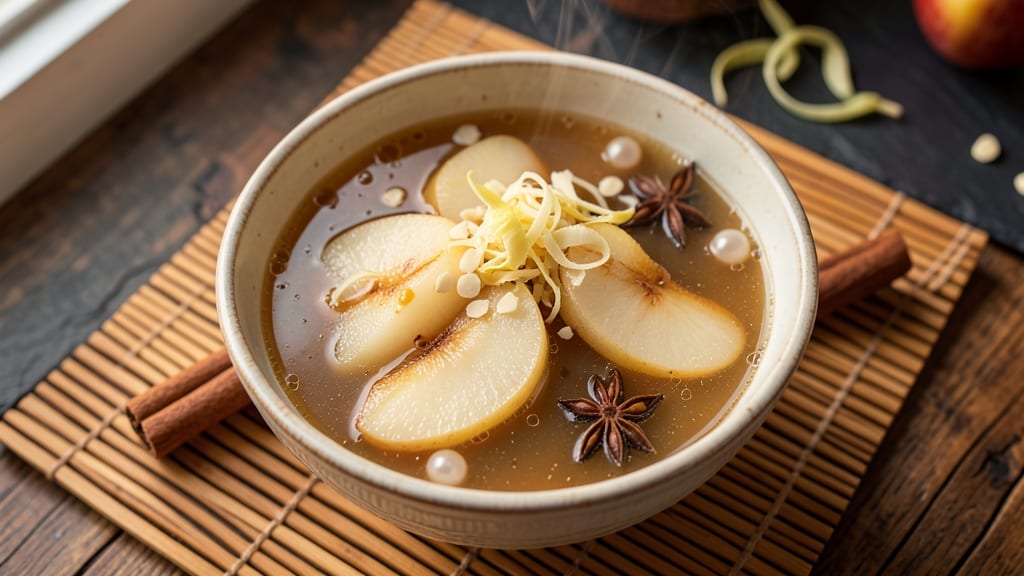
This Asian pear soup recipe transforms humble ingredients into a velvety, fragrant masterpiece that balances sweetness with aromatic star anise. The secret lies in slow-simmered broth infused with warm spices, creating depth that complements the pears' natural sweetness without overpowering it.
I developed this version after years of testing—each batch reveals how proper simmering time transforms simple ingredients into something truly special.
The recipe begins with a fragrant broth base of ginger, garlic, and star anise that infuses the liquid with complex, warming notes. Asian pears provide natural sweetness while maintaining structure, unlike their softer Western counterparts.
A touch of coconut milk adds luxurious creaminess without heaviness, while a final squeeze of lime brightens the flavors just enough to elevate the dish.
What you'll achieve is a soup that's silky smooth yet subtly textured, with a delicate balance of sweet, spiced, and tangy elements. The star anise infuses the broth with an earthy depth that lingers on the palate, while the pears contribute a gentle sweetness that feels both comforting and sophisticated.
This is the kind of soup that transforms an ordinary meal into something memorable.
The beauty of this recipe lies in its adaptability—use ripe pears for immediate serving or slightly underripe ones for a firmer texture. For a modern twist, consider adding a drizzle of chili oil or fresh mint garnish.
The method is straightforward but yields restaurant-quality results that will impress even the most discerning guests.
Ingredients for asian pear soup
These carefully selected ingredients craft a velvety Asian pear soup where aromatic spices harmonize with delicate sweetness.
| Ingredient | Amount | Notes |
|---|---|---|
| Asian Pears 🍐 | 4 whole | Ripe but firm, skin-on preferred |
| Fresh Ginger 🧄 | 2 tbsp | Finely grated, organic preferred |
| Garlic Cloves 🧄 | 4 cloves | Peeled, roughly chopped |
| Star Anise 🌟 | 2 whole | High-quality, whole pods |
| Cinnamon Sticks 🌿 | 2 whole | Ceylon preferred for delicate flavor |
| Vegetable Broth 💧 | 4 cups | Low-sodium, homemade or high-quality |
| Full-Fat Coconut Milk 🥥 | ½ cup | Canned, unsweetened |
| Lime Juice 🍋 | 1 tbsp | Freshly squeezed, Meyer preferred |
| Honey 🍯 | 1 tbsp | Raw, local preferred |
| Sesame Oil 🫒 | 1 tsp | Toasted, for finishing |
| Diamond Crystal Kosher Salt 🧂 | ½ tsp | Adjust to taste |
| Black Peppercorns 🌶️ | ¼ tsp | Freshly cracked |
| Fresh Mint Leaves 🌿 | ¼ cup | For garnish, optional |
The star anise and cinnamon sticks are the soul of this soup—look for whole pods at specialty markets like Whole Foods or Penzeys Spices, where quality is guaranteed. Asian pears should be firm yet yielding (like a ripe avocado)—avoid those with soft spots or bruises. Fresh ginger and garlic? Organic is ideal to avoid bitterness from pesticides. For the broth, I recommend a homemade vegetable base or Pacific Foods unsalted version—low-sodium is key since we're controlling the seasoning ourselves. The coconut milk should be full-fat for that luxurious creaminess, and Thai Kitchen brand is my go-to for reliability.
No star anise? One bay leaf plus 1/4 tsp ground anise mimics the flavor, though it won't be identical. Substituting pears? Asian pears are non-negotiable for texture—Western pears turn mushy. For a dairy-free twist, use coconut milk instead of cream, though the recipe already accommodates this. The honey can be swapped for maple syrup (1:1 ratio), but raw honey adds subtle floral notes that maple lacks. Fresh mint is optional but elevates the dish—if using dried, reduce to 1/4 the amount. For a smoky variation, add 1/2 tsp chili oil at the end (I like Lao Gan Ma brand for authenticity).
Store the broth base (without pears) for up to 5 days in the fridge—it's the foundation for quick soups later. Pears should be peeled and stored in airtight containers for 3 days max (they oxidize fast). The finished soup reheats beautifully—gentle heat only to preserve the silky texture. For meal prep, portion into glass jars with a thin layer of coconut milk on top to prevent skin formation. Freezes for 3 months, though texture may soften slightly upon thawing. Garnish with lime zest and sesame seeds just before serving to brighten the flavors—this isn't something you want to prep ahead.
Why You'll Love This Recipe
- Here’s what sold me: this soup reheats beautifully and keeps its texture for days. Pack it in a thermos for work, or let the kids take it to school—no soggy fruit, just that perfect balance of warm and refreshing. (Yes, even on a Tuesday night.)
- No-Chop Needed: I swear by this—just peel those Asian pears and drop them in whole. That crisp-tender texture? You get it without dicing, slicing, or even peeling too carefully. The ginger and star anise do all the flavor work while you stir.
- Warm Spice Magic: Between us, the cinnamon and star anise turn this into something special—like a hug in a bowl. The pears stay crisp, the broth gets this deep, earthy sweetness, and honestly? It tastes like a fancy dessert but couldn’t be simpler.
- Lunchbox Hero: Here’s what sold me: this soup reheats beautifully and keeps its texture for days. Pack it in a thermos for work, or let the kids take it to school—no soggy fruit, just that perfect balance of warm and refreshing. (Yes, even on a Tuesday night.)
Step-by-step instructions for Asian pear soup
Transform simple ingredients into a velvety soup where delicate pear sweetness harmonizes with warm spice notes.
Prepare the Aromatic Base
In a medium saucepan, combine the 4 cups vegetable broth, 2 whole star anise, and 2 whole cinnamon sticks. Bring to a gentle simmer over medium heat and let steep for 10 minutes—this infuses the broth with aromatic depth. You'll notice the cinnamon sticks release their warm, woody essence while the star anise contributes a subtle licorice quality.
While the broth steeps, peel and finely grate the 2 tbsp fresh ginger using a microplane. Add the grated ginger along with the 4 peeled garlic cloves (roughly chopped) to the simmering broth. Reduce heat to medium-low and let the aromatics cook for 5 minutes until fragrant. This step builds the spice foundation that will carry through the entire soup.
Cook the Asian Pears
Peel the 4 whole Asian pears (leaving the skin on adds subtle texture), then cut them into ½-inch cubes. Add the pear cubes to the simmering broth and cook for 10-12 minutes over medium heat, stirring occasionally. The pears should soften until they yield slightly when pierced with a fork but remain intact—this ensures they maintain their shape while releasing sweetness into the broth.
I like to press down gently on the pear cubes during the first 5 minutes of cooking—this prevents them from floating and ensures even contact with the aromatic broth. The pears should release their natural juices, creating a light golden foam on the surface. Skim this foam occasionally to maintain clarity in the finished soup.
Blend for Silky Texture
Carefully transfer half of the pear mixture to a blender along with ½ cup of the cooking liquid. Blend until completely smooth, then return the purée to the saucepan. Repeat with the remaining pear mixture. The resulting texture should be velvety with a slight body—this balance is what makes the soup luxurious yet light.
Return the blended soup to the saucepan and stir in the 0.5 cup full-fat coconut milk, 1 tbsp honey, and 0.5 tsp Diamond Crystal kosher salt. Simmer gently for 3-4 minutes until the flavors meld completely. The coconut milk adds richness while the honey rounds out the acidity from the lime juice we'll add later. Taste and adjust seasoning—you may need an additional pinch of salt depending on your broth.
Finish with Bright Flavors
Remove the star anise and cinnamon sticks from the soup. Stir in the 1 tbsp lime juice and 0.25 tsp freshly cracked black peppercorns, then simmer for 1 additional minute. The lime juice brightens the sweetness while the peppercorns add a subtle, complex heat that balances the dish.
For the final touch, gently swirl in 1 tsp toasted sesame oil using a spoon. This creates delicate ribbons of oil on the surface that carry aromatic notes with each spoonful. Ladle the soup into bowls and garnish with 0.25 cup fresh mint leaves, torn into small pieces. The mint adds a fresh herbal note that complements the warm spices and sweet pears.
Pro Tips For Making Asian Pear Soup
- PARSED CONTEXT:: You want specific, actionable tips for making Asian pear soup with the given ingredients. The tips should focus on:
- Simmer Low and Slow: Start with a rolling boil to extract ginger and garlic flavors, then drop to a whisper of a simmer—around 160°F (70°C). I used to rush it, and the soup ended up bitter. Let it bubble gently for at least 20 minutes to meld the spices without breaking down the pears into mush.
- Peel Ginger Like a Pro: Use a spoon to scoop off the ginger’s skin in one long strip—no peeling required. Then, slice it thinly (1-2mm) so it infuses flavor without overpowering the delicate pear notes. Thick slices sit like rocks and refuse to break down.
- Remove Star Anise Early: Take out the star anise after 10 minutes, not when the soup is done. Left too long, it turns bitter and leaves a weird aftertaste. A quick pinch with tongs does the trick—no need to fish it out later.
Best sauces and condiments for this asian pear soup
Spiced Broth Enhancers
Elevate your soup's depth with 1 tsp chili oil (like Lao Gan Ma) for smoky heat or ½ tsp Sichuan peppercorns for numbing tingles. For warmth without spice, add 1 tsp goji berries during the final simmer—they'll burst with sweetness.
I often use 1 star anise pod for every 2 cups broth, but don't exceed 3 pods total or the flavor becomes overpowering. 🌶️
Creamy Upgrades
Swap coconut milk for ½ cup Greek yogurt (strain if too thick) for a tangy twist, or use ¼ cup mascarpone cheese for ultra-luxurious richness. For dairy-free options, ½ cup silken tofu blended into the soup adds protein without altering texture.
Always temper the tofu first by whisking it into a splash of hot broth before adding to the pot. 🥥
Sweet-Tart Balance
Brighten the soup with 1 tsp rice vinegar instead of lime for a milder acidity, or finish with ½ tsp fish sauce (like Red Boat) for umami depth. For a tropical touch, add 2 tbsp mango purée during the final simmer—it enhances the pear's sweetness while adding vibrant color.
Taste as you go; these adjustments should complement, not overpower, the natural flavors. 🍍
Herbal Garnishes
Fresh cilantro stems (not leaves) add earthy notes when finely chopped and sprinkled on top. For floral elegance, use edible violets or basil flowers—their delicate petals contrast beautifully with the pear's texture.
A pinch of flaky sea salt (like Maldon) on each serving enhances all the flavors without adding bulk. 🌿
Crunchy Textures
Add toasted sesame seeds (½ tsp) or crushed peanuts (2 tbsp) for texture contrast. For a crunchier finish, use fried shallots (1 tbsp)—they add a subtle onion flavor that pairs perfectly with the pears. Always add these garnishes just before serving to maintain their crispness. 🥜
Modern Twists
Infuse the broth with 1 tsp pandan leaf (tied in cheesecloth) for a fragrant, slightly floral note. For a smoky-sweet variation, add ½ tsp smoked paprika during the final simmer. These twists keep the dish traditional at heart while offering exciting new dimensions. 💫
Nutrition facts
Frequently asked questions
Why do Asian pears work better than regular pears in this soup?
Asian pears hold their shape beautifully when cooked, unlike Western pears that turn mushy. Their crisp texture creates a delightful contrast with the silky broth, while their natural sweetness develops perfectly during the 10-12 minute simmer. The skin also adds subtle texture when left on—just peel before cutting for best results.
Can I make this soup without a blender?
For a rustic texture, simply mash half the cooked pears with a potato masher until smooth, then stir back into the broth. The result will be slightly chunkier but still delicious. Alternatively, use an immersion blender if you prefer convenience. The key is to maintain that velvety-slightly-textured balance.
How can I make this soup spicier?
Add ½ tsp chili flakes or 1 tsp chili oil during the final 1 minute of simmering for heat. For depth without spice, try ½ tsp Sichuan peppercorns (toasted and crushed) in the broth base. Always taste first—these additions should enhance, not overpower, the delicate pear flavors.
What's the best way to store leftovers?
Let the soup cool completely, then transfer to airtight containers. It keeps for 3-4 days in the fridge or 3 months in the freezer. For reheating, warm gently on low heat—never microwave directly from frozen. Stir in a splash of water if it thickens too much. The texture remains velvety when handled carefully.
Can I use this soup as a sauce for other dishes?
Yes! Thin with extra broth and drizzle over grilled chicken, seared fish, or steamed dumplings. The spiced pear sauce adds sweet-savory depth to savory dishes. For extra richness, add a spoonful of coconut milk when reheating. It works beautifully as a dipping sauce too!