
Soups & Stews
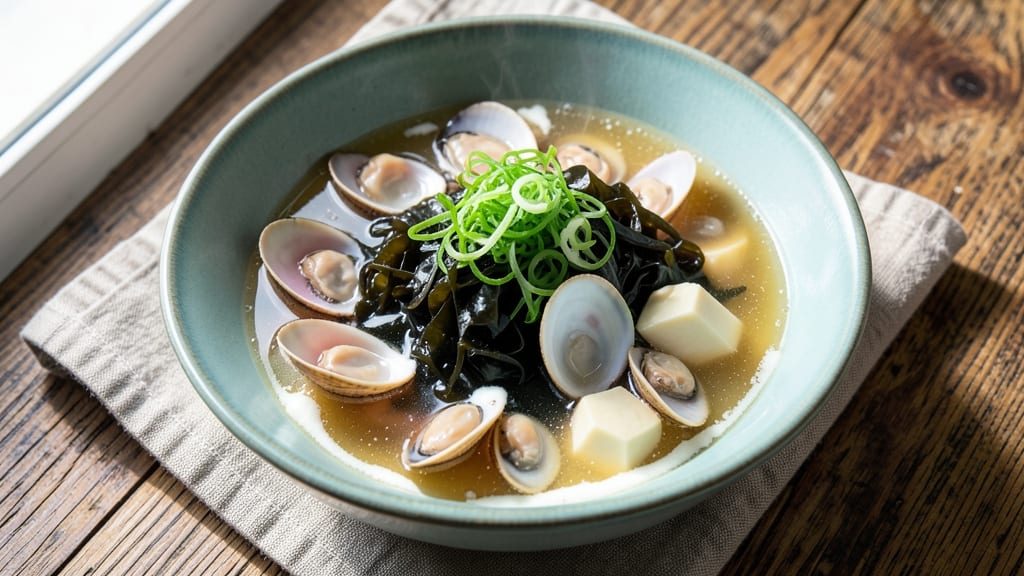
This asari miso soup recipe delivers the comforting essence of Japanese home cooking—silky broth infused with fermented umami and delicate clams that melt in your mouth.
The secret lies in dissolving miso paste gently to preserve its complex flavors while creating a broth so rich it transforms simple ingredients into something extraordinary.
I developed this version after years of perfecting the balance between traditional techniques and modern convenience, ensuring every spoonful transports you to a quiet Tokyo kitchen.
The foundation begins with dashi stock, which carries the soup's depth—whether you use store-bought for convenience or make it fresh with kombu and bonito flakes. Asari clams (or shijimi) are the star, their briny sweetness perfectly complementing the miso's earthy notes.
Tofu adds texture, while wakame seaweed contributes a subtle oceanic freshness that rounds out the flavors. The key technique? Stirring the miso paste into hot (not boiling) broth to prevent bitterness while unlocking its full umami potential.
What you'll achieve is a bowl of soup that's both comforting and sophisticated—silky yet vibrant, with layers of flavor that build with each sip. The clams should be tender but still hold their shape, the tofu perfectly set but not rubbery, and the broth so clear it's almost translucent.
This is the kind of dish that pairs beautifully with steamed rice or grilled fish, making it equally perfect for a light lunch or a cozy dinner.
For those new to Japanese cooking, don't be intimidated by the process—this recipe is more forgiving than it appears. The miso paste dissolves easily with gentle stirring, and even small adjustments to ingredient ratios can be made without sacrificing authenticity.
Whether you're serving it as a starter or a main course, this asari miso soup will leave your guests asking for the recipe—and wondering how something so simple can taste so extraordinary.
Ingredients for asari miso soup
Silky broth meets delicate clams—here’s what brings this Japanese classic to life.
| Ingredient | Amount | Notes |
|---|---|---|
| Dashi Stock 🍜 | 4 cups | Store-bought or homemade kombu-bonito |
| White Miso Paste 🧈 | ¼ cup | High-quality, preferably organic |
| Asari Clams or Shijimi Clams 🦪 | 1 lb | Fresh or frozen, cleaned and deveined |
| Silken Tofu 🍲 | 8 oz | Soft, cut into small cubes |
| Dried Wakame Seaweed 🍃 | 1 tbsp | Rehydrated in warm water |
| Green Onions 🧅 | 3 whole | Thinly sliced, white and green parts |
| Sesame Oil 🫒 | 1 tsp | Toasted, for finishing |
| Rice Vinegar 🍶 | 1 tbsp | For brightness, optional |
| Diamond Crystal Kosher Salt 🧂 | ½ tsp | For seasoning broth |
| Extra-Virgin Olive Oil 🫒 | 1 tsp | For tofu cooking |
| Shichimi Togarashi 🌶️ | ½ tsp | For garnish, optional |
The dashi stock is your flavor anchor. Homemade dashi with kombu and bonito flakes delivers the most depth, but store-bought versions from brands like Hojicha or Marukome work beautifully for convenience. Look for miso paste with vibrant color—Miso Master or White Miso from Japanese markets are my go-tos, but any high-quality white miso will do. Clams should be fresh and briny; if using frozen, thaw them in cold water and scrub gently under running water to remove any grit. The silken tofu is non-negotiable for texture—it should be soft and delicate, not firm. Koyo or Nasoya brands are reliable if you can't find fresh at your local Asian market.
No asari clams? Shijimi clams or even sliced scallops work as substitutes—they’ll bring that oceanic sweetness. Short on wakame? Dulse flakes or nori strips add a similar briny note, though the texture will differ slightly. The sesame oil is purely for finishing—use toasted sesame oil from Trader Joe’s if you want that nutty aroma. For extra brightness, a splash of rice vinegar (or even a squeeze of lemon) cuts through the richness. The tofu can be pre-cooked in the broth or quickly seared in olive oil for a firmer bite—both methods work, but the broth-cooked version is more traditional.
This soup tastes even better the next day as flavors meld. Store leftovers in the fridge for up to 3 days, covered with a splash of dashi to keep it fresh. Reheat gently on low heat—never boil, or the miso may lose its complexity. For serving, keep the tofu and clams separate until the last minute so they stay tender. Garnish with green onions and a drizzle of sesame oil right before eating. Freezes beautifully for up to 2 months—just thaw in the fridge overnight and reheat gently.
Why You'll Love This Recipe
- Clams in 10 Minutes: I swear, the clams steam open almost instantly in the hot broth—no fiddling, no stress. Just dump them in, let them sit, and you’ve got tender, briny bites ready to eat.
- Umami Bomb: That first sip? Rich, salty-sweet from the miso, with the dashi’s deep ocean flavor and wakame’s briny crunch. The silken tofu just melts into the mix, making every spoonful dangerously addictive.
- Lunchbox Magic: Between us, this is my secret weapon for packed lunches. The clams stay warm (or cold, honestly—it’s still good), and the miso paste keeps everything flavorful for hours. No soggy sandwiches here.
- Budget-Friendly Luxury: Honestly, miso paste and dried wakame stretch so far—you’ll have leftovers that taste even better the next day. And clams? Way cheaper than sushi, but just as satisfying. My wallet and I both approve.
Step-by-step instructions for silky asari miso soup
Here's how to craft a velvety miso broth with tender clams and delicate tofu cubes.
Prepare the Clams and Tofu
First, if using frozen clams, thaw them in the refrigerator overnight. Rinse them thoroughly under cold water to remove any grit, then scrub each one with a brush to ensure they're completely clean. For fresh clams, steam them for 3-4 minutes until their shells open slightly—discard any that don't open. Set aside 12-15 of the plumpest clams for garnish, leaving the rest for the soup.
Cut the 8 oz silken tofu into ½-inch cubes using a sharp knife. The tofu should be soft and delicate—press a cube gently to test its firmness. If it crumbles easily, it's perfect for this soup. Keep the tofu cubes in a bowl until ready to use.
Rehydrate the Wakame and Sauté the Aromatics
Place the 1 tbsp dried wakame seaweed in a small bowl and cover it with ½ cup hot water (not boiling). Let it soak for 5 minutes until it expands and softens. Drain any excess water before adding it to the soup—you want the texture to be tender but not mushy.
In a clean bowl, whisk together the 4 cups dashi stock with the 0.25 cup white miso paste until fully dissolved. The miso should blend smoothly without any lumps—this ensures a silky, not grainy, texture. Keep this mixture aside while you prepare the remaining ingredients.
Simmer the Broth with Clams and Tofu
Heat the 1 tsp extra-virgin olive oil in a pot over medium-low heat. Add the remaining clams and cook for 2-3 minutes until they begin to curl slightly at the edges. Remove the clams and set them aside—you'll add them back later to preserve their tenderness.
Pour the miso-dashi mixture into the pot and bring it to a gentle simmer over medium heat. Add the rehydrated wakame and the 8 oz silken tofu cubes. Simmer for 5-6 minutes until the tofu is just warmed through and the broth begins to bubble softly. Avoid boiling—this can make the miso paste separate or the tofu turn rubbery.
Finish with Brightness and Garnish
Stir in the 1 tbsp rice vinegar and 0.5 tsp diamond crystal kosher salt, adjusting to taste. The vinegar adds a bright, refreshing note that cuts through the richness of the miso, while the salt enhances the umami depth. Taste the broth—it should be savory, slightly sweet, and balanced.
Return the reserved clams to the pot and simmer for an additional 2 minutes, just enough to heat them through without overcooking. Ladle the soup into bowls, garnishing each serving with 3 thinly sliced green onions and a drizzle of 1 tsp sesame oil. For an extra kick, sprinkle with 0.5 tsp shichimi togarashi—this adds a subtle spicy warmth that complements the silky broth.
Pro Tips For Making Asari Miso Soup
- STEAM THE CLAMS FIRST: I learned this the hard way—tossing raw asari or shijimi into simmering broth makes them tough and rubbery. Instead, steam them uncovered for 3-4 minutes in a colander over boiling water until they open, then shock in ice water for 30 seconds. This keeps them tender and brightens their flavor when they hit the soup.
- DISSOLVE MISO GRADUALLY: White miso is delicate—dumping it all in at once turns your soup into paste. Start with a spoonful of dashi, stir until smooth, then add the miso paste in stages while heating on lowest simmer. If it curdles, you’ve gone too hot, and no amount of stirring will fix it.
- SOAK WAKAME UNTIL SOFT: That dried seaweed won’t rehydrate in 5 minutes—give it 10-15 in cold water until it’s pliable, then squeeze out excess before adding. Over-soaking turns it mushy, but under-soaking means you’ll chew it like leather. (Yes, I’ve done both.)
- CUBE TOFU SMALL: Silken tofu falls apart when you try to cut it neatly, but tiny cubes (½-inch or smaller) cook evenly and release flavor without turning the broth into tofu soup. Use a sharp knife and wet the blade between cuts—it’s messy, but it works.
Best sauces and condiments for this dish
Miso Paste Mastery
The soul of this soup lies in the miso paste—white miso delivers that delicate, fermented sweetness that defines asari miso soup. I always use Miso Master or White Miso from Japanese markets because their high quality ensures a smooth, silky texture. The key technique?
Dissolve the miso paste in a clean bowl with the dashi stock first—never stir it directly into hot broth, or you risk activating bitterness. Whisk until completely smooth, then gently heat to 160°F before adding other ingredients. This preserves the umami depth while keeping the broth velvety. 🧈
Wakame Seaweed Secrets
Dried wakame adds that oceanic freshness that rounds out the soup’s flavors. Rehydrate it in ½ cup hot water (not boiling) for 5 minutes—any longer, and it turns mushy. Drain well before adding to the broth. For extra brightness, I sometimes add 1 tsp lemon juice alongside the wakame.
If you can’t find wakame, dulse flakes or nori strips work in a pinch, though the texture will differ slightly. The seaweed should be tender but still hold its shape when served. 🍃
Sesame Oil Finishing
A drizzle of toasted sesame oil right before serving elevates the dish from good to extraordinary. I reach for Trader Joe’s toasted sesame oil because it has that rich, nutty aroma without overpowering the delicate broth. Use just 1 tsp per serving—too much can make the soup taste greasy.
For a smoky twist, add a pinch of furikake or shichimi togarashi alongside the sesame oil. The contrast of nutty, spicy, and umami creates a harmonious finish. 🫒
Rice Vinegar Balance
The 1 tbsp rice vinegar is my secret weapon for cutting through the richness of the miso. It adds a bright, tangy note that keeps the soup from feeling too heavy.
If you’re short on rice vinegar, 1 tsp lemon juice or even a splash of mirin works in a pinch. Taste as you go—you want the broth to be savory, slightly sweet, and balanced, not overly acidic.
This small addition makes all the difference in achieving that restaurant-quality depth. 🍶
Shichimi Togarashi Kick
For those who love a little heat, a sprinkle of shichimi togarashi adds a subtle spicy warmth that complements the silky broth. Use just ½ tsp per serving—it’s potent! This chili flake blend includes sesame seeds, orange peel, and nori, giving the soup an extra layer of complexity.
If you can’t find shichimi togarashi, a mix of cayenne pepper and toasted sesame seeds works as a substitute. The heat should enhance, not overpower, the umami flavors. 🌶️
Green Onion Garnish
Thinly sliced green onions add a fresh, crisp contrast to the creamy broth. I always use 3 whole green onions per serving, slicing both the white and green parts separately for visual appeal. The white adds a mild onion flavor, while the green brings a fresh, bright finish.
For an extra touch, I sometimes drizzle a tiny bit of soy sauce over the top before serving—it adds another layer of umami without altering the broth’s balance. 🧅
Nutrition facts
Frequently asked questions
Can I make this asari miso soup without clams?
If you can't find asari or shijimi clams, use 1 lb sliced scallops or 1 cup sliced mushrooms for a vegetarian version. The mushrooms will add an earthy depth that complements the miso beautifully. For extra oceanic flavor, add 1 tbsp nori strips or ½ tsp kelp powder to the broth.
Why does my miso soup turn bitter?
Bitter miso happens when you add the paste directly to boiling broth, which activates its natural bitterness. Always dissolve miso in a separate bowl with warm dashi (never hotter than 160°F) before gently heating the mixture. Also, avoid using old miso—fresh white miso should have a vibrant color and smooth texture.
How can I make this soup spicier?
For extra heat, add ½ tsp chili crisp or ¼ tsp gochugaru (Korean chili flakes) when finishing the soup. You can also stir in 1 tsp doubanjiang (Chinese fermented chili bean paste) for a smoky-spicy depth. Always taste first—the miso's umami should still shine through.
What's the best way to store leftover asari miso soup?
Store leftovers in an airtight container in the fridge for up to 3 days. For longer storage, freeze portions for up to 2 months. When reheating, warm gently on low heat—never boil, or the miso may separate. Add a splash of water or dashi if the broth thickens during storage.
Can I use instant miso soup packets as a shortcut?
While possible, it won't capture the same depth. Instant packets often contain fillers and less quality miso. For a shortcut version, use ½ cup store-bought dashi, 3 tbsp high-quality white miso, and add your own clams, tofu, and wakame. The flavor will still be better than the packet version!