
Soups & Stews
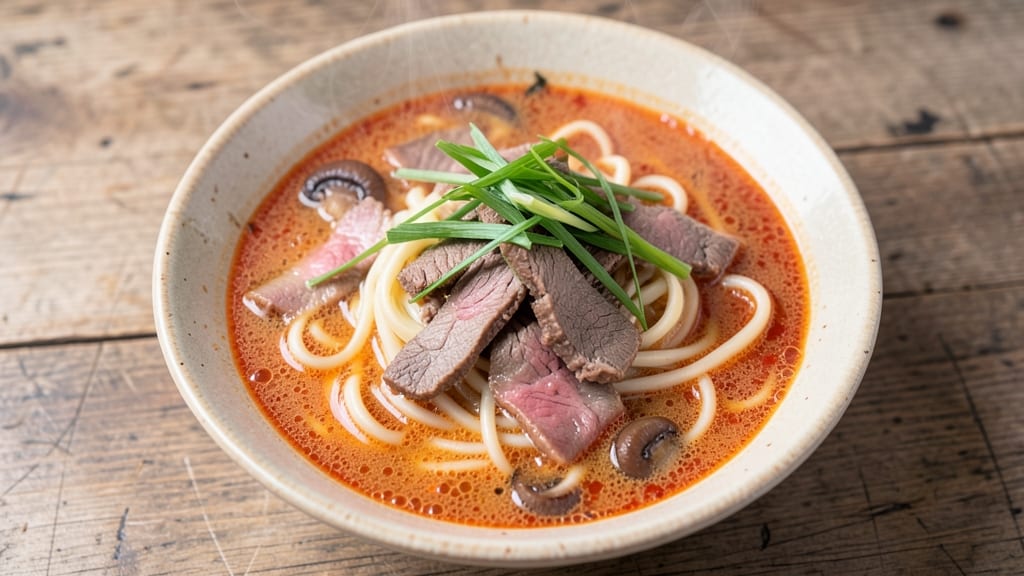
This beef udon miso soup delivers the perfect balance of rich umami broth, silky noodles, and tender beef—every spoonful packed with comforting depth. The secret lies in a carefully built dashi base, where kombu and shiitake mushrooms develop complex flavors through slow simmering.
I've refined this recipe over years of testing, ensuring the broth remains clear and vibrant while carrying layers of savory notes that make it impossible to resist.
What sets this soup apart is the tender beef—thinly sliced and cooked just until it yields to your chopsticks, never overpowering the delicate broth. The udon noodles cook in the same broth, absorbing its essence for a silky texture that's both satisfying and light.
Garnishes like crisp green onions, delicate tofu, and nori strips add freshness and visual appeal, completing a bowl that's as beautiful as it is delicious.
This recipe respects traditional techniques while offering flexibility—whether you prefer a classic miso flavor or want to add a touch of spice with chili oil.
The broth's depth comes from patience: letting the kombu and shiitake infuse the water before adding miso creates a harmony of flavors that's hard to replicate quickly. Each element works together to create a bowl that feels like a warm embrace on any day.
The result is a restaurant-quality soup that's surprisingly simple to make at home. With just a few key ingredients and careful timing, you'll achieve a balance of textures and flavors that's both comforting and impressive.
Perfect for a cozy weeknight dinner or a special meal with friends, this udon miso soup proves that homemade can truly rival your favorite takeout.
Ingredients for beef udon miso soup
Rich umami broth meets tender beef and silky noodles—just these ingredients transform into a comforting bowl.
| Ingredient | Amount | Notes |
|---|---|---|
| Kombu Dried Seaweed 🌿 | 1 sheet | High-quality, no salt added |
| Dried Shiitake Mushrooms 🍄 | 6 whole | Stems removed, organic preferred |
| Red Miso Paste 🧈 | 3 tbsp | Aged 1-2 years for depth |
| Udon Noodles 🍜 | 12 oz | Fresh or dried, thick variety |
| Thinly Sliced Beef 🥩 | 1 lb | Ribeye or sirloin, against grain |
| Green Onions 🧅 | 4 whole | Thinly sliced for garnish |
| Silken Tofu 🧀 | 7 oz | Firm, cut into cubes |
| Nori Sheets 🍣 | 2 sheets | For garnish, cut into strips |
| Sesame Oil 🫒 | 1 tsp | Toasted, for finishing |
| Dried Bonito Flakes 🐟 | 1 tbsp | Optional, for extra umami |
| Soy Sauce 🥫 | 2 tbsp | Kosher salt preferred |
| Rice Vinegar 🍶 | 1 tbsp | For brightness |
| Sesame Seeds 🌾 | 1 tsp | Toasted, for garnish |
| Chili Oil 🌶️ | 1 tsp | Optional, for heat |
The kombu and shiitake are the flavor foundation. Look for kombu sheets at Asian markets—they should be dark, leathery, and free of holes. Dried shiitake mushrooms from bulk bins or vacuum-sealed packages work best; avoid the pre-soaked kind. For miso, Miso Master or Hokkaido brands deliver that deep, fermented richness. The beef is non-negotiable—ribeye or sirloin sliced paper-thin against the grain ensures it cooks quickly without toughness. If you can't find pre-sliced beef, ask your butcher to do it (or freeze it for 30 minutes first to make slicing easier).
No kombu? Dulse flakes at half the amount work in a pinch, though the flavor will differ slightly. Short on shiitake? Cremini mushrooms can substitute, but they won't deliver the same umami depth. The udon noodles can be fresh or dried—just check the cooking time (fresh cooks in 2-3 minutes). For the tofu, silken tofu is ideal, but firm tofu pressed for 15 minutes also works. The nori sheets? Trader Joe's or Japanese specialty stores have the best selection—avoid the pre-packaged nori flakes if you want that classic garnish. Want more heat? Add a dash of gochujang or a sprinkle of red pepper flakes instead of chili oil.
The kombu and shiitake can soak overnight in cold water for easier flavor extraction (discard before using). Store miso paste in the fridge once opened—it keeps for months. The udon noodles freeze beautifully, so buy extra. Beef should be used within 2 days of slicing for best texture. Tofu and nori keep for 1 week in the fridge, while sesame oil lasts 6-12 months unopened. This soup actually tastes better the next day as flavors meld—make a double batch and save leftovers for lunch.
Why You'll Love This Recipe
- Foolproof Simplicity: I swear by this recipe because it’s literally hands-off after the initial prep. Soak the kombu and shiitakes in hot water while you slice the beef—no chopping, no fuss. The broth builds itself, and by the time the udon’s ready, you’re just stirring in the miso and beef. Twenty minutes max, and zero stress.
- Umami Bomb: That first sip? Chef’s kiss. The kombu and shiitakes infuse the broth with deep, savory richness, while the red miso adds a subtle sweetness that balances the beef’s ironiness. It’s the kind of flavor that hits you like a warm hug—especially when you’re tired and just need something to hit the spot.
- Weeknight Workhorse: This soup is my go-to when I’m swamped but still want something impressive. Double the batch on Sunday, and you’ve got lunch for Tuesday and dinner for Thursday. The flavors actually improve the next day, so leftovers aren’t just acceptable—they’re a treat. (Yes, even on a Tuesday night.)
- Budget-Friendly Luxury: Thinly sliced beef might sound fancy, but a few strips go a long way in this broth. Dried shiitakes and kombu stretch your dollar without sacrificing depth, and udon noodles are cheaper than takeout but way more satisfying. It’s the kind of meal that makes you feel like you’re treating yourself—without breaking the bank.
Step-by-step instructions for beef udon miso soup
Here's how to craft a deeply flavorful broth with tender beef and silky noodles.
Prepare the Kombu and Shiitake Base
Place the 1 sheet Kombu Dried Seaweed in a large pot and cover it with 8 cups cold water. Bring to a gentle simmer over medium heat—you should see small bubbles forming but not a rolling boil. This controlled simmer extracts the kombu's natural umami without making it bitter.
While the kombu heats, remove the stems from the 6 whole Dried Shiitake Mushrooms and add them to the pot. Let everything simmer uncovered for 15 minutes. You'll notice the mushrooms rehydrate and the broth develop a rich, earthy aroma. This initial step builds the foundation of your soup's depth.
Build the Umami Broth
After 15 minutes, carefully remove and discard the kombu and shiitake mushrooms using tongs. Add the 3 tbsp Red Miso Paste to the pot and stir gently to dissolve completely. The miso should blend smoothly without clumping—this ensures even flavor distribution throughout the broth.
Bring the broth back to a simmer and add the 1 lb Thinly Sliced Beef. Cook for 8-10 minutes until the beef is just tender but still holds its shape. The broth should now have a deep reddish color and a complex, layered aroma. This is where the magic happens—the miso and kombu combination creates that signature umami punch.
Prepare the Noodles and Tofu
While the beef cooks, prepare the 12 oz Udon Noodles according to package instructions—usually 3-4 minutes in boiling water until al dente. Drain immediately and rinse briefly under cold water to stop the cooking process. This prevents the noodles from becoming mushy when added to the hot broth later.
Cut the 7 oz Silken Tofu into ½-inch cubes and set aside. The tofu will gently melt into the soup, adding creaminess without overpowering the other flavors. Keep it separate until the final step to maintain its delicate texture.
Finish the Soup with Brightness
Remove the beef from the broth and set it aside. Stir in the 2 tbsp Soy Sauce and 1 tbsp Rice Vinegar, along with the 1 tbsp Dried Bonito Flakes if using. The vinegar adds a subtle brightness that cuts through the richness, while the bonito flakes contribute an extra layer of umami. Let the broth simmer for 2 minutes to allow these flavors to meld.
Return the beef to the pot and add the cooked udon noodles. Gently stir everything together—you want the noodles to absorb some of the flavorful broth without breaking. The soup should now have a perfect balance of rich, savory, and slightly tangy notes. Taste and adjust seasoning if needed, adding a splash of water if the broth is too thick.
Assemble and Garnish
Ladle the hot soup into bowls, dividing the udon noodles evenly. Top each serving with the Silken Tofu cubes, ½ of the sliced Green Onions, and a few Nori Sheet strips. Drizzle with 1 tsp Sesame Oil and a final touch of 1 tsp Chili Oil if using. The contrast of textures and temperatures—hot soup, cool tofu, crisp nori—makes each bite exciting.
Finish with a sprinkle of 1 tsp Sesame Seeds for crunch and visual appeal. Serve immediately while the broth is steaming hot, as this is when all the flavors shine brightest. The combination of tender beef, silky noodles, and deeply umami broth creates a comforting bowl that's perfect for any occasion.
Pro Tips For Making Beef Udon Miso Soup
- Bloom the Shiitakes First: Soak your dried shiitakes in hot—not boiling—water (about 170°F/75°C) for 10 minutes before adding to the broth. This jumpstarts their flavor extraction and prevents them from turning to mush later. I learned this the hard way when my soup ended up with sad, soggy mushrooms instead of rich, meaty bites.
- Simmer Kombu Low and Slow: Add the kombu to cold water and bring to a gentle simmer, then immediately reduce to the lowest heat possible—barely bubbles, no rolling. High heat turns kombu bitter, and you’ll regret it when the umami depth is off. I used to rush this, and the broth always tasted harsh afterward.
- Sear Beef Before Adding: Quickly sear the thinly sliced beef in a dry pan over high heat for 20–30 seconds until just browned, then remove. The caramelized crust adds depth to the miso broth without overcooking the beef. I skipped this once and the soup lacked that smoky richness—now I never skip it.
- Dissolve Miso Properly: Mix the red miso paste with a splash of the hot broth before adding it to the pot to avoid clumping. Use a whisk or fork to break it down completely—this ensures a smooth, velvety texture. I’ve seen people just toss it in, and it always ends up in little gritty lumps.
Serving suggestions for leftovers
Bowl Presentation
Start with a wide, shallow bowl to showcase each component. Ladle the hot soup first, then arrange the udon noodles in a circular pattern around the edge.
This creates visual interest while keeping the broth central. I like using ceramic or stoneware bowls—they retain heat better and elevate the dish's appearance. 🥣
Garnish Placement
Distribute toppings strategically: place silken tofu cubes near the top of the bowl, green onions in a fan shape across the noodles, and nori strips vertically along the sides.
A drizzle of sesame oil and chili oil should spiral from the center outward for an artistic touch. The contrast of colors and textures makes every bite visually appealing.
Serving Utensils
Use chopsticks or a wide spoon for serving. I recommend bamboo chopsticks for authenticity, but a deep soup spoon works well too. Place a small bowl of extra broth on the table for dipping noodles—this is a common practice in Japanese dining.
A small ceramic dish for the broth keeps everything tidy and stylish.
Accompaniments
Serve with steamed edamame or pickled vegetables on the side for a balanced meal. I often add Japanese rice vinegar with a touch of honey for dipping, or a miso-glazed egg for extra richness. These additions complement the soup's umami without overpowering it. 🍶
Warmth and Timing
Serve the soup immediately while steaming hot—this is when the flavors are most vibrant. If making ahead, reheat gently on the stovetop over low heat for 5-7 minutes, stirring occasionally. Avoid microwaving, as it can make the broth cloudy. The aroma alone will draw everyone to the table. ⏰
Family-Style Sharing
For gatherings, prepare the soup in a large cast-iron pot and place it at the center of the table. Use a ladle with a long handle so everyone can serve themselves.
This communal style encourages conversation and makes the meal feel special. I've found that adding a small plate of extra toppings lets guests customize their bowls to taste. 💫
Nutrition facts
Frequently asked questions
Can I use regular udon noodles instead of thick udon?
Yes! Standard udon noodles work perfectly—they just cook slightly faster (2-3 minutes instead of 3-4 minutes). For extra heartiness, try thick udon (like the recipe calls for), but thin udon still delivers that satisfying chew. Just test for doneness early to avoid overcooking.
What's the best way to store leftover beef udon miso soup?
Store in an airtight container for up to 3 days in the fridge. Reheat gently on the stovetop over low heat for 5-7 minutes, stirring occasionally. The flavors actually deepen overnight! For longer storage, freeze the broth separately (without noodles) for up to 3 months.
Can I make this soup vegetarian?
Swap the beef for shiitake mushrooms (extra for texture) or marinated tofu cubes. Keep the kombu and miso for umami depth, and add 1 tbsp soy sauce for saltiness. The broth will still be rich and satisfying—just omit the bonito flakes if avoiding fish products.
Why did my broth turn cloudy?
Cloudiness usually means the miso paste wasn't fully dissolved or the broth simmered too vigorously. Stir the miso gently into warm broth (not boiling) to prevent clumping. For a clear broth, strain through a fine-mesh sieve before adding noodles. The flavor won't suffer—it's just a texture difference!
How can I add more heat to this recipe?
For spicy miso soup, add 1 tsp chili oil per bowl or stir in ½ tsp gochujang with the miso paste. For extra kick, top with red pepper flakes or a dash of sriracha. Balance the heat with more silken tofu or a splash of rice vinegar to keep the broth bright.