
Soups & Stews
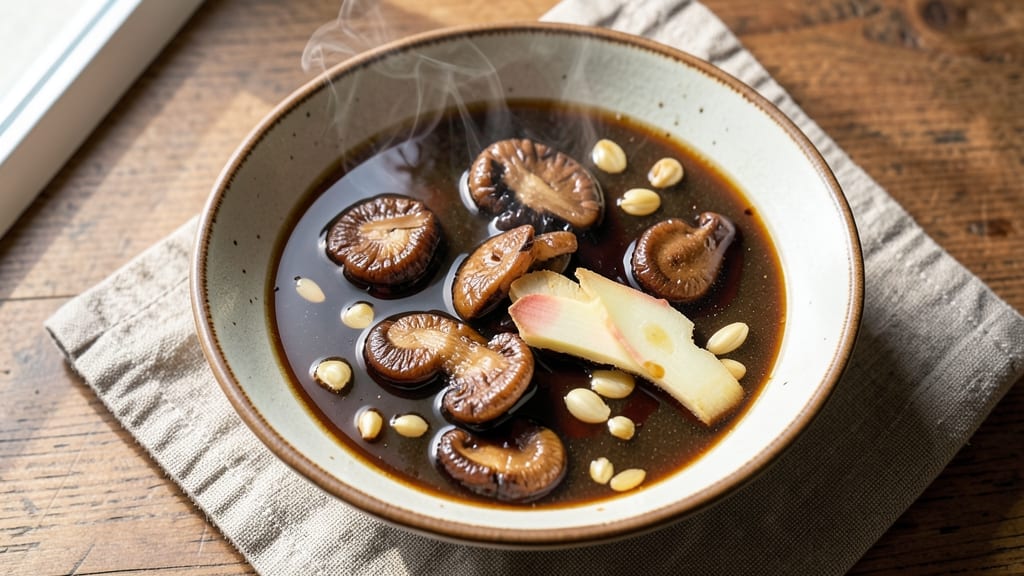
This Asian noodle soup base recipe transforms instant ramen into a restaurant-quality experience with just 15 minutes of simmering. The secret lies in balancing umami-rich ingredients—dried shiitake mushrooms, fish sauce, and soy sauce—that create a deep, savory foundation.
I developed this after years of testing broths, and it never fails to elevate any noodle soup.
The base starts with a simple aromatic blend of ginger, garlic, and scallions, then builds layers of flavor through slow simmering. Using dried shiitake mushrooms instead of fresh adds an earthy depth that's hard to replicate, while a splash of sesame oil at the end ties everything together.
This method delivers a concentrated broth that can be diluted for lighter soups or used as-is for heartier versions.
What makes this recipe professional is its flexibility—use it as a quick pho base, ramen upgrade, or even a miso broth alternative. The umami-packed foundation ensures every spoonful delivers complex flavor without overpowering the noodles or toppings. Once you try this, store-bought broths will never taste the same.
For best results, simmer the broth for at least 15 minutes to let flavors meld, then adjust seasoning to taste. Store leftovers in the fridge for up to 5 days or freeze for future use. This is the secret weapon behind countless upgraded noodle soups.
Ingredients for asian noodle soup base
Eleven ingredients create a restaurant-quality umami foundation for any Asian noodle soup.
| Ingredient | Amount | Notes |
|---|---|---|
| Dried Shiitake Mushrooms 🍄 | ½ oz | High-quality, whole or sliced |
| Fish Sauce 🍶 | 1 tbsp | Red Boat preferred for quality |
| Light Soy Sauce 🥫 | 2 tbsp | Kikkoman or similar |
| Dark Soy Sauce 🥫 | 1 tbsp | For depth of flavor |
| Fresh Ginger 🧄 | 1 tbsp | Finely grated, peeled |
| Garlic Cloves 🧄 | 4 cloves | Minced, fresh preferred |
| Green Onions 🧅 | 2 whole | White and green parts separated |
| Sesame Oil 🫒 | 1 tbsp | Toasted, for finishing |
| Water 💧 | 4 cups | Filtered preferred |
| Salt 🧂 | ½ tsp | Diamond Crystal kosher |
| White Peppercorns 🌶️ | ¼ tsp | Freshly cracked |
The dried shiitake mushrooms are the flavor anchor here—look for thick, meaty caps at specialty stores like Whole Foods or Asian markets. Their earthy depth can't be replicated with fresh mushrooms or store-bought substitutes. Red Boat fish sauce is the gold standard for umami, though any reputable brand works. For soy sauces, Kikkoman light provides clean saltiness while Lee Kum Kee dark soy sauce adds caramelized richness. The ginger and garlic should be freshly grated and minced—pre-minced garlic lacks punch, and powdered ginger tastes flat. Green onions add brightness, so use the white parts for cooking and reserve the greens for garnish.
No dried shiitake? Double the mushrooms in your broth if using fresh, but expect less depth. Fish sauce shortage? Soy sauce plus a dash of Worcestershire (check for anchovies if vegetarian) gets you close. Short on sesame oil? Toasted sesame seeds can be ground into a paste (though texture differs). The water should be filtered if possible—tap water can mute flavors. For a vegetarian version, swap fish sauce for mushroom sauce or coconut aminos. The white peppercorns add subtle warmth without overpowering the broth's delicate balance.
This concentrated broth keeps 5 days refrigerated or 3 months frozen—perfect for batch cooking. For best results, simmer uncovered to allow flavors to develop fully. Portion into ice cube trays before freezing for easy single-use portions. The sesame oil should be added at the end to preserve its delicate aroma. If making a large batch, consider doubling the mushrooms and fish sauce for deeper flavor intensity. Store in airtight containers to prevent absorption of fridge odors.
Why You'll Love This Recipe
- Few Ingredients, Big Payoff: I swear by this combo—just mushrooms, soy sauces, fish sauce, and ginger. No clutter, no stress, just layers of umami that make you forget how simple it really is.
- Umami Bomb Ready: That first sip? Deep, savory, and almost like you simmered for hours. The shiitakes soak up water and deliver earthy richness, while the fish sauce cuts through with a salty punch—no fancy techniques needed.
- Your Base for Anything: Need a quick lunch? Toss in ramen. Hosting? Add tofu and bok choy. Even my picky kid devours it when I turn it into "noodle soup." One pot, endless possibilities.
- Budget Magic: Dried shiitakes last forever, and a little fish sauce goes a long way. I make this all week and freeze portions—no wasted groceries, just flavor on demand. (Yes, even on a Tuesday night.)
Step-by-step instructions for Asian noodle soup base
This umami-rich foundation transforms basic ingredients into a complex, flavorful broth.
Rehydrate and Extract Shiitake Flavor
Place the 0.5 oz dried shiitake mushrooms in a heatproof bowl and pour 4 cups hot water over them. Let them soak for 15 minutes—this rehydrates them and extracts their deep umami essence. The mushrooms should plump up noticeably, absorbing the water and releasing their earthy, meaty flavor into the liquid.
While they soak, separate the white and green parts of the 2 whole green onions. Finely mince the white portions (about 1 tablespoon) for the broth, and set aside the green parts for garnish later. The white sections pack the most flavor, while the greens add freshness at the end. Don't skip this step—it's where the broth's depth begins.
Build the Aromatic Base
Transfer the soaked mushrooms (including the liquid) to a medium saucepan. Add the 1 tablespoon finely grated fresh ginger and 4 cloves minced garlic cloves, stirring to combine. Bring the mixture to a gentle simmer over medium heat—you should see small bubbles forming at the bottom before rising to the surface.
Simmer for 5 minutes until the ginger and garlic are fragrant and the mushrooms have broken down slightly. This step develops the base flavors, ensuring they meld together before adding the sauces. The aroma should be rich and inviting—if it smells weak, you've missed the mark. Here's where the foundation takes shape.
Layer Sauces for Depth
Reduce heat to low and stir in the 1 tablespoon fish sauce, 2 tablespoons light soy sauce, and 1 tablespoon dark soy sauce. The dark soy sauce will add a subtle caramelized richness, while the light soy sauce balances with saltiness. Let the mixture simmer for 8-10 minutes, allowing the flavors to integrate fully.
Taste the broth now—it should be complex but not overpowering. The fish sauce should contribute a savory punch, the soy sauces should add saltiness and depth, and the mushrooms should lend their umami backbone. If it tastes flat, simmer for another 2 minutes to concentrate the flavors. This is the moment where simple ingredients become extraordinary.
Season and Finish
Remove the pan from heat and stir in the 0.5 teaspoon salt and 0.25 teaspoon freshly cracked white peppercorns. The salt enhances all the flavors, while the pepper adds a subtle, sophisticated warmth. Let the broth rest for 5 minutes—this allows the seasonings to fully dissolve and the flavors to settle.
Just before serving, drizzle in the 1 tablespoon toasted sesame oil and toss gently. The sesame oil adds a nutty aroma and visual appeal, finishing the broth with a luxurious touch. The oil should coat the surface evenly, creating a delicate sheen. This is your cue that the broth is ready to elevate any noodle dish.
Pro Tips For Making Asian Noodle Soup Base
- SOAK MUSHROOMS FIRST: I learned this the hard way—tossing dried shiitakes straight into boiling water means you’ll end up with a sad, chewy mess. Soak them in hot (not boiling) water for 15-20 minutes first, then use that liquid in your broth. The mushrooms will rehydrate properly, and the soaking water adds depth without making the soup watery.
- SIMMER GINGER LOW: Fresh ginger burns faster than you’d think, especially when you’re multitasking. Once you add the sliced ginger to your broth, keep the heat at a bare simmer—just enough to see tiny bubbles breaking the surface. I used to crank it up, and the ginger would turn bitter. Low and slow keeps it fragrant and mellow.
- DARK SOY SAUCE LAST: Skip the urge to add dark soy sauce early—it’ll turn your broth into murky brown sludge before the other flavors even develop. Stir in the dark soy sauce in the final 5 minutes of simmering, right before you add the noodles. This keeps the color vibrant and the broth clear, like it’s supposed to be.
- SALT THE BROTH HALFWAY: Fish sauce and soy sauce already pack a punch, but if your broth tastes flat, it’s because you’re waiting too long to salt. Add half the total fish sauce and a pinch of salt when you first combine the aromatics (ginger, mushrooms), then taste again at the end. This balances the flavors without overpowering them—trust me, your soup will thank you.
Serving suggestions for leftovers
Noodle Pairings
This umami-packed broth shines with rice noodles (like Vietnamese pho noodles) or egg noodles (for ramen-style dishes). For pho, use flat, medium-width rice noodles—they soak up the broth beautifully.
For ramen, opt for thick wheat noodles like Shirataki or fresh udon for a chewier texture. I always cook noodles separately and add them to hot broth to prevent mushiness. 🍜
Protein Additions
Lean proteins like thinly sliced chicken breast or shrimp cook in just 2-3 minutes in hot broth. For pho-style bowls, use flank steak or brisket (sliced against the grain).
Tofu lovers can use extra-firm tofu, pressed and pan-fried until crispy. The broth’s concentrated flavor ensures proteins stay tender without overpowering the dish.
Toppings Galore
Fresh herbs like Thai basil, cilantro, and mint add vibrant contrast. Crunchy elements—bean sprouts, crushed peanuts, or fried shallots—elevate texture.
I love finishing with a lime wedge and chili oil> for brightness and heat. The reserved green onion tops add a pop of color too.
Bowl Assembly
Start with a wide, shallow bowl> to showcase toppings. Ladle hot broth over noodles, then arrange proteins and toppings artistically. For pho, I layer thinly sliced herbs> on top of the broth to keep them fresh.
For ramen, scatter toppings evenly so every bite has a mix of textures. Presentation matters—this is where the dish feels restaurant-worthy. ✨
Side Dish Pairings
A simple steamed bok choy> or quick-pickled cucumbers> balances the richness. For a heartier meal, serve with sticky rice> and a side of miso soup>.
The pickled veggies cut through the broth’s depth, while rice soaks up any leftover flavor. I often prep these sides ahead—they’re perfect for meal prep.
Nutrition facts
Frequently asked questions
Can I make this broth vegetarian or vegan?
Yes! Swap the fish sauce for 1 tablespoon soy sauce plus 1 teaspoon mushroom sauce or coconut aminos for umami. Add 1/2 teaspoon nutritional yeast for depth. The dried shiitake mushrooms will still provide that earthy richness, and the dark soy sauce adds caramelized notes without animal products.
How do I adjust the spice level?
This recipe uses white peppercorns for subtle warmth. For heat, add 1/4 teaspoon chili flakes at the end or a dash of Sriracha when serving. For a smoky kick, stir in 1/2 teaspoon smoked paprika during the final 5 minutes of simmering. Always taste first—you can always add more, but you can't remove excess spice.
What's the best way to store leftovers?
Let the broth cool completely, then transfer to airtight containers. It keeps 5 days refrigerated or 3 months frozen. For freezing, portion into ice cube trays first—this makes it easy to thaw just what you need. Label containers with the date to track freshness. The sesame oil should be added fresh when reheating to preserve its aroma.
Can I use this base for cold noodle soups?
Let the broth cool completely, then chill it in the refrigerator for at least 2 hours to develop proper texture. For extra freshness, add 1 tablespoon lime juice and 1/4 cup chopped cilantro before serving. This works perfectly with cold rice noodles and thinly sliced cucumbers. The umami flavors actually shine even more in chilled versions.
Why does my broth taste too salty?
This usually happens when using pre-salted ingredients like soy sauce or fish sauce. Start with half the salt measurement if your fish sauce is particularly strong, or reduce soy sauce by 1/2 tablespoon. Taste as you go—you can always dilute with 1/4 cup water and adjust seasoning. Remember, the mushrooms and sesame oil add depth without extra salt.