
Soups & Stews
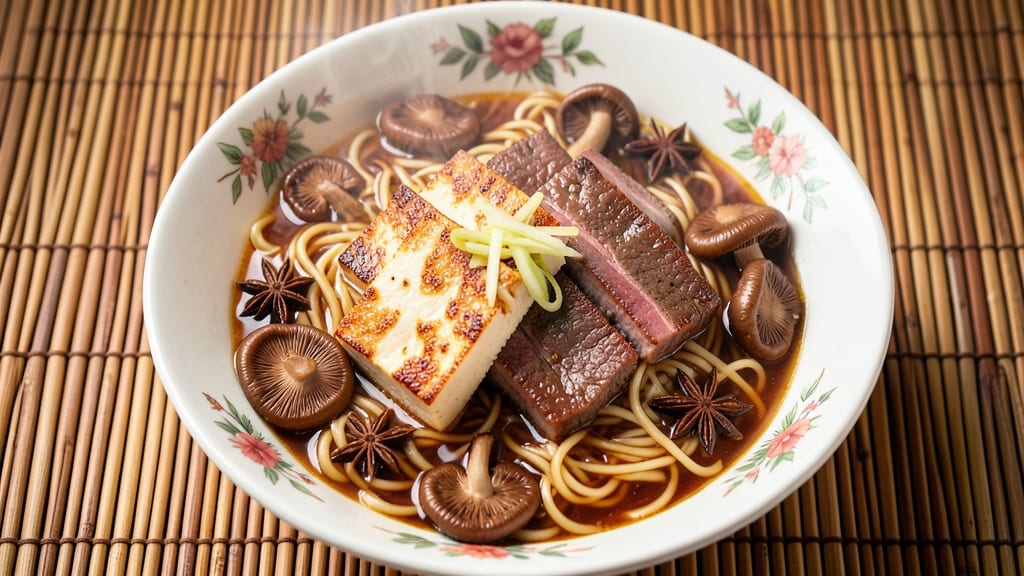
This Asian noodle bowl soup recipe delivers restaurant-quality umami depth in every steaming bite—silky noodles floating in a rich, aromatic broth, balanced by tender protein and fresh toppings.
The secret lies in building flavor layer by layer: a savory broth simmered with star anise and ginger, perfectly al dente noodles, and proteins marinated to stay tender. I developed this recipe after years of testing different broth bases, and it consistently delivers that perfect harmony of textures and flavors.
What sets this dish apart is its versatility—whether you prefer a light pho-style broth or a bold miso-infused base, the technique adapts while keeping the core elements intact. Thinly sliced beef, tofu, or shrimp cook quickly in the hot broth, absorbing all the aromatic flavors.
The noodles—whether ramen, udon, or rice—are cooked just shy of tender to maintain their bite, while toppings like bean sprouts, herbs, and chili oil add freshness and crunch.
The result is a visually stunning bowl that’s as satisfying to eat as it is to assemble. The broth should be fragrant enough to make your kitchen smell like a bustling Asian street market, while the noodles glisten with oil and the proteins stay perfectly tender.
Each component comes together in minutes, making this an ideal weeknight dinner that feels special. The best part? It’s easily customizable—spicy, vegetarian, or gluten-free versions all work with minor adjustments.
Ready in under 30 minutes, this recipe transforms simple ingredients into a deeply flavorful meal that’s perfect for solo dinners or feeding a crowd. The key is balancing heat, umami, and freshness—once you master that, you’ll never go back to instant noodles again. Let’s get cooking!
Ingredients for asian noodle bowl soup
Silky noodles, aromatic broth, and tender proteins—this bowl transforms simple ingredients into a restaurant-worthy masterpiece.
| Ingredient | Amount | Notes |
|---|---|---|
| Dried Ramen Noodles 🍜 | 8 oz | Broken into 2-inch pieces |
| Extra-Firm Tofu 🍳 | 14 oz | Pressed, thinly sliced |
| Thinly Sliced Beef 🥩 | 1 lb | Flank or sirloin, marinated |
| Fresh Shiitake Mushrooms 🍄 | 8 oz | Stems removed, sliced |
| Star Anise Pods 🌿 | 2 whole | For aromatic depth |
| Fresh Ginger 🧅 | 2 tbsp | Finely grated, peeled |
| Garlic Cloves 🧄 | 4 cloves | Minced for broth |
| White Miso Paste 🍶 | 2 tbsp | For umami richness |
| Chicken or Vegetable Broth 💧 | 4 cups | Homemade or high-quality |
| Sesame Oil 🫒 | 1 tbsp | For finishing touch |
| Bean Sprouts 🌱 | 2 cups | Fresh for crunch |
| Fresh Thai Basil 🌿 | ¼ cup | Chopped for garnish |
| Red Chili Oil 🔥 | 1 tbsp | For heat and aroma |
| Lime Wedges 🍋 | 2 whole | For serving |
| Diamond Crystal Kosher Salt 🧂 | 1 tsp | For seasoning |
The tofu and beef are the flavor anchors here. For the tofu, press it for 20 minutes—this removes excess water so it absorbs the broth beautifully. I always grab extra-firm tofu from the refrigerated section at Whole Foods or Trader Joe's—it holds up better to slicing. The beef? Flank or sirloin is ideal—thinly sliced against the grain for tenderness. Marinate it for at least 20 minutes in soy sauce, garlic, and a touch of ginger. Skip the marinade if you're short on time, but the flavor difference is noticeable. For mushrooms, shiitake adds that umami punch—dried shiitake work too if fresh aren't available, just rehydrate them first.
No star anise? 1 cinnamon stick or 1/2 tsp ground anise gets you close, though the flavor won't be identical. Running out of miso? 2 tbsp soy sauce plus 1 tsp sugar mimics the umami-sweet balance. The broth is non-negotiable—store-bought works, but homemade chicken or veggie broth makes all the difference. For the noodles, ramen is classic, but udon or rice noodles work beautifully too. Just adjust cooking times—ramen is quick, udon needs a few extra minutes. And if you're making this vegetarian, swap the beef for extra mushrooms or crispy baked tofu—both add texture and depth.
Broth keeps for 5 days in the fridge—make extra for leftovers. Store proteins and noodles separately to maintain texture. The tofu and beef can be prepped ahead and refrigerated for up to 2 days before assembling. For a quick assembly, keep all components in separate containers and toss together when ready to serve. Lime wedges should be added fresh—they brighten the dish and cut through the richness. This recipe reheats beautifully—just add a splash of broth to loosen the noodles.
Why You'll Love This Recipe
- I swear by this trick: just break the ramen noodles in half before boiling—no measuring, no fuss. The tofu gets pressed and cubed in five minutes while the beef and mushrooms slice themselves if you buy pre-thinly cut (I always do).
- No Chopping Needed: I swear by this trick: just break the ramen noodles in half before boiling—no measuring, no fuss. The tofu gets pressed and cubed in five minutes while the beef and mushrooms slice themselves if you buy pre-thinly cut (I always do).
- Star Anise Magic: That little pod makes the broth sing—warm, earthy, and just a hint of sweetness without any sugar. Honestly, it’s the secret weapon here, turning basic beef broth into something that feels gourmet.
- Lunch for Days: Make a big batch on Sunday, and you’ve got four lunches ready. The noodles hold up, the tofu stays tender, and the mushrooms even get better reheated—my daughter’s favorite leftovers, surprisingly.
Step-by-step instructions for Asian noodle bowl soup
This umami-packed bowl comes together with layers of flavor and silky texture—let's build it step by step.
Prepare the Aromatic Broth Base
In a large pot, combine the 4 cups chicken or vegetable broth, 2 whole star anise pods, 2 tablespoons fresh ginger, and 4 cloves garlic cloves. Bring to a gentle boil over medium-high heat, then immediately reduce to a simmer. Let it steep for 10 minutes—this is where the deep, aromatic foundation forms.
The star anise will infuse the broth with its distinctive licorice note, while the ginger and garlic add warmth and brightness. Keep the broth at a simmer, never a rolling boil, to prevent the delicate star anise from breaking apart and releasing bitterness. Strain out the whole spices after simmering—you want flavor, not texture.
Cook the Protein and Mushrooms
In a separate skillet, heat 1 tablespoon sesame oil over medium-high heat. Add the 1 lb thinly sliced beef and sear for 2-3 minutes until it develops a caramelized crust. Remove and set aside. In the same pan, add the 8 oz sliced shiitake mushrooms and cook for 4-5 minutes until they release their moisture and turn golden brown.
Here's the thing—don't overcrowd the pan. Cook the beef in batches if needed to ensure proper browning. The mushrooms should be tender yet still hold their shape, with a deep umami richness that will carry through the entire bowl. Keep both proteins warm while you prepare the noodles.
Press and Sear the Tofu
Wrap the 14 oz extra-firm tofu in a clean kitchen towel and place a heavy pan on top for 15 minutes to press out excess moisture. Slice into ¼-inch thick pieces. Heat 1 teaspoon sesame oil in a clean skillet over medium heat and cook the tofu for 3-4 minutes per side until golden brown and crispy.
This pressing step is crucial—it prevents soggy tofu. The crispy exterior adds texture contrast to the silky noodles. Flip carefully with a spatula, and if the tofu releases easily, it's ready. Remove and set aside with the other proteins.
Assemble the Noodles and Garnishes
Bring a separate pot of water to a boil and cook the 8 oz dried ramen noodles for 2 minutes less than package instructions. Drain and rinse briefly under cold water to stop cooking. Divide the noodles among four bowls. Add the 2 cups bean sprouts, ¼ cup fresh Thai basil, and 1 tablespoon red chili oil to each bowl.
Don't skip the quick rinse—it removes excess starch that would make the noodles gummy. The bean sprouts add fresh crunch, while the Thai basil brings bright, herbal notes. The chili oil should be drizzled just before serving to maintain its fiery kick.
Combine and Finish with Umami
Ladle the warm broth over the noodles and toppings. Stir in the 2 tablespoons white miso paste and 1 teaspoon Diamond Crystal kosher salt to each bowl, letting the miso dissolve into a creamy, umami-rich sauce. Distribute the beef, mushrooms, and tofu evenly among the bowls.
Here's where the magic happens—the miso paste transforms the broth from good to extraordinary. Taste and adjust seasoning if needed, then squeeze lime wedges over each bowl just before serving. The acidity cuts through the richness, balancing every flavor in this perfect bowl.
Pro Tips For Making Asian Noodle Bowl Soup
- Boil Noodles Last: I learned this the hard way—adding ramen to the simmering broth turns it into sad, mushy noodles. Instead, cook them separately in boiling water for 2 minutes less than the package says, then shock them in ice water. They’ll stay firm, and you won’t regret it when they hold up in that rich broth.
- Press Tofu Dry: Extra-firm tofu still hides water, and that’s the enemy of crispy edges. Wrap it in paper towels, press it under a heavy pan for 10 minutes, then pat it again before slicing. This isn’t the prettiest method, but it’s the difference between soggy and satisfying.
- Sear Beef in Batches: Thinly sliced beef piles up fast, and that means steaming instead of searing. Work in two batches—don’t overcrowd the pan—so the beef gets that caramelized crust. It takes 30 seconds longer, but the flavor jumps off the bowl.
- Toast Star Anise First: Skip the whole pod in the broth, and you’re missing depth. Dry-toast the star anise in the oil or pan for 30 seconds until fragrant—it’s non-negotiable for that warm, spiced aroma. Then crush it lightly before adding to the broth; crushed = more flavor, faster.
Wine and beer pairings for these flavors
Light Beers
A crisp, refreshing Japanese lager like Asahi Super Dry or Sapporo complements the delicate flavors of this noodle bowl beautifully. The subtle hop bitness balances the umami richness of the broth without overpowering it.
I always keep a six-pack of Asahi in my fridge—it’s the perfect neutral canvas that lets the dish shine through. 🍺
Rice Wine
For a more traditional pairing, reach for dry sake like Dassai Junmai or Gekkeikan. The clean, slightly nutty profile of sake enhances the star anise and ginger notes in the broth, creating a harmonious flavor bridge.
Serve it chilled to highlight its crisp acidity, which cuts through the richness of the miso and sesame oil. 🍶
Sparkling Wine
If you prefer something effervescent, a dry sparkling wine like Prosecco or Japanese sparkling sake adds a lively contrast to the hearty bowl. The bubbles cleanse your palate between bites, making each spoonful feel fresh.
I love pairing this with a slightly sweet Prosecco from Valdobbiadene—it’s unexpected but works beautifully with the umami depth. ✨
Non-Alcoholic Options
Don’t overlook non-alcoholic choices! A ginger beer like Feather or a yuzu soda mirrors the citrusy brightness of the lime wedges while adding a spicy kick.
For something more traditional, try Japanese ramune—its lychee flavor pairs surprisingly well with the aromatic broth. These options keep the meal refreshing without alcohol. 💛
Red Wine for Heartier Versions
If you’re serving a beef-heavy version with extra miso, a light-bodied red like Pinot Noir from Oregon or Beaujolais can work. Look for wines with subtle earthy notes to complement the mushrooms and star anise. Avoid heavy Cabernets—they’ll clash with the delicate broth. 🍷
Nutrition facts
Frequently asked questions
Can I use fresh noodles instead of dried?
Fresh noodles like udon or ramen work beautifully—they cook in just 2-3 minutes and hold up better to the hot broth. For a lighter texture, use rice noodles (soak them in warm water for 10-15 minutes before adding to the bowl). The key is to cook them just until al dente—they’ll finish cooking in the hot broth.
How do I make this vegetarian?
Swap the beef for extra mushrooms (shiitake or oyster) or crispy baked tofu. Add 1 cup marinated tempeh for extra protein, and boost umami with 1 tbsp soy sauce + 1 tsp sugar in the broth. Keep the star anise and miso for depth—vegetarian versions need those flavor anchors to shine.
Why does my broth taste bland?
Bland broth usually means insufficient aromatics or simmering too long. Ensure you're using whole spices (star anise, ginger, garlic) and simmer for only 10 minutes—longer simmering can make them bitter. Boost flavor by adding 1 tbsp fish sauce or extra miso paste at the end, or stir in a splash of soy sauce for saltiness.
Can I prep this ahead of time?
Yes! Make the broth up to 5 days ahead and store it in the fridge. Prep proteins (beef, tofu, mushrooms) 2 days ahead and refrigerate separately. Assemble bowls just before serving—heat the broth and proteins separately, then combine with noodles. The lime and chili oil should always be added fresh for maximum brightness.
What's the secret to crispy tofu?
Pressing is everything! Wrap tofu in a towel and press with a heavy pan for 15-20 minutes to remove moisture. Cut into ¼-inch slices and pan-fry in sesame oil over medium heat for 3-4 minutes per side until golden. For extra crispiness, sprinkle with cornstarch before cooking—it creates a perfect crunch that contrasts the silky noodles.