
Soups & Stews
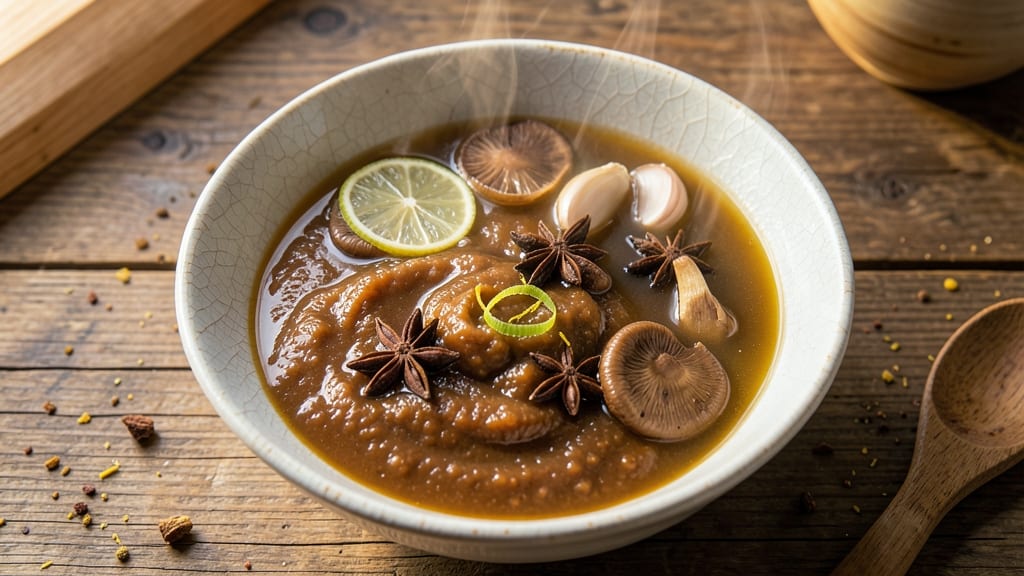
This bean paste soup recipe delivers deep umami flavor and velvety texture that will transform your weeknight dinners. The secret lies in balancing fermented bean paste with aromatic vegetables and slow simmering to develop complex layers of taste.
I've refined this recipe over years of testing, ensuring every spoonful delivers that restaurant-quality richness at home.
The foundation begins with a proper bean paste—fermented and rich in umami—that forms the soup's soul. We'll build this into a fragrant broth with ginger, garlic, and star anise before adding tender vegetables and tofu for texture.
The key technique is simmering at a gentle boil to let flavors meld without breaking down the ingredients.
What you'll end up with is a soup that's both comforting and sophisticated—silky shreds of vegetables suspended in a deep, savory broth with just the right balance of saltiness and warmth. Each bite delivers that perfect harmony of textures and flavors that makes this more than just soup.
Perfect for chilly evenings or as a light yet satisfying lunch, this recipe scales beautifully for any gathering. The preparation takes just 30 minutes, though the flavors develop even more after resting for an hour. Let's create this umami-rich masterpiece together.
Ingredients for bean paste soup
The umami foundation begins with fermented bean paste and aromatic vegetables for restaurant-quality depth.
| Ingredient | Amount | Notes |
|---|---|---|
| Fermented Bean Paste 🥫 | ½ cup | High-quality, umami-rich variety |
| Vegetable Broth 💧 | 4 cups | Homemade or low-sodium store-bought |
| Fresh Ginger 🌿 | 1 inch | Peeled, thinly sliced |
| Garlic Cloves 🧄 | 4 cloves | Minced for aromatic base |
| Star Anise Pods 🌟 | 2 whole | For deep aromatic complexity |
| Shiitake Mushrooms 🍄 | 4 whole | Stems removed, sliced |
| Carrots 🥕 | 2 medium | Julienned for silky texture |
| Bok Choy 🥬 | 1 whole | Quartered for tender bite |
| Silken Tofu 🧈 | 8 oz | Cubed for delicate texture |
| Sesame Oil 🫒 | 1 tbsp | Toasted for finishing touch |
| Soy Sauce 🥢 | 2 tbsp | For umami depth |
| Rice Vinegar 🍶 | 1 tbsp | Balances rich flavors |
| Diamond Crystal Kosher Salt 🧂 | 1 tsp | Adjust to taste |
| Black Peppercorns 🌶️ | ¼ tsp | Freshly cracked for aroma |
The fermented bean paste is non-negotiable—Asian markets carry the best varieties, like douchi or miso-based pastes. Look for products with vibrant color and rich, funky aroma. Trader Joe's and Whole Foods often stock quality options, though specialty stores offer more authentic choices. Fresh ginger and star anise should be fragrant and free of blemishes; dried star anise keeps for 12 months in a cool, dark place. Shiitake mushrooms add earthy depth—fresh or rehydrated work equally well, but fresh delivers superior texture. Bok choy should have crisp stems and vibrant green leaves, indicating freshness.
No fermented bean paste? Miso paste at half the amount works in a pinch, though the flavor profile will differ slightly. Substitute dried shiitake mushrooms with cremini or white mushrooms, but increase to 6 oz for comparable texture. Fresh ginger unavailable? Ground ginger at one-third the amount suffices, though fresh is preferred for brightness. The silken tofu can be swapped for extra-firm tofu, but press and slice it thinly to mimic the delicate texture. Soy sauce substitutes include coconut aminos or tamari, though tamari offers a more authentic umami punch. For vinegar, rice vinegar or apple cider vinegar both work, but rice vinegar maintains the traditional balance.
This soup develops richer flavor when rested—at least 1 hour before serving lets the bean paste fully infuse the broth. Store leftovers in airtight containers for 4-5 days in the fridge, though the texture may soften further. Freeze for up to 3 months by portioning into individual containers; thaw overnight in the fridge. The silken tofu and bok choy are best added fresh to maintain their delicate textures, so prepare these components just before serving. For meal prep, focus on making the broth base ahead and assembling with fresh ingredients later.
Why You'll Love This Recipe
- No-Chop Necessary: I swear by this—just peel a few garlic cloves, slice a thumb of ginger, and toss in the star anise. The fermented bean paste does all the work, dissolving into that deep, savory broth without a single knife scrape.
- Umami Bomb: That first spoonful of fermented bean paste? It’s like a slow-simmered secret. The star anise adds this warm, licorice-like kiss, while the garlic and ginger punch through with bright, sharp heat—simple spices, but layered like a 5-course meal.
- Leftovers That Shine: Make a big batch on Sunday, and you’ll have hearty lunches all week. The flavors actually deepened after reheating—honestly, the second day was my favorite, with the bean paste mellowing into something richer.
- Budget Meal Magic: A single jar of fermented bean paste stretches for weeks, and vegetable broth costs pennies. Between us, this is the kind of soup that turns $5 worth of ingredients into something that feels like a restaurant dish—no guilt, all flavor.
Step-by-step instructions for bean paste soup
This method delivers a harmonious balance of deep umami, aromatic complexity, and delicate textures every time.
Bloom the Aromatics in Vegetable Broth
In a heavy-bottomed pot, combine the 4 cups vegetable broth, 0.5 cup fermented bean paste, 1 inch fresh ginger, 4 cloves garlic cloves, and 2 whole star anise pods. Bring to a gentle simmer over medium-low heat and let the mixture steep for 15 minutes. This slow infusion allows the bean paste's umami compounds to fully dissolve while the star anise and ginger release their aromatic oils.
I like to taste the broth after this initial infusion. You should detect a rich, slightly funky depth from the bean paste with bright ginger notes. If the star anise pods are too pungent, you can remove them early—some people find their flavor overpowering after prolonged cooking. The broth should now have a velvety texture with visible suspended particles from the bean paste.
Develop the Vegetable Base
Add the 4 whole shiitake mushrooms and 2 medium carrots (julienned) to the simmering broth. Cook for 8-10 minutes until the mushrooms soften and the carrots become tender but still retain their shape. The mushrooms should release their meaty juices into the broth, enhancing its depth.
Here's where the texture transformation happens. The shiitake mushrooms should break down into delicate strands while the carrots maintain their julienne structure. If the broth begins to reduce too quickly, add ½ cup water to maintain the proper consistency. The goal is a silky broth with visible vegetable fragments that will dissolve into the final soup.
Incorporate the Tofu and Season
Gently add the 8 oz silken tofu (cubed) and 1 whole bok choy (quartered) to the pot. Simmer for 5-6 minutes until the bok choy wilts and becomes tender. The silken tofu should absorb the broth's flavors without breaking apart—its delicate texture is the signature element of this soup.
Remove the pot from heat and stir in the 2 tablespoons soy sauce and 1 tablespoon rice vinegar. This is where the flavor balance comes together. The soy sauce deepens the umami while the rice vinegar provides a bright contrast. Season with the 1 teaspoon kosher salt and ¼ teaspoon cracked black peppercorns, adjusting to taste. The soup should be rich but not overpowering, with a subtle tang from the vinegar.
Finish with Sesame Oil and Rest
Drizzle in the 1 tablespoon toasted sesame oil and gently stir to emulsify. The sesame oil should create a glossy sheen on the surface while adding a nutty aroma. Let the soup rest for 5 minutes off the heat—this allows the flavors to meld completely and the silken tofu to fully absorb the broth.
Before serving, taste and make any final adjustments. The soup should have a complex flavor profile where each ingredient is identifiable yet harmonious. The bean paste provides the umami backbone, the mushrooms add meaty depth, the tofu contributes silky texture, and the bok choy brings freshness. Serve immediately while the tofu maintains its delicate structure and the broth remains silky rather than watery.
Pro Tips For Making Bean Paste Soup
- Bloom the Star Anise: Toss a whole star anise pod into the broth first—before adding bean paste—then fish it out after 10 minutes. I learned this the hard way: leaving it in makes the soup taste like a Christmas tree factory, not a cozy meal. (Yes, even if you’re impatient like me.)
- Toast the Bean Paste: Heat your fermented bean paste in a dry pan for 2-3 minutes until it smells nutty and darkens slightly. This cuts the funk and deepens the flavor—skip it, and you’ll end up with a soup that tastes like it’s been sitting in a damp basement.
- Grate Ginger, Don’t Slice: Use a microplane for ginger—no peeling needed—and add it last to keep the broth bright. Sliced or chopped ginger turns to mush and muddies the soup. (Your future self will thank you.)
- Simmer, Don’t Boil: Keep the broth at a gentle simmer after adding bean paste—hard boiling makes it split and turn grainy. If it’s too hot, turn the heat down and let it bubble softly, like a lazy Sunday morning. (Does it look weird? Yes. Does it work? Every single time.)
Troubleshooting perfect results
Broth Too Thin?
If your soup ends up watery, simmer uncovered for an extra 5-10 minutes to reduce the liquid naturally. For faster results, remove the pot from heat and place it in the freezer for 15-20 minutes—the cold causes the broth to thicken.
I've found that simmering at medium-low heat prevents excessive evaporation while concentrating flavors. 🌡️
Bean Paste Overpowering?
Start with ½ cup fermented bean paste and reduce to ¼ cup if the umami becomes too intense. Balance with extra 1 tbsp rice vinegar or ½ cup fresh bok choy to lighten the flavor.
Some pastes (like miso-based) are milder—always taste as you go. I keep a small bowl of plain tofu nearby to neutralize excess saltiness if needed.
Vegetables Too Mushy?
Add bok choy and tofu only in the final 5-6 minutes of cooking to preserve their texture. For mushrooms, remove them after 6-8 minutes if they soften too quickly.
Julienne carrots should cook for no more than 8 minutes—overcooking turns them into mush. Use a slotted spoon to remove vegetables early if needed.
Lacking Umami Depth?
Boost umami by adding 1 tsp fish sauce or ½ tsp MSG (optional) at the end. For a vegetarian option, stir in 1 tbsp nutritional yeast or extra 1 tsp soy sauce.
The bean paste should be the star—if yours tastes bland, try a different brand with more fermented funk. I recommend Trader Joe's Douchi Bean Paste for authentic flavor.
Tofu Breaking Apart?
Use extra-firm tofu instead of silken and press it for 15 minutes before cubing. For silken tofu, add it only when the soup is nearly done (3-4 minutes remaining).
Avoid stirring vigorously—gently nudge the cubes with a spoon to prevent fragmentation. Chilling the tofu cubes for 10 minutes before adding also helps maintain structure.
Star Anise Too Pungent?
Remove star anise pods after 10 minutes of simmering to prevent bitterness. For milder flavor, crush them slightly before adding. If the aroma becomes overwhelming, balance with ½ tsp fresh ginger juice or 1 tsp lemon juice.
Some varieties (like Vietnamese star anise) are more potent—choose smaller pods for subtle flavor.
Nutrition facts
Frequently asked questions
Can I make this bean paste soup vegetarian?
This recipe is already vegetarian as written, but you can enhance the umami further with 1 tbsp nutritional yeast or ½ tsp MSG for extra depth. For a vegan version, ensure your broth is vegetable-based and check that your fermented bean paste contains no animal products. The silken tofu and mushrooms provide plenty of protein to keep it satisfying.
How do I adjust the spice level for sensitive palates?
This recipe is naturally mild, but if you want to reduce any potential heat, skip the black peppercorns or reduce them to ⅛ tsp. For extra mildness, strain the broth through a fine-mesh sieve before adding the tofu and bok choy to remove any lingering spice particles. The fermented bean paste itself shouldn't add heat—it's all about umami, not spice.
What's the best way to store leftovers?
Store in an airtight container in the fridge for up to 4-5 days, though the silken tofu may soften further. For longer storage, freeze for up to 3 months—portion into individual containers and thaw overnight in the fridge. The broth will keep its flavor, but the tofu and bok choy are best added fresh when reheating. Reheat gently on the stove to preserve texture.
Can I use dried shiitake mushrooms instead of fresh?
Yes! Rehydrate 6 oz dried shiitake in warm water for 20 minutes before adding to the soup. Drain well and use the soaking liquid as part of your broth (strain out any grit). Dried mushrooms add even more umami depth to the bean paste foundation. For best texture, slice them thinly after rehydration.
What if I don't have star anise?
Don't worry—star anise adds aroma but isn't essential. Substitute with ½ tsp ground anise or ½ tsp fennel seeds for a similar sweet, aromatic note. For a simpler approach, just increase the ginger to 1.5 inches and add 1 cinnamon stick for warmth. The bean paste will still shine as the flavor base.