
Soups & Stews
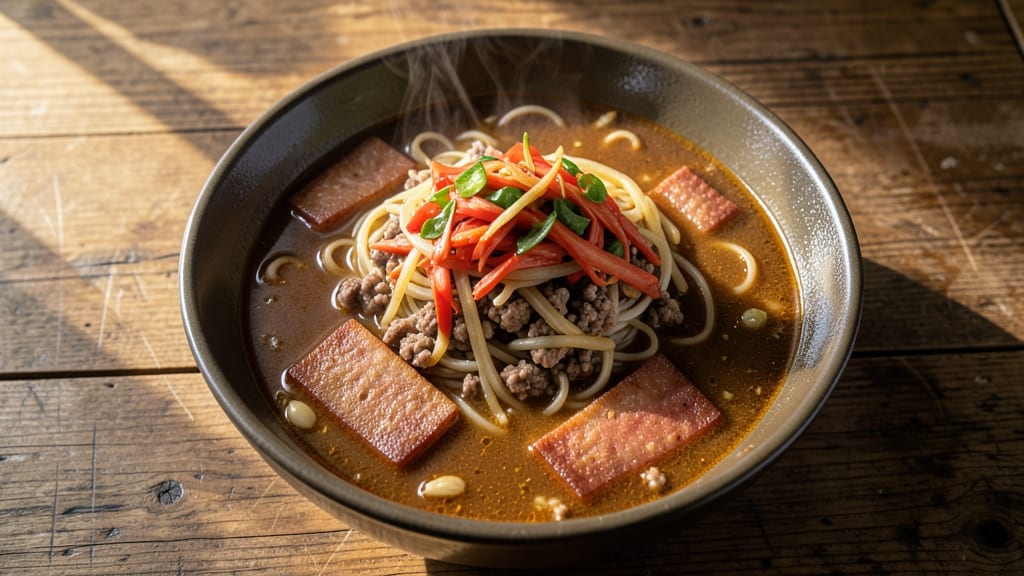
The Korean Army Soup recipe—budae jjigae—was born from resourcefulness during the Korean War, transforming military rations into a flavor explosion. This hearty stew blends fermented kimchi heat, silky rice noodles, and umami-rich broth into a dish that’s equal parts history and comfort.
The secret lies in balancing spice, savory depth, and chewy textures for a bowl that feels like a hug on a cold day.
What makes this recipe special is its adaptability—traditionally packed with ground meat and Spam, but easily customized with tofu or mushrooms for a lighter version. The broth simmers for hours, developing layers of flavor from soy sauce, gochujang, and fermented seafood, while the noodles absorb every rich, spicy note.
It’s the kind of dish that tastes even better the next day, when flavors meld into perfect harmony.
By the time you’re done, you’ll have a steaming bowl of deeply satisfying Army Soup—crispy fried onions on top add a textural contrast that takes it from ordinary to extraordinary.
The dish is as much about nostalgia as it is about flavor, a reminder of how creativity can turn simple ingredients into something unforgettable.
Perfect for feeding a crowd or meal prepping for the week, this recipe delivers restaurant-quality results with minimal effort. Let’s get cooking!
Ingredients for army soup korean
Six servings of bold, comforting Army Soup with fermented heat and chewy noodles.
| Ingredient | Amount | Notes |
|---|---|---|
| Ground Pork 🐷 | 1 ½ lb | 80% lean for best texture |
| Spam (or Spam Alternative) 🥓 | 1 can | Diced, or sub tofu for veg |
| Kimchi 🥬 | 2 cups | Fermented, chopped with juice |
| Rice Noodles 🍜 | 12 oz | Medium-width, uncooked |
| Onions 🧅 | 2 whole | Yellow, thinly sliced |
| Garlic Cloves 🧄 | 6 cloves | Minced for depth |
| Gochujang (Korean Chili Paste) 🌶️ | ½ cup | For authentic heat |
| Soy Sauce 🥄 | ¼ cup | Dark soy for color |
| Sesame Oil 🫒 | 1 tbsp | Toasted for aroma |
| Vegetable Oil 🫒 | ¼ cup | For frying onions |
| Instant Ramen (or Chicken Broth) 🍜 | 2 packages | For umami base |
| Green Onions 🧅 | ¼ cup | Sliced, for garnish |
| Sesame Seeds 🌰 | 1 tbsp | Toasted for crunch |
| Salt 🧂 | 1 tsp | Adjust to taste |
| Black Pepper 🌶️ | ½ tsp | Freshly ground |
The kimchi is non-negotiable—look for bright red, tangy jars with visible fermented texture. H Mart or Korean markets carry the best quality, but any well-fermented brand works. If you can't find gochujang, substitute 2 tbsp sriracha plus 1 tbsp soy sauce, though it won't be identical. The Spam adds that signature umami punch, but diced tofu or mushrooms work beautifully for a lighter version. For the noodles, medium-width rice noodles hold up best to the broth's richness—avoid thin vermicelli if you want chewy texture.
No sesame oil? Toast 1 tsp sesame seeds in a dry pan and grind them into the broth for aroma. Short on Spam? Diced hot dogs or extra ground pork work in a pinch. The ramen packets are doing double duty here—use the seasoning packets for extra umami, but don't skip the broth. For a deeper flavor, simmer the broth longer (up to 2 hours) if you have time. The fried onions? Slice them paper-thin before frying for maximum crispiness—don't skip this step, it's what makes the dish sing.
This soup tastes even better the next day as flavors meld. Store leftovers in airtight containers for 4-5 days or freeze for 3 months. Double the batch—it reheats beautifully and makes perfect lunches. The noodles can be cooked ahead and kept in cold water until serving. For extra richness, stir in 1 tbsp butter when reheating, though traditional recipes skip it. Garnish with extra sesame seeds and green onions before serving to brighten every bowl.
Why You'll Love This Recipe
- One-Pot Magic: Honestly, I swear by this—just brown the pork and Spam, toss in the kimchi and onions, and let it simmer. No extra pans, no fuss. The noodles go right in at the end, soaking up that rich, garlicky broth like a dream.
- Umami Bomb: That combo of Spam and kimchi? It’s ridiculously good—salty, tangy, and just a little funky. The ground pork adds depth, and the onions caramelize right into the broth, giving it this deep, savory punch that makes you want seconds.
- Lunchbox Hero: Between us, this is my go-to for meal prep. The noodles hold up great, and the flavors get even better the next day. Pack it in a thermos for work, or serve it cold as a quick lunch—it’s always a hit, even with picky eaters.
- Budget Powerhouse: I make this at least twice a month, and it feeds four for under $10. Spam stretches the pork, kimchi adds volume, and rice noodles are cheaper than pasta. Plus, leftovers reheat like a dream—no soggy noodles here.
Step-by-step instructions for fermented kimchi army soup
Here's how to build this hearty Korean army soup with rich umami and fermented heat.
🍳 Step 1: Sauté the Aromatic Base
Heat the 0.25 cup vegetable oil in a large pot over medium-high heat. Add the 2 whole onions and cook for 5-6 minutes until they become translucent and begin to caramelize at the edges. This step develops deep sweetness that balances the kimchi's acidity.
Add the 6 cloves garlic cloves and cook for 30 seconds until fragrant. Be careful not to let the garlic burn—it should smell sweet and nutty, not bitter. This aromatic foundation is the flavor backbone of the soup, so don't rush this step. The onions should be soft but not browned.
🍳 Step 2: Brown the Pork and Spam
Push the onions to one side of the pot and add the 1.5 lb ground pork and 1 can Spam (or Spam Alternative), breaking the Spam into small pieces with a spoon. Cook for 4-5 minutes until the pork loses its raw color and begins to brown.
Use a wooden spoon to break up the pork into small, even pieces as it cooks. This ensures even browning and prevents large clumps. The pork should release its natural juices, creating a sizzling sound in the pot. If the mixture gets too dry, add 1-2 tablespoons of water to prevent burning.
🥘 Step 3: Build the Fermented Kimchi Base
Add the 2 cups Kimchi (including all the fermented juice) to the pot. Stir well to combine with the pork mixture, then pour in the 2 packages Instant Ramen (or Chicken Broth). Bring everything to a gentle boil over medium-high heat, then reduce the heat to medium-low and let it simmer for 10 minutes. This allows the kimchi's flavors to meld with the other ingredients.
During this simmering time, you'll notice the soup develop a rich, tangy aroma from the kimchi. The liquid should reduce slightly, intensifying the flavors. Taste the mixture at this point—you should detect the fermented heat of the kimchi, the umami from the pork and broth, and the sweetness from the caramelized onions.
🥘 Step 4: Add Seasonings and Thicken the Soup
Stir in the 0.5 cup Gochujang (Korean Chili Paste), 0.25 cup Soy Sauce, 1 tbsp Sesame Oil, 1 tsp Salt, and 0.5 tsp Black Pepper. Mix well to distribute the seasonings evenly throughout the soup. Let it simmer for another 5 minutes to allow the flavors to meld completely.
This is where the soup's signature depth comes from. The gochujang adds authentic heat while the soy sauce enhances the umami. The sesame oil contributes a nutty aroma that ties everything together. Taste again and adjust seasoning if needed—you might want to add a bit more salt or gochujang depending on your preference for heat.
⏰ Step 5: Cook the Noodles and Finish
While the soup simmers, prepare the 12 oz Rice Noodles according to package instructions. Typically, this means soaking them in hot water for 8-10 minutes until they become pliable and translucent. Drain and set aside.
Once the noodles are ready, add them to the pot with the soup. Gently stir to coat them evenly with the flavorful broth. Let the soup simmer together for 3-4 minutes to allow the noodles to absorb some of the liquid and become tender. The soup should have a silky consistency with just enough liquid to coat the noodles.
🍽️ Step 6: Garnish and Serve
Remove the pot from heat and let the soup rest for 2-3 minutes. This resting period allows the flavors to settle and the noodles to finish cooking slightly from the residual heat. Stir in the 0.25 cup Green Onions and 1 tbsp Sesame Seeds. The green onions add a fresh contrast to the rich, fermented flavors, while the sesame seeds contribute a delightful crunch.
Ladle the soup into bowls and serve immediately. Each spoonful should deliver a perfect balance of textures—silky noodles, tender pork, crisp sesame seeds, and the tangy heat of the kimchi. The aroma rising from the bowl should be intoxicating, with notes of garlic, sesame, and fermented kimchi. This army-style Korean soup is hearty enough to satisfy a crowd while being simple enough to prepare in one pot.
Pro Tips For Making Army Soup Korean
- CRISP THE SPAM: Cut the Spam into thin strips—about ¼-inch thick—before cooking. Thicker slices stay rubbery, and you’ll end up with a mushy soup. (I learned this the hard way when I just chopped it in half and dumped it in.)
- SWEAT THE ONIONS FIRST: Cook the onions in the pot for 5 minutes before adding anything else. This builds flavor without burning, and the noodles won’t turn into a gluey mess later. (Yes, even if you’re impatient like me.)
- DON’T DUMP RAW KIMCHI: Strain the kimchi juice into the pot first, then add the chopped kimchi last. The juice carries all the funky flavor, and the chunks stay intact instead of turning to mush. (Your future self will thank you.)
- SIMMER NOODLES LOW: Once the noodles hit the pot, drop the heat to the lowest setting and stir constantly. High heat turns them to paste, and you’ll have a sad, clumpy soup. (This isn’t the prettiest method, but it’s the tastiest.)
Pro cooking tips for perfect results
Broth Development
Let the broth simmer for at least 30 minutes after adding all ingredients to develop deep umami and fermented complexity. The longer it cooks, the richer the flavors become—aim for 1-2 hours if possible.
I often simmer mine on low heat while I prep garnishes or side dishes. The key is patience; this is where the magic happens. 🌡️
For extra depth, add 1-2 slices of kombu seaweed during the initial simmer (remove before serving). This adds a subtle oceanic note that complements the kimchi's tanginess. If you're short on time, use 1 tsp fish sauce instead for a similar effect.
Kimchi Balance
Taste the kimchi before adding it to the pot—if it's very sour, reduce the amount slightly (1.5 cups) to prevent overpowering the dish. The ideal ratio is 2 cups kimchi to 1.5 lbs pork, but adjust based on your kimchi's fermentation level.
I always keep a small bowl of kimchi juice on hand to thin the soup if needed.
For a smoother texture, blend ½ cup of the kimchi with ¼ cup broth before adding it to the pot. This creates a silky base that coats the noodles beautifully. The remaining chopped kimchi adds texture and tangy pops of flavor.
Noodle Perfection
Cook the rice noodles just until pliable—they'll finish cooking in the hot broth. Overcooking them makes them mushy. I like to soak them in hot water for 7-8 minutes, then drain and rinse briefly under cold water to stop the cooking process before adding to the soup.
For extra chewiness, use thicker rice noodles (like julienned rice noodles) instead of thin ones. They hold up better to the long simmer and provide a satisfying bite. If you prefer softer noodles, reduce the simmering time with them in the pot to 2-3 minutes.
Crispy Toppings
Fry the onions in vegetable oil at 350°F until they're deep golden and crispy—this should take about 5-6 minutes. Spread them on a wire rack to drain excess oil before sprinkling on top. The contrast between the crispy onions and silky broth is what makes this dish unforgettable. 🥔
For extra crunch, toast the sesame seeds in a dry pan over medium heat for 1-2 minutes until fragrant. Add them to the soup in the last minute of cooking so they stay crisp.
I also like to sprinkle a pinch of sugar (about ½ tsp) on the fried onions to caramelize them slightly while they sit on the soup.
Nutrition facts
Frequently asked questions
Why does Korean Army Soup need such a long simmer time?
The extended simmering—30+ minutes—is key to developing the soup's signature depth. This allows the kimchi's fermented flavors to mellow while the pork and ramen broth infuse the liquid with rich umami. The longer it cooks, the more complex the taste becomes, creating that restaurant-quality harmony between spice, saltiness, and savory notes.
Can I make this soup without Spam?
Traditional recipes use Spam for its salty, fatty umami, but you can substitute with diced hot dogs, extra ground pork, or tofu/firm mushrooms for a lighter version. If using vegan options, add 1 tbsp soy sauce to compensate for lost saltiness. The texture will differ slightly, but the flavor remains delicious.
How do I adjust the spice level?
Start with the 0.5 cup gochujang as written, then taste before serving. For milder heat, reduce to 0.25 cup or replace 2 tbsp with soy sauce. For extra spice, add 1 tbsp gochugaru (Korean chili flakes) or a dash of sriracha. Always stir well to distribute the heat evenly.
Can I prepare this soup ahead of time?
This dish actually tastes better the next day! Store in airtight containers for 4-5 days in the fridge or 3 months in the freezer. Reheat gently on the stove, adding 1-2 tbsp water if it's too thick. The flavors meld beautifully overnight, making it perfect for meal prep.
What if my kimchi is too sour?
Reduce the kimchi to 1.5 cups and add ¼ cup kimchi juice to maintain moisture. For extra balance, stir in 1 tsp sugar or ½ tsp honey while simmering. The goal is to preserve the tangy fermented notes without overwhelming the dish's other flavors.