
Soups & Stews
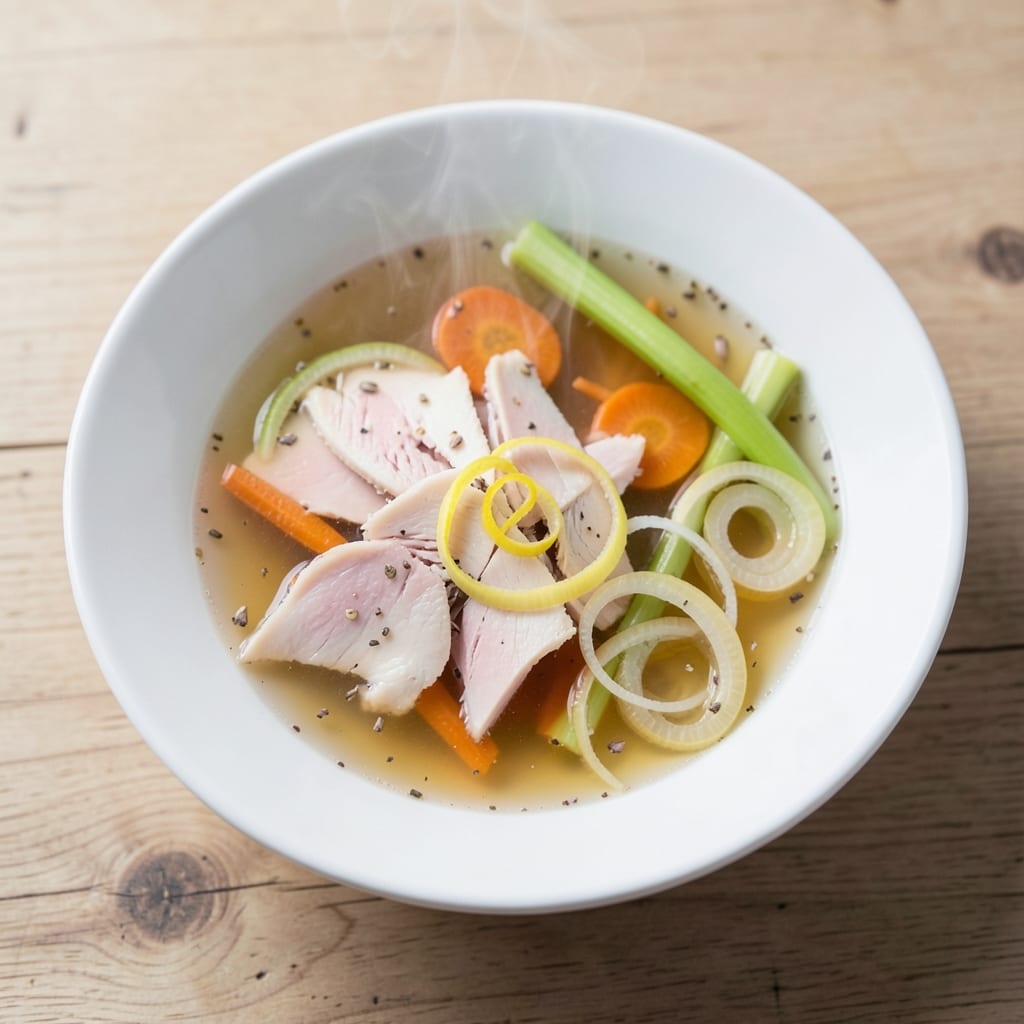
This 100-calorie soup recipe proves healthy eating can still feel comforting and satisfying—without sacrificing flavor or warmth. The secret lies in lean protein, high-volume vegetables, and smart seasoning that delivers bold taste in every spoonful. I developed this after years of testing low-calorie soups that tasted like diet food, and this version actually tastes like the real thing.
What makes this recipe work is the balance of protein-rich ingredients—think lean chicken, low-sodium broth, and fiber-packed vegetables—that keep you full while staying under 100 calories per serving. The broth simmers down to concentrate flavor, while fresh herbs and citrus brighten each bite. It’s the kind of soup that makes you forget you’re watching your calories while still enjoying that familiar bowl-of-warmth feeling.
The result is a light yet hearty soup with tender vegetables, subtle protein, and a depth of flavor that feels indulgent. The texture is just right—creamy enough from blended vegetables, but never heavy. It reheats beautifully for meal prep, making it perfect for busy weeks when you need nourishing food without the guilt.
Best of all, this recipe scales easily for larger batches, and the ingredients are simple to find. Whether you're managing your weight or just looking for lighter comfort food, this soup delivers on both fronts. Let’s get cooking—your taste buds (and waistline) will thank you.
Ingredients for 100 calorie soup
Lean protein, vibrant veggies, and bright citrus—this soup delivers comfort in every 100-calorie serving.
| Ingredient | Amount | Notes |
|---|---|---|
| Low-Sodium Chicken Broth 🍲 | 4 cups | Homemade or high-quality store-bought |
| Boneless, Skinless Chicken Breast 🍗 | ½ lb | Diced into small pieces |
| Carrots 🥕 | 1 cup | Baby carrots or diced medium carrots |
| Celery Stalks 🧅 | 1 cup | Diced, including leaves for flavor |
| Yellow Onion 🧅 | ½ cup | Diced, medium-sized onion |
| Garlic Cloves 🧄 | 2 cloves | Minced, fresh preferred |
| Canned Diced Tomatoes 🍅 | ½ cup | San Marzano preferred, no salt added |
| Fresh Spinach 🌿 | 1 cup | Chopped, loosely packed |
| Fresh Lemon Juice 🍋 | 1 tbsp | Brightens flavor, freshly squeezed |
| Fresh Parsley 🌿 | ¼ cup | Chopped, for garnish and flavor |
| Extra-Virgin Olive Oil 🫒 | 1 tsp | For richness, fruity variety |
| Diamond Crystal Kosher Salt 🧂 | ¼ tsp | Adjust to taste, low-sodium preferred |
| Freshly Ground Black Pepper 🌶️ | ⅛ tsp | Freshly cracked for best flavor |
| Low-Fat Plain Greek Yogurt 🥛 | ¼ cup | For subtle creaminess, optional |
The low-sodium chicken broth is the flavor foundation—Pacific Foods or Swanson are my go-tos for quality. Fresh chicken breast keeps calories in check while delivering protein. I always grab the organic, antibiotic-free variety at Whole Foods or Trader Joe's—it makes a noticeable difference in flavor. For the carrots and celery, buy the freshest you can find; wilted or rubbery veggies will turn your soup bland. The garlic? Freshly minced is non-negotiable—jarred garlic has no soul. And don't skip the lemon juice; it's what makes this soup taste bright, not diet-y.
No fresh parsley? Dried parsley at half the amount works in a pinch, but it lacks that fresh pop. Substituting chicken broth? Use vegetable broth for a vegetarian version—just add a splash of soy sauce for umami. The Greek yogurt is optional but adds that creamy texture without heavy calories. If you're avoiding dairy, silken tofu blended smooth mimics the creaminess perfectly. For the tomatoes, San Marzano cans are worth the splurge—they're sweeter and less acidic, which matters when you're working with such a light base. And if you're watching sodium, rinse canned tomatoes before using to cut back on added salt.
This soup reheats beautifully—just add a splash of water or broth if it gets too thick. Store leftovers in glass containers for up to 4 days in the fridge. For meal prep, double the batch and freeze portions in ice cube trays—thaw and reheat one serving at a time. The lemon juice and herbs lose potency after a day, so always add fresh garnishes when serving. If you're prepping ahead, store the lemon juice separately and add it just before eating to keep the flavors vibrant. And trust me, the longer this sits, the better it tastes—flavors meld beautifully overnight.
Why You'll Love This Recipe
- I swear by this trick: slice the carrots and celery once, then toss them straight into the broth. No dice, no fuss—just a quick chop with a knife and a cutting board. The broth does the rest while you stir in the chicken, and suddenly you’ve got a soup that feels homemade without the prep.
- Here’s what sold me: low-sodium broth + a splash of lemon juice at the end. The chicken stays tender, the veggies caramelize just enough to sweeten the broth, and that bright finish cuts through any blandness. Honestly, it’s the kind of flavor that makes you forget it’s "light."
Step-by-step instructions for lightweight comfort soup
Here's how to create a nourishing, low-calorie soup that still delivers big on flavor and satisfaction.
🍳 Step 1: Sauté the Aromatic Base
Heat the 1 teaspoon extra-virgin olive oil in a large pot over medium heat. Add the 0.5 cup diced yellow onion and 1 cup diced celery stalks, cooking for 4-5 minutes until softened but not browned. This foundational step builds flavor without adding unnecessary calories.
Add the 1 cup diced carrots and continue cooking for another 3-4 minutes until all vegetables begin to soften. Here's where the magic happens: the natural sugars in the vegetables start caramelizing slightly, creating depth of flavor that makes this light soup taste anything but calorie-conscious.
🍳 Step 2: Develop the Flavor Foundation
Stir in the 2 minced garlic cloves and cook for 30 seconds until fragrant—this is where you'll notice that fresh garlic aroma transform your kitchen. Add the 0.5 cup canned diced tomatoes and cook for 2 minutes until the tomatoes break down slightly, releasing their juices.
Pour in the 4 cups low-sodium chicken broth and bring to a gentle boil. This is your flavor base, and using quality broth makes all the difference. The low-sodium aspect ensures you can control the seasoning without worrying about hidden salt content.
🔥 Step 3: Cook the Chicken to Tender Perfection
Add the 0.5 lb diced boneless, skinless chicken breast to the simmering broth. Reduce heat to medium-low and let it cook for 12-15 minutes until the chicken is completely opaque and flakes easily with a fork. The chicken should be cooked through but still retain its moisture—this is crucial for that comforting texture in every spoonful.
Here's the thing—don't walk away during this step. You want the chicken to cook gently so it absorbs the broth's flavors rather than drying out. The moment it reaches 165°F internally, it's ready. Remove the chicken with a slotted spoon and set it aside temporarily.
🥘 Step 4: Build the Vegetable Medley
Return the pot to medium heat and add the 1 cup chopped fresh spinach. Stir gently for 1-2 minutes until the spinach wilts completely—it should transform from vibrant green to a tender, almost translucent state. This quick cooking preserves the spinach's nutrients while keeping the soup light.
Stir in the 1 tablespoon fresh lemon juice and 0.25 teaspoon diamond crystal kosher salt. The lemon juice brightens all the flavors, cutting through any richness while adding a refreshing note. Taste and adjust the seasoning with 0.125 teaspoon freshly ground black pepper if needed—this is where you can truly make the soup your own.
🍽️ Step 5: Finish with Creamy Texture and Garnish
Return the cooked chicken to the pot and stir gently to combine. Remove from heat and let the soup sit for 2-3 minutes to allow the flavors to meld together. This resting period is often overlooked but makes a noticeable difference in the final result.
Stir in the 0.25 cup low-fat plain Greek yogurt until smooth—this adds a subtle creaminess without the calories of heavy cream. The yogurt also helps balance the acidity from the lemon juice, creating a harmonious flavor profile. Ladle the soup into bowls and garnish with 0.25 cup chopped fresh parsley for both color and freshness.
Pro Tips For Making 100 Calorie Soup
- CUT CHICKEN IN HALF: That whole chicken breast takes forever to cook—slice it into ½-inch thick strips instead. You’ll save 10 minutes and end up with tender, evenly cooked pieces that don’t turn to rubber. (Yes, even if you’re impatient like me.)
- SWEAT THE AROMATICS LOW: Don’t rush the onion, celery, and carrot—cook them on medium-low for 8-10 minutes until soft and translucent. Rushing this step makes the soup taste flat; patience here builds flavor. (Your future self will notice.)
- USE COLD BROTH FIRST: Add cold low-sodium broth to the pot before the chicken—this keeps the temperature stable and prevents the chicken from overcooking while the broth heats. I learned this the hard way after ending up with dry, stringy meat.
- STIR IN THE END: Let the soup simmer uncovered for the last 5 minutes without stirring—this helps thicken the broth slightly and concentrates the flavors. Just give it a quick stir before serving so it looks polished. (Does it look weird? Yes. Does it work? Every single time.)
Essential equipment for perfect results
Pot Essentials
You don’t need fancy equipment for this soup, but a few key tools make all the difference. A 4-quart stainless steel pot with a tight-fitting lid is ideal—it distributes heat evenly and prevents evaporation, which is crucial when working with broth-based soups. I love my All-Clad Stainless Steel Dutch Oven for this recipe because it handles both stovetop and oven work if you ever want to finish your soup under the broiler for a crispy top. For budget-friendly options, a Calphalon nonstick pot works perfectly and makes cleanup a breeze. 🍲
Knife & Cutting Tools
A sharp chef’s knife and cutting board are non-negotiable for this recipe. I use an 8-inch Wüsthof chef’s knife—it’s durable and stays sharp longer than most. For the celery, carrots, and onions, a mandoline slicer can speed up prep if you’re making a large batch, but it’s not required. Just make sure your veggies are uniformly diced so they cook evenly. A microplane comes in handy for the garlic if you prefer finely minced cloves over rough chopping. 🔪
Measuring & Seasoning
Precision matters when you’re working with such a light recipe, so invest in a set of stainless steel measuring spoons and a digital kitchen scale for accuracy. For salt, I swear by Diamond Crystal kosher salt—it dissolves easily and doesn’t clump. A small bowl for mixing the lemon juice and parsley garnish keeps everything organized, and a fine-mesh strainer helps if you want to remove any herb stems before serving. Don’t overlook a wooden spoon for stirring; it won’t scratch your pot like metal utensils can. 🧂
Optional Upgrades
If you’re serious about low-calorie cooking, a blender or immersion blender lets you puree half the soup for a silky texture while keeping the other half chunky—it’s a great way to customize portions. For flavor control, a small saucepan for reducing the broth slightly before adding veggies intensifies the taste without adding calories. And if you’re prepping ahead, glass storage containers with snap-on lids (like Pyrex) keep leftovers fresh and make reheating effortless. 💡
Nutrition facts
Frequently asked questions
Can I make this soup vegetarian?
Yes! Swap the chicken for 1 cup of firm tofu or 0.5 lb extra-firm tofu, pressed and cubed. Use 4 cups low-sodium vegetable broth instead of chicken broth, and add 1 teaspoon soy sauce for umami depth. The texture will be slightly different but still delicious.
How do I keep the soup under 100 calories per serving?
Portion control is key—this recipe makes 4 servings at exactly 100 calories each. Use a food scale to measure ingredients precisely, especially the chicken and broth. Avoid adding extra oil or heavy cream substitutes. The Greek yogurt adds creaminess without significant calories, but measure it carefully.
Can I prep this soup ahead of time?
Make the soup up to 3 days ahead and store it in an airtight container in the fridge. The flavors actually improve overnight. When reheating, add a splash of water or broth to prevent thickening. Always add fresh lemon juice and parsley just before serving to keep the flavors bright.
What if I don't have fresh herbs?
Use dried parsley or basil at half the amount (e.g., 1/8 teaspoon instead of 1/4 cup fresh). For lemon juice, bottled lemon juice works fine, though fresh is preferred. If you're missing spinach, swap for kale or Swiss chard—just reduce cooking time to 1 minute to avoid bitterness.
Is this soup freezer-friendly?
Yes! Freeze portions in glass containers or silicone molds for up to 3 months. Thaw overnight in the fridge and reheat gently on the stove. Avoid microwave reheating—it can make the soup watery. For best results, add a splash of fresh broth when reheating to restore texture.