
Soups & Stews
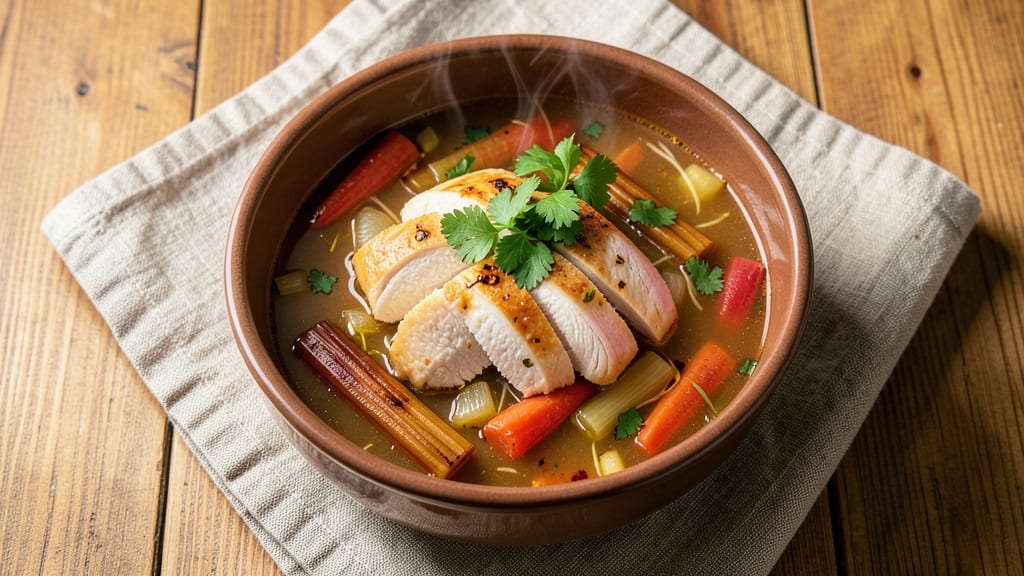
This any soup recipe is the ultimate comfort food—simple to prepare, deeply satisfying, and endlessly customizable. This foolproof method delivers rich, flavorful broth and tender ingredients without the fuss of multiple pots. Whether you crave classic chicken noodle or hearty vegetable, the technique remains the same: build layers of flavor through sautéing aromatics, simmering ingredients to perfection, and balancing textures for every spoonful.
The beauty of this approach lies in its flexibility. Start with a base of sautéed onions, garlic, and celery (the classic "holy trinity") to develop deep, caramelized flavors. Add your choice of protein—chicken, beef, or plant-based alternatives—and let it cook until tender.
The broth reduces naturally, intensifying its savory depth, while vegetables soften to ideal consistency. No special equipment is needed beyond a large pot and a wooden spoon.
What you’ll achieve is a restaurant-quality soup that’s warm, aromatic, and packed with balanced flavors. The one-pot method ensures minimal cleanup, while the customizable ingredients let you adapt the recipe to seasonal produce or dietary preferences.
Serve it steaming hot with crusty bread or a sprinkle of fresh herbs for the perfect finishing touch.
This recipe works equally well for quick weeknight dinners or meal prep—simmer ahead and reheat for even more flavor. The key is patience: letting ingredients meld over low heat creates a harmonious blend that’s impossible to resist. Ready to master the art of effortless soup-making?
Ingredients for any soup
Start with these essential ingredients for a customizable soup that builds rich, aromatic layers of flavor.
| Ingredient | Amount | Notes |
|---|---|---|
| Yellow Onion 🧅 | 1 ½ cups | Diced, medium dice preferred |
| Celery Stalks 🥬 | 3 whole | Trimmed, cut into 1/2-inch pieces |
| Garlic Cloves 🧄 | 4 cloves | Peeled, minced for even distribution |
| Carrots 🥕 | 1 ½ cups | Peeled, cut into 1/4-inch slices |
| Chicken Breast 🍗 | 1 ½ lb | Boneless, skinless, cut into 1-inch cubes |
| Vegetable Broth 💧 | 6 cups | Low-sodium preferred for flavor control |
| Tomato Paste 🍅 | 2 tbsp | Smooth consistency, no added salt |
| Dried Thyme 🌿 | 1 tsp | Or 1 tbsp fresh thyme leaves |
| Bay Leaves 🍃 | 2 whole | Dried, removed before serving |
| Fresh Thyme 🌿 | ½ oz | OR 1 tbsp dried thyme (corrected unit) |
| Salt 🧂 | 1 ½ tsp | Kosher salt, adjust to taste |
| Black Pepper 🌶️ | ½ tsp | Freshly ground for optimal flavor |
| Olive Oil 🫒 | ¼ cup | Extra-virgin for best flavor profile |
| Egg Noodles 🍝 | 8 oz | Or any pasta of choice |
| Fresh Parsley 🌿 | ¼ cup | Chopped, for garnish only |
The aromatic vegetables form the flavor foundation—yellow onions should be finely diced for even cooking, while celery and carrots provide natural sweetness. For optimal freshness, purchase these from the produce section of Whole Foods or your local farmers' market, where vibrant color indicates peak ripeness. Garlic cloves should be firm and free of sprouts, with a pungent aroma when peeled. The chicken breast is best when cut into uniform cubes for even cooking—pounding slightly with a meat mallet ensures consistent doneness. For a vegetarian option, substitute with firm tofu or chickpeas.
Vegetable broth is the heart of this soup—low-sodium options like Imagine or Pacific Foods give you control over seasoning. Tomato paste adds depth without overpowering; the squeeze tubes from Trader Joe's are ideal for portion control. Fresh thyme is preferred, but dried works at one-third the amount. Bay leaves should be removed before serving to avoid bitterness. For extra richness, add a splash of red wine or white wine vinegar during simmering. If using fresh herbs, store them in a damp paper towel in the fridge for up to 5 days.
This soup develops deeper flavor the longer it simmers—30-45 minutes on low heat creates a harmonious blend. Store leftovers in an airtight container for up to 5 days in the refrigerator or freeze for 3 months. For meal prep, portion into individual containers before freezing. The noodles can be added fresh when reheating or cooked separately for a firmer texture. Garnish with fresh parsley just before serving to preserve its vibrant color and bright flavor.
Why You'll Love This Recipe
- No Chopping Chaos: I swear by the "sofrito shortcut"—just dice the onion, celery, and carrots together (no peeling if you’re lazy). The garlic? Smash it with the flat of a knife first—saves time and makes the whole pot smell like heaven before it even boils.
- Carrot-Garlic Magic: That sweet, earthy carrot base with a punch of garlic? It’s the secret weapon. The chicken shreds up tender, soaking up all the flavor like a sponge—no dry bites, just pure satisfaction. (Yes, even on a Tuesday night.)
- Leftovers That Beg for More: This soup tastes better the next day—honestly, I’ve reheated it three times and still crave it. Double the batch on Sunday, freeze half, and thank future-you when you’re too tired to cook.
- Budget Meal for Busy Lives: Chicken breast stretches farther than you’d think, and the veggies? Cheap as dirt. Between us, this is my go-to when I’m broke or swamped—fills everyone up without breaking the bank. (My roommate calls it "poor man’s fancy dinner.")
Step-by-step instructions for customizable chicken noodle soup
A single-pot approach that delivers restaurant-quality depth with minimal cleanup.
Sauté the Aromatic Vegetable Base
Heat the 0.25 cup olive oil in a large Dutch oven over medium-high heat until shimmering. Add the 1.5 cups diced yellow onion, 3 whole celery stalks (cut into 1/2-inch pieces), and 1.5 cups sliced carrots. Cook for 8-10 minutes until the vegetables soften and release their moisture, developing a golden hue along the edges.
Here's the thing—don't rush this step. You're building flavor, not just cooking vegetables. When the onions turn translucent and the carrots yield slightly under pressure, add the 4 minced garlic cloves and stir for 30 seconds until fragrant. This is your aromatic foundation, so take your time to develop those flavors properly.
Develop the Chicken and Tomato Base
Push the vegetables to one side of the pot and add the 1.5 lb chicken breast (cut into 1-inch cubes) to the empty space. Cook for 4-5 minutes until the chicken develops a light golden crust on all sides. This searing step is crucial for adding depth to the broth.
Return the vegetables to the chicken and stir in the 2 tbsp tomato paste. Cook for another 2 minutes until the paste loses its raw color and begins to caramelize slightly. This creates a rich, umami base that will carry through the entire soup. Real talk: the tomato paste is what transforms this from basic broth to something truly flavorful.
Simmer the Broth and Seasonings
Pour in the 6 cups vegetable broth and bring the mixture to a gentle boil. Add the 1 tsp dried thyme, 2 whole bay leaves, 0.5 oz fresh thyme, 1.5 tsp salt, and 0.5 tsp black pepper. Reduce heat to medium-low and let it simmer uncovered for 25-30 minutes until the chicken is cooked through and the vegetables are tender.
I know it seems like a long time, but this slow simmer is what develops the complex flavors. The chicken should reach an internal temperature of 165°F and pull apart easily with a fork. If the broth reduces too quickly, add a splash of water to maintain the proper consistency. The bay leaves will infuse subtle earthy notes, so don't skip them.
Finish with Noodles and Garnish
Remove the chicken from the pot and let it cool slightly before shredding it into bite-sized pieces with two forks. Return the shredded chicken to the pot along with the 8 oz egg noodles. Cook for 8-10 minutes until the noodles are al dente and the soup reaches your desired consistency.
For the final touch, stir in the 0.25 cup chopped fresh parsley and remove the bay leaves. Taste and adjust seasoning if needed—this is your chance to balance the flavors. The parsley adds freshness that cuts through the richness of the broth. Serve immediately while the noodles are still warm and the flavors are at their peak.
Customize to Your Taste
This base recipe is designed to be your foundation. Want more depth? Add a splash of lemon juice or a sprinkle of red pepper flakes. Prefer a different texture? Swap the egg noodles for orzo or rice. The key is maintaining balance—whatever you add, adjust the seasoning accordingly.
Remember, the beauty of this one-pot approach is its flexibility. You can make it hearty with extra vegetables, lighter with a touch of cream, or completely different with a dash of soy sauce. The method stays the same, but the possibilities are endless. That's the magic of a good soup base.
Pro Tips For Making Any Soup
- Sweat, Don’t Sear: Onions and celery release flavor best when they’re gently cooked—think slow and steady, not rushed and browned. If you’re impatient like me, you’ll end up with bitter, charred bits that ruin the whole dish. Keep the heat medium and stir often until they’re soft enough to pierce with a knife.
- Slice Carrots Thin: I used to chop carrots into big chunks, thinking they’d soften faster. Wrong. Thin slices (about 1/8-inch) cook evenly and blend into the soup instead of sitting like little rocks. Save yourself from chewing mystery textures—get out that mandoline or knife and go thin.
- Don’t Overcrowd the Pot: Throwing everything in at once? That’s how you steam instead of brown. Start with half the onions and celery, cook until fragrant, then add the rest. Same goes for chicken—crowded meat turns out soggy. Give it space, or you’ll regret it when the soup tastes bland.
- Salt the Chicken First: Chicken breast soaks up broth like a sponge, but if you salt it after cooking, it’ll stay bland. Season it generously before it hits the pot, then let it sit for 10 minutes while you prep the veggies. That’s the thing that actually changes the outcome—juicy, flavorful meat every time.
Perfect pairings for any soup
Bread Pairings
Nothing complements a steaming bowl of soup like a slice of warm, crusty bread. I always keep a baguette or sourdough loaf on hand—sliced and lightly toasted with garlic butter or olive oil for dipping.
For extra indulgence, try a ciabatta roll from Trader Joe's, which has just the right chewiness to soak up every drop of broth. 🥖
Cheese Boards
Elevate your soup experience with a simple cheese board featuring aged cheddar, brie, and goat cheese cubes. The sharpness of cheddar cuts through the broth's richness, while creamy brie adds a luxurious touch.
I like to include crackers or water crackers for crunch and a few fig jam packets for sweet contrast. 🧀
Wine Pairings
For a classic pairing, reach for a dry white wine like Sauvignon Blanc or Chardonnay—their crisp acidity cleanses the palate between spoonfuls. If you prefer red, a Pinot Noir with its bright fruit notes complements the soup beautifully.
For a budget-friendly option, La Crema Sauvignon Blanc from Trader Joe's is a crowd-pleaser. 🍷
Herb Garnishes
Fresh herbs add a vibrant pop of color and brightness to your soup. I always keep chopped parsley, cilantro, or basil on hand for a quick garnish. For a smoky touch, sprinkle chopped chives or green onions on top.
A pinch of freshly cracked black pepper or red pepper flakes adds a final layer of flavor. 🌿
Extra Broth Toppings
Transform your soup into a full meal with creative toppings. A drizzle of truffle oil adds earthy depth, while a dollop of sour cream or crème fraîche balances the richness.
For texture, try toasted breadcrumbs, crushed croutons, or crispy fried shallots. I love adding a soft-boiled egg for extra protein and creaminess. 🥚
Seasonal Vegetable Add-Ins
Customize your soup with seasonal vegetables to keep flavors fresh. In summer, add cherry tomatoes and zucchini, while winter calls for roasted butternut squash or caramelized onions. For a pop of color, stir in sautéed spinach or kale in the last few minutes of cooking.
These additions not only enhance flavor but also make your soup visually appealing. 🥕
Nutrition facts
Frequently asked questions
Can I make this soup vegetarian?
Simply swap the chicken for 1.5 cups of firm tofu (pressed and cubed) or 1 can of chickpeas (drained). For extra protein, add 1 cup of lentils or mushrooms (like shiitake or cremini) during the simmering phase. The tomato paste and thyme will still create that rich, umami base you love.
How do I prevent my soup from getting too watery?
Start by cooking the vegetables until they soften and release their moisture—this reduces excess liquid. If the broth seems thin, let it simmer uncovered for 10-15 extra minutes to evaporate excess water. For a thicker consistency, mash some of the cooked vegetables (like carrots or potatoes) with a fork to release their starch. Never add flour or cornstarch directly to the pot—it can make the soup cloudy.
Can I prep this soup ahead of time?
Yes! This soup actually tastes better the next day as flavors meld. Make it up to 2 days ahead and store in an airtight container in the fridge. For freezing, portion into individual containers and freeze for up to 3 months. When reheating, add a splash of water or broth to restore the perfect consistency. Just avoid adding noodles until reheating—they’ll absorb too much liquid otherwise.
What’s the best way to reheat leftovers?
Gently reheat on the stovetop over low heat with the lid slightly ajar to prevent splattering. If using the microwave, stir halfway through and add 1-2 tablespoons of water or broth to maintain moisture. For extra richness, stir in a pat of butter or a splash of cream at the end. Never microwave without liquid—it’ll turn your soup into glue!
How can I make this soup kid-friendly?
Blend a portion of the soup (without noodles) for a smooth texture, or finely chop all ingredients. Skip strong flavors like thyme and bay leaves, and use mild chicken broth instead of vegetable. For picky eaters, serve the broth separately with noodles on the side. A sprinkle of grated Parmesan or a dollop of sour cream can make it more appealing too!