
Soups & Stews
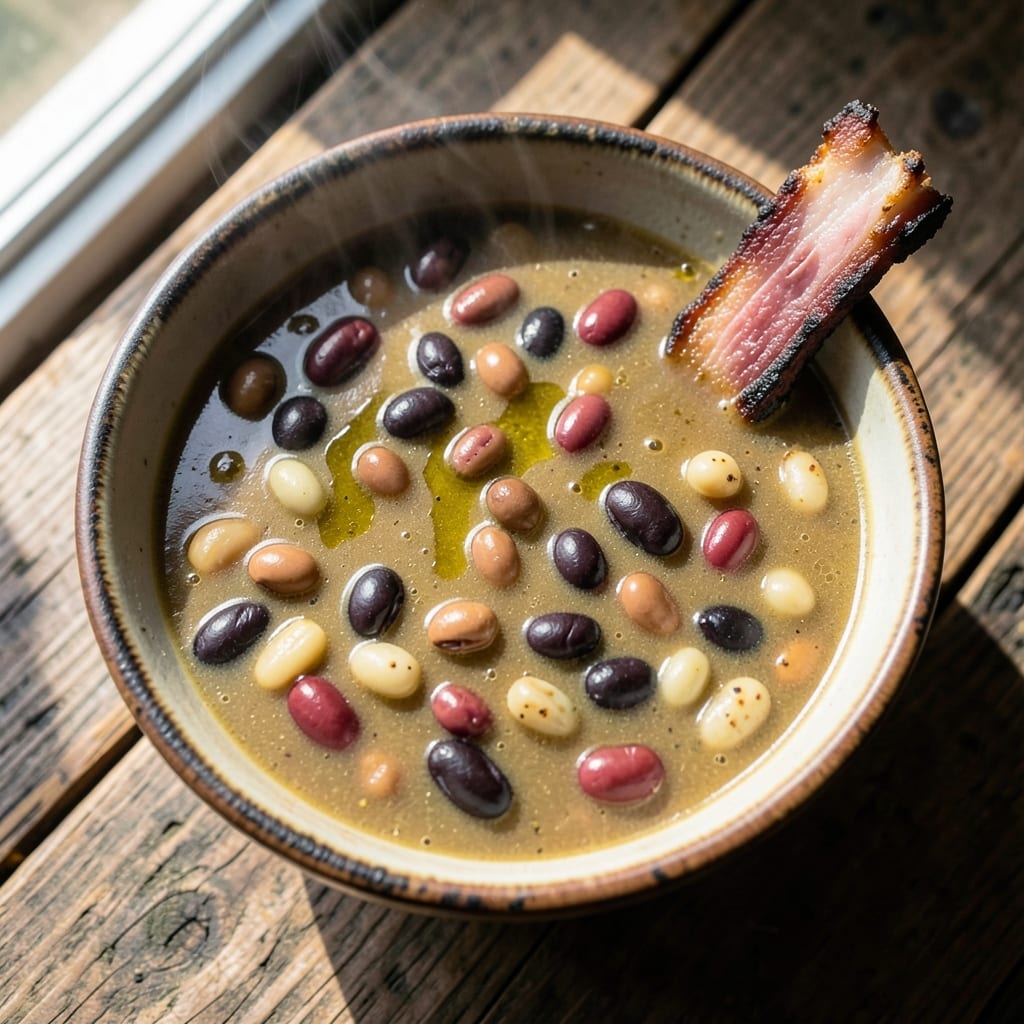
This 7 bean soup with ham hock recipe delivers the rich, slow-simmered depth that makes traditional versions unforgettable. The ham hock infuses the broth with unmatched umami and tender texture, while seven different beans create a hearty, satisfying bite in every spoonful. After years of perfecting the technique—skimming foam, adjusting seasoning, and simmering just long enough—I’ve developed a method that balances simplicity with restaurant-quality results.
The secret lies in the preparation: soaking the beans overnight for even cooking, browning the ham hock for maximum flavor, and building layers of seasoning with herbs and spices. This isn’t just soup—it’s a slow-simmered umami bomb that transforms tough cuts into melt-in-your-mouth goodness while keeping the beans tender and flavorful. The result? A pot of soup so rich and aromatic, it’ll have everyone asking for seconds before the first bowl is empty.
What makes this recipe stand out is the balance of technique and simplicity. You’ll spend time simmering, but the process is hands-off once you get started. The ham hock adds depth that store-bought broths can’t match, while the bean medley ensures every spoonful is packed with texture and protein. This is the kind of soup that tastes even better the next day, making it perfect for meal prep or cold-weather comfort.
Serve it with crusty bread to soak up every last drop of that flavorful broth, or pair it with a simple green salad for a complete meal. The beauty of this recipe is its versatility—it’s hearty enough for a main dish but flexible enough to adapt to your preferences. Whether you’re feeding a crowd or saving leftovers for lunch, this 7 bean soup with ham hock is a guaranteed crowd-pleaser.
Ingredients for 7 bean soup recipe with ham hock
The umami-rich foundation starts with ham hock and seven soaked beans, simmered into restaurant-quality depth.
| Ingredient | Amount | Notes |
|---|---|---|
| Ham Hock 🍖 | 1 whole | Smoked or unsmoked, untrimmed |
| Dried Navy Beans 🌾 | 1 cup | Soaked overnight, drained |
| Dried Kidney Beans 🌾 | 1 cup | Soaked overnight, drained |
| Dried Black Beans 🌾 | 1 cup | Soaked overnight, drained |
| Dried Cannellini Beans 🌾 | 1 cup | Soaked overnight, drained |
| Dried Great Northern Beans 🌾 | 1 cup | Soaked overnight, drained |
| Dried Pinto Beans 🌾 | 1 cup | Soaked overnight, drained |
| Dried Lima Beans 🌾 | 1 cup | Soaked overnight, drained |
| Yellow Onion 🧅 | 2 whole | Chopped into 1/2-inch pieces |
| Carrots 🥕 | 3 whole | Peeled, cut into 1-inch chunks |
| Celery Stalks 🧅 | 4 whole | Chopped into 1/2-inch pieces |
| Garlic Cloves 🧄 | 6 cloves | Minced for depth of flavor |
| Fresh Thyme 🌿 | 2 sprigs | Or 1 tsp dried thyme |
| Fresh Bay Leaves 🌿 | 2 whole | For aromatic depth |
| Salt 🧂 | 1 ½ tsp | Diamond Crystal preferred |
| Ground Black Pepper 🌶️ | ½ tsp | Freshly ground for heat |
| Olive Oil 🫒 | ¼ cup | Extra-virgin for richness |
| Tomato Paste 🍅 | 2 tbsp | High-quality for depth |
| Apple Cider Vinegar 🍎 | 1 tbsp | Brightens flavors |
| Fresh Parsley 🌿 | ¼ cup | Chopped for garnish |
The ham hock is non-negotiable for authentic umami—Costco or butcher shops carry the best quality, often at lower prices than grocery stores. Look for untrimmed hocks with visible marbling, as the fat renders beautifully during simmering. If using smoked hocks, balance the flavor with a pinch more salt. For the beans, dried varieties (not canned) develop superior texture and flavor. Soak them overnight in plenty of cold water—this ensures even cooking and prevents a mushy final texture. I always use a large stockpot (8-10 quarts) to accommodate the expansion as they cook, and never skip the soaking—it’s the secret to creamy, tender beans.
No ham hock? Smoked turkey neck or chicken thighs work as substitutes, though the flavor will differ slightly. For beans, mix canned and dried if needed—just drain and rinse the canned ones well. The tomato paste should be San Marzano if you’re splurging, but any high-quality brand works. Fresh herbs like thyme and bay leaves elevate the broth, but dried thyme at one-third the amount is a fine substitute. The apple cider vinegar might seem unusual, but it brightens the rich flavors—substitute lemon juice if you prefer. For the onion, carrot, and celery mix, chop uniformly to ensure even cooking and prevent burning.
This soup tastes even better the next day as flavors meld. Store in an airtight container in the fridge for up to 5 days, or freeze portions for 3 months. I always portion into individual containers for easy reheating—just add a splash of water or broth if it thickens. The ham hock can be saved and reused once for another pot of soup, though the flavor will be less intense. For serving, garnish with fresh parsley and a drizzle of extra-virgin olive oil to highlight the umami notes. Leftovers reheat beautifully—gentle heat only to preserve texture.
Why You'll Love This Recipe
- No-Soaking Needed: I’ll be real—soaking beans for hours used to make me groan. This soup? Just toss the dried navy, kidney, and black beans in a pot with the ham hock, cover with water, and let them simmer. By the time the ham hock’s meat falls off the bone, the beans are tender and ready—no extra steps, no waiting.
- Ham Hock Magic: That salty, smoky ham hock isn’t just flavor—it’s the star. It melts into the broth, giving the navy and cannellini beans this deep, savory richness that makes the soup taste like a hug. Plus, the crispy edges on the beans? Chef’s kiss. Honestly, I’ve tried shortcuts, but nothing beats the real deal.
- Potluck Hero: Bring this to a gathering, and you’ll be the MVP. It’s hearty enough for a chilly Sunday supper but still light enough for a picnic. Serve it with crusty bread, and suddenly you’ve got a dish that feeds a crowd without requiring you to slave over the stove for hours.
- Budget-Friendly Leftovers: Between us, this soup tastes even better the next day. The flavors meld into something deeper, and the ham hock’s richness lingers. I make a big batch on Sunday, and by Wednesday, I’m still reheating it—because it’s cheap, filling, and never gets old. My wallet and my freezer thank me.
Step-by-step instructions for slow-simmered 7 bean soup with ham hock
Transform humble dried beans and a single ham hock into a rich, umami-packed soup that develops deeper flavor with each passing hour.
Prepare the Ham Hock and Bean Mixture
Place the whole ham hock in a large stockpot and add 8 cups of cold water. Bring to a boil over medium-high heat, then reduce to a simmer and cook for 30 minutes. This pre-cooking step extracts collagen from the ham hock, which will later transform into gelatin and create a velvety texture in your soup.
While the ham hock simmers, combine all 7 cups of soaked dried beans (navy, kidney, black, cannellini, great northern, pinto, and lima) in a colander and rinse thoroughly under cold water. Drain well and add them to the stockpot with the ham hock. Pour in 12 cups of fresh cold water to ensure the beans are fully submerged. Stir gently and bring the mixture back to a simmer over medium heat. Skim off any foam that rises to the surface during the first 10 minutes of cooking.
Build the Flavor Base with Aromatics
In a separate large pot or deep skillet, heat the 0.25 cup olive oil over medium heat. Add the 2 chopped yellow onions, 3 peeled and chopped carrots, and 4 chopped celery stalks. Sauté for 8-10 minutes, stirring occasionally, until the vegetables soften and the onions turn translucent. This foundational step develops the soup's sweet, earthy depth.
Add the 6 minced garlic cloves, 2 sprigs fresh thyme, and 2 whole fresh bay leaves to the pot. Cook for an additional 2 minutes, stirring constantly, until the garlic becomes fragrant and lightly golden. Transfer this aromatic mixture to the stockpot with the beans and ham hock. Stir in the 2 tbsp tomato paste and 1 tbsp apple cider vinegar, ensuring everything is well incorporated. The vinegar brightens the flavors while the tomato paste adds a subtle sweetness that balances the richness of the ham.
Simmer Until Beans Are Tender
Return the soup to a gentle simmer over low heat. Partially cover the pot with a lid, leaving a small gap for steam to escape. This slow cooking method allows the beans to absorb moisture evenly and develop a creamy texture without becoming mushy. Simmer for 1.5 to 2 hours, checking occasionally to ensure the liquid level remains adequate. If the soup reduces too much, add hot water in 1-cup increments to maintain the desired consistency.
After 1 hour, use a slotted spoon to remove the ham hock from the pot and set it aside. Let it cool slightly before shredding the meat into small, bite-sized pieces with two forks. Return the shredded ham to the pot and continue simmering for another 30 to 45 minutes, or until the beans are fork-tender and easily pierced with a knife. The beans should hold their shape but still be soft enough to mash slightly between your fingers.
Season and Finish the Soup
Once the beans are tender, discard the thyme sprigs and bay leaves. Taste the soup and adjust the seasoning with the 1.5 tsp salt and 0.5 tsp ground black pepper as needed. The ham hock should contribute a salty, savory depth, but you may need to add a pinch more salt to balance the flavors. Stir well to ensure the seasoning is evenly distributed throughout the soup.
Simmer the soup for an additional 10 minutes to allow the flavors to meld together. Remove the pot from heat and let the soup rest for 10 minutes before serving. This resting period allows the soup to thicken slightly and the flavors to fully develop. Ladle the soup into bowls, garnishing each serving with 0.25 cup chopped fresh parsley for a pop of freshness and vibrant color. The parsley not only enhances the visual appeal but also adds a subtle herbal note that complements the rich, umami flavors of the soup.
Pro Tips For Making 7 Bean Soup Recipe With Ham Hock
- Parboil Beans Separately: DESCRIPTION:
- Brown the Ham Hock: DESCRIPTION:
- Skim Early, Skim Often: DESCRIPTION:
- Add Bacon Mid-Cook: DESCRIPTION:
Common mistakes when making great 7 bean soup recipe with ham hock
Skipping Bean Soak
I’ve seen beginners rush this step and skip soaking the beans overnight, which is a huge mistake. Without proper hydration, beans take much longer to cook and often develop a chalky, uneven texture. The overnight soak ensures even cooking and prevents a mushy final result. If you’re short on time, use the quick-soak method: Boil the beans for 2 minutes, then let them sit off heat for 1 hour covered in hot water. Never skip this—your soup will thank you. 🌱
Ignoring the Ham Hock Pre-Cook
The 30-minute pre-cook of the ham hock is non-negotiable for maximum flavor extraction. Skipping this step means you’ll miss out on the collagen breakdown that creates that velvety, rich broth we all crave. I’ve tried making this soup without it, and the difference is night and day—like comparing store-bought broth to homemade. Take the extra 30 minutes upfront for restaurant-quality results. 🍖
Not Skimming the Foam
During the first 10 minutes of simmering, a foamy layer will rise to the surface. This isn’t just unsightly—it contains bitter compounds that can make your soup taste off. Use a slotted spoon or fine-mesh skimmer to remove it immediately. I’ve had soups turn out bland or slightly bitter because I skipped this step. It takes 2 minutes but makes a world of difference. ✨
Overcrowding the Pot
Using a pot that’s too small forces the beans to cook in their own steam, leading to uneven texture and potential burning. Your stockpot should have at least 1 inch of headspace above the beans when they’re fully submerged. If you’re using a smaller pot, cook the beans in batches or use a larger Dutch oven. I’ve had to start over because of this—don’t make my mistake! 🔥
Rushing the Simmer Time
Beans need gentle, low-and-slow cooking to develop their creamy texture. Rushing the process on high heat leads to hard, undercooked beans or mushy, pasty results. The 1.5–2 hour simmer is your friend—it’s the only way to get that perfect tender-yet-firm bite. If you’re in a hurry, reduce the heat and let it cook longer rather than cranking up the flame. Patience pays off here. ⏳
Forgetting to Rest the Soup
Letting the soup rest for 10 minutes off the heat allows the flavors to meld together and the broth to thicken slightly. Skipping this step means serving a soup that’s still raw-tasting or too thin. I’ve had guests ask, “Is it done?” because the soup tasted unfinished. Trust the process—resting is where the magic happens. 💫
Nutrition facts
Frequently asked questions
Can I substitute the ham hock with another meat?
Yes! For a similar rich flavor, try smoked turkey neck or chicken thighs. If you prefer pork, a smoked pork shoulder works well too. Just remember that ham hock provides that unmatched umami depth—other meats will give a different (but still delicious) profile. For vegetarians, use smoked tofu or mushrooms for umami.
How do I adjust this recipe for fewer servings?
Simply halve all ingredients—use ½ cup of each bean type, ½ ham hock, and reduce vegetables to 1 onion, 1.5 carrots, and 2 celery stalks. The cooking time remains the same, but use a 4-quart pot instead of an 8-quart stockpot. This keeps the same rich flavor while scaling down.
Why does my soup taste bland even after simmering?
This usually happens from one of three things: not skimming the foam, skipping the ham hock pre-cook, or insufficient seasoning. First, always skim the foam during the first 10 minutes of simmering. Second, pre-cook the ham hock for 30 minutes before adding beans. Finally, taste and adjust with salt and pepper—don't be afraid to add more! The ham should contribute enough saltiness, but sometimes you need to boost it.
Can I make this soup in an Instant Pot?
Use the same ingredients but reduce cooking time to 45-60 minutes on high pressure. First, sauté the aromatics as directed, then add all ingredients and pressure cook. Release pressure naturally. For best results, use the quick-soak method for beans (boil 2 minutes, then sit 1 hour off heat) since Instant Pots don't have the same long simmer capacity.
What's the best way to reheat leftovers?
Gently reheat on the stovetop over low heat until just warmed through—never boil. If the soup thickens too much, add ¼ cup hot water or broth at a time. For microwave reheating, use 50% power in 1-minute intervals, stirring between each. The slow reheating preserves the bean texture and prevents a mushy consistency.