
Soups & Stews
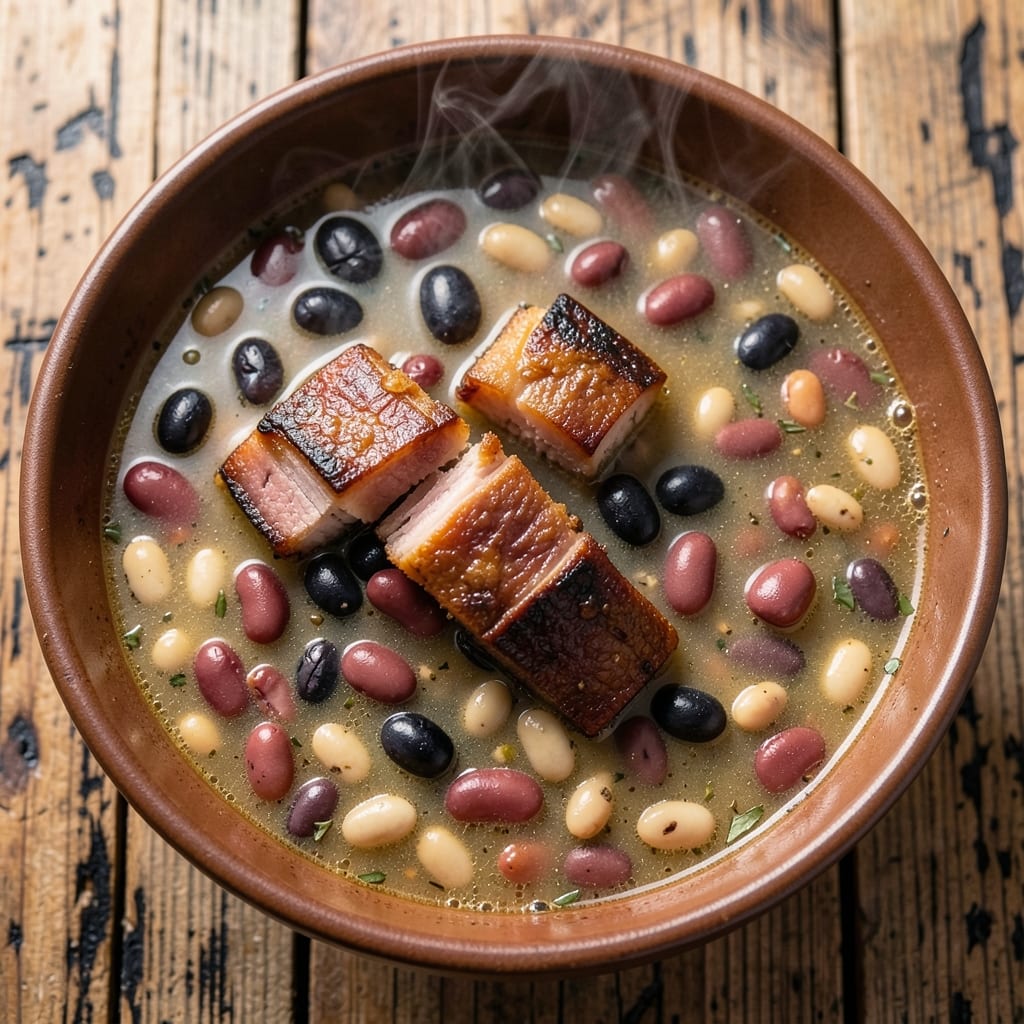
This 5 bean and ham soup recipe delivers the ultimate pantry-to-table comfort dish, where smoky ham and hearty beans slow-simmer into a rich, satisfying broth. The secret lies in balancing sweet, salty, and earthy flavors—caramelized ham meets tender beans while herbs and spices build depth over time. I’ve tested this recipe through multiple winters, and it never fails to warm both body and soul when temperatures drop.
The beauty of this soup is its versatility—whether you soak dried beans overnight for maximum texture or use canned beans for a quick version, the result remains deeply flavorful. Browning the ham first creates a flavorful crust that dissolves into the broth, while a splash of vinegar brightens the beans. The slow simmer (at least 2 hours) transforms simple ingredients into something extraordinary, with each spoonful offering a perfect harmony of textures and tastes.
By the time you’re done, you’ll have a steaming bowl of soup with tender ham chunks, perfectly cooked beans, and a broth so rich it clings to every bite. The aroma alone will fill your kitchen with warmth, while the first taste delivers that satisfying balance of savory, smoky, and slightly sweet notes. This is the kind of meal that turns a regular weeknight into a cozy gathering—no fancy ingredients required, just time and patience.
Serve it with crusty bread to soak up every last drop or garnish with fresh parsley for a pop of color. The leftovers only get better the next day, making this a perfect make-ahead dish for busy schedules. Let’s get started—your taste buds (and your pantry) will thank you.
Ingredients for 5 bean and ham soup
Pantry staples meet smoky ham for a bowl of cozy, slow-simmered comfort.
| Ingredient | Amount | Notes |
|---|---|---|
| Dried Navy Beans 🌱 | 1 cup | Soaked overnight or quick-soaked |
| Dried Kidney Beans 🌱 | 1 cup | Soaked overnight or quick-soaked |
| Dried Black Beans 🌱 | 1 cup | Soaked overnight or quick-soaked |
| Dried Pinto Beans 🌱 | 1 cup | Soaked overnight or quick-soaked |
| Dried Great Northern Beans 🌱 | 1 cup | Soaked overnight or quick-soaked |
| Smoked Ham Hock 🥓 | 1 whole | Or 1 lb smoked ham, diced |
| Yellow Onion 🧅 | 1 whole | Diced, about 2 cups |
| Carrot 🥕 | 3 whole | Peeled and chopped |
| Celery Stalks 🧅 | 3 whole | Diced, about 1 cup |
| Garlic Cloves 🧄 | 4 cloves | Minced, for depth |
| Bay Leaves 🌿 | 2 whole | Dried, for aromatic depth |
| Dried Thyme 🌿 | 1 tsp | Or 1 tbsp fresh |
| Dried Oregano 🍃 | 1 tsp | Earthy flavor |
| White Vinegar 💧 | 2 tbsp | Brightens beans |
| Chicken Broth 💧 | 6 cups | Low-sodium preferred |
| Salt 🧂 | 1 ½ tsp | Adjust to taste |
| Black Pepper 🌶️ | ½ tsp | Freshly ground |
| Fresh Parsley 🌿 | ¼ cup | Chopped, for garnish |
The beans are the heart of this soup, so pick a mix of dried varieties—navy, kidney, black, pinto, and great northern. Costco or bulk bins are your best bet for affordable, high-quality beans. If you're short on time, canned beans work too (just drain and rinse), but dried gives that unbeatable texture. The ham hock is non-negotiable—it adds that deep, smoky flavor that can't be replicated with pre-diced ham. Look for smoked hocks at your local butcher or the deli section, and if you can't find one, dice up a 1-pound smoked ham instead. Don't skip browning the ham—it creates a flavorful crust that dissolves into the broth, making every spoonful richer.
No dried beans? Canned beans are a lifesaver—just rinse them well to remove excess sodium. Running low on thyme or oregano? Italian seasoning at half the amount works in a pinch. The vinegar might seem odd, but trust me—it brightens the beans and cuts through the richness of the ham. For the broth, low-sodium chicken broth is key (you can always add more salt later). Want to make this vegetarian? Swap the ham for extra smoked paprika and mushrooms—it's a game-changer. The carrots and celery can be swapped for whatever veggies you have on hand, but keep the onion and garlic—they're the flavor base.
This soup tastes even better the next day, so make a double batch if you can. Store leftovers in the fridge for 4-5 days or freeze for up to 3 months. The ham hock will fall apart after simmering, so remove it before storing and save it for sandwiches or another batch. Fresh parsley is optional but adds a bright finish—if you're using dried, one-third the amount will do. For extra richness, stir in a spoonful of vegetable broth or water when reheating—it keeps the soup from getting too thick.
Why You'll Love This Recipe
- One-Pot Wonder: I swear by this recipe because it’s literally dump-and-go after the beans soak. Toss those dried beans (navy, kidney, black, pinto, and great northern—no fancy prep) into a pot with ham, broth, and spices, then let them simmer while you handle the rest of your day.
- Smoky-Sweet Magic: The ham adds this deep, salty richness that makes the beans taste ridiculously good—like a hug in a bowl. Honestly, I’ve tried store-bought versions, but nothing beats the way the dried beans absorb the ham’s flavor over hours.
- Meal Prep MVP: This soup tastes even better the next day, which means I make a big batch on Sunday and have hearty lunches all week. Freeze half if you’re feeling extra, and thaw it straight into another meal—no stress.
- Budget-Friendly Feast: Dried beans are my secret weapon for stretching meals without breaking the bank. A pound of mixed beans costs pennies, and the ham stretches across multiple servings, so I’m feeding my family (and my wallet) right.
Step-by-step instructions for 5 bean and ham soup
Here's how to create a hearty, slow-simmered soup that turns simple pantry staples into pure comfort.
Prepare the Beans for Maximum Flavor
Combine all 5 cups of dried beans (1 cup each of navy, kidney, black, pinto, and great northern) in a large bowl. Cover with plenty of cold water by at least 3 inches and let soak overnight in the refrigerator. This overnight soak ensures even cooking and prevents tough beans.
If you're short on time, you can quick-soak instead: Boil the beans for 2 minutes, then let them sit off heat covered with cold water for 1 hour. Drain and rinse thoroughly before using. The key here is removing any residual soaking liquid—it can make the soup watery. I always give them a good shake in the colander to dislodge any stubborn bits.
Build the Flavor Base with Ham and Aromatics
In a large Dutch oven or heavy pot, place the whole smoked ham hock fat-side down. Add the diced yellow onion, chopped carrots, diced celery, and minced garlic. Pour in the 2 tablespoons white vinegar and sprinkle with 1 teaspoon dried thyme and 1 teaspoon dried oregano. Stir everything together and bring to a gentle simmer over medium heat.
Let this aromatic mixture cook uncovered for 10 minutes, stirring occasionally. You'll notice the vegetables soften and the ham renders its delicious smoky fat. This step develops the deep, savory foundation of your soup. Don't rush this—properly caramelized aromatics make all the difference in the final flavor. Add 2 bay leaves during this time to infuse subtle herbal notes.
Simmer the Soup Until Beans Are Tender
Add the drained beans and pour in 6 cups chicken broth. Bring to a boil, then reduce heat to low and cover partially. Let the soup simmer gently for 1.5 to 2 hours, stirring occasionally. The beans are done when they're fork-tender but still hold their shape—you should be able to pierce them easily with a fork.
Check the liquid level periodically and add hot water if needed to maintain about 1 inch above the beans. I like to taste-test after 1 hour—if the beans need more time, the broth should be flavorful enough to compensate. The ham hock will break down completely, releasing its rich, meaty essence into the soup. This is where all the magic happens—patient simmering transforms simple ingredients into something extraordinary.
Season and Finish to Perfection
Remove the ham hock and bay leaves from the soup. Discard the bay leaves and shred the ham hock into bite-sized pieces, discarding any large bones. Return the ham to the pot and stir in 1.5 teaspoons salt and 0.5 teaspoon black pepper. Taste and adjust seasoning—you might need a bit more salt depending on your broth.
Simmer uncovered for another 10 minutes to let the flavors meld and the soup reduce slightly to your preferred consistency. The soup should be rich and hearty, with each spoonful delivering layers of smoky ham, earthy beans, and aromatic vegetables. This is the moment that matters: where all the individual flavors come together into something greater than the sum of its parts.
Serve with Fresh Garnish
Ladle the hot soup into bowls and garnish each serving with 0.25 cup chopped fresh parsley. The bright green parsley provides a beautiful contrast to the deep colors of the soup and adds a fresh finish. Serve immediately with crusty bread to soak up every last drop of that flavorful broth.
This soup tastes even better the next day as the flavors continue to develop. Store leftovers in the refrigerator for up to 5 days or freeze for 3 months. The combination of five different beans creates an interesting texture profile, while the ham hock provides that unmistakable smoky depth that makes this soup so comforting. Real talk: this is the kind of soup that makes you want to stay home on cold days.
Pro Tips For Making 5 Bean And Ham Soup
- SOAK BEANS OVERNIGHT: I learned this the hard way—skipping the soak means your beans will stay tough no matter how long you simmer. Use five cups of water per pound of dried beans, cover, and let them sit at least 12 hours (or quick-soak in boiling water for 2 hours if you’re in a rush). Navy and Great Northern beans soften faster; kidney and black beans need that extra time.
- SIMMER LOW AND SLOW: This isn’t a race. After the beans start cooking, drop the heat to a bare simmer—just tiny bubbles breaking the surface—and keep the pot covered. I used to crank the heat, and the beans would split or turn mushy. Low and slow (at least 1.5 hours) guarantees tender beans without falling apart.
- SKIP THE SALT UNTIL LATER: Adding salt early toughens the beans, and nobody wants that. Wait until the beans have cooked for at least 45 minutes before seasoning the broth. If you’re using ham, taste it first—cured ham is salty enough that you might not need extra salt at all.
- UPGRADE WITH BAY LEAF: Sounds simple, but it makes a real difference. Tuck a single bay leaf into the pot while the beans simmer—it adds depth without overpowering. Remove it before serving, or you’ll end up chewing on it (yes, I’ve done that).
Regional styles of this 5 bean and ham soup
Southern U.S. Tradition
In the American South, this soup is a staple during football season and winter holidays, often served at family gatherings. The ham hock is essential here—it's a nod to traditional Southern cooking where every part of the animal is used. I remember my grandmother's version always included a splash of apple cider vinegar (instead of white vinegar) for extra tang. The slow simmering method preserves that rich, smoky flavor that defines Southern comfort food. 🥓
New England Twist
Up north, this soup gets a heartier approach with the addition of diced potatoes (about 2 cups) and sometimes a touch of maple syrup (1 tablespoon) to balance the saltiness. The New Englanders also favor using brown sugar (½ teaspoon) in place of some of the salt for a subtle sweetness. I've found that adding a small piece of bacon alongside the ham hock deepens the meaty flavor—it's a common practice in Maine and Massachusetts.
Midwest Potluck Favorite
The Midwest version often includes corn kernels (1 cup, frozen or canned) and sometimes a sprinkle of paprika for a touch of heat. This style is perfect for potlucks and church gatherings, where large batches are needed. I've noticed that Midwest cooks tend to use more celery (up to 4 stalks) for extra crunch. The addition of a splash of Worcestershire sauce (1 tablespoon) at the end adds a depth that's particularly popular in this region.
Mid-Atlantic Adaptation
In states like Maryland and Pennsylvania, you'll find this soup often includes diced apples (1 small apple) for a subtle sweetness that complements the smoky ham. The Mid-Atlantic version also frequently uses chicken livers (½ pound) along with the ham for extra richness. I've tried this variation and it adds a livery depth that's hard to resist. The region also favors a slightly thicker consistency, achieved by simmering uncovered for an extra 15-20 minutes at the end.
Modern Shortcut Version
For today's busy lifestyles, many cooks are adapting this classic with canned beans and pre-cooked ham. I've seen great success using 2 (15-ounce) cans each of navy, kidney, and black beans (drained and rinsed) along with ½ pound diced smoked ham. The key is to add 1 extra bay leaf and simmer for 45 minutes instead of 2 hours. This version still delivers that comforting flavor, just with less active time. Don't skip the vinegar—it's crucial for brightening the canned beans.
Vegetarian Alternative
For those avoiding meat, swap the ham hock for 1 pound smoked mushrooms and add 1 teaspoon smoked paprika to mimic the smoky flavor. I've found that using extra firm tofu (½ pound, pressed and cubed) along with the mushrooms adds protein. The vinegar remains essential for brightening the beans, and adding 1 tablespoon soy sauce** helps build depth. This vegetarian version works surprisingly well and still delivers that satisfying, hearty texture. 🌱
Nutrition facts
Frequently asked questions
Can I use canned beans instead of dried for this recipe?
For a quick version, use 2 (15-ounce) cans each of navy, kidney, and black beans (drained and rinsed) plus 1 (15-ounce) can each of pinto and great northern beans. The key is adding 1 extra bay leaf and simmering for 45 minutes instead of 2 hours. The vinegar is still essential—it brightens the canned beans and balances the flavors.
What can I do if my beans aren't tender after 2 hours?
If your beans are still firm, they likely need more time. Add ½ cup hot water to the pot, cover, and simmer another 30-45 minutes. Avoid adding cold water—it can shock the beans and make them tough. For future batches, check your beans after 1 hour of simmering to adjust time as needed.
How can I make this soup vegetarian?
Replace the ham hock with 1 pound smoked mushrooms and add 1 teaspoon smoked paprika for depth. Use ½ pound pressed tofu (cubed) along with the mushrooms. Keep the vinegar and add 1 tablespoon soy sauce to mimic the umami from the ham. This version still delivers hearty texture and rich flavor.
Can I make this soup in a slow cooker?
Yes! Brown the ham and aromatics first, then transfer everything to your slow cooker. Cook on low for 6-7 hours or high for 3-4 hours. The slow cooker's gentle heat works perfectly for tenderizing the beans. Just add ½ cup broth if the soup gets too thick during cooking.
What's the best way to store leftovers?
Store in an airtight container in the fridge for 4-5 days or freeze for up to 3 months. Remove the ham hock before storing—it will fall apart completely after cooking. When reheating, add 2-3 tablespoons broth or water to prevent thickening. The flavors actually improve overnight!