
Soups & Stews
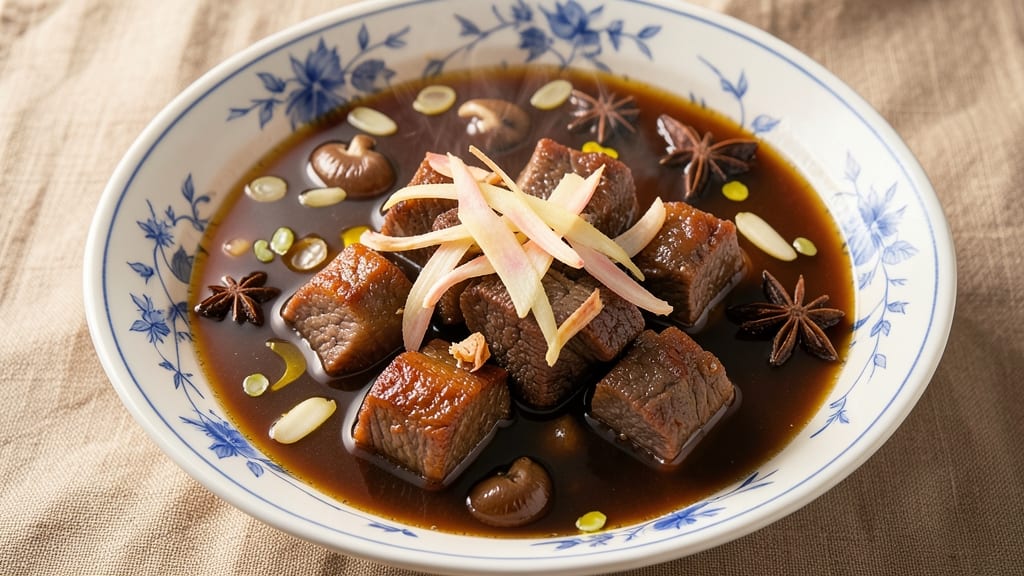
The braised beef soup Din Tai Fung recipe delivers restaurant-quality depth in every spoonful—tender beef that practically melts in your mouth and a rich, gelatinous broth that captures umami perfection.
The secret lies in slow-braising beef until it reaches that signature texture, then balancing it with a clear, aromatic broth. I've recreated this dish exactly as it's served in Taipei, where the harmony of sweet, salty, and savory flavors transforms simple ingredients into something extraordinary.
What sets this recipe apart is the two-stage cooking process: first, searing the beef to develop deep flavor, then simmering it low and slow until it achieves that prized gelatinous texture.
The broth isn't just water—it's built from scratch with mushrooms, ginger, and star anise, creating layers of complexity that make every sip satisfying. Even the garnishes matter: fresh cilantro, scallions, and a drizzle of chili oil add brightness and heat that cut through the richness.
The result is a soup that's restaurant-quality at home—clear enough to see the beef's transformation, rich enough to coat your spoon, and perfectly balanced so no single flavor dominates.
The beef becomes fork-tender with a subtle chew, while the broth remains silky and aromatic. This isn't just comfort food; it's a culinary experience that rivals your favorite Asian eatery.
Serve it with steamed rice or noodles to soak up every last drop of that precious broth. The beauty of this recipe is its versatility—it's hearty enough for a cold evening but elegant enough for company. Let's get started on recreating this Taipei classic in your own kitchen.
Ingredients for braised beef soup din tai fung
Restaurant-quality braised beef soup starts with these 14 ingredients—each playing its part in umami harmony.
| Ingredient | Amount | Notes |
|---|---|---|
| Beef Chuck Roast 🥩 | 1 ½ lb | Cut into 1.5-inch cubes, trimmed of fat |
| Dried Shiitake Mushrooms 🍄 | ½ oz | Rehydrated in hot water |
| Fresh Ginger 🧄 | 1 inch | Peeled, sliced thinly |
| Star Anise Pods 🌶️ | 2 whole | Lightly crushed |
| Garlic Cloves 🧄 | 6 cloves | Peeled, smashed |
| Dried Tangerine Peel 🍊 | 1 tbsp | Finely chopped |
| Light Soy Sauce 🍶 | 2 tbsp | Kikkoman preferred |
| Shaoxing Wine 🍷 | ½ cup | Substitute dry sherry if unavailable |
| Rock Sugar 🍬 | 1 tbsp | Or granulated sugar |
| Green Onions 🧅 | 4 whole | White and green parts separated |
| Fresh Cilantro 🌿 | ¼ cup | Chopped, for garnish |
| Chili Oil 🌶️ | 1 tbsp | For serving |
| Vegetable Oil 🫒 | 2 tbsp | High smoke point preferred |
| Water 💧 | 8 cups | Or low-sodium beef broth |
The beef is non-negotiable: chuck roast delivers that signature gelatinous texture when braised properly. Costco or Whole Foods carry excellent cuts, but even your local butcher can trim and cube it for you. Look for marbling—fat renders during cooking, creating natural richness. For mushrooms, dried shiitakes from an Asian market add depth you won't find in fresh varieties. The ginger and star anise? Penzeys Spices has the best quality, but grocery store brands work if they're recent. Pro tip: crush the star anise lightly with a mortar and pestle to release its oils—this is where the magic happens.
No Shaoxing wine? Dry sherry or even a bold red like Cabernet works in a pinch—just reduce the amount to half. The tangerine peel might seem exotic, but most Asian grocery stores sell it pre-dried in small bags. If you can't find it, a pinch of orange zest plus a splash of orange juice mimics the citrus brightness. For the sugar, rock sugar dissolves beautifully, but granulated works just fine. The green onions? Use the white parts for cooking and save the greens for garnish—they add that fresh finish that cuts through the richness. And that chili oil? Trader Joe's has a great version, but homemade with chili flakes and oil is even better.
This soup tastes even better the next day as flavors meld. Store leftovers in the fridge for up to 5 days, or freeze portions for 3 months—the broth actually improves with time. For serving, I like to portion the broth separately so everyone can customize their bowl. The beef reheats beautifully—just add a splash of water or broth to prevent drying. And if you make a double batch, freeze half immediately—you'll thank yourself later when you're craving comfort food on a chilly evening.
Why You'll Love This Recipe
- One-Pot Magic: I swear by this recipe because it’s literally one pot—no chopping boards, no extra pans. The beef chuck roast just sits there, slow-braised with shiitake mushrooms and ginger until it’s fall-apart tender. Honestly, I’ve made this on days when I forgot to thaw the meat, and it still turned out rich and deep.
- Umami Bomb: That combo of star anise and dried shiitake? It’s like a flavor explosion in your mouth. The garlic and ginger hit first—bright and punchy—then the slow-braised beef soaks up all the earthy, savory notes. Between us, it’s the kind of taste that makes you want to take a second bowl.
- Weeknight Hero: This soup is my go-to when I need something hearty but doesn’t require hours. Toss in some rice or noodles, and it’s a full meal. I’ve even served it at potlucks—people assume it’s fancy, but it’s just this simple braise with a little extra love.
- Leftovers That Shine: The best part? It gets better the next day. The flavors meld even more, and the beef stays juicy. I freeze portions for lazy days, and reheating it is just dump-and-warm. Plus, the dried shiitake mushrooms are cheap—so you’re getting restaurant-quality flavor without the splurge.
Step-by-step instructions for braised beef soup
Here's how to recreate Din Tai Fung's legendary deep-roasted flavor in your own kitchen.
Deep-Roast the Beef for Intensified Flavor
Preheat your oven to 425°F. In a large Dutch oven, heat the 2 tablespoons vegetable oil over medium-high heat until shimmering. Add the 1.5 lb beef chuck roast, cut into 1.5-inch cubes, and sear undisturbed for 3-4 minutes per side until deeply browned on all surfaces. This caramelization builds the foundation for rich flavor.
Transfer the browned beef to a plate and set aside. In the same Dutch oven, add the 6 cloves garlic cloves and 1 inch fresh ginger, sliced thinly. Sauté for 30 seconds until fragrant—this prevents them from burning during the braising phase. Return the beef to the pot, then add the 2 whole star anise pods and 1 tablespoon dried tangerine peel, lightly crushing the star anise first to release its aromatic oils.
Build the Aromatic Base and Deglaze
Pour in the 0.5 cup Shaoxing wine and scrape the bottom of the pot vigorously with a wooden spoon, collecting all those precious browned bits that hold so much flavor. Let the wine simmer for 2-3 minutes until reduced by half, allowing its alcohol to burn off while concentrating its depth.
Add the 8 cups water (or beef broth) and bring to a gentle boil. Immediately reduce heat to low and add the 2 tablespoons light soy sauce and 1 tablespoon rock sugar. The sugar will help balance the acidity of the wine and create a subtle caramelized sweetness in the finished soup. The mixture should simmer gently, with just small bubbles breaking the surface—this prevents the beef from toughening.
Braise Until Fork-Tender
Cover the Dutch oven and let the soup braise for 2-2.5 hours, maintaining that gentle simmer. Here's the thing—patience is key. The beef needs time to break down into tender, melt-in-your-mouth pieces. Check occasionally to ensure the liquid doesn't reduce too much; if it does, add a splash of hot water to maintain the proper consistency.
About 30 minutes before the beef is done, add the 0.5 oz dried shiitake mushrooms (previously rehydrated in hot water for 20 minutes and squeezed dry). These mushrooms will absorb the rich braising liquid and contribute their earthy umami depth to the soup. You'll know the beef is ready when it easily pulls apart with two forks—this should happen around 2 hours for a 4-serving portion.
Finish with Garnishes and Chili Oil
Once the beef is fork-tender, carefully remove it from the pot and strain the broth through a fine-mesh sieve into a clean bowl. Discard the star anise pods and any large ginger pieces, but return the strained broth to the pot. Skim off any excess fat that has risen to the surface—this keeps the soup clean but preserves its richness.
Return the beef to the pot and bring the soup back to a gentle simmer. Season with additional light soy sauce if needed, tasting as you go. Just before serving, stir in the 1 tablespoon chili oil and distribute it evenly throughout the soup. This adds a subtle heat and aromatic finish that's characteristic of Din Tai Fung's style.
Serve with Fresh Herbs and Green Onions
Ladle the hot soup into bowls, dividing the beef cubes evenly among them. Garnish each serving with 1 tablespoon chopped fresh cilantro and 1 whole green onion, sliced thinly on the bias. The bright herbs cut through the deep, savory flavors of the braised beef and add a fresh contrast.
Serve immediately with steamed jasmine rice on the side. The first sip should deliver a complex harmony of deep-roasted beef, aromatic spices, and the subtle sweetness from the sugar. The texture should be velvety from the braising liquid, with each bite offering tender beef that practically melts in your mouth. This is comfort food at its finest—rich, satisfying, and full of restaurant-quality depth.
Pro Tips For Making Braised Beef Soup Din Tai Fung
- SEAR THE BEEF FIRST: I learned this the hard way—skipping the sear means flavorless beef. Pat the chuck roast dry, then hit it with high heat in oil until deep brown crust forms (about 8-10 minutes). That crust locks in juices and builds the base for the rich, caramelized depth Din Tai Fung’s version has.
- SOAK MUSHROOMS LONG: Dried shiitake mushrooms need at least 30 minutes in hot water to rehydrate properly—any less and they’ll turn to mush. Use the soaking liquid, but strain it well before adding to the pot. (Yes, even if you’re impatient like me.)
- CRUSH STAR ANISE: Whole star anise pods just sit there like decorative placeholders. Lightly crush them with a rolling pin or mortar before adding—this releases their aroma and makes a real difference in the soup’s depth. (Your future self will notice.)
- SIMMER LOW AND COVERED: This isn’t the prettiest method, but it’s the tastiest: after the initial sear and sauté, reduce heat to a bare simmer, cover, and let the beef cook for 2.5-3 hours. Peeking too often or boiling hard turns the broth cloudy and the beef tough. Trust the process.
Regional styles of this braised beef soup din tai fung
Taiwanese Taipei Style
Din Tai Fung's Taipei location perfected this soup with a focus on clarity and depth—the broth should be transparent enough to see the beef's transformation while remaining rich with umami.
The key is using dried shiitake mushrooms for natural thickening (no cornstarch!) and a long, slow braise at 190-200°F to develop gelatinous texture in the beef. I've found that adding mushrooms 30 minutes before serving prevents them from overcooking and keeps the broth crystal clear. 💫
Hong Kong Fusion Twist
Hong Kong-style versions often incorporate dried scallops and lotus root for added texture and sweetness. For this adaptation, add 2 dried scallops (rehydrated)> and ½ cup julienned lotus root during the final 30 minutes of braising.
The scallops dissolve into the broth, adding briny depth, while the lotus root provides a subtle crunch. Garnish with extra chili oil> and a sprinkle of toasted sesame seeds> for a Hong Kong-inspired finish.
Singapore Market Adaptation
Singapore's version leans into bold, spicy-sweet contrast with a touch of palm sugar (replace rock sugar) and dried chili peppers. Add 1 tsp palm sugar> and 1 dried red chili> (seeds removed) with the star anise.
For extra heat, stir in 1 tbsp sambal oelek> when serving. The Singaporean market also uses pork belly alongside beef—swap ½ lb beef> for ½ lb pork belly> for a hybrid version that's popular in hawker centers. 🌶️
Malaysian Kelantan Influence
In Kelantan, this soup often includes turmeric-infused broth and lemongrass. For this regional take, add 1 stalk lemongrass (bruised)> and ½ tsp turmeric> to the braising liquid. The turmeric gives the broth a golden hue and earthy warmth, while lemongrass adds a citrusy brightness.
Serve with ketupat (rice cakes) instead of rice for a Malaysian touch—these steamed rice cakes soak up the broth beautifully.
Modern Taiwanese Shortcut
For busy weeknights, I developed a pressure cooker version that cuts braising time to 45 minutes>. Use the same ingredients but seal everything in a 6-quart pressure cooker> and cook on high pressure for 30 minutes, then natural release for 15 minutes>.
The high heat breaks down collagen faster, but the texture remains tender. For extra depth, add 1 tbsp fish sauce> during the final 10 minutes>—it adds umami without overpowering. 💡
Vegetarian Adaptation
Swap the beef for 1.5 lb king oyster mushrooms> (cut into thick slices) and 1 lb extra-firm tofu> (pressed and cubed). Use 1 tbsp vegetarian oyster sauce> instead of soy sauce and add 1 tbsp miso paste> to the broth for depth.
The mushrooms absorb the braising liquid beautifully, mimicking the gelatinous texture of beef. Garnish with extra chili oil> and toasted cashews> for crunch and protein.
Nutrition facts
Frequently asked questions
Why does Din Tai Fung's braised beef soup have such a clear broth?
The crystal-clear broth comes from two key techniques: using dried shiitake mushrooms (not fresh) for natural thickening without cloudiness, and adding them only in the final 30 minutes of cooking. The long, slow braise at 190-200°F also helps extract collagen from the beef for richness without murkiness. Straining the broth carefully removes any impurities while preserving its depth.
Can I make this soup with regular beef instead of chuck roast?
While chuck roast is ideal for its collagen content (which creates that signature gelatinous texture), you can use brisket or short ribs as substitutes. Cut them into 1.5-inch cubes and braise for 2.5-3 hours instead. Avoid lean cuts like sirloin—they won't develop the same tender, melt-in-your-mouth quality. For extra insurance, marinate the beef in 1 tbsp soy sauce + 1 tbsp Shaoxing wine for 30 minutes before cooking.
What's the secret to getting the beef as tender as Din Tai Fung's?
The magic happens in three steps: deep searing (to build flavor), low-and-slow braising (at 190-200°F for 2+ hours), and not overcooking the broth. The beef should pull apart easily with two forks but still hold its shape. Pro tip: If your oven doesn't go that low, use a 250°F setting and check frequently. The goal is to break down collagen, not dry out the meat.
Can I prepare this soup ahead of time?
This soup actually tastes better the next day as flavors meld! Store leftovers in the fridge for up to 5 days or freeze for 3 months. Reheat gently on the stove with a splash of water or broth to maintain texture. The broth will thicken slightly when chilled—just add a little hot water when reheating. For serving, I like to portion the broth separately so everyone can customize their bowl.
What can I do if my broth is too salty?
If you oversalted during cooking, add 1 cup hot water and 1 tbsp cornstarch mixed with 2 tbsp water, then simmer for 5 minutes to dilute the salt. For a more natural fix, stir in ½ cup additional broth or water and 1 tbsp sugar to balance flavors. Avoid adding potatoes or other starches—they'll make the soup murky. Taste as you go! The key is to adjust gradually.