
Soups & Stews
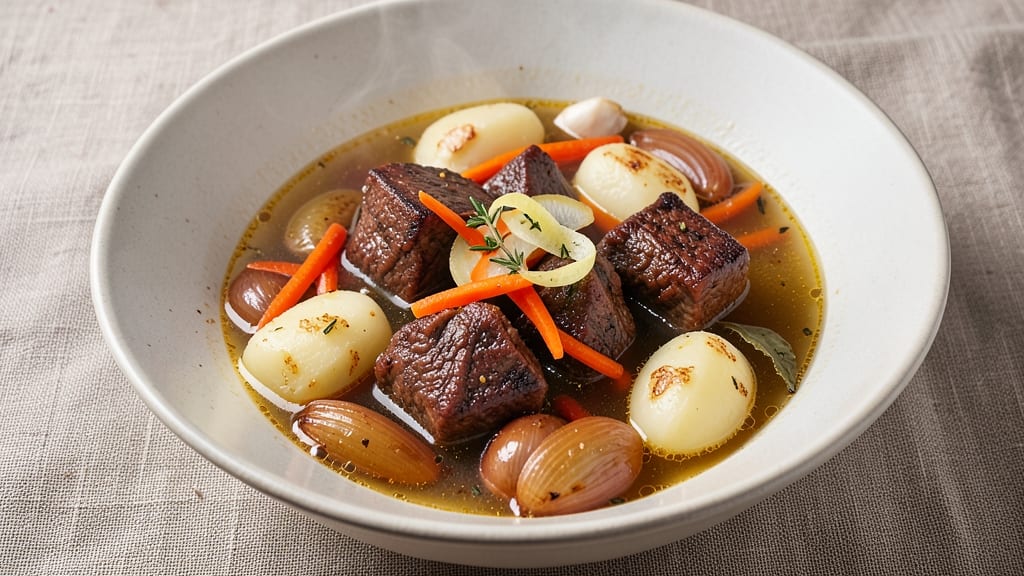
This bouyon soup recipe brings the soul-warming flavors of Filipino home cooking to your kitchen, where tender beef and hearty vegetables simmer for hours in a rich, aromatic broth.
The secret lies in patience—letting the beef break down slowly until it's fork-tender while the vegetables absorb the deep, savory essence of garlic, ginger, and bay leaves.
I first made this during a family gathering when my grandmother insisted on the "right way," and the difference between rushed cooking and this slow-simmered version is night and day.
The beauty of bouyon is its simplicity—just a few key ingredients transformed through time and heat. You'll start with a pot of water, beef bones or chunks, and aromatic vegetables like potatoes, carrots, and cabbage, all simmered until the broth becomes thick and flavorful.
The long cooking process develops a depth that can't be replicated quickly, making every spoonful of this soup a taste of comfort and tradition.
What you'll end up with is a steaming bowl of bouyon that's rich in both flavor and nutrition, perfect for cold days or family meals. The beef becomes so tender it nearly falls apart with a touch, while the vegetables retain their natural sweetness and texture.
This is the kind of soup that disappears quickly, leaving everyone asking for seconds—and that's exactly how it should be.
Serve it with steamed rice to soak up every last drop of that flavorful broth, or enjoy it as is with a side of garlic fried rice. The leftovers taste even better the next day, making this an ideal recipe for meal prep or feeding a crowd.
Let's get started on creating this classic Filipino dish in your own kitchen.
Ingredients for bouyon soup
Simple ingredients that transform into a soulful Filipino classic when simmered slow.
| Ingredient | Amount | Notes |
|---|---|---|
| Beef Chunks 🥩 | 2 lb | Chuck roast preferred |
| Yellow Onions 🧅 | 2 whole | Peeled and halved |
| Garlic Cloves 🧄 | 8 cloves | Peeled and smashed |
| Fresh Ginger 🌿 | 2 tbsp | Grated, about 1 oz |
| Potatoes 🥔 | 4 whole | Russet, peeled and quartered |
| Carrots 🥕 | 6 whole | Medium, peeled and halved |
| Bay Leaves 🍃 | 4 whole | Dried, standard size |
| Green Cabbage 🥬 | 1 lb | About 1 medium head |
| Salt 🧂 | 2 tsp | Kosher or sea salt |
| Black Peppercorns 🌶️ | 1 tsp | Crushed, freshly ground |
| Vegetable Oil 🫒 | 2 tbsp | For searing beef |
| Water 💧 | 8 cups | Or enough to cover ingredients |
The beef is everything—chuck roast breaks down beautifully, but brisket or short ribs work too. Grab it from the butcher counter if possible; they'll cut it for you. Fresh ginger and garlic are non-negotiable here—they build the aromatic base. I always double-check the ginger for wrinkles (freshness) and buy organic garlic when I can. The bay leaves? California or Mexican are the best for this recipe, but any dried will do. For the cabbage, look for firm heads with crisp leaves—green or red both work, but green is traditional.
No chuck roast? Pork shoulder makes a great substitute, though the flavor shifts slightly. Short on bay leaves? Thyme or oregano at half the amount adds depth. The carrots can be baby carrots if that's what's in the fridge, but whole carrots hold up better during the long simmer. Fresh ginger too fibrous? Powdered ginger at one-third the amount works in a pinch. The potatoes should be peeled—Russets or Yukon Golds both work, but Yukons stay creamier. And if you're prepping ahead, par-cook the potatoes for 5 minutes to speed up the process later.
This soup tastes even better the next day—3-4 days in the fridge, no problem. Freeze portions for up to 3 months by storing in airtight containers with a layer of broth on top to preserve flavor. I always make a double batch because it disappears fast. The broth thickens as it cools, so add a splash of water when reheating. Serve with steamed rice to soak up every last drop of that rich, savory goodness.
Why You'll Love This Recipe
- One-Pot Wonder: I swear by this soup because it’s literally one pot—no chopping boards, no extra pans. Toss in the beef chunks, onions, garlic, and ginger, then let the broth do the work while you stir occasionally. That’s it. No stress, no mess.
- Ginger-Garlic Magic: Between us, the ginger and garlic in this soup are ridiculously good. The fresh ginger adds a zesty kick, while the garlic caramelizes into something so rich, it turns a simple beef broth into liquid gold. The potatoes soak it all up perfectly.
- Leftovers That Don’t Suck: I make this on Sundays because it actually tastes better the next day. The flavors meld, the beef gets even more tender, and reheating it is just dumping into a pot. Honestly, half the batch disappears before Tuesday.
- Budget-Friendly Feast: Beef chunks and potatoes stretch into a full meal without breaking the bank. I’ve fed six people for under $15, and everyone leaves happy. Plus, the onions and garlic are cheap staples—no fancy ingredients needed.
Step-by-step instructions for bouyon soup
Let's create a deeply flavorful bouyon that simmers until every ingredient melts into a rich, hearty broth.
Sear the Beef Chunks for Deep Flavor
Heat the 2 tablespoons vegetable oil in a large Dutch oven or heavy pot over medium-high heat until shimmering. Add the 2 pounds beef chunks in a single layer, being careful not to overcrowd the pan. Let them sear undisturbed for 3-4 minutes until they develop a deep golden-brown crust on all sides.
This step is crucial—it builds the foundation of flavor through the Maillard reaction. You'll know it's ready when the beef releases easily from the pan. Once browned on all sides, transfer the beef to a plate and set aside. Don't drain the oil, as those flavorful browned bits will form the base of your soup.
Sauté Aromatics Until Fragrant
In the same pot, add the 2 whole yellow onions (halved), 8 cloves garlic cloves (smashed), and 2 tablespoons fresh ginger (grated). Cook over medium heat for 5-6 minutes, stirring occasionally, until the onions soften and turn translucent and the garlic releases its pungent aroma.
Here's where the magic happens—I like to press the onions down gently with a wooden spoon to help them caramelize slightly. You'll see the mixture turn a beautiful golden color and smell intensely aromatic. This layer of flavor is what makes bouyon so deeply satisfying. If the aromatics start to stick, add a splash of the 8 cups water to deglaze and scrape up those flavorful browned bits from the bottom of the pot.
Build the Rich Broth
Return the seared beef to the pot. Add the 4 whole potatoes (quartered), 6 whole carrots (halved), 4 whole bay leaves, 2 teaspoons salt, and 1 teaspoon black peppercorns (crushed). Pour in the 8 cups water until the ingredients are just covered—you want enough liquid to fully submerge everything but not so much that it dilutes the flavor.
Bring the mixture to a gentle boil over high heat, then immediately reduce the heat to low-medium to maintain a steady simmer. Here's the thing—bouyon needs time to develop its rich, deep flavor. Cover the pot and let it simmer for 1 hour without disturbing it. This initial simmer allows the vegetables to soften and the meat to begin breaking down.
Add Cabbage and Simmer Until Tender
After the initial 1 hour of simmering, remove the lid and add the 1 pound green cabbage (chopped into wedges). Return the pot to a simmer and continue cooking for another 30-45 minutes, or until all the vegetables are fork-tender and the beef is easily pulled apart with a fork. The cabbage should be soft but still hold its shape slightly.
You'll know the bouyon is ready when the broth has thickened slightly and the flavors have melded together beautifully. The meat should be so tender it practically falls off the bone, and the vegetables should be soft enough to pierce easily with a fork. Taste and adjust the seasoning if needed—you might need a little more salt to bring out all the flavors.
Rest and Serve with Warm Bread
Once everything is tender, remove the pot from the heat and let the bouyon rest for 10 minutes with the lid slightly ajar. This resting period allows the flavors to settle and the broth to thicken slightly, creating a more cohesive and delicious final product.
Serve the bouyon hot, ladling the rich broth and tender meat and vegetables into bowls. The aroma alone will make your kitchen feel like a warm embrace. I like to serve it with crusty bread to soak up every last drop of that flavorful broth. Enjoy your homemade bouyon—this hearty soup is perfect for chilly days or as a comforting meal any time of the year.
Pro Tips For Making Bouyon Soup
- Brown the Beef First: Skip the direct simmer and sear the beef chunks in batches until they’re deep brown—this builds flavor that no amount of simmering later can match. I used to rush this, and the soup always tasted flat until I learned to let the meat develop that crust, even if it takes an extra 10 minutes.
- Slice Ginger Thin: No need for a peeler—just slice the ginger root paper-thin with a sharp knife. This lets the heat extract all the zing without leaving fibrous chunks that turn the broth bitter. (Yes, even if you’re impatient like me, trust the process.)
- Don’t Overcrowd the Pot: Add potatoes one layer at a time, or they’ll steam instead of crisp up. I learned this the hard way when my bouyon turned into a mushy mess—space them out so they can caramelize slightly before the broth fully covers them.
- Use Two Onions: One for the base, one for the broth—chop one finely for the initial sear, then slice the second into thick wedges to add later. The extra layer of sweetness makes a real difference, and it’s easier than you’d think. (Your future self will thank you.)
Make-ahead tips for this bouyon soup
Prep Ahead Like a Pro
Start by prepping all your vegetables the night before—peel and quarter the 4 potatoes, halve the 6 carrots, and chop the 1 lb green cabbage. Store them in separate airtight containers in the fridge.
This saves 20 minutes of prep time on cooking day. I always keep the beef chunks in the fridge uncovered for 30 minutes before searing to help dry the surface slightly for better browning. 💡
Broth Base Prep
For an even deeper flavor, make the broth base a day ahead. Sear the beef, sauté the aromatics, and simmer everything except the cabbage for 3 hours instead of 1. Store the fully cooked base (without cabbage) in the fridge for up to 2 days.
When ready to serve, just reheat and add the cabbage for the final 30 minutes of cooking. The longer simmer develops an incredible depth of flavor.
Freezer-Friendly Strategy
Bouyon freezes beautifully, so make a double batch and freeze half for later. Portion the soup into quart-sized freezer bags, leaving 1 inch of headspace for expansion.
When reheating from frozen, thaw overnight in the fridge, then simmer on the stovetop for 10-15 minutes with an extra ½ cup water to restore the proper consistency. The texture remains just as tender as fresh-made bouyon. ❄️
Vegetable Pre-Cooking
To speed up the cooking process, par-cook the potatoes and carrots for 5 minutes before adding them to the pot. This reduces the total simmering time by about 20-25 minutes. Just boil them in salted water, drain, and add them to the pot with the other ingredients.
The partial cooking ensures they'll be tender without turning to mush during the long simmer.
Make-Ahead Serving Plan
Plan to make bouyon on Sunday for the week ahead. It reheats beautifully and tastes even better the next day as the flavors meld. Store leftovers in the fridge for up to 4 days or freeze for 3 months.
I like to reheat portions in a pot with a splash of water or broth to maintain the rich texture. For meal prep, portion individual servings with a side of rice in airtight containers—just grab and heat when ready. 📅
Cabbage Timing Tip
Add the cabbage only in the last 30 minutes of cooking to prevent it from turning mushy. If you're short on time, you can even add it after removing the pot from heat and let it steam for 15 minutes covered.
This keeps the cabbage slightly crisp while still allowing it to absorb the flavorful broth. The last-minute addition is key to maintaining the perfect texture. 🥬
Nutrition facts
Frequently asked questions
Can I use beef bones instead of beef chunks for bouyon?
Beef bones create an even richer, more flavorful broth. Use 2 pounds of beef bones (like marrow or knuckle bones) and add them to the pot with the aromatics. Simmer for 2-3 hours to extract maximum gelatin and flavor. Just strain the broth before serving if you prefer a cleaner presentation. The bones add incredible depth to the soup's taste.
How do I make bouyon less heavy if I prefer lighter flavors?
For a lighter version, reduce the beef to 1 pound chunks and increase the vegetables to 6 cups total (add more cabbage or zucchini). Use low-sodium broth instead of water, and add 1 cup coconut milk at the end for creaminess. Simmer for 1 hour less to keep the broth lighter. This version still maintains authentic flavors while being more refreshing.
What's the best way to store bouyon leftovers?
Store bouyon in an airtight container in the fridge for 4-5 days or freeze for 3 months. For freezing, portion into quart-sized bags with 1 inch headspace. When reheating, add ¼ cup water per quart to restore consistency. The flavors actually improve after 24 hours as the broth thickens. Never reheat directly from frozen—thaw first.
Can I substitute pork for beef in bouyon?
Yes, but expect a different flavor profile. Use 2 pounds pork shoulder instead of beef, and add 1 tablespoon soy sauce and ½ teaspoon five-spice powder to enhance the meat's natural sweetness. Pork cooks faster—reduce simmering time to 1 hour total. The broth will be lighter but still delicious. This variation works well if you're avoiding beef.
Why does my bouyon broth turn cloudy?
Cloudy broth usually means the soup needs more simmering time. The starches from vegetables break down fully after 2-3 hours of cooking. If it's already simmered long enough, try straining through a fine-mesh sieve or adding 1 egg white (whisked) to clarify it. For future batches, skimming foam during the first 30 minutes helps prevent cloudiness. The cloudiness won't affect taste, but a clear broth is more visually appealing.