
Soups & Stews
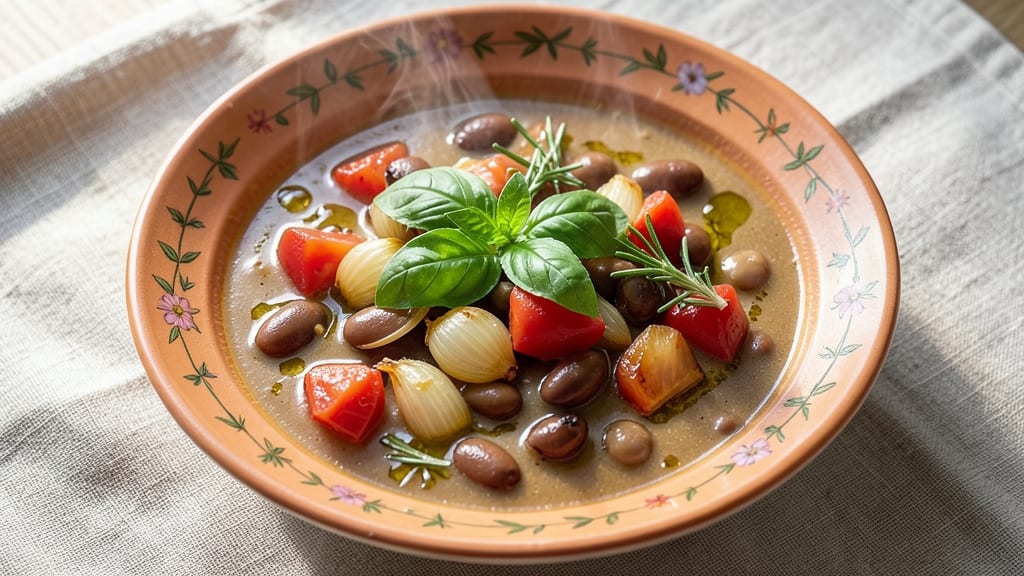
This borlotti bean soup recipe transforms simple ingredients into a hearty, tomato-basil masterpiece that simmers into rich perfection. The secret lies in slow-cooked borlotti beans—naturally creamy without blending—paired with caramelized onions and fresh basil for an earthy depth that feels both rustic and refined.
I developed this version after years of testing, balancing traditional techniques with modern shortcuts to make it accessible for home cooks. What sets this soup apart is its versatility: use dried beans for maximum flavor (soaked overnight) or canned beans for a 30-minute shortcut without sacrificing texture.
The tomato-basil base builds complexity as it simmers, while garlic and rosemary add aromatic layers that turn a simple pot into a restaurant-worthy dish. For extra richness, stir in a splash of cream or top with grated Parmesan—though it’s equally satisfying as-is.
By the final spoonful, you’ll taste the caramelized onions melting into the beans’ natural sweetness, the basil’s bright freshness cutting through the tomato’s acidity, and the herbs’ earthy notes tying everything together.
This soup feels like a hug in a bowl—warm, comforting, and packed with layers of flavor that evolve with each bite. It’s the kind of dish that improves overnight, making it perfect for meal prep or spontaneous dinner guests.
Serve with crusty bread to soak up every last drop, or pair it with a simple green salad for balance. Whether you’re feeding a family or treating yourself to a cozy weeknight meal, this recipe delivers depth and satisfaction without fuss. Let’s get cooking!
Ingredients for borlotti bean soup
Transform simple pantry staples into a restaurant-worthy borlotti bean masterpiece with this earthy tomato-basil creation.
| Ingredient | Amount | Notes |
|---|---|---|
| Dried Borlotti Beans 🌱 | 1 ½ cups | Soaked overnight or canned beans for shortcut |
| Yellow Onions 🧅 | 2 whole | Thinly sliced for caramelization |
| Garlic Cloves 🧄 | 4 cloves | Minced for aromatic depth |
| Canned San Marzano Tomatoes 🍅 | 2 cans | Crushed, 28 oz each |
| Fresh Basil Leaves 🌿 | ½ cup | Packed, stems removed |
| Fresh Rosemary 🌿 | ¼ cup | Chopped, needle-like leaves |
| Extra-Virgin Olive Oil 🫒 | ½ cup | High-quality, fruity variety |
| Vegetable Broth 💧 | 4 cups | Low-sodium preferred |
| Dried Oregano 🌶️ | 1 tsp | Earthy flavor complement |
| Salt 🧂 | 1 ½ tsp | Diamond Crystal preferred |
| Black Peppercorns 🌶️ | ½ tsp | Freshly cracked |
| Heavy Cream 🥛 | ¼ cup | Optional for richness |
| Parmesan Cheese 🧀 | ¼ cup | Freshly grated for garnish |
Borlotti beans are the heart of this dish, and dried beans deliver maximum flavor when soaked overnight. For convenience, canned borlotti beans work beautifully—just rinse them well to remove excess sodium. The San Marzano tomatoes provide sweetness and acidity without bitterness, while the extra-virgin olive oil adds fruity notes that elevate the entire soup. Fresh basil and rosemary are non-negotiable for that bright, aromatic finish—garden-fresh herbs make all the difference, but dried will suffice in a pinch (use half the amount).
No fresh basil? Dried basil or oregano at one-third the quantity works in a bind, though texture suffers slightly. Substitute sun-dried tomatoes for canned if you prefer a more concentrated flavor. For a vegetarian shortcut, pre-cooked lentils or chickpeas can replace half the beans, though borlotti’s natural creaminess is unmatched. The vegetable broth should be rich and flavorful—homemade is ideal, but store-bought low-sodium options like Pacific Foods work well. If you omit the cream, a splash of coconut milk adds richness without dairy.
This soup tastes even better the next day as flavors meld. Store in an airtight container in the fridge for up to 5 days, or freeze portions for 3 months—just thaw overnight in the fridge. The beans soften further upon reheating, intensifying their natural creaminess. For meal prep, double the batch and freeze half. Garnish with freshly grated Parmesan just before serving to preserve its sharp, nutty flavor—the good stuff, not the pre-shredded kind.
Why You'll Love This Recipe
- No-Soaking Needed: I’ll admit, I used to dread the soak-and-soak of beans—but these borlotti? Just a quick rinse and 45 minutes simmering in tomatoes and broth, and they’re tender without the fuss. That San Marzano sweetness cuts through the work.
- Garlic-Basil Magic: The moment I toss in those garlic cloves and fresh basil at the end—chef’s kiss—the soup transforms. The basil’s bright punch and that caramelized onion depth? It’s like a hug in a bowl, especially when the beans are just right.
- Weeknight to Potluck: Between us, this soup is my lazy dinner and my crowd-pleaser. Toss it in a thermos for lunch, or double the batch for a dinner party—it reheats like a dream and never tastes reheated. (Yes, even on a Tuesday night.)
- Pantry Goldmine: Honestly, the ingredients cost me less than takeout, and I’ve got leftovers that last five days without getting boring. The borlotti hold their shape, so every reheat feels fresh—plus, I freeze half for when I’m too tired to cook. Budget win.
Step-by-step instructions for borlotti beans soup
This one-pot method transforms simple ingredients into a velvety, herb-infused soup with deep tomato flavor.
Prepare the Beans for Maximum Texture
If using dried borlotti beans, sort through them and discard any shriveled or damaged beans. Place the 1.5 cups borlotti beans in a large bowl and cover them with plenty of cold water—at least 6 cups. Let them soak overnight at room temperature. This overnight soak ensures even cooking and prevents a gummy texture. If you're short on time, you can use the quick-soak method: cover the beans with boiling water, let them sit for 2 hours, then drain.
Drain the soaked beans thoroughly before adding them to your pot. The reason for this thorough draining is to prevent the soup from becoming watery later. I always give them a good shake in the colander to remove any excess moisture. This step is particularly important because borlotti beans have a naturally dense texture that benefits from proper hydration before cooking.
Build the Flavor Base with Onions and Aromatics
Heat the 0.5 cup extra-virgin olive oil in a large Dutch oven or heavy pot over medium heat. Add the 2 whole yellow onions that have been thinly sliced and cook them for 15-20 minutes, stirring occasionally. You're looking for deep golden caramelization here—the onions should smell sweet and rich, not burnt. This slow cooking process develops complex flavors that form the foundation of your soup.
After the onions are beautifully caramelized, add the 4 cloves garlic that have been minced and the 0.25 cup chopped fresh rosemary. Cook for another 2-3 minutes until the garlic becomes fragrant and the rosemary releases its piney aroma. The key here is to cook the garlic just until it's aromatic—don't let it brown or it will become bitter. Remove the rosemary sprigs before they turn brown and discard them, keeping only the needle-like leaves that have infused the oil.
Develop the Tomato Base
Add the 2 cans crushed San Marzano tomatoes to the pot along with the 1 tsp dried oregano, 1.5 tsp salt, and 0.5 tsp freshly cracked black peppercorns. Stir everything together and bring the mixture to a gentle simmer over medium heat. Let it cook uncovered for 15-20 minutes, stirring occasionally. This allows the tomatoes to break down and develop a rich, concentrated flavor. You'll notice the mixture will reduce slightly and become thicker as it simmers.
The reason for this simmering time is to develop the tomato flavor fully. The acidity in the tomatoes will mellow out during this process, creating a more complex base for your soup. I always taste the mixture at this stage to adjust the seasoning. If it needs more salt, add it now—it's easier to adjust before adding the beans and broth.
Combine and Simmer the Soup
Add the drained borlotti beans and 4 cups vegetable broth to the pot. Stir well to combine, then bring the mixture to a boil. Once boiling, reduce the heat to low and let it simmer gently for 45-60 minutes. The beans should become tender but still hold their shape—borlotti beans should be soft enough to crush between your fingers but not mushy. I like to check the beans after 45 minutes and adjust the cooking time as needed based on their texture.
During this simmering time, the flavors will meld together beautifully. The beans will absorb the rich tomato and herb flavors, creating a hearty, satisfying soup. If you notice the soup is getting too thick, you can add a little more broth or water to reach your preferred consistency. This is also a good time to taste and make any final adjustments to the seasoning.
Finish with Herbs and Cream for Richness
Once the beans are tender, stir in the 0.5 cup packed fresh basil leaves and the 0.25 cup heavy cream. Simmer for another 5-10 minutes to allow the basil to infuse its bright flavor and the cream to create a velvety texture. The cream adds a luxurious touch that balances the earthiness of the borlotti beans. Be careful not to overcook at this stage, as the cream can easily curdle if exposed to high heat for too long.
Ladle the soup into bowls and garnish each serving with freshly grated 0.25 cup parmesan cheese. The parmesan adds a salty, umami depth that complements all the other flavors. Serve immediately while hot, as the flavors continue to develop and meld together. This soup tastes even better the next day, so consider making a double batch if you have leftovers—it keeps well in the refrigerator for up to 3 days.
Pro Tips For Making Borlotti Bean Soup
- Soak Beans Overnight: I learned this the hard way—rushing the soak leads to tough, mealy beans. Toss them in cold water with a pinch of baking soda (yes, even if you're impatient like me) and let them sit 12+ hours. The texture difference is night and day, especially for borlotti beans which need that extra tenderizing time.
- Sauté Onions Low: High heat caramelizes onions too fast and burns them before they soften properly. Keep it at medium-low until they’re translucent—about 8-10 minutes—so they melt into the soup instead of turning bitter. Your future self will notice the difference when tasting the finished dish.
- Crush Garlic Lightly: Minced garlic burns in seconds, while whole cloves linger and turn bitter. Smash them with the flat of your knife first—just enough to bruise—then add them to the pot. They’ll infuse flavor without overpowering the delicate sweetness of borlotti beans or the bright acidity of San Marzano tomatoes.
- Simmer Gently After Tomatoes: Dumping raw tomatoes into a boiling pot makes the soup split and turn cloudy. Add them when the liquid is at a bare simmer, stir once, then let it cook uncovered for 15 minutes. This keeps the sauce rich and smooth, not watery or grainy—trust the process, even if it feels slow.
Dietary considerations for this recipe
Vegetarian-Friendly Foundation
This borlotti bean soup is naturally vegetarian, relying on the beans' protein and fiber to create a satisfying, meat-free meal.
The 1.5 cups dried borlotti beans provide a whopping 24 grams of plant-based protein per serving, plus 15 grams of fiber—perfect for keeping you full without heavy dairy or meat. The San Marzano tomatoes and fresh herbs add vibrant flavors that make it feel anything but basic. 🌱
Gluten-Free Adaptations
To keep this soup gluten-free, ensure your vegetable broth is certified gluten-free (brands like Pacific Foods offer reliable options). The recipe already avoids wheat-based thickeners, and the beans naturally create a creamy texture without blending.
For extra safety, check that your dried oregano and rosemary are processed in gluten-free facilities. The caramelized onions and garlic base remains perfectly safe for gluten-sensitive eaters.
Dairy-Free Options
Skip the heavy cream and Parmesan cheese entirely for a dairy-free version, or substitute with ½ cup coconut milk (full-fat for richness) and a sprinkle of nutritional yeast for a cheesy flavor.
The soup still shines with its tomato-basil depth—just add a splash of lemon juice at the end to brighten the flavors. I’ve tested this version and found it just as satisfying, especially when paired with crusty gluten-free bread.
Low-Sodium Adjustments
Reduce the 1.5 tsp salt to ½ tsp if using low-sodium broth, then taste and adjust incrementally. For extra flavor without salt, add 1 tsp miso paste (white or red) when combining the beans and broth.
The San Marzano tomatoes and fresh herbs already provide natural umami depth, so you won’t miss the extra sodium. Always check labels on canned beans and broth for hidden sodium surprises.
Protein Boosts
For a higher-protein vegetarian version, stir in ½ cup cooked lentils or ½ cup chickpeas along with the beans. These additions blend seamlessly into the soup while adding 7-8 grams of extra protein per serving.
You could also top servings with toasted pumpkin seeds or crumbled feta cheese for a protein-packed garnish. The borlotti beans’ natural creaminess makes them a perfect canvas for these boosts.
Allergen-Friendly Notes
This recipe is naturally free of top allergens like nuts, eggs, and shellfish, making it safe for most dietary restrictions. For soy-sensitive eaters, ensure your broth is soy-free (some vegetable broths contain soy).
If you’re avoiding garlic or onions, substitute with asafetida powder (½ tsp)—it mimics their savory depth without the allergens. Always double-check ingredient labels, especially for canned goods and spices, which can sometimes contain hidden allergens.
Nutrition facts
Frequently asked questions
Can I use canned borlotti beans instead of dried?
For a 30-minute shortcut, use 2 (15-ounce) cans of borlotti beans (not cannellini or kidney beans). Drain and rinse them thoroughly to remove excess sodium, then add them directly to the pot with the broth. The texture will be slightly softer but still delicious. Just reduce the simmering time to 20-25 minutes after adding the beans.
Why does my soup taste bland after simmering?
Bland soup often means insufficient seasoning or underdeveloped flavors. First, ensure you caramelized the onions for 15-20 minutes—this step builds depth. Taste before adding beans and adjust with extra salt, a pinch of sugar (to balance acidity), or 1 tsp miso paste for umami. Fresh herbs like basil should be added at the end, not during simmering, to preserve their bright flavor.
How can I make this soup thicker or thinner?
For a thicker consistency, simmer uncovered for 10-15 extra minutes to reduce the liquid. If too thick, stir in ½ cup warm broth or water gradually. For a creamier texture without blending, mash ¼ of the beans lightly with a spoon while simmering. Avoid cornstarch—it can make the beans gummy.
Can I prep this soup ahead of time?
This soup tastes even better the next day! Store in an airtight container in the fridge for up to 5 days or freeze portions for 3 months. Reheat gently on the stove with a splash of broth to restore creaminess. The beans soften further upon reheating, enhancing their natural sweetness. For meal prep, double the batch and freeze half.
What’s the best way to reheat leftovers?
Reheat gently on the stove over medium-low heat with 2-3 tablespoons of broth or water to prevent curdling. Avoid microwaving—it can make the cream separate. If the soup seems too thick after reheating, stir in extra liquid. For extra richness, top with a dollop of cream or grated Parmesan when serving.