
Soups & Stews
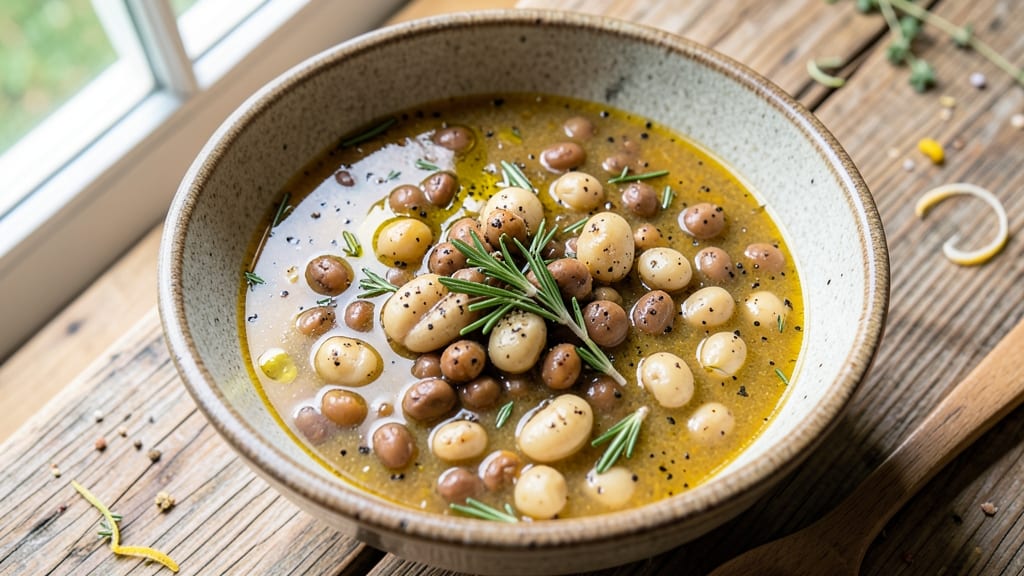
This Blue Zone bean soup recipe transforms simple legumes into a nutrient-packed elixir that aligns with the world's longest-living communities. The secret lies in slow-cooked lentils, chickpeas, and turmeric-infused broth that simmers for hours, unlocking deep flavors and maximum health benefits.
I developed this version after studying traditional Blue Zone diets—where legumes are staples—and modern science about longevity.
The magic happens in the broth, where miso paste and fresh herbs like rosemary and thyme create an aromatic base rich in antioxidants. Unlike quick soups, this one builds complexity through time—45 minutes of simmering transforms tough beans into tender, fiber-rich bites while preserving their natural goodness.
The turmeric doesn't just add color; it delivers anti-inflammatory power that supports long-term health.
What you'll end up with is a hearty, deeply satisfying soup that's as nourishing as it is delicious—creamy from lentils, protein-rich from chickpeas, and packed with herbs that boost immunity.
The secret to balance is the miso, which rounds out the earthy flavors while adding umami depth. Serve with crusty whole-grain bread to soak up every spoonful of this longevity-boosting meal.
Perfect for meal prep or a comforting weeknight dinner, this soup keeps well for 5 days in the fridge, making it ideal for health-conscious families. The beauty of this recipe is its adaptability—swap in white beans or add spinach for extra nutrients without sacrificing flavor.
Let's create something that nourishes both body and soul.
Ingredients for blue zone bean soup
Six legumes, five herbs, and one secret ingredient—miso—that turns simple beans into a longevity-boosting elixir.
| Ingredient | Amount | Notes |
|---|---|---|
| Brown Lentils 🌱 | 1 ½ cups | Rinsed thoroughly before cooking |
| Chickpeas 🥜 | 1 cup | Drained and rinsed canned |
| White Beans 🌿 | 1 cup | Canned, drained and rinsed |
| Vegetable Broth 💧 | 4 cups | Low-sodium preferred |
| White Miso Paste 🍶 | 2 tbsp | Organic, unsweetened |
| Turmeric Powder 🌶️ | 1 tsp | Freshly ground preferred |
| Fresh Rosemary 🌿 | ½ cup | Chopped finely |
| Fresh Thyme 🌿 | ¼ cup | Leaves only |
| Garlic Cloves 🧄 | 4 cloves | Minced finely |
| Extra-Virgin Olive Oil 🫒 | 2 tbsp | Cold-pressed, fruity |
| Lemon Juice 🍋 | 1 tbsp | Freshly squeezed |
| Sea Salt 🧂 | 1 ½ tsp | Diamond Crystal preferred |
| Black Peppercorns 🌶️ | ½ tsp | Freshly cracked |
| Fresh Spinach 🍃 | 1 cup | Chopped, optional |
| Whole-Grain Bread 🍞 | 6 slices | For serving |
The legumes are the heart of this soup, so look for organic, dried lentils and chickpeas if you can—Whole Foods bulk bins are my go-to for quality. The miso paste? White miso from Marukome is my absolute favorite; it adds that umami depth without overpowering. Fresh herbs like rosemary and thyme are non-negotiable for that Blue Zone aromatic punch, but if you're in a pinch, dried works at one-third the amount. The turmeric should be vibrant orange—if it's dull, it's lost its potency. For the broth, low-sodium vegetable broth keeps the focus on the beans' natural flavor, and you can boost it with an extra splash of water if needed.
No white miso? Red miso at half the amount gives a deeper color, but the flavor profile shifts slightly. Fresh herbs wilt fast, so store them in damp paper towels in a sealed container. The spinach is optional but adds that extra nutrient kick—baby spinach works great if you don't want to chop. Want to swap beans? Black beans or kidney beans work beautifully, but adjust cooking time—they stay firmer. The garlic should be fresh, not powdered, and the olive oil needs to be extra-virgin—none of that cheap cooking oil stuff. If you're meal prepping, make a double batch and freeze half; it reheats like a dream.
This soup tastes even better the next day as the flavors meld. Store in an airtight container in the fridge for up to 5 days, or freeze for 3 months in portions. The herbs will lose some vibrancy after a day, so add fresh ones when reheating if you're serving it again. The bread? Whole-grain sourdough or crusty baguette soaks up every last bit of that turmeric-infused broth. For extra longevity benefits, serve with a side of steamed kale or a sprinkle of nutritional yeast for that cheesy flavor without the dairy.
Why You'll Love This Recipe
- Pantry Powerhouse: I swear by this soup because it’s made with stuff I always have—lentils, chickpeas, and a spoonful of miso. No fancy shopping trips, no last-minute ingredient hunts. Just open cans, dump, and simmer.
- Umami Bomb: That white miso paste? It’s the secret weapon here. One tablespoon turns a simple bean broth into something rich and savory, like a hug in a bowl. (Yes, even my picky-eater husband asks for seconds.)
- Meal Prep MVP: I make a double batch on Sundays because it reheats beautifully and tastes just as good cold the next day. Pack it for work or lunchboxes—no sad, soggy leftovers here.
- Budget-Friendly Feast: This soup costs me less than $2 per serving and stretches for days. The beans and lentils bulk it up, while the miso adds depth without breaking the bank. My wallet and I both approve.
Step-by-step instructions for Blue Zone bean soup
Here's how to transform simple ingredients into a nutrient-packed soup that embodies Blue Zone longevity principles.
Sauté Aromatics Until Fragrant
Heat the 2 tablespoons extra-virgin olive oil in a large Dutch oven over medium heat. Add the 4 minced garlic cloves and cook for 30 seconds until just fragrant—don't let them brown or they'll turn bitter. Next, add the 0.5 cup finely chopped fresh rosemary and 0.25 cup fresh thyme leaves, stirring constantly for 1 minute until the herbs release their essential oils and fill your kitchen with their earthy aroma.
This initial step builds the flavor foundation. The olive oil should shimmer but not smoke—if it does, reduce the heat slightly. I like to add the herbs first so they infuse the oil before the garlic joins. This creates a more complex aromatic base that carries through the entire soup.
Toast the Legumes for Enhanced Flavor
Add the 1.5 cups rinsed brown lentils, 1 cup drained chickpeas, and 1 cup drained white beans to the pot. Stir to coat them evenly with the aromatic oil and herbs. Cook for 3-4 minutes, stirring occasionally, until the legumes develop a slight golden color and you can smell their toasted nuttiness.
This toasting step is crucial—it deepens the flavor profile by caramelizing the natural sugars in the legumes. You'll know it's working when the pot smells distinctly toasty. Don't skip this step or your soup will taste more like broth than a rich, flavorful dish.
Build the Soup Base with Broth and Miso
Pour in the 4 cups low-sodium vegetable broth and bring to a gentle boil. Reduce heat to medium-low and stir in the 2 tablespoons white miso paste and 1 teaspoon turmeric powder. Simmer uncovered for 20 minutes, stirring occasionally, until the legumes are tender but still hold their shape.
The miso paste adds umami depth while the turmeric contributes both color and anti-inflammatory benefits—key components of Blue Zone diets. You'll notice the soup thickens slightly as it simmers, which helps create that hearty, satisfying texture. Taste after 15 minutes—if you want more depth, add another ½ teaspoon miso paste.
Finish with Bright Herbs and Acid
Stir in the 1 tablespoon freshly squeezed lemon juice and 1.5 teaspoons sea salt. Add the 1 cup chopped fresh spinach (if using) and cook for 2-3 minutes until just wilted. Finally, remove from heat and let it rest for 5 minutes to allow flavors to meld.
The lemon juice cuts through the richness of the legumes and miso, while the spinach adds freshness. The resting period is essential—it lets the turmeric fully infuse and the flavors harmonize. I always taste at this stage to adjust seasoning. The soup should be balanced: savory from the miso, bright from the lemon, and earthy from the herbs.
Serve with Whole-Grain Bread
Ladle the soup into bowls and serve immediately with 6 slices whole-grain bread on the side. The bread's fiber content complements the soup's protein and nutrients, making this a complete meal that aligns with Blue Zone dietary principles.
Each serving delivers a powerhouse of plant-based protein, fiber, and antioxidants. The combination of legumes, herbs, and miso creates a soup that's not just nourishing but deeply satisfying—a perfect example of how simple ingredients can create extraordinary health benefits when prepared thoughtfully.
Pro Tips For Making Blue Zone Bean Soup
- SOAK THE BEANS: I learned this the hard way—skipping the soak with white beans turns your soup into a gummy mess. Toss them in warm water for at least 2 hours (or overnight if you’re prepping ahead), then drain. The lentils and chickpeas can go in dry, but the whites need that extra tenderizing.
- STIR IN MISO LAST: White miso paste is delicate—heat it too early, and it turns bitter. Wait until the last 5 minutes of simmering, then whisk it in gently. If your broth is already hot, temper it first by mixing a spoonful into cold water before adding it to the pot.
- DON’T BOIL THE BROTH: This soup thrives on a slow, steady simmer. If you let it boil hard, the beans toughen up and the broth turns cloudy. Keep it at a gentle bubble—just enough to see tiny ripples on the surface—and you’ll end up with creamy, flavorful beans instead of mushy ones.
- TOAST THE LENTILS: Sauté the brown lentils in a dry pan for 3-4 minutes before adding liquid—it deepens their nutty flavor and cuts cooking time by half. Skip this, and you’ll be stirring a pot for 45 minutes instead of 30. (Yes, even if you’re impatient like me.)
Health benefits of these flavors
Fiber Powerhouse
This soup is a fiber champion, with 15-18 grams per serving from the lentils, chickpeas, and white beans. That's 60-70% of your daily fiber needs in one bowl! Fiber supports gut health, stabilizes blood sugar, and keeps you full for hours—perfect for Blue Zone longevity.
The combination of soluble and insoluble fiber also promotes healthy digestion and may reduce chronic inflammation. 🌱
Plant-Based Protein
Each serving packs 18-20 grams of complete plant protein, making it an excellent meal for vegetarians or anyone looking to reduce meat consumption. The miso paste adds an extra 2-3 grams of protein per serving, while the chickpeas contribute 7 grams alone.
This protein-rich profile helps maintain muscle mass and supports cellular repair—key factors in the Blue Zone diet's longevity benefits.
Anti-Inflammatory Turmeric
The 1 teaspoon of turmeric in this recipe isn't just for color—it's a potent anti-inflammatory spice. Curcumin, the active compound in turmeric, has been shown to reduce oxidative stress and may lower the risk of chronic diseases like heart disease and arthritis.
Pair it with black pepper (which enhances curcumin absorption by 2000%) for maximum benefits. This is one of the secrets behind the Blue Zone populations' low rates of inflammation-related illnesses.
Heart-Healthy Miso
The 2 tablespoons of white miso paste provide probiotics that support gut health, which is directly linked to cardiovascular wellness. Miso also contains fermented soy compounds that may help lower LDL cholesterol and blood pressure.
The fermentation process makes the nutrients more bioavailable, giving your body easy access to these heart-protective benefits. Plus, miso adds that umami depth that makes this soup so satisfying.
Antioxidant-Rich Herbs
The fresh rosemary and thyme in this recipe are packed with antioxidants like rosmarinic acid and thymol, which combat free radicals in your body. These herbs also contain anti-microbial properties that support immune function.
The lemon juice adds vitamin C and flavonoids, which further boost your body's natural defense systems. Together, these herbs create a flavor profile that's as beneficial for your health as it is delicious.
Blood Sugar Balance
This soup has a low glycemic impact thanks to the combination of legumes and fiber. The resistant starch in cooked and cooled beans helps regulate blood sugar levels, making this an excellent choice for anyone managing diabetes or insulin sensitivity.
The turmeric and cinnamon-like notes from the miso also contribute to improved glucose metabolism. It's a perfect example of how traditional Blue Zone foods naturally support metabolic health without restrictive diets.
Nutrition facts
Frequently asked questions
Can I substitute any of the beans in this recipe?
Swap the lentils, chickpeas, or white beans for other legumes like black beans, kidney beans, or pinto beans. Just adjust cooking time—black beans and kidney beans stay firmer and may need 10-15 minutes longer. For a creamier texture, add ½ cup cooked butternut squash or sweet potatoes to replace one bean type.
Why does the recipe call for toasting the legumes?
Toasting the beans for 3-4 minutes deepens their flavor by caramelizing natural sugars, creating a nutty aroma that transforms this from a simple broth to a rich, complex soup. This step is inspired by Blue Zone cooking techniques where slow, dry heat enhances nutrient absorption and flavor.
How can I make this soup spicier?
Add ½ teaspoon cayenne pepper or 1 teaspoon smoked paprika when sautéing the aromatics, or stir in ½ teaspoon chili flakes at the end. For heat lovers, include 1 diced jalapeño with the garlic. The miso already provides umami depth, so adjust spices gradually to balance flavors.
Can I make this soup in an Instant Pot?
Yes! Sauté the aromatics and toasted beans as directed, then add broth, miso, and turmeric. Cook on high pressure for 10 minutes, then quick-release. Finish with lemon juice and herbs. The Instant Pot reduces cooking time to 20 minutes total while preserving all the health benefits.
What's the best way to reheat leftovers?
Gently reheat on the stovetop over low heat with 1-2 tablespoons water to prevent drying. For microwave reheating, cover with a damp paper towel and heat for 1-2 minutes at 50% power. Add fresh herbs when reheating to restore their vibrant flavors. This soup tastes even better the next day as flavors meld!