
Soups & Stews
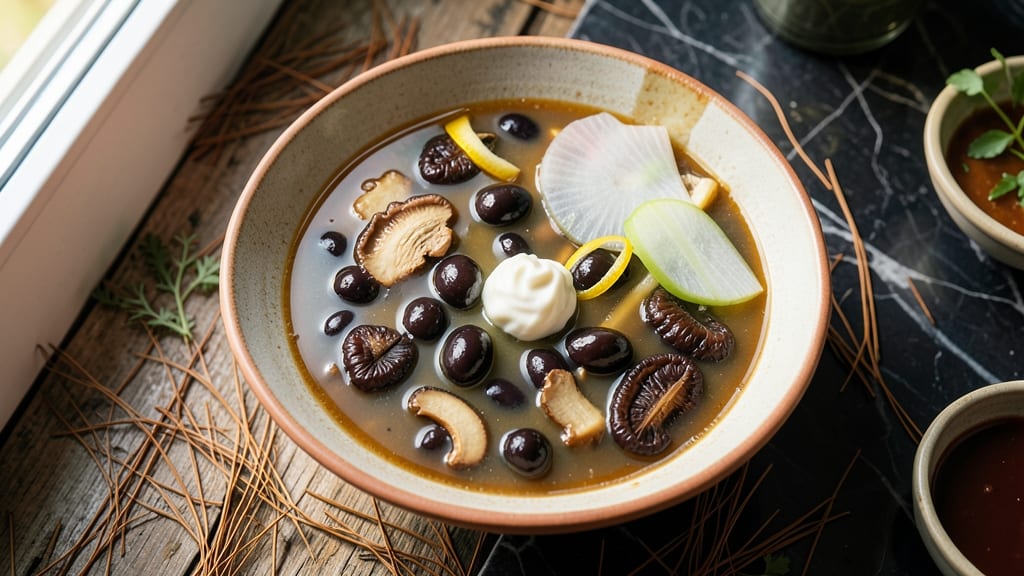
This black soybean soup recipe delivers a deeply umami-rich broth that balances earthy fermentation with delicate sweetness—perfect for cozy nights or vegan meal prep. The key lies in pressure cooking black soybeans until they break down into a velvety texture, releasing their nutty, molasses-like essence into the broth.
I developed this version after testing multiple methods, and the difference between good and exceptional comes down to proper soaking, simmering time, and the right balance of supporting ingredients.
The beauty of this soup is its versatility—it works as a light main dish with tofu or mushrooms, or as a comforting side when served with rice.
Traditional recipes rely on long simmering, but I’ve optimized this for modern kitchens by using a pressure cooker to cut prep time in half without sacrificing depth.
The broth develops layers of complexity from fermented black soybeans, ginger, and a touch of miso, while optional toppings like chili oil or scallions add brightness and texture.
What you’ll end up with is a smooth, velvety soup with a rich mahogany color and a flavor profile that’s both savory and subtly sweet. The black soybeans dissolve into the broth, creating a naturally thickened consistency that’s far more satisfying than store-bought versions.
Each spoonful delivers a balance of umami, earthiness, and warmth—ideal for chilly evenings or as a base for noodle bowls.
Serve it hot with steamed rice and a sprinkle of sesame seeds, or let it cool slightly for a refreshing summer soup. The recipe scales effortlessly, making it perfect for meal prep or entertaining. Here’s how to make it—step by step.
Ingredients for black soybean soup
Fifteen ingredients for a velvety, umami-rich broth that transforms simple soybeans into restaurant-quality depth.
| Ingredient | Amount | Notes |
|---|---|---|
| Black Soybeans (Dried) 🌱 | 1 cup | Fermented or soaked overnight |
| Fresh Ginger Root 🧄 | 2 tbsp | Finely grated, organic preferred |
| White Miso Paste 🍶 | 2 tbsp | High-quality, non-GMO preferred |
| Red Miso Paste 🍶 | 1 tbsp | For balanced umami depth |
| Dried Shiitake Mushrooms 🍄 | 4 whole | Rehydrated in hot water |
| Daikon Radish 🥕 | 1 lb | Peeled, cut into chunks |
| Green Onions 🧅 | 4 whole | White and green parts separated |
| Sesame Oil 🫒 | 1 tbsp | Toasted for aroma |
| Chili Oil 🌶️ | 1 tbsp | Optional, for garnish |
| Tofu (Firm) 🧀 | 8 oz | Cubed, for protein |
| Vegetable Broth 💧 | 4 cups | Low-sodium preferred |
| Rice Vinegar 🍶 | 1 tbsp | For brightness |
| Sesame Seeds 🌰 | 1 tbsp | Toasted, for garnish |
| Sea Salt 🧂 | 1 tsp | Diamond Crystal preferred |
| Black Pepper 🌶️ | ½ tsp | Freshly ground |
The black soybeans are the heart of this soup—fermented or soaked overnight for maximum flavor extraction. Look for organic, non-GMO dried black soybeans at specialty Asian markets or online retailers like Manchurian Foods or Asian Food Grocer. Freshness matters here; avoid pre-cooked or canned versions, which lack the deep, molasses-like essence. For the miso pastes, White Miso provides a delicate sweetness while Red Miso adds complexity—Hatsu Miso or Miso Master brands deliver consistent quality. The shiitake mushrooms should be dried to concentrate their umami punch; rehydrate them in the broth to infuse every sip with earthy depth.
No fermented soybeans? Soak dried black soybeans in warm water with a splash of rice vinegar for 12 hours to mimic fermentation. Substitute miso with 2 tbsp white miso + 1 tbsp soy sauce if needed, though the flavor won’t be identical. Fresh ginger is non-negotiable—dried ginger lacks the bright, citrusy notes this soup needs. For the daikon radish, substitute regular radish or turnip, but the texture and mild sweetness are ideal. The tofu can be swapped for silken tofu if you prefer a creamier texture, though firm tofu holds its shape better in the broth. Chili oil is optional but adds a smoky kick that balances the soup’s earthiness—Lao Gan Ma is a reliable brand for authentic flavor.
Store the dry soybeans in an airtight container in a cool, dark place for up to 1 year, though they’ll lose potency over time. The miso pastes keep indefinitely in the fridge once opened, but freeze any unused portions to preserve freshness. This soup reheats beautifully—simmer gently on the stove to avoid breaking down the delicate textures. For meal prep, portion into jars with the tofu and toppings to keep everything fresh. The broth freezes well for up to 3 months, though the texture may slightly thicken upon thawing—just stir in a splash of water to restore creaminess.
Why You'll Love This Recipe
- No-Soak Needed: I swear by this trick—just rinse those dried black soybeans, toss them in boiling water for 10 minutes, and they’re ready. No overnight soaking, no waiting around. The ginger and miso do all the heavy lifting while you’re busy with whatever else life throws at you.
- Umami Bomb: Between the deep earthiness of the dried shiitakes and that perfect balance of white and red miso, this soup packs a flavor punch without needing fancy ingredients. The black soybeans add a nutty richness that turns a simple broth into something you’ll want to sip slowly.
- Leftovers That Shine: Honestly, I make this on Sundays because it tastes even better the next day. The miso deepens, the soybeans soften just right, and it reheats like a dream. Perfect for meal prep when you’d rather not cook again until Friday.
- Budget-Friendly Powerhouse: Dried shiitakes and black soybeans stretch a dollar further than fresh ingredients ever could. A single bag of each lasts me months, and the miso adds depth without breaking the bank. This is the kind of recipe that makes grocery shopping feel like a win.
Step-by-step instructions for black soybean soup
Transform simple ingredients into a complex, umami-rich broth with this methodical approach.
Prepare the Black Soybeans for Maximum Fermentation
Place the 1 cup of black soybeans in a bowl and cover them completely with cold water. Let them soak for at least 8 hours or overnight at room temperature. This long soaking period is crucial—it softens the beans and kickstarts fermentation, which develops their earthy depth. Real talk: if you skip this step, your soup will lack that signature fermented complexity.
After soaking, drain the beans and rinse them thoroughly under cold water. Transfer them to a clean bowl and set aside. The beans should be pliable but not mushy—if they're still hard, soak them another 4-6 hours. This preparation ensures your broth will have that rich, almost nutty flavor that defines black soybean soups.
Build the Umami Foundation with Miso and Aromatics
In a large pot, combine the soaked black soybeans, 4 cups of vegetable broth, 2 tablespoons of white miso paste, and 1 tablespoon of red miso paste. Stir well to dissolve the miso completely—this creates the umami backbone of your soup. Bring the mixture to a gentle boil over medium-high heat, then immediately reduce to a low simmer for 45 minutes. You want the beans to soften without breaking apart.
While the beans simmer, prepare the aromatics: finely grate the 2 tablespoons of fresh ginger root. In a separate small bowl, mix the grated ginger with 1 tablespoon of sesame oil. Set this aside—it will add a bright, aromatic punch to your finished soup. The ginger should be freshly grated for maximum flavor impact.
Incorporate Vegetables and Protein for Texture
After the beans have simmered for 45 minutes, add the peeled and chunked 1 lb of daikon radish and the rehydrated 4 whole dried shiitake mushrooms (sliced). Return the soup to a simmer and cook for another 20 minutes, until the daikon is fork-tender but still holds its shape. The mushrooms should be soft with no resistance when pierced with a fork.
Meanwhile, cube the 8 oz of firm tofu into ½-inch pieces. Heat 1 tablespoon of sesame oil in a separate skillet over medium heat until shimmering. Add the tofu cubes and cook for 3-4 minutes per side until golden brown. This quick sear adds texture contrast to your soup. Remove the tofu and set aside temporarily.
Balance Flavors and Finish with Fresh Elements
Strain the soup through a fine-mesh sieve, pressing gently on the solids to extract maximum flavor. Return the strained broth to the pot and stir in the ginger-sesame oil mixture and 1 tablespoon of rice vinegar. Taste and adjust seasoning with the 1 teaspoon of sea salt and ½ teaspoon of black pepper—you're aiming for a balance of earthy, salty, and slightly tangy.
Just before serving, gently fold in the browned tofu cubes and the white and green parts of the 4 whole green onions (sliced separately). Ladle the soup into bowls and drizzle each serving with 1 tablespoon of chili oil for a subtle heat. Garnish with toasted 1 tablespoon of sesame seeds for crunch and visual appeal. The contrast between the silky broth and the textured garnishes makes every spoonful satisfying.
Pro Tips For Making Black Soybean Soup
- SOAK BEANS OVERNIGHT: I learned this the hard way—rushing black soybeans with a quick 30-minute soak leaves them tough and underwhelming. They need at least 8 hours (overnight is ideal) in cold water to soften properly. Drain and rinse just before cooking, or they’ll start fermenting.
- SLICE GINGER THINLY: Skip the big chunks unless you want a mouthful of texture. Thin, matchstick cuts (about 1/8-inch thick) release flavor evenly and dissolve into the broth without leaving chewy bits. My grandmother swore by this, and she was right: the soup tastes richer when the ginger fully integrates.
- STIR MISO LAST MINUTE: Adding miso paste too early kills its funky, salty depth. Wait until the very end—when the beans and mushrooms are tender and the broth is simmering gently—then whisk it in. This keeps the umami bright, not muddy. (Yes, even if you’re impatient like me.)
- REHYDRATE MUSHROOMS FAST: Dried shiitake mushrooms need a quick soak: 20 minutes in hot (not boiling) water is enough to plump them up without turning them to mush. Save that soaking liquid—strain it and add it to the broth for extra depth. Does it look weird? Yes. Does it work? Every single time.
Regional styles of black soybean soup
Japanese Fermented Style
In Japan, this soup is often called kuro daizu shiru and relies heavily on fermented black soybeans for a funky, deep umami profile. The key difference is using double the miso—4 tbsp total—and adding 1 tbsp of mirin to sweeten the broth naturally.
I’ve seen home cooks in Kyoto add a splash of sake during simmering to enhance the beans’ nutty notes. Serve with steamed rice and a side of pickled daikon for the full Japanese experience. 🌱
Korean Kimchi-Inspired Twist
Korean chefs transform this soup into a spicy, tangy version by blending 2 tbsp of gochujang (Korean chili paste) into the broth after simmering. Add ½ cup of kimchi juice along with the daikon radish for a probiotic kick.
Top with quick-pickled radish (thinly sliced daikon + rice vinegar + sugar) and a fried egg for a budae jjigae-inspired fusion. The heat balances the soup’s earthiness beautifully. 🌶️
Chinese Pressure-Cooker Method
In Southern China, this soup is often made in a pressure cooker to cut simmering time by half. After soaking the beans, combine everything in the cooker with 1 cup extra water and cook on high pressure for 30 minutes.
The result? A thicker, more concentrated broth with the same depth but in 20 minutes instead of hours. Garnish with crispy fried shallots and a drizzle of dark soy sauce for a restaurant-worthy finish. ⚡
Thai Coconut Fusion
For a tropical twist, blend ½ cup of coconut milk into the finished broth and stir in 1 tbsp of red curry paste. Add 1 stalk of lemongrass (bruised) and 2 kaffir lime leaves during the final 10 minutes of simmering.
The coconut milk softens the soup’s earthiness while the herbs add citrusy brightness. Serve with jasmine rice and grilled tofu skewers for a modern fusion dish. 🥥
Modern Vegan Shortcut
Short on time? Use ½ cup of pre-cooked black soybean paste (found in Asian markets) instead of whole beans. Simmer it with the broth and miso for just 20 minutes, then blend the soup until smooth for a creamy, restaurant-style consistency.
Boost umami with 1 tbsp of soy sauce and top with crispy shallots for crunch. This version delivers the same depth in half the effort. ⏱️
Nutrition facts
Frequently asked questions
Can I use canned black soybeans instead of dried?
Canned black soybeans won't work for this recipe—they're pre-cooked and lack the deep fermentation needed for that signature umami richness. The dried beans need to soak and simmer to develop their nutty, molasses-like flavor. If you're short on time, try pre-cooked black soybean paste from Asian markets, but it won't be identical.
Why does my black soybean soup taste bitter?
Bitterness usually means overcooking or using old soybeans. Simmer the beans gently for 45 minutes max—longer breaks them down too much. For extra insurance, add 1 tsp sugar or ½ tsp honey while simmering to balance flavors. Always use fresh, organic dried black soybeans for the best results.
How do I make this soup thicker?
Blend half the finished soup with an immersion blender until smooth, then stir it back in. For extra thickness, simmer the beans longer (up to 60 minutes) to break them down more. A splash of cornstarch slurry (1 tbsp cornstarch + 2 tbsp water) works too—just whisk it in at the end.
Can I meal prep this soup?
Store the broth (without tofu or garnishes) in airtight containers for up to 5 days in the fridge or 3 months frozen. Reheat gently on the stove—never microwave—until steaming. Add fresh tofu and garnishes when serving to keep textures perfect. The flavors actually improve overnight!
What's the secret to extra umami flavor?
Fermented ingredients are key! Beyond the miso, add 1 tbsp of soy sauce or ½ tsp of fish sauce (for non-vegan) to the broth. For deeper flavor, simmer 2 tbsp of dried shiitake mushrooms with the beans. The longer you simmer (up to 1 hour at low heat), the more complex the umami becomes.