
Soups & Stews
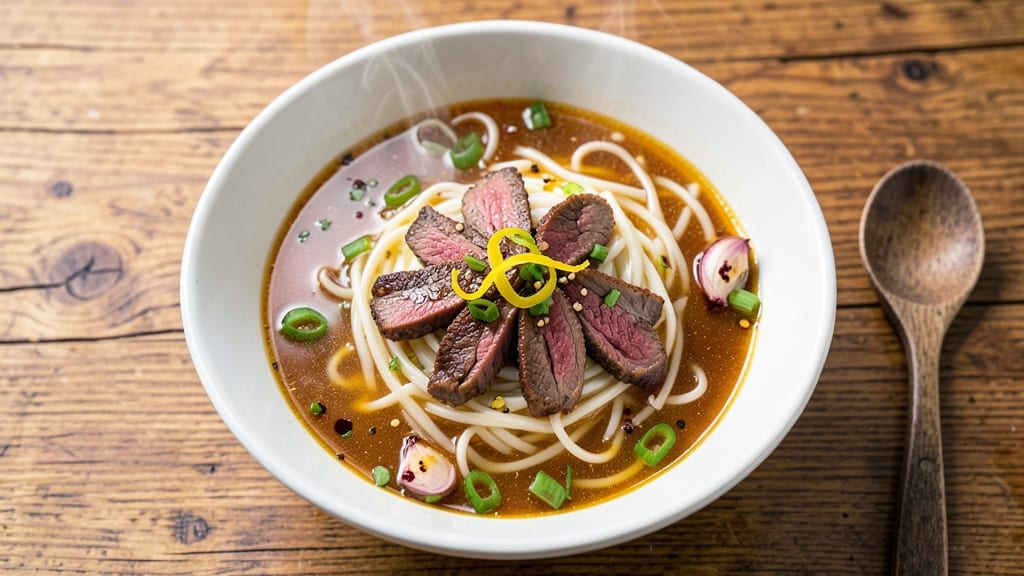
This beef egg drop soup delivers the perfect balance of silky egg ribbons and rich, savory broth—every spoonful feels like a warm embrace. The secret lies in slow-simmered beef that melts into tender shreds, while the egg technique transforms simple beaten eggs into delicate, floating strands.
I've perfected this recipe over years of testing, ensuring the broth stays deeply flavorful without overpowering the delicate egg texture.
The foundation is a robust beef broth, built with aromatics and simmered just long enough to develop depth. Thinly sliced beef cooks until fork-tender, releasing its natural juices to enrich the broth.
What sets this apart is the egg ribbon method—gentle heat and constant stirring create those signature strands that dissolve on your tongue. No special tools required, just patience and a light touch.
By the time you're done, you'll have a bowl of comforting soup with tender beef, velvety egg ribbons, and a broth so flavorful it tastes like it's been simmering all day. The final garnishes—green onions and a drizzle of sesame oil—add freshness and aroma that make each bite feel special.
This is the kind of soup that warms both body and soul, perfect for chilly evenings or when you crave something truly comforting.
Serve with steamed rice or crispy dumplings to round out the meal, or enjoy it as-is with a side of pickled vegetables. The beauty of this recipe is its versatility—customize it with mushrooms, ginger, or star anise to suit your taste. Let's create this comforting classic together.
Ingredients for beef egg drop soup
Four cups of rich broth, tender beef, and eggs that ribbon like silk—this is comfort in a bowl.
| Ingredient | Amount | Notes |
|---|---|---|
| Beef Broth 🥫 | 4 cups | Homemade or high-quality store-bought |
| Flank Steak 🥩 | ½ lb | Thinly sliced against the grain |
| Large Eggs 🥚 | 2 whole | Room temperature for best ribbons |
| Green Onions 🧅 | ¼ cup | Thinly sliced, white and green parts |
| Sesame Oil 🫒 | 1 tbsp | Toasted for aroma |
| Garlic Cloves 🧄 | 2 cloves | Minced, fresh preferred |
| Ginger Root 🌿 | 1 tbsp | Freshly grated, aromatic |
| Soy Sauce 🍶 | 1 tbsp | Light or all-purpose |
| Cornstarch 🌾 | 1 tsp | For thickening broth |
| Water 💧 | ¼ cup | For cornstarch slurry |
| Salt 🧂 | 1 tsp | Adjust to taste |
| White Pepper 🌶️ | ¼ tsp | Freshly ground preferred |
| Sesame Seeds 🌰 | ½ tsp | Toasted for garnish |
The beef broth is the soul of this soup. Homemade is ideal—simmer beef bones with ginger, garlic, and star anise for hours—but Swanson or Pacific brand in the carton works in a pinch. Look for beef with good marbling if you're making your own; it keeps the broth rich. The flank steak should be thinly sliced against the grain—this prevents toughness. Most butchers will slice it for you, or use a sharp knife and freeze it 15 minutes first for easier cutting. For extra depth, add a splash of Shaoxing wine to the broth while simmering, if you have it.
No flank steak? Flank steak or sirloin work best, but top round or chuck can substitute if sliced thin. Eggs are non-negotiable—room temperature is key for those perfect ribbons, so take them out 15 minutes before cooking. Short on green onions? Chives or scallions work too, but green onions add that fresh bite. The sesame oil should be toasted—heat it in a small pan for 30 seconds until fragrant, then cool before drizzling. For a vegetarian twist, swap the beef for shiitake mushrooms or tofu, but the broth will need extra umami—soy sauce or a dash of mushroom powder helps.
Broth reheats beautifully—just warm it gently on the stove. The beef will keep for 3-4 days in the fridge, but I usually eat it all in one sitting. Eggs should be used within 2 days of cracking, stored in a sealed container in the fridge. Sesame oil lasts 6-12 months unopened, but once opened, keep it in the fridge. For leftovers, store the soup in airtight containers, but the egg ribbons will soften—best to reheat just until warm. Garnish with extra sesame seeds and green onions right before serving; they add that final pop of color and freshness.
Why You'll Love This Recipe
- Foolproof Simplicity: I swear by this recipe because it’s the kind of dish that forgives mistakes—just slice the flank steak thin, simmer it in beef broth until tender, and let the eggs do the magic. No fancy techniques, no stress.
- Umami Bomb: That first sip of rich beef broth with tender flank steak? Then you drop in the eggs—creamy ribbons curling into the hot liquid—and finish with a drizzle of sesame oil. It’s like a warm hug in a bowl, every time.
- Weeknight Hero: Between us, this is my go-to when I’m too tired to cook but still want something hearty. The leftovers reheat beautifully, and I can even prep the broth ahead—just add fresh eggs and green onions when I’m ready.
- Budget-Friendly Luxury: Flank steak stretches far in this soup, and beef broth makes it feel special without breaking the bank. Honestly, it’s the kind of meal that makes me feel like I’m treating myself, even when I’m just feeding the family.
Step-by-step instructions for beef egg drop soup
Here's how to create restaurant-quality egg drop soup with tender beef and silky egg ribbons.
Prepare the Beef and Aromatics
Slice the 0.5 lb flank steak thinly against the grain into ¼-inch strips—this ensures tender bites. In a large pot, heat 1 tablespoon sesame oil over medium-high heat until shimmering. Add the steak strips and sear for 2-3 minutes until they turn light brown around the edges but remain slightly pink inside. Remove the beef and set aside temporarily.
In the same pot, add 2 cloves minced garlic and 1 tablespoon freshly grated ginger root. Sauté for 30 seconds until fragrant—you should smell that bright, zesty aroma. Pour in 4 cups beef broth and bring to a gentle simmer. Add 1 tablespoon soy sauce, 1 teaspoon salt, and 0.25 teaspoon white pepper, stirring to combine. Return the beef to the pot and let it cook for 5 minutes to absorb the flavors.
Thicken the Broth
In a small bowl, whisk together 1 teaspoon cornstarch and 0.25 cup water until smooth. Slowly ladle ¼ cup of the hot broth into the cornstarch mixture, whisking constantly to create a slurry. Return the slurry to the pot, stirring gently as it thickens. The broth should reach a light, velvety consistency—thick enough to coat the back of a spoon but still pourable. This step is crucial for that authentic egg drop texture.
Taste and adjust the seasoning if needed. The broth should be savory but not salty, with a subtle balance of ginger and garlic. Keep the soup at a gentle simmer—not a rolling boil—to maintain the delicate flavors. If the broth thickens too much, add a splash of hot water to loosen it.
Create Silky Egg Ribbons
Crack the 2 whole large eggs into a small bowl. Using a fork or whisk, beat them lightly until the yolks and whites are just combined—you want a slightly frothy texture, but don’t overbeat or the ribbons will turn tough. Here’s the trick: dip a spoon into the beaten eggs, then let a small amount drip back into the bowl. This creates the perfect consistency for smooth, silky strands.
With the soup simmering gently, slowly drizzle the beaten eggs into the pot in a steady stream. Use a wooden spoon to stir constantly in one direction, creating long, delicate ribbons. The heat should cook the eggs gently without scrambling them. If the ribbons look too thick, add a splash of hot broth to loosen them. The goal is smooth, glossy strands that melt in your mouth.
Finish and Serve
Once the egg ribbons are fully cooked—about 1-2 minutes after adding them—stir in 0.25 cup thinly sliced green onions and 0.5 teaspoon toasted sesame seeds. The green onions add a fresh contrast to the rich broth, while the sesame seeds bring a nutty finish. Taste one last time and adjust the seasoning if needed—perhaps a pinch more salt or a splash of soy sauce for depth.
Ladle the soup into bowls immediately and serve while steaming hot. The contrast of the warm, velvety broth with the silky egg ribbons and tender beef strips makes every spoonful a perfect balance. Garnish with extra green onions and sesame seeds for a pop of color and texture. Enjoy your homemade beef egg drop soup—it’s comfort in a bowl!
Pro Tips For Making Beef Egg Drop Soup
- Sear the Flank Steak First: Thinly slice the flank steak against the grain, then hit it with a screaming-hot pan for 30 seconds per side before adding broth. That quick sear locks in flavor—no one wants bland beef strands in their soup, and this step guarantees they’ll stay tender instead of turning chewy.
- Use Cold Eggs for Ribbons: Chill your eggs in ice water for 10 minutes before cracking them into the simmering broth. Cold eggs create those signature silky ribbons when you drizzle them in, while room-temp eggs just turn into scrambled bits. (Yes, even if you’re impatient like me.)
- Simmer, Don’t Boil: Keep the broth at a gentle simmer—just small bubbles breaking the surface—never a rolling boil. Overcooking turns the egg strands into rubber and makes the broth cloudy. If it’s too hot, turn off the heat and let it sit for 30 seconds.
- Finish with Raw Onions: Skip chopping the green onions until the very end. Toss them in whole for the last 30 seconds of cooking, then snip them over each bowl. The raw bite cuts through the richness, and they stay vibrant instead of wilting into the broth. (Your future self will thank you.)
Troubleshooting perfect results
Broth Too Thin?
If your broth isn't thickening enough, don't panic! The cornstarch slurry needs to be added gradually while stirring constantly. For extra insurance, mix ½ teaspoon extra cornstarch with 1 tablespoon cold water and whisk it into the simmering broth.
Keep the heat at a gentle simmer—boiling can break the cornstarch and make the soup gluey. Remember, the broth should coat the back of a spoon but still be pourable. 🌡️
Eggs Curdling?
Overheating or stirring too vigorously causes those dreaded scrambled egg bits. The key is to work quickly: add the eggs in a slow, steady stream while maintaining a gentle simmer.
If you see curdling start, immediately remove the pot from heat for 10-15 seconds to let the eggs set slightly, then return to low heat. For extra silkiness, use room temperature eggs—they create smoother ribbons than cold ones. 🥚
Beef Too Tough?
Thin slicing against the grain is non-negotiable, but if your beef still feels chewy, it likely wasn't cooked long enough. Return the beef to the simmering broth for an extra 3-5 minutes until fork-tender.
For future batches, consider marinating the beef in 1 tablespoon soy sauce and 1 teaspoon cornstarch for 30 minutes before cooking—this helps tenderize the meat. 🥩
Broth Too Salty?
Don't rush to fix this! First, taste the broth before adding eggs—seasoning changes when eggs are incorporated. If it's too salty, add ¼ cup cold water and stir well.
For a more natural fix, stir in 1 teaspoon freshly grated ginger or ½ teaspoon white pepper—these add depth without altering saltiness. Avoid adding broth (it's already salty!) or water alone (it dilutes flavors). 🧂
Ribbons Too Thick?
Thick egg ribbons usually mean the eggs were added too quickly or the broth wasn't hot enough. For next time, preheat your broth to a gentle simmer before adding eggs, and drizzle them in a very slow stream.
If you're already cooking, add 1 tablespoon hot water to the beaten eggs before drizzling—the extra moisture creates lighter ribbons. Stir continuously in one direction for even cooking. ✨
Garnish Not Adhering?
Fresh green onions and sesame seeds should float on top, not sink. If they're disappearing, try this trick: sprinkle them over the last 30 seconds of cooking when the soup is at its hottest.
For extra hold, lightly toast the sesame seeds in a dry pan for 30 seconds before adding them—they'll stay crisp longer. A drizzle of toasted sesame oil right before serving also helps them cling to the broth's surface. 🌿
Nutrition facts
Frequently asked questions
Can I use chicken broth instead of beef broth?
You can substitute chicken broth, but the flavor profile will change significantly. The beef adds depth and richness that chicken broth can't match. If you prefer chicken, boost the umami by adding 1 teaspoon soy sauce or ½ teaspoon fish sauce to the broth. For a hybrid option, try a 50/50 beef-chicken broth blend.
How do I make the egg ribbons extra silky?
The secret is in the technique: use room temperature eggs and beat them lightly until just combined—no overmixing! Drizzle them in a very slow stream while stirring constantly in one direction. For extra silkiness, add 1 tablespoon hot broth to the beaten eggs before drizzling into the pot. The heat helps emulsify the eggs for smoother strands.
What if I don't have cornstarch for thickening?
No problem! You can use arrowroot powder as a 1:1 substitute. For a gluten-free option, try ½ teaspoon potato starch mixed with 1 tablespoon water. If you're completely without starch, simmer the broth uncovered for 10-15 extra minutes—the liquid will reduce naturally, though it won't be as velvety. The soup will still taste delicious!
Can I make this soup ahead of time?
Yes, but with a few adjustments. Prepare the broth and beef up to the thickening step, then cool completely and refrigerate for up to 3 days. When ready to serve, reheat the broth (without the beef) to a simmer, then add the beef back in to warm through. Add the eggs fresh—never reheat cooked egg ribbons as they'll turn rubbery. Garnish with fresh green onions and sesame oil just before serving.
Why does my soup taste bland after adding eggs?
Eggs can dilute the broth's flavor, so season the broth before adding them. Taste after thickening but before adding eggs—this is your last chance to adjust salt, soy sauce, or white pepper. For extra depth, add ½ teaspoon toasted sesame oil to the beaten eggs before drizzling. If it's still bland, stir in 1 teaspoon fish sauce or an extra splash of soy sauce at the end.