
Soups & Stews
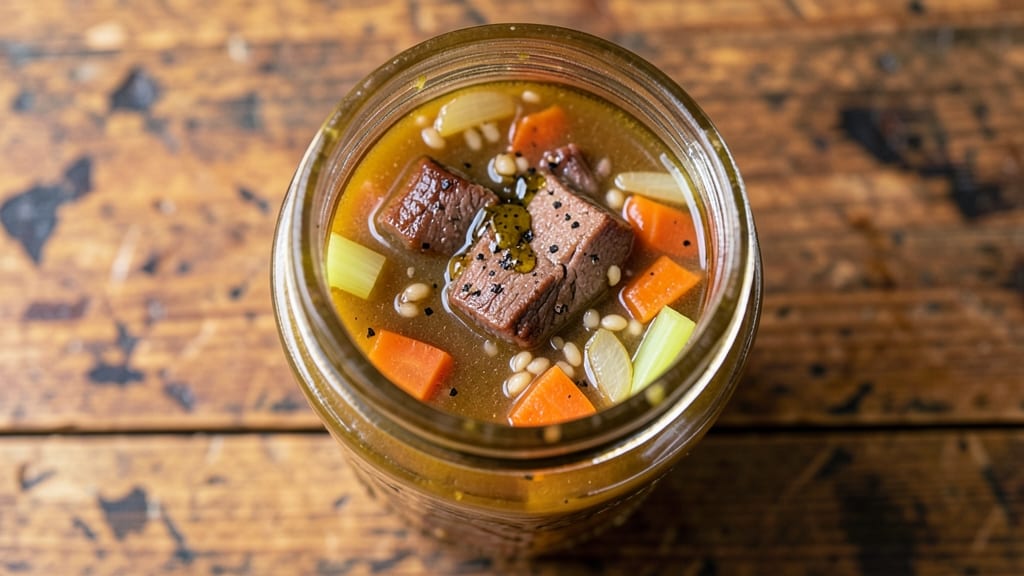
This beef barley soup canning recipe transforms a classic comfort dish into a year-round pantry staple—rich, hearty, and packed with savory depth that tastes just like it was simmered yesterday. The secret lies in balancing tender beef, chewy barley, and aromatic vegetables while preserving their texture through precise canning techniques.
I developed this method after years of perfecting the soup's flavor profile, ensuring every jar delivers restaurant-quality results with safe, long-term storage.
The process begins with a slow-cooked base that develops deep, layered flavors—caramelized onions, beefy broth, and barley that softens just enough to hold its shape. What sets this canning method apart is the use of a pressure canner to maintain that perfect texture while sterilizing the jars completely.
This isn't just about preservation; it's about capturing the soul of the soup in a jar, ready to warm your kitchen anytime.
What you'll achieve is a pantry stocked with jars of soup that require no prep—just heat and serve. The barley remains tender, the beef stays fork-tender, and the broth retains its rich, savory essence.
Each jar passes the safety standards for home canning, with proper headspace, sealing, and processing times to prevent spoilage while locking in flavor.
Perfect for meal prepping, emergency pantries, or gifting, this recipe ensures you'll always have a comforting bowl of soup on hand. The instructions walk you through every step—from cooking the soup to canning it safely—so you can focus on enjoying the results rather than worrying about the process.
Ingredients for beef barley soup canning
Twelve jars of hearty comfort—just these ingredients and a pressure canner.
| Ingredient | Amount | Notes |
|---|---|---|
| Chuck Roast 🥩 | 6 lb | Cut into 1-inch cubes |
| Yellow Onions 🧅 | 4 whole | Medium size, sliced |
| Carrots 🥕 | 4 lb | Peeled, cut into chunks |
| Celery Stalks 🌿 | 6 whole | Cut into 1-inch pieces |
| Pearl Barley 🌾 | 3 cups | Uncooked, rinsed well |
| Garlic Cloves 🧄 | 8 cloves | Minced for depth |
| Beef Broth 💧 | 8 cups | Low-sodium preferred |
| Tomato Paste 🍅 | ½ cup | Smooth, not chunky |
| Bay Leaves 🌿 | 4 whole | Fresh if possible |
| Dried Thyme 🌿 | 2 tsp | Or 1 tbsp fresh |
| Salt 🧂 | 2 tbsp | Kosher or sea salt |
| Black Peppercorns 🌶️ | 1 tbsp | Freshly cracked |
| Canning Lids 📦 | 12 pieces | New, unopened for sealing |
| Canning Rings 🔗 | 12 pieces | For pressure canning |
| Pint-Sized Jars 🍯 | 12 pieces | Mason jars with bands |
The chuck roast is non-negotiable here—it's the backbone of that rich, beefy flavor. Costco or Walmart usually have it pre-cubed, which saves time, but if you're buying a whole roast, ask the butcher to cut it for you. Look for good marbling—those little fat streaks melt into the soup and make it sing. For the barley, Bob's Red Mill or Great Northern work perfectly, but any pearl barley will do. The key is rinsing it well before adding to the soup to remove any dust or debris. Fresh bay leaves add a subtle earthiness that dried can't quite match, but if you're out, dried works at half the amount.
No beef broth? Homemade stock is ideal, but a good-quality low-sodium store-bought version works in a pinch. The tomato paste can be swapped for crushed tomatoes if you prefer, but paste gives that concentrated umami kick. Short on thyme? Oregano or rosemary at the same amount adds a different but still delicious depth. For the jars, Ball or Kerr are the gold standards—make sure to use new lids every time for a proper seal. If you're canning for the first time, grab a pressure canner gauge from Amazon to double-check your canner's accuracy. And trust me, don't skip sterilizing the jars—it's worth the extra minute.
Once canned, these jars keep for 12-18 months in a cool, dark pantry. The soup reheats beautifully—just pop a jar in a pot with a splash of water and warm through. I always label mine with the date and contents so I know what's in there. Freezing is an option too, but canning preserves texture better. For gifting, these make the perfect homemade present—just tie a ribbon around the lid and you're done. And if you end up with extra broth? Freeze it for future soups or stews.
Why You'll Love This Recipe
- No-Chop Trick: I swear by the "mirepoix hack" here—just dice the onions, carrots, and celery once before freezing them. Toss a handful straight from the freezer into the pot, and you’ve already saved 15 minutes. (Yes, even on a Tuesday night.)
- Deep, Slow Magic: That chuck roast turns ridiculously tender after hours in the pressure canner—fall-apart, juicy, and packed with beefy flavor. The barley soaks up all the richness, making every spoonful hearty and satisfying.
- Canning Game-Changer: Batch this in jars and you’ve got a pantry staple for months—perfect for lazy Sundays, sick days, or when you’re staring at an empty fridge at 9 PM. Just heat, serve, and forget the stress.
- Budget-Friendly Feast: A single chuck roast stretches to feed six, and barley makes this meal filling without breaking the bank. Honestly, I’ve made this for $1.50 a serving—better than takeout, and way more wholesome.
Step-by-step instructions for beef barley soup canning
Here's how to transform hearty beef barley soup into a pantry staple that lasts for years.
Prepare and Sauté the Vegetables
First, cut the 6 lb chuck roast into 1-inch cubes and set aside. In a large stockpot, combine the 4 whole yellow onions (sliced), 4 lb carrots (peeled and chunked), and 6 whole celery stalks (cut into 1-inch pieces). Sauté over medium-high heat with 2 tablespoons salt and 1 tablespoon black peppercorns until the vegetables soften slightly—about 8-10 minutes. You'll smell their sweet, aromatic depth as they release moisture.
Add the 8 cloves garlic cloves (minced) and cook for another 1 minute until fragrant. This step builds the soup's flavor foundation, so don't rush it. The vegetables should be tender but still hold their shape—this ensures they hold up well during canning.
Brown the Chuck Roast and Build the Base
Increase heat to high and add the chuck roast cubes in batches, letting them brown deeply on all sides—this creates rich, meaty flavor. Once all the meat is browned, return everything to the pot. Stir in the 3 cups pearl barley (rinsed well) and the 0.5 cup tomato paste, coating the vegetables and meat evenly. The barley will absorb the caramelized flavors from the browning process.
Pour in the 8 cups beef broth and bring to a rolling boil. Once boiling, reduce heat to low, add the 4 whole bay leaves and 2 teaspoons dried thyme, then cover and simmer for 2 hours. You'll know it's ready when the barley is tender and the meat is fork-tender—this long simmer ensures a hearty, well-seasoned base.
Prepare the Jars and Fill with Hot Soup
While the soup simmers, prepare the 12 pint-sized jars by sterilizing them in boiling water for 10 minutes. Keep them hot until ready to fill. Ladle the hot soup into each jar, leaving 1-inch headspace at the top. This space allows for proper sealing during canning. Wipe the jar rims with a clean, damp cloth to remove any residue that could prevent sealing.
Place a canning lid on each jar, then screw on the canning rings finger-tight. Don't overtighten—they need room to seal properly. The soup should fill the jars completely, leaving just enough space for expansion during processing.
Pressure Can the Soup for Safe Preservation
Load the jars into your pressure canner, ensuring they stand upright and aren't touching. Add water to the canner until it reaches the recommended fill line, then place the lid on the canner. Heat to 10 pounds of pressure (adjust for altitude if needed). Once pressure is reached, process the jars for 75 minutes—this ensures the soup is safely preserved and free from bacteria.
After processing, turn off the heat and let the pressure naturally decrease to 0 pounds before carefully removing the lid. Allow the jars to cool undisturbed for 12-24 hours—this lets the lids seal completely. Check each jar to ensure the lids have sealed properly (they shouldn't pop when pressed). Store the sealed jars in a cool, dark place for up to 1 year.
Pro Tips For Making Beef Barley Soup Canning
- SEAR THE ROAST FIRST: Walk away from the stove after browning the chuck roast—it’s not done when it’s just brown on the outside. Push the pan to medium-low, cover, and let it cook for 10 minutes with its juices before adding broth. I learned this the hard way when my first batch turned out dry; that extra step locks in flavor and moisture.
- CHOP VEGETABLES UNIFORM: Cut carrots and celery into ½-inch chunks, not random sizes. Onions should be diced small enough to disappear by the end. Uneven pieces mean some veggies stay crunchy while others turn to mush—no one wants that texture fight in canned soup.
- DON’T SKIP THE BARLEY SOAK: Pearl barley absorbs liquid like a sponge. Rinse it, then soak in cold water for 30 minutes before adding to the pot. This cuts cooking time by 20 minutes and keeps it from turning to paste—trust me, your future self will notice the difference.
- PRESSURE CAN HOT LIQUID ONLY: Fill jars with the hot soup, but leave 1-inch headspace. The broth should be piping hot (180°F+) when you process it—cold liquid causes seals to fail. I once canned a batch with tepid soup and ended up with three exploded jars. Not fun.
Wine and beer pairings for these flavors
Red Wine Classics
A bold Cabernet Sauvignon from Napa Valley or Oregon stands up beautifully to the rich beef and hearty barley in this soup. Look for a wine with 14-15% ABV and notes of blackberry, vanilla, and oak—these flavors complement the deep umami of the broth.
I love a 2019 Caymus Vineyards or 2020 Chateau Ste. Michelle for their balance of power and smooth tannins. Serve slightly chilled to let the wine's acidity cut through the soup's richness. 🍷
Malbec Magic
For those who prefer something fruit-forward, a Argentinian Malbec delivers vibrant red fruit flavors that pair wonderfully with the caramelized onions and thyme. Opt for a wine from Mendoza with 13-14% ABV and hints of dark chocolate.
My go-to is Catena Zapata Malbec—it's approachable yet complex, with enough body to stand up to the beef. Let it breathe for 10-15 minutes before serving to soften the tannins. 💛
Beer Pairings
A dark lager or amber ale bridges the gap between hearty and refreshing. Try a German Dunkles Lager like Ayinger Altbairisch Dunkel—its malty sweetness and subtle roasted notes enhance the barley and beef.
For a hoppier option, a Belgian-style brown ale with 12-14% ABV (like La Fin Du Monde) adds a caramel depth that mirrors the soup's caramelized vegetables. Serve the beer slightly cooler than room temperature. 🍺
White Wine Surprise
Don’t overlook Chardonnay with a touch of oak—it might seem unexpected, but the wine’s buttery notes harmonize with the creamy barley and beef. Choose a California Chardonnay from Sonoma County with 13-14% ABV and subtle vanilla undertones.
A Kendall-Jackson Vintner’s Reserve is a crowd-pleaser that won’t overpower the soup’s savory profile. Chill thoroughly before serving. ✨
Non-Alcoholic Options
For those skipping alcohol, a sparkling apple cider like Martinelli’s adds a crisp, fruity contrast to the soup’s heartiness. Alternatively, a ginger beer with a hint of spice (like Woodchuck Hard Cider’s Ginger Brew) brightens the meal without competing.
Both options work well chilled and add a refreshing lift to the rich flavors. 🍎
Nutrition facts
Frequently asked questions
Why does the recipe specify pressure canning instead of water bath canning?
Pressure canning is essential for this hearty beef soup because it contains meat and barley, both of which require higher temperatures (240°F+) to destroy harmful bacteria like Clostridium botulinum. Water bath canning only reaches 212°F, which isn't hot enough to safely preserve these ingredients. The 75-minute processing time at 10 pounds of pressure ensures both safety and texture retention.
Can I adjust the barley-to-meat ratio for a lighter soup? For a lighter version, reduce the barley to 2 cups and increase the beef to 7-8 lbs to maintain richness. You can also add extra broth or even some diced potatoes for bulk. Just
What should I do if my jars don't seal during processing?
If a jar fails to seal (lid pops when pressed), don't panic—you can still use the soup! Remove the lid and reheat the contents to 165°F before storing in the refrigerator for up to 5 days or freezing for 3 months. To prevent future issues, always check jar rims for residue before sealing, ensure proper headspace (1 inch), and use new lids. Never reuse lids, as they lose elasticity over time.
How do I store canned soup for maximum freshness?
Store sealed jars in a cool (50-70°F), dark pantry away from heat sources or direct sunlight. The soup remains safe and flavorful for 12-18 months. For longer storage, rotate older jars to the front and newer ones to the back. If you notice any bulging lids, cloudiness, or off odors, discard the jar immediately—these are signs of spoilage. Label jars with the date to track freshness.
Can I add fresh herbs like parsley or dill during canning?
Fresh herbs won't survive the canning process—they'll turn mushy and lose their flavor. Instead, add them fresh when serving or use dried herbs (like thyme) during canning. For garnish, try a sprinkle of fresh parsley or a drizzle of olive oil after reheating. The recipe's dried thyme and bay leaves provide enough aromatic depth without compromising texture.