
Soups & Stews
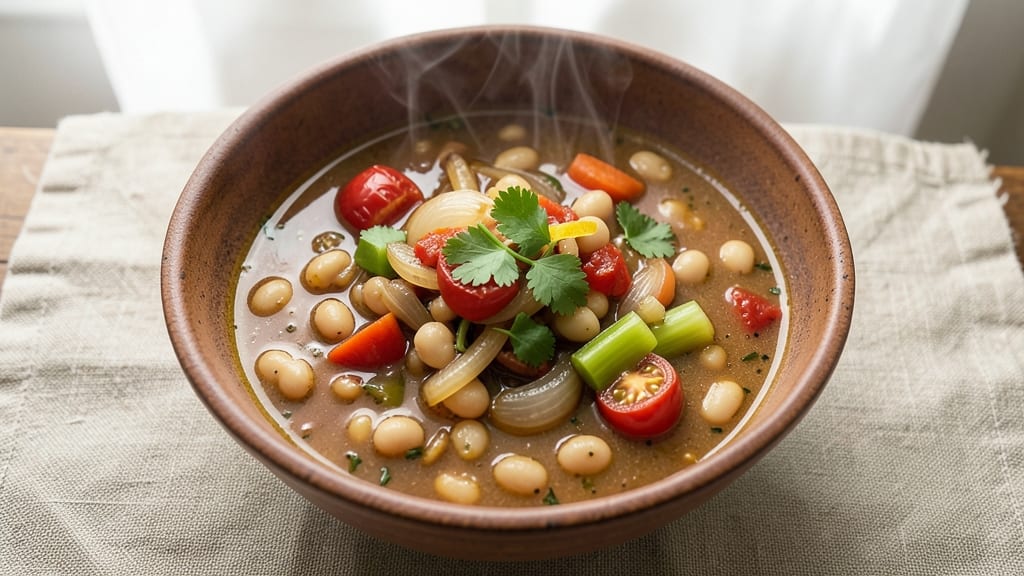
This Beanland soup recipe delivers the soul-warming comfort of smoky tomatoes and creamy white beans in every spoonful. Inspired by Southern traditions, it balances hearty textures with bold flavors—perfect for chilly evenings or family gatherings.
The secret lies in slow-simmered tomatoes and a touch of smoked paprika, transforming simple ingredients into a restaurant-worthy bowl.
What sets this soup apart is its rich, layered depth—where tender white beans soak up the smoky tomato broth while herbs like thyme and bay leaves add aromatic complexity. Unlike lighter soups, this one is substantial yet approachable, making it ideal for both weeknight dinners and holiday tables.
The technique is straightforward: sauté aromatics, simmer tomatoes until deepened, then blend just enough for velvety texture without losing rustic charm.
By the time you ladle it into bowls, you’ll taste the perfect harmony of smoky, tangy, and creamy—each bite feels like a hug. The soup’s versatility shines too: serve it with crusty bread for dipping or alongside grilled meats for a complete meal.
For extra richness, stir in a dollop of cream or top with fresh parsley.
This recipe is accidentally vegan-friendly (no meat required) but hearty enough to satisfy even meat lovers. Adapt it by adding sausage or bacon for depth, or keep it plant-based for a lighter option. The beauty lies in its flexibility—just like the memories it’s designed to create.
Ingredients for beanland soup
Sixteen ingredients transform into a velvety, smoky bowl of comfort—perfect for chilly evenings or family gatherings.
| Ingredient | Amount | Notes |
|---|---|---|
| Canned San Marzano Tomatoes 🍅 | 28 oz | Crushed or diced, high-quality |
| Great Northern White Beans 🌱 | 2 cups | Dried, soaked overnight |
| Yellow Onion 🧅 | 1 whole | Medium, diced |
| Garlic Cloves 🧄 | 4 cloves | Fresh, minced |
| Carrots 🥕 | 3 whole | Peeled, chopped into chunks |
| Celery Stalks 🌿 | 3 whole | Fresh, chopped |
| Smoked Paprika 🌶️ | 1 tbsp | High-quality, Spanish preferred |
| Dried Thyme 🍃 | 1 tsp | Or 1 tbsp fresh thyme |
| Bay Leaves 🌿 | 2 whole | Fresh, removed before serving |
| Vegetable Broth 💧 | 4 cups | Low-sodium, homemade preferred |
| Extra-Virgin Olive Oil 🫒 | ¼ cup | For sautéing aromatics |
| Salt 🧂 | 1 ½ tsp | Diamond Crystal kosher salt |
| Black Pepper 🌶️ | ½ tsp | Freshly ground |
| Fresh Parsley 🌿 | ¼ cup | Chopped, for garnish |
The San Marzano tomatoes are the soul of this soup. Look for the flat, ribbed varieties at specialty stores or well-stocked markets—they're sweeter and more flavorful than standard canned tomatoes. For the beans, Great Northerns hold their shape beautifully, but Cannellinis work too if that's what you have. The smoked paprika should be Spanish or Hungarian—anything with a deep, smoky aroma. Fresh thyme is ideal, but dried works at one-third the amount. If you're using dried beans, soak them overnight for perfect texture. The vegetable broth matters too—homemade is best, but low-sodium store-bought in a pinch.
No smoked paprika? Substitute with 1/2 teaspoon liquid smoke plus 1/2 teaspoon regular paprika—it's not identical, but close. Fresh celery and carrots can be swapped for baby carrots or celery root if needed. The garlic can be roasted for a sweeter flavor—wrap whole cloves in foil, roast at 400°F for 10 minutes. For extra richness, stir in a dollop of cream or coconut milk at the end. The parsley is purely for garnish, but don't skip it—it brightens the whole dish. If you're making this ahead, freeze the soup without the parsley and add it fresh when serving.
This soup tastes even better the next day as flavors meld. Store in the fridge for up to 5 days or freeze for 3 months. I like to portion it into containers with a layer of bread on top—perfect for lunches. The beans will soften further when reheated, so if you prefer them firmer, cook them just until tender. For extra depth, add a splash of red wine when sautéing the aromatics. The soup's versatility means it works as a starter or main course—just adjust portion sizes accordingly.
Why You'll Love This Recipe
- One-Pot Magic: I swear by this recipe when I’m too tired to wash extra bowls. Just toss everything—beans, tomatoes, onions, garlic—into one pot, let it simmer, and boom. No fuss, no stress, no cleanup that’ll make me groan later.
- San Marzano Secret: Honestly, the difference between this soup and others? Those sweet, meaty San Marzano tomatoes. They turn the beans creamy and the broth rich without needing fancy add-ins. Even my picky dad asks for seconds.
- Leftovers That Beg: This soup only gets better the next day. The flavors meld, the carrots soften just right, and it’s the perfect lunch to throw together. I make a double batch on Sundays—no sad, wilted salads for me.
- Budget-Friendly Hero: Great Northern beans and canned tomatoes? Affordable staples that stretch into meals. I’ve fed four people for under $10 with this, and it’s still hearty enough to leave everyone full. My wallet and my stomach thank me.
Step-by-step instructions for smoky tomato and white bean soup
This method delivers restaurant-quality depth with minimal effort—focus on technique over timing.
Sauté the Aromatic Base
Heat the 0.25 cup extra-virgin olive oil in a large Dutch oven over medium heat. Add the 1 whole yellow onion, 3 whole carrots, and 3 whole celery stalks, all chopped into ½-inch pieces. Cook for 8-10 minutes, stirring occasionally, until the vegetables soften and the onion becomes translucent.
Add the 4 cloves garlic cloves, minced, and cook for 30 seconds until fragrant. Here's the thing—don't let the garlic brown, or you'll taste bitterness. Remove the pan from heat briefly if it starts to darken. This aromatic base forms the flavor foundation, so take your time and don't rush this step.
Build the Smoky Flavor Profile
Return the pan to medium heat and stir in the 1 tbsp smoked paprika and 1 tsp dried thyme. Toast these spices for 30 seconds until you can smell their aroma—this activates their flavors. Add the 2 whole bay leaves and the 28 oz canned San Marzano tomatoes, crushed by hand if using whole tomatoes.
Bring the mixture to a gentle simmer, then reduce heat to low. Let it cook uncovered for 15 minutes, stirring occasionally. This allows the tomatoes to break down and release their natural sweetness while the spices meld together. You'll notice the soup developing a rich, smoky aroma—this is where the magic happens.
Incorporate Beans and Broth
Add the 2 cups soaked Great Northern white beans (drained if previously soaked) and 4 cups vegetable broth to the pot. Stir well to combine, then increase heat to medium-high until the soup returns to a simmer. Once simmering, reduce heat to low and let it cook uncovered for 20-25 minutes, stirring occasionally.
During this time, the beans will soften and the flavors will deepen. I like to taste the soup at the 15-minute mark—this helps me gauge seasoning early. If it needs more salt, add some of the 1.5 tsp salt now. The soup should be thick but still spoonable, with visible bean chunks and tomato pieces.
Season and Finish
Remove the 2 whole bay leaves and adjust seasoning with the remaining salt and 0.5 tsp black pepper as needed. For extra depth, I sometimes add a pinch of sugar here to balance any acidity from the tomatoes. Taste and make final adjustments—this is where you ensure the soup sings.
Keep the soup warm on low heat or transfer to a serving pot. Ladle into bowls and garnish with 0.25 cup chopped fresh parsley. The parsley adds freshness and visual appeal, but don't skip this step if you're serving immediately—it elevates the presentation significantly.
Pro Tips For Making Beanland Soup
- SOAK BEANS OVERNIGHT: I learned this the hard way—rushing the beans means gummy texture. Even canned Great Northerns benefit from a quick 30-minute soak in warm water before adding to the pot. The starches soften faster, and the soup stays creamy without that cloying aftertaste.
- CRUSH TOMATOES BY HAND: Skip the blender—mashing San Marzano tomatoes with your fingers (or a wooden spoon) breaks them just enough to release flavor without turning the soup into paste. I used to puree them, but this keeps the texture bright and the acidity balanced.
- SWEAT ONIONS LOW AND SLOW: After burning three batches, I finally figured out: yellow onions need 8-10 minutes on low heat with a splash of water to caramelize properly. High heat turns them bitter, and that’s when the soup starts tasting flat. Sounds weird, but it works.
- ADD CARROTS LAST: Tossing diced carrots in at the end guarantees they stay tender-crisp, not mushy. If you’re short on time, microwave them for 2 minutes first—just enough to soften the edges without killing the crunch. (Your future self will thank you.)
Serving suggestions for this dish
Bread Pairings
This soup’s creamy texture and smoky depth make it a match made in heaven with crusty, hearty bread. I love serving it with a freshly baked sourdough loaf—its tangy crumb contrasts beautifully with the soup’s richness.
For extra indulgence, toast thick slices and rub them with garlic-infused olive oil before serving. If you prefer something lighter, focaccia with rosemary works too—just tear it into chunks for easy dipping. 🥖
Protein Additions
While the soup is naturally satisfying, adding protein turns it into a complete meal. For a vegetarian option, stir in grilled halloumi cheese during the last 5 minutes of cooking—it melts slightly but holds its shape.
Meat lovers can add crumbled Italian sausage (cooked separately) or shredded rotisserie chicken for warmth. I also like tossing in white beans with a sprinkle of fresh thyme for extra texture. 🍗
Cheese Toppings
Elevate your bowl with a sprinkle of Pecorino Romano or Parmigiano-Reggiano—these aged cheeses add a sharp, nutty finish that cuts through the soup’s creaminess. For a dairy-free option, try nutritional yeast (about 1 tbsp)—it mimics the umami depth without the dairy.
Freshly grated cheese should be added right before serving so it stays crisp and flavorful. 🧀
Herb Garnishes
Fresh herbs brighten the soup’s smoky flavors and add visual appeal. I always finish with chopped parsley, but basil or cilantro work too—just use 1 tbsp per bowl. For a more robust flavor, add thinly sliced chives or dried oregano (a pinch) for an earthy note.
If you’re feeling fancy, a drizzle of extra-virgin olive oil and a pinch of red pepper flakes adds a final kick. 🌿
Side Dish Ideas
Pair this soup with roasted Brussels sprouts tossed in balsamic glaze for a sweet-tangy contrast. A simple arugula salad with lemon vinaigrette also cleanses the palate, while crispy polenta triangles add a satisfying crunch.
For a full meal, serve with garlic mashed potatoes—the creamy texture complements the soup’s heartiness. 🥦
Beverage Pairings
A crisp white wine like Vermentino or Pinot Grigio balances the soup’s smoky depth with bright acidity. For beer lovers, a hazy IPA or Belgian witbier adds a refreshing contrast. If you prefer non-alcoholic options, sparkling water with lemon or iced hibiscus tea (slightly tart) work beautifully.
The key is to choose a drink that won’t overpower the soup’s rich flavors. 🍷
Nutrition facts
Frequently asked questions
Can I make this soup without soaking the beans overnight?
Yes, but your beans will be slightly firmer. Use 2 cups canned white beans (drained and rinsed) instead of dried. For dried beans, a 4-hour quick-soak (boil for 2 minutes, then let sit off heat) works too. The texture won't be identical, but it's still delicious!
How do I adjust the spice level for kids or sensitive palates?
Reduce the smoked paprika to ½ teaspoon and skip the red pepper flakes. For extra mildness, blend the soup until completely smooth—this softens the smoky notes. Kids often love the creamy bean-tomato combo when it's velvety!
Can I use canned tomatoes instead of San Marzano?
Use 28 oz canned crushed tomatoes (like Muir Glen). For deeper flavor, add 1 teaspoon tomato paste when sautéing the aromatics. San Marzano's sweetness comes from its variety, but regular canned tomatoes still work beautifully with the smoky spices.
Why does my soup taste too acidic?
This usually happens when tomatoes aren't cooked long enough. Simmer uncovered for 20-25 minutes to reduce acidity. For quick fixes, stir in ½ teaspoon sugar or a pinch of baking soda (just a tiny amount!). The smoky paprika also helps balance acidity—make sure you toasted it properly.
How can I make this soup thicker or thinner?
For thicker soup: Simmer uncovered 10-15 minutes longer to reduce liquid. For thinner: Add ½ cup warm broth at a time until reaching desired consistency. The beans naturally thicken as they cook, so don't over-blend—just stir occasionally during simmering.