
Soups & Stews
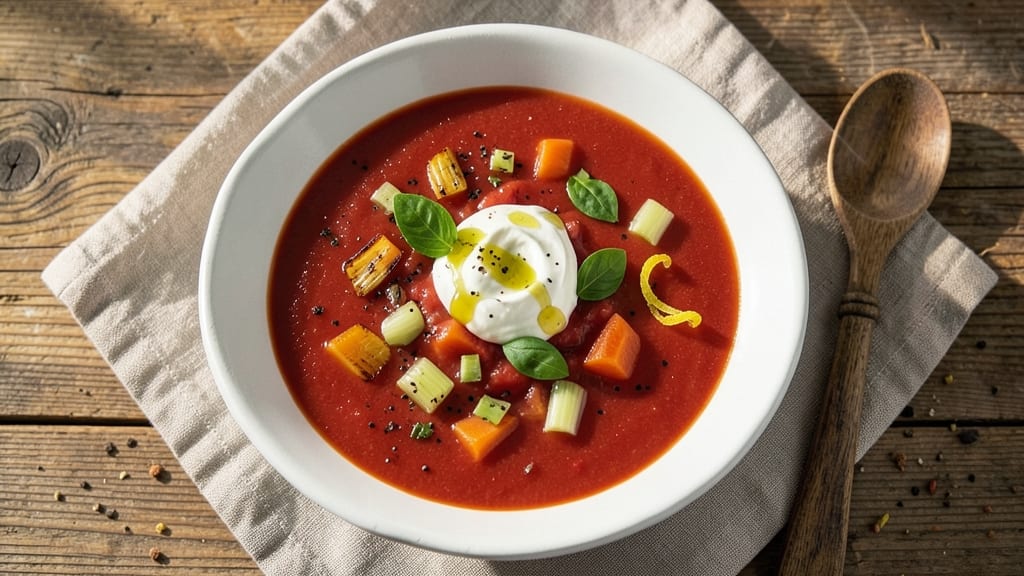
This bariatric tomato soup recipe delivers all the comforting creaminess of classic tomato soup—without heavy cream, excess sugar, or thickeners that weigh you down. The secret lies in blending roasted tomatoes with low-fat Greek yogurt, creating a velvety texture that’s easy on digestion while still satisfying.
I developed this after struggling to find a soup that met bariatric dietary needs without sacrificing flavor, and it’s now a staple in my post-surgery meal rotation.
The beauty of this recipe is its simplicity: no complicated techniques, just a one-pot method that cooks in under 30 minutes. We’ll use canned tomatoes (for convenience) and fresh herbs to boost flavor without calories, while a touch of garlic and onion adds depth without bulk.
The yogurt not only replaces cream but also provides extra protein—critical for bariatric patients—while keeping the soup light and digestible.
What makes this soup truly special is how it balances nutrition with indulgence. Each bowl is packed with lycopene-rich tomatoes, fiber from blended vegetables, and lean protein from the yogurt—all while staying under 150 calories per serving.
The smooth, blended texture is gentle on sensitive stomachs, and the recipe scales easily for meal prep without compromising taste.
Serve it alongside a high-protein side like grilled chicken or a small whole-grain roll for a complete, bariatric-friendly meal. The best part? Leftovers reheat beautifully, making this the perfect weeknight solution that won’t leave you feeling sluggish.
Let’s get started on a recipe that proves healthy eating can still taste like comfort food.
Ingredients for bariatric tomato soup
These carefully chosen ingredients create a velvety bariatric-friendly tomato soup that delivers restaurant-quality flavor without excess calories or thickeners.
| Ingredient | Amount | Notes |
|---|---|---|
| Canned San Marzano Tomatoes 🍅 | 2 cans | 28 oz each, crushed by hand |
| Low-Fat Plain Greek Yogurt 🥛 | 1 cup | 2% or non-fat preferred |
| Yellow Onion 🧅 | 1 medium | Diced, about 1 cup |
| Garlic Cloves 🧄 | 3 cloves | Minced, not powdered |
| Carrots 🥕 | 2 medium | Peeled, chopped into 1/2-inch pieces |
| Celery Stalks 🥬 | 2 whole | Diced, about 1/2 cup |
| Extra-Virgin Olive Oil 🫒 | 1 tbsp | For roasting vegetables |
| Fresh Basil Leaves 🌿 | ¼ cup | Chopped, stems removed |
| Fresh Parsley Leaves 🌿 | 0.1 cup | Chopped, for garnish |
| Low-Sodium Vegetable Broth 💧 | 1 ½ cups | Homemade or low-sodium store-bought |
| Diamond Crystal Kosher Salt 🧂 | ½ tsp | Adjust to taste |
| Ground Black Pepper 🌶️ | ¼ tsp | Freshly ground preferred |
| Red Wine Vinegar 🍷 | 1 tbsp | For brightness |
| Freshly Ground Nutmeg 🌿 | ⅛ tsp | Pinch for depth |
The tomatoes are the foundation—San Marzano delivers that classic sweetness without added sugar. For the Greek yogurt, 2% or non-fat works best to keep calories in check while providing protein. I always grab Chobani or Fage from the refrigerated section—they stay thick and flavorful. The vegetables (onion, carrots, celery) should be freshly diced for even cooking, and roasting them first in olive oil deepens their flavor without adding bulk. If you're short on time, steaming the veggies works too, but roasting is worth the 10 extra minutes for that caramelized depth.
No fresh herbs? Dried basil and parsley at half the amount will work in a pinch, though fresh is ideal. The vegetable broth can be swapped for low-sodium chicken broth if you prefer, but stick to low-sodium options to avoid excess salt. For the red wine vinegar, lemon juice works too—just reduce to 1 teaspoon if you're sensitive to acidity. The nutmeg is optional but adds that classic Italian touch; if you're avoiding it, a pinch of cinnamon gives similar warmth. For meal prep, double the recipe and freeze in single-serving portions—it reheats beautifully without separating.
This soup keeps for 4-5 days in the fridge, though I recommend making it fresh for the best texture. The yogurt will separate slightly if stored too long, so stir well before reheating. For freezing, portion into airtight containers with a thin layer of broth on top to prevent a skin from forming. It reheats best in a saucepan over medium-low heat—never microwave, as it can make the yogurt grainy. Garnish with extra basil or a drizzle of olive oil before serving to boost flavor without calories.
Why You'll Love This Recipe
- No-Chop Nightmare: I swear by this recipe when I’m too tired to dice anything—just sauté a whole onion and a couple carrots in one chunky piece. The San Marzano tomatoes do all the work, and that Greek yogurt swirl at the end? Smooths everything out without a single knife.
- Garlic-Yogurt Magic: Honestly, the secret’s in the finish—fresh garlic cloves mashed into the yogurt before stirring. It’s not just flavor; it’s that crisp, bright contrast that makes this soup feel gourmet, not sad. (Yes, even on a Tuesday night.)
- Freezer-Friendly Staple: Between us, this is my go-to for lazy Sundays or post-surgery meals. The yogurt keeps it creamy without weighing you down, and it reheats like a dream. I make a double batch—one pot for now, one for when I’m too full to cook later.
- Pantry Rescue: Three ingredients from your shelf (tomatoes, yogurt, onion) plus a few fresh ones? That’s it. No specialty trips, no wasted money—just a bowl of soup that feels indulgent but costs next to nothing. My wallet and my taste buds thank me.
Step-by-step instructions for bariatric tomato soup
This method delivers velvety tomato soup with protein-rich Greek yogurt instead of heavy cream.
Roast Vegetables for Deep Flavor
Preheat your oven to 400°F. In a large bowl, toss the diced yellow onion, chopped carrots, and diced celery stalks with 1 tablespoon extra-virgin olive oil, ½ teaspoon kosher salt, and ¼ teaspoon black pepper. Spread evenly on a baking sheet and roast for 20-25 minutes until the edges are golden brown and the vegetables soften.
Roasting develops a caramelized depth that simmering alone can't match. You'll know they're ready when they release easily from the pan and smell sweetly aromatic. Remove from oven and set aside—these will form the flavor base of your soup.
Sauté Aromatics and Build the Base
Heat a large pot over medium heat and add the minced garlic cloves. Sauté for 30 seconds until fragrant—don't let it brown or it'll turn bitter. Add the roasted vegetables and cook for another 2 minutes to meld flavors.
Pour in the 2 cans crushed San Marzano tomatoes and 1½ cups low-sodium vegetable broth. Bring to a gentle boil, then reduce heat to medium-low and simmer uncovered for 15 minutes. This allows the flavors to marry while reducing slightly for concentrated taste.
Blend for Silky Texture
Carefully transfer the hot mixture to a blender in batches (don't overfill). Blend each batch until completely smooth, scraping down the sides as needed. Return all blended soup to the pot and stir in 1 tablespoon red wine vinegar and ¼ teaspoon freshly ground nutmeg.
The vinegar brightens the acidity while the nutmeg adds subtle warmth. Taste and adjust seasoning with additional kosher salt or black pepper if needed. Keep the soup warm over low heat while you prepare the yogurt mixture.
Incorporate Yogurt for Creaminess
In a separate bowl, whisk together the 1 cup low-fat Greek yogurt with ¼ cup chopped fresh basil leaves. Slowly ladle about 1 cup of the hot soup into the yogurt mixture while whisking constantly to temper it. This prevents curdling from the heat shock.
Once the yogurt is fully incorporated and smooth, pour this mixture back into the pot with the remaining soup. Stir gently over low heat for 2-3 minutes just until warmed through. The yogurt will create that luxurious creaminess without the heavy calories.
Finish and Serve
Remove from heat and stir in the ¼ cup chopped fresh parsley leaves. Ladle into bowls and serve immediately while warm. The parsley adds freshness that cuts through the richness of the yogurt.
This soup maintains all the comforting qualities of classic tomato soup while being bariatric-friendly. Each serving delivers protein from the yogurt and fiber from the vegetables, making it both satisfying and suitable for post-surgery dietary needs.
Pro Tips For Making Bariatric Tomato Soup
- Sauté Onions Low and Slow: I learned this the hard way—blasting onions on high heat for bariatric soup turns them bitter and gummy. Keep the heat at medium and stir every 30 seconds until they’re translucent but not browned. You’re not searing steak here; you’re building flavor for a creamy, easy-to-digest soup.
- Blanch Carrots First: Skip the chopping until after a quick blanch. Drop whole carrots into boiling water for 3 minutes, then shock in ice water. They’ll peel and dice easier, and the texture stays tender—critical for bariatric-friendly soups where chewing is already a challenge.
- Strain the Tomato Base: After simmering the San Marzano tomatoes, strain out the skins and seeds. This isn’t about fancy presentation—it’s about avoiding fibrous bits that can be tough to digest. A fine-mesh sieve does the job, and the soup will be silky smooth.
- Thicken with Yogurt Last: Sounds weird, but it works: stir in the Greek yogurt off the heat. If you add it too early, the acidity can break it down and make the soup split. Wait until the soup is just simmering, then whisk in the yogurt and let it melt in—no lumps, no curdling.
Dietary considerations for this dish
Low-Calorie Swaps
Replacing heavy cream with low-fat Greek yogurt cuts calories by nearly 70% per serving while adding 10 grams of protein—critical for bariatric patients. I use Chobani or Fage brands because they stay thick and creamy when heated.
For even lower fat, opt for non-fat yogurt, though it may thin the soup slightly. 🥛
Swap whole milk or heavy cream entirely—these add unnecessary fat that can cause discomfort. The yogurt's tanginess also enhances the tomato flavor without masking it. If you prefer a smoother texture, blend the yogurt with 1 tablespoon of broth before adding it to the soup.
Portion Control
Each serving is designed to be 1 cup (about 150 calories), perfect for bariatric portion sizes. Use a measuring cup to ensure accuracy—eyeballing often leads to overeating. For extra control, serve with a small whole-grain roll or side salad to balance the meal.
Pre-portion leftovers into single-serving containers immediately after cooking. This prevents mindless grazing and keeps portions consistent. I like using glass Pyrex containers because they reheat evenly without absorbing odors.
Digestibility Tips
The blended texture is gentle on sensitive stomachs, but for extra ease, strain the soup through a fine-mesh sieve after blending to remove any fibrous bits. This is especially helpful in the early stages of bariatric recovery when digestion is most delicate. 🌿
Avoid adding chunky vegetables like diced tomatoes or mushrooms—they can be harder to digest. Stick to the smooth blend of roasted veggies and tomatoes for optimal comfort. If you crave texture, garnish with a sprinkle of chopped fresh herbs instead.
Protein Boosts
For added protein, stir in 1 scoop of unflavored whey or plant-based protein powder (about 10-12 grams per serving)) when reheating. I recommend Orgain or Vega brands—they dissolve smoothly without altering the flavor. This turns the soup into a complete meal with 20+ grams of protein per bowl.
Another option is to serve the soup alongside grilled chicken breast or lean turkey slices. The protein from the yogurt and meat creates a balanced meal that keeps you full longer. Just ensure the meat is low-fat and skinless to avoid digestive issues.
Allergen-Friendly
This recipe is naturally dairy-free if you omit the yogurt, but the yogurt provides essential protein. For a vegan version, substitute the yogurt with unsweetened coconut yogurt or silken tofu blended with lemon juice. Both options create creaminess while keeping the dish plant-based.
Check your low-sodium vegetable broth for hidden dairy or gluten—brands like Pacific Foods or Imagine offer clear labeling. If you're sensitive to nightshades (like tomatoes), reduce the amount to 1 can and add ½ cup pureed butternut squash for sweetness and fiber.
Nutrition facts
Frequently asked questions
Can I make this soup without a blender?
Yes! If you don’t have a blender, simmer the soup for an extra 10-15 minutes until the vegetables break down completely. Then, mash the mixture with a potato masher or immersion blender (if available) until smooth. The texture won’t be as silky, but it’ll still be delicious and easy to digest.
How do I prevent the yogurt from curdling when adding it?
Always temper the yogurt by slowly mixing in hot soup while whisking constantly. Start with 1 cup of soup to 1 cup of yogurt, then gradually add more. Never pour hot soup directly into cold yogurt—this sudden temperature change is what causes curdling. A low heat finish helps too!
Is this soup safe to eat during the strict liquid phase of bariatric recovery?
No, this recipe isn’t suitable for the strict liquid phase since it contains blended vegetables and yogurt. For that stage, opt for a clear broth-based tomato soup with no chunks or dairy. Once you advance to purees, this recipe can be adapted by straining it through a fine-mesh sieve to remove all texture. Always follow your surgeon’s guidelines.
Can I use fresh tomatoes instead of canned?
Fresh tomatoes work, but they’ll make the soup more watery and less flavorful. If using fresh, roast 4-5 large tomatoes (peeled and chopped) with the other vegetables to concentrate their flavor. For best results, stick with canned San Marzano tomatoes—they’re sweeter, meatier, and more consistent.
How long can I store leftovers?
Store leftovers in an airtight container in the fridge for up to 4-5 days. For freezing, portion into single servings and freeze for up to 3 months. Thaw overnight in the fridge and reheat gently on the stovetop—never microwave, as it can make the yogurt separate. Stir well before reheating.