
Soups & Stews
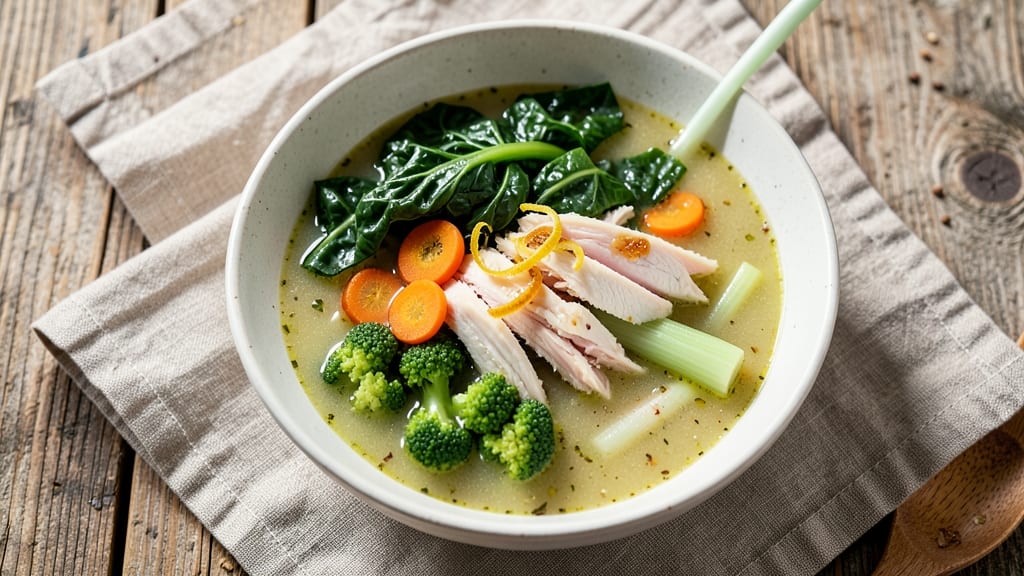
Bariatric cabbage soup is designed to be gentle on digestion while delivering essential nutrients—perfect for post-surgery recovery with its high protein and low-volume approach. This recipe focuses on easily digestible ingredients like tender cabbage, lean protein, and flavorful broths that support healing without overwhelming your system. The key lies in portion control and nutrient density, ensuring every spoonful counts toward your nutritional goals.
What sets this soup apart is its balance of protein-rich ingredients—think shredded chicken or tofu—and easily digestible vegetables that promote satiety without excess volume. The broth is seasoned with low-sodium options to avoid bloating, while herbs like parsley and thyme add flavor without compromising digestion.
This isn’t just a soup; it’s a carefully crafted meal that aligns with bariatric guidelines while still feeling satisfying.
The result is a light yet nourishing soup that’s gentle on the stomach and packed with nutrients. Each ingredient is chosen for its digestibility and nutritional value, ensuring you get the protein and vitamins you need without the discomfort.
Whether you’re recovering from surgery or managing long-term dietary needs, this recipe delivers both comfort and nutrition in every bowl.
Ready in under 30 minutes, this soup is a game-changer for bariatric patients seeking meals that are both easy to prepare and gentle on the digestive system.
The instructions are straightforward, and the ingredients are simple to find, making it an ideal addition to your meal plan. Let’s get started!
Ingredients for bariatric cabbage soup
Thinly sliced cabbage, lean protein, and flavorful broths combine for a bariatric-friendly soup packed with nutrients.
| Ingredient | Amount | Notes |
|---|---|---|
| Green Cabbage 🥬 | 4 cups | Shredded, thinly sliced for easy digestion |
| Low-Sodium Chicken Broth 🍲 | 4 cups | Homemade or store-bought, unsalted |
| Shredded Chicken Breast 🍗 | 1 cup | Cooked, boneless, skinless, shredded |
| Cauliflower Florets 🥬 | 1 ½ cups | Fresh or frozen, finely chopped |
| Carrots 🥕 | 1 cup | Peeled, finely diced for easy digestion |
| Celery Stalks 🥬 | 1 cup | Finely chopped, for added fiber |
| Onion 🧅 | ½ cup | Finely diced, for mild flavor |
| Low-Fat Chicken Breast 🍗 | 6 oz | For additional protein, diced |
| Fresh Parsley 🌿 | ¼ cup | Chopped, for fresh flavor and nutrients |
| Fresh Thyme 🌿 | 1 tbsp | Chopped, for aromatic depth |
| Garlic Cloves 🧄 | 2 cloves | Minced, for subtle flavor |
| Low-Sodium Chicken Bouillon 🍲 | 1 tbsp | Dissolved in 1 cup hot water |
| Extra-Virgin Olive Oil 🫒 | 1 tbsp | For sautéing vegetables |
| Lemon Juice 🍋 | 1 tbsp | Freshly squeezed, for brightness |
| Black Pepper 🌶️ | ¼ tsp | Freshly ground, for mild seasoning |
The cabbage and cauliflower are the stars here—both are low-volume, high-fiber veggies that digest easily. Look for fresh, vibrant cabbage with crisp leaves, and cauliflower that’s bright white, not yellowing. If using frozen, thaw and drain well to avoid watering down the soup. For the protein, boneless, skinless chicken breast is ideal—it’s lean, easy to digest, and keeps the soup satisfying. If you’re vegetarian, swap in silken tofu or extra-firm tofu, but make sure it’s well-cooked and crumbled finely. The carrots and celery add natural sweetness and fiber, so don’t skip them—just chop them finely for easier digestion.
No low-sodium broth? Dilute regular broth with water and add extra bouillon to compensate. Fresh herbs like parsley and thyme add flavor without bloating, but dried herbs at half the amount work in a pinch. If you’re short on time, pre-shredded cabbage from the bagged produce section saves chopping, but rinse it well to remove any excess sodium. The garlic and onion should be finely minced—this helps break them down faster. For extra protein, add a scoop of unflavored protein powder (like pea or soy) to the broth before cooking, but stir it in at the end to avoid clumping.
This soup reheats beautifully—just warm it gently on the stove or microwave for 1-2 minutes. Store leftovers in the fridge for 3-4 days in an airtight container, or freeze for up to 3 months. For portion control, use small bowls or 4-ounce measuring cups—this helps manage serving sizes easily. The flavors actually improve the next day as everything melds, so make extra if you can. If you’re new to bariatric eating, start with half a cup per serving to gauge how your stomach handles it.
Why You'll Love This Recipe
- One-Pot Magic: I swear by this recipe when I’m too tired to wash dishes. Toss everything—cabbage, cauliflower, carrots—into one pot with broth, and let it simmer. No chopping boards to scrub, no extra pans to dry. That’s my kind of cleanup.
- Hidden Depth: Between us, this soup is ridiculously flavorful for how simple it is. The shredded chicken adds protein without heaviness, while the carrots caramelize just enough to give it that sweet, savory punch. Honestly, it’s the kind of dish that makes you forget it’s "diet-friendly."
- Meal Prep MVP: I make a big batch on Sundays and portion it out for lunches all week. The flavors actually get better as it sits—yes, really. Plus, it reheats like a dream, so no sad, soggy leftovers here.
- Budget-Friendly Powerhouse: Green cabbage and carrots are cheap, and a single chicken breast stretches across multiple servings. Between us, this is how I feed my family without breaking the bank. And the low-sodium broth? No salt bombs here, just real, satisfying taste.
Step-by-step instructions for bariatric cabbage soup
Here's how to craft a nutrient-packed, easy-to-digest soup perfect for bariatric diets.
Sauté the Aromatic Vegetable Base
Heat the 1 tablespoon extra-virgin olive oil in a large pot over medium heat. Add the 0.5 cup finely diced onion and cook for 3-4 minutes until translucent and fragrant. This is your flavor foundation—don't rush this step or the soup will taste flat.
Add the 2 cloves minced garlic and 1 tablespoon chopped fresh thyme, stirring constantly for 30 seconds until the garlic becomes golden and aromatic. The thyme should release its earthy scent—this is when you know it's ready. Here's the thing—if the garlic starts to brown too quickly, reduce the heat slightly to prevent burning.
Cook the Vegetable Medley
Add the 1 cup finely diced carrots, 1 cup finely chopped celery stalks, and 1.5 cups cauliflower florets to the pot. Stir well to coat the vegetables in the aromatic oil. Cook for 5-6 minutes until the carrots begin to soften slightly and the celery becomes tender-crisp.
I like to check the texture here—you want the vegetables to be soft enough to digest easily but still retain some bite. If the vegetables start sticking to the pot, add 1-2 tablespoons of low-sodium chicken broth to deglaze and keep everything moving. This ensures even cooking and prevents burning.
Incorporate the Cabbage and Broth
Add the 4 cups shredded green cabbage to the pot and stir to combine with the other vegetables. Pour in the 4 cups low-sodium chicken broth and bring the mixture to a gentle boil. Once boiling, reduce the heat to medium-low and let it simmer uncovered for 10-12 minutes. You'll see the cabbage soften and the broth reduce slightly—this is when all those flavors meld together.
Real talk: the cabbage should be tender enough to eat with minimal chewing, but still hold its shape. If it's breaking down too much, reduce the simmer time slightly next batch. The broth should coat the back of a spoon but still allow you to see the vegetables clearly.
Prepare the Chicken Protein
While the vegetables simmer, heat a separate skillet over medium heat and add the 6 oz diced low-fat chicken breast. Cook for 5-6 minutes, stirring occasionally, until the chicken is fully cooked through and no longer pink in the center. The chicken should be tender and flaky—this is your protein boost for the soup.
Transfer the cooked chicken to a cutting board and let it cool slightly. Then, using two forks, shred it into small, bite-sized pieces. You want these pieces to be small enough for easy digestion but large enough to hold together when added to the soup. If the chicken is too dry, add 1 tablespoon of the reserved broth to keep it moist.
Finish and Season the Soup
Add the shredded chicken and 1 cup shredded chicken breast to the vegetable mixture. Stir in the 1 tablespoon low-sodium chicken bouillon (previously dissolved in 1 cup hot water) and bring the soup back to a gentle simmer. Cook for an additional 5 minutes to allow all the flavors to meld together.
Remove the pot from heat and stir in the 1 tablespoon freshly squeezed lemon juice and 0.25 teaspoon freshly ground black pepper. The lemon juice adds brightness that cuts through the richness of the chicken, while the pepper adds a subtle kick. Finish with the 0.25 cup chopped fresh parsley, which not only adds fresh flavor but also makes the soup look vibrant and inviting.
Serve Warm and Enjoy
Ladle the soup into bowls and serve immediately while still warm. The texture should be smooth with tender vegetables and flaky chicken pieces suspended throughout. Each spoonful should deliver a balance of protein from the chicken, fiber from the vegetables, and easy-to-digest cabbage.
This soup is designed to be gentle on the digestive system while still being packed with nutrients. The thinly sliced cabbage and finely chopped vegetables ensure easy digestion, while the lean protein keeps you satisfied. The broth helps with hydration, making it perfect for post-surgery or weight management diets.
Pro Tips For Making Bariatric Cabbage Soup
- SAUTÉ CABBAGE FIRST: Toss chopped cabbage in a dry pan over medium-high heat for 2-3 minutes before adding broth—this jumpstarts the softening process and cuts total cooking time by half. I used to add it straight to the broth and ended up with mushy, waterlogged cabbage every time.
- SHRED CHICKEN DRY: Pat shredded chicken breast thoroughly with paper towels before adding it to the soup—this prevents a greasy, watery broth. My grandmother’s trick: press it between two towels, then let it sit for 5 minutes while you prep the rest.
- ADD CARROTS LAST: Toss diced carrots in only after the broth has simmered for 10 minutes—this keeps them crisp-tender instead of turning to mush. I learned this after serving soup with rubbery carrots and getting the side-eye from my dad.
- USE FROZEN CAULIFLOWER: Skip the chopping and use pre-riced frozen cauliflower florets—it’s already the right size, thaws as it cooks, and saves 10 minutes of prep. Yes, it looks lazy, but it works every time and keeps the texture perfect.
Common mistakes when making great bariatric cabbage soup
Overcooking the Cabbage
Cabbage is delicate and can turn mushy if simmered too long—aim for 10-12 minutes max. Overcooked cabbage loses its texture and becomes harder to digest, which defeats the purpose for bariatric diets.
I’ve learned to pull the pot off heat as soon as the cabbage is tender but still holds its shape. 🥬
Skipping the Protein Prep
Shredding chicken into small, bite-sized pieces is key for easy digestion. If you skip this step and add whole chunks, they’ll be tough to chew and may not break down properly. I like to shred the chicken while it’s still warm—it’s easier and prevents dryness. 🍗
Using High-Sodium Broth
Regular broth can spike sodium levels, which is dangerous post-surgery. Always use low-sodium chicken broth or dilute regular broth with water. If you’re unsure, check the label—some brands have hidden sodium even in "low-sodium" options. 🍲
Ignoring Portion Control
Even healthy soup can be too much for a bariatric stomach. Stick to ½ to 1 cup per serving and use small bowls to avoid overeating. I keep a 4-ounce measuring cup handy to portion out servings accurately. 📏
Not Adjusting for Texture
If the soup feels too thick or clumpy, add 1-2 tablespoons of broth to loosen it up. Thick soups can be harder to digest and may cause discomfort. I like to stir in a splash of broth at the end if needed—it keeps the soup light and smooth. 🥄
Rushing the Cooking Process
Rushing the sautéing or simmering steps can lead to uneven cooking or raw spots. Take your time with the 3-4 minutes for onions and 5-6 minutes for carrots and celery—this ensures everything is tender and flavorful. Patience here makes a huge difference in both taste and digestibility. ⏳
Nutrition facts
Frequently asked questions
Can I substitute tofu for chicken in this recipe?
Yes! For a vegetarian option, use 1 cup of silken tofu or ½ cup of extra-firm tofu, crumbled into small pieces. Tofu provides plant-based protein while keeping the soup digestible. Just ensure it's well-cooked to avoid any rubbery texture. For extra flavor, marinate the tofu in a little lemon juice and thyme before adding it to the soup.
How do I adjust this soup for a lower-carb bariatric diet?
Swap the ½ cup onion and 1 cup carrots for 1 cup of zucchini, finely diced. Zucchini is lower in carbs and adds a mild flavor. Also, reduce the cabbage to 3 cups and increase the cauliflower to 2 cups for a lighter texture. These swaps keep the soup nutrient-dense while cutting carbs.
Can I make this soup ahead of time?
This soup actually tastes better the next day as flavors meld. Store in an airtight container in the fridge for 3-4 days or freeze for up to 3 months. Reheat gently on the stove or microwave for 1-2 minutes—never microwave directly from frozen. Stir in a splash of broth if it thickens upon reheating.
Is this soup safe for stage 1 bariatric recovery?
Yes, but with modifications. For stage 1, blend the soup until completely smooth and strain out any fibrous bits. Use only clear liquids (like broth) and pureed veggies—no chunks. Start with ¼ cup portions and gradually increase as tolerated. Always consult your dietitian before introducing new foods post-surgery.
What if I don't have fresh herbs?
No problem! Use ½ teaspoon dried parsley and ½ teaspoon dried thyme instead of fresh. Dried herbs are more concentrated, so reduce the amount by half. If you're missing lemon juice, a pinch of salt-free seasoning blend can add brightness, but lemon provides a freshness that's hard to replicate.