
Soups & Stews
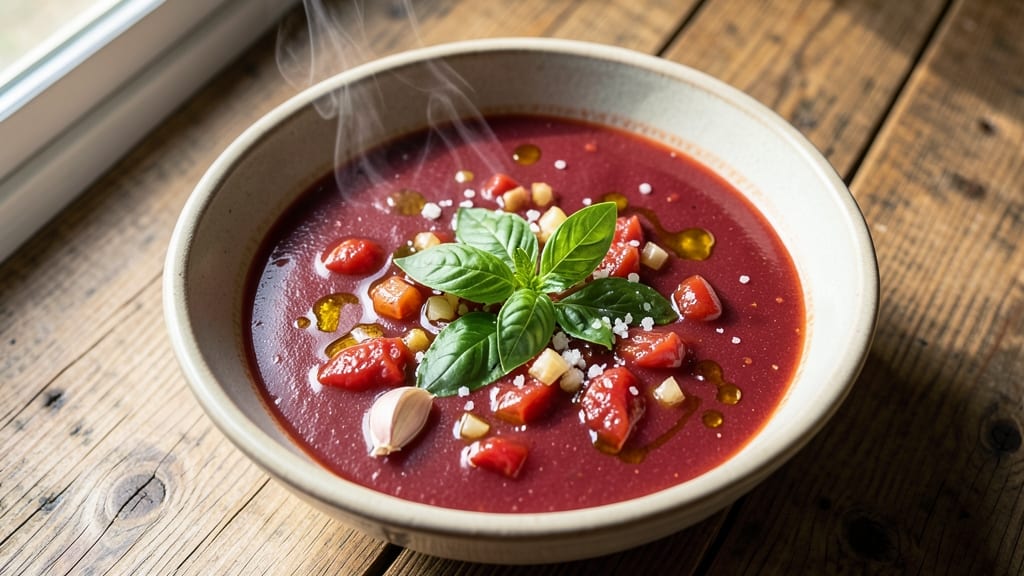
Barefoot Contessa’s tomato basil soup delivers that perfect balance of creamy richness and bright, herbaceous freshness—exactly what you crave when you need comfort in a bowl. ✨ The secret lies in building flavor layer by layer, starting with sautéed aromatics that form the soul of the soup, then letting tomatoes simmer until their natural sweetness shines through.
This isn’t just another tomato soup; it’s the kind that makes you pause mid-sip and wonder how something so simple can taste this good.
The recipe hinges on a few professional techniques that elevate it beyond basic: first, cooking the onions and garlic until deeply caramelized (don’t rush this step!), then adding a splash of white wine to deglaze and brighten the base.
A blend of canned and fresh tomatoes ensures depth without bitterness, while fresh basil—added at the very end—infuses the soup with its signature aromatic punch. The result is velvety, fragrant, and perfectly balanced, with just enough creaminess to satisfy without feeling heavy.
What makes this version truly special is how it transforms simple pantry staples into something restaurant-worthy in just 25 minutes. The soup’s texture is silky-smooth, thanks to a quick blend that incorporates just enough cream to round out the acidity, while the basil keeps it vibrant and fresh.
Serve it with a sprinkle of fresh basil, a drizzle of good olive oil, and crusty bread on the side, and you’ve got a meal that feels like a warm hug on a chilly day.
This recipe is designed to be your go-to for weeknight dinners, potlucks, or cozy nights in—it’s foolproof, adaptable, and always impressive. The beauty of it? You can make it ahead and let the flavors deepen even more over time.
Let’s get started on creating that perfect bowl of tomato basil soup.
Ingredients for barefoot contessa tomato basil soup
Simple pantry staples and fresh herbs transform into velvety tomato basil soup perfection.
| Ingredient | Amount | Notes |
|---|---|---|
| Yellow Onion 🧅 | 1 whole | Diced finely for even cooking |
| Garlic Cloves 🧄 | 4 cloves | Minced for aromatic depth |
| Extra-Virgin Olive Oil 🫒 | ¼ cup | High quality, fruity flavor |
| Dry White Wine 🍷 | ¼ cup | Sauvignon Blanc preferred |
| Canned San Marzano Tomatoes 🍅 | 1 can | 28 oz, crushed by hand |
| Fresh Tomatoes 🍅 | 2 medium | Roma variety preferred |
| Heavy Cream 🥛 | ¼ cup | Full-fat for richness |
| Fresh Basil Leaves 🌿 | ½ cup | Packed, stems removed |
| Vegetable Broth 💧 | 2 cups | Low-sodium preferred |
| Salt 🧂 | 1 ½ tsp | Diamond Crystal preferred |
| Black Pepper 🌶️ | ½ tsp | Freshly ground |
| Sugar 🍚 | 1 tsp | Balances acidity |
The tomatoes make or break this soup. San Marzano cans are worth the splurge—they're sweeter and less acidic. For fresh tomatoes, Roma variety has fewer seeds and more flesh, which is ideal. I grab mine from Whole Foods when they're in season, but any firm, ripe tomatoes work. The basil? Fresh is non-negotiable—dried won't give you that signature aromatic punch. If you can't find fresh, skip it entirely rather than using dried. The onions and garlic? Cook them until deeply caramelized—that's where the soul of the soup lives. Don't rush this step, even if it takes 15 minutes.
No white wine? Substitute with extra vegetable broth—just add an extra splash of lemon juice for brightness. Short on fresh basil? Use half the amount of dried, but crush it between your fingers first to release the oils. The heavy cream can be swapped for coconut milk if you're avoiding dairy, though it'll taste slightly different. For a lighter version, reduce the cream to 2 tablespoons and add a splash of milk instead. The sugar is key for balancing the acidity—if your tomatoes are naturally sweet, you might skip it entirely. If you're using pre-crushed tomatoes, give them a quick stir to break up any clumps before adding to the pot.
This soup tastes even better the next day as the flavors meld. Store leftovers in an airtight container in the fridge for up to 5 days. For freezing, let it cool completely first, then portion into freezer-safe containers. It keeps for 3 months frozen. I always make a double batch—one for dinner, one for lunches the next week. The basil wilts fast, so store it in a jar of water like flowers. The broth and tomatoes can be prepped ahead too—just keep them separate until you're ready to cook.
Why You'll Love This Recipe
- No Chopping Hassle: I swear by this recipe because you only need to dice one onion and mince a few garlic cloves—no fancy prep, no peeling endless tomatoes. The San Marzano cans handle all the heavy lifting while you sip that white wine and pretend you’re in a Tuscan kitchen.
- Wine-Paired Magic: That splash of dry white wine isn’t just for show—it brightens the tomatoes and mellows the garlic into something velvety. Honestly, the first sip after simmering feels like a little reward for using actual olive oil instead of that sad bottled stuff.
- Lunch or Dinner Fix: Make it for a lazy Sunday brunch with crusty bread, or serve it chilled as a first course before your holiday roast. Between us, I’ve even microwaved leftovers straight into a mug on a Monday morning—still tasted like a restaurant dish.
- Pantry Goldmine: You’re using ingredients you already own (or should own) and canned tomatoes that last for months. I’ve made this soup for under $3 a serving, and the leftovers? Freeze them—next month’s you will thank you.
Step-by-step instructions for barefoot Contessa's tomato basil soup
Here's how to make this velvety, herb-forward soup that tastes like summer in a bowl.
🍳 Step 1: Sauté Aromatics Until Fragrant
Heat the 0.25 cup extra-virgin olive oil in a large pot over medium heat. Add the diced yellow onion and cook for 5 minutes until softened and translucent. Here's the thing—you want the onions to caramelize just slightly at the edges, but not brown. This adds sweetness without bitterness.
Add the minced garlic cloves and cook for another 30 seconds until fragrant. Watch closely—garlic burns quickly! Remove the pot from heat immediately if it starts to turn golden. The aroma should fill your kitchen—this is where all the magic begins. Let the garlic cool slightly before moving forward.
🍳 Step 2: Deglaze and Simmer the Tomatoes
Pour in the 0.25 cup dry white wine and scrape up all those delicious browned bits from the bottom of the pot. This deglazing step captures all the flavor you've built so far. Let the wine simmer for 2-3 minutes until reduced by half—you'll see it go from pale to concentrated.
Add the crushed canned San Marzano tomatoes (I like to crush them by hand for texture), 2 medium fresh tomatoes (chopped), 1.5 tsp salt, 0.5 tsp black pepper, and 1 tsp sugar. Bring to a gentle boil, then reduce heat to medium-low and let it simmer uncovered for 15 minutes. Stir occasionally—you'll notice the tomatoes break down into a smooth, rich base. This simmering step develops the deep, complex flavor that makes this soup special.
🥘 Step 3: Blend Until Silky Smooth
Use an immersion blender to purée the soup directly in the pot until completely smooth. I know it seems like a lot of blending, but trust me—this creates that luxurious, velvety texture we're after. If you prefer, you can transfer the soup to a countertop blender (working in batches) and then return it to the pot.
Once smooth, stir in the 2 cups vegetable broth and bring to a gentle simmer. Taste and adjust seasoning—you might need a bit more salt or pepper depending on your broth. This is where the soup starts to come together as something truly special. The broth dilutes the acidity while maintaining that rich tomato base.
🍳 Step 4: Finish with Cream and Fresh Herbs
Reduce heat to low and stir in the 0.25 cup heavy cream. Let it warm through for 2-3 minutes—just until it's heated through but not boiling. The cream should blend seamlessly, adding a luxurious richness without overpowering the tomato flavor. Here's where it gets fun—toss in the 0.5 cup fresh basil leaves and stir gently. Don't worry if they don't fully incorporate yet.
Simmer for another 5 minutes to let the basil infuse the soup. The leaves will soften slightly but still retain their vibrant color. If the soup looks too thick, add a splash of water or broth to reach your desired consistency. This is the moment that matters: the perfect balance of creamy, herby, and tangy flavors.
⏰ Step 5: Rest and Serve Warm
Remove the pot from heat and let the soup rest for 10 minutes. This resting period allows all the flavors to meld together beautifully. Give it a taste before serving—you might want to add a pinch more salt or a squeeze of lemon if you prefer more brightness.
Ladle the soup into bowls and garnish with additional fresh basil leaves. Serve immediately with crusty bread or grilled cheese for the ultimate comfort experience. The contrast of the warm, creamy soup with crispy bread is what makes this dish truly special. Enjoy while it's hot—every spoonful should feel like a warm hug on a chilly day.
Pro Tips For Making Barefoot Contessa Tomato Basil Soup
- SWEAT THE ONIONS: I learned this the hard way—don’t just chop the onions and toss them in. Take 3-4 minutes to cook them over medium-low heat until they’re soft, translucent, and just starting to turn golden at the edges. This builds flavor that’ll carry through the whole soup, especially when you add the wine later.
- SAUTÉ GARLIC LOW: After burning three batches of garlic, I finally figured out: low and slow is the way. Once the onions are cooked, reduce the heat to medium-low before adding the garlic. Stir constantly for 30 seconds max—just until it’s fragrant, not browned. Browned garlic turns bitter, and this soup doesn’t need that.
- DEGLAZE WITH PATIENCE: Skip the quick splash of wine and walk away. After the onions and garlic cook, pour in the white wine and let it simmer for 2-3 minutes until the liquid reduces by about half. This concentrates the flavor and cuts the acidity, so the tomatoes shine later. (Yes, even if you’re impatient like me.)
- BLITZ THE TOMATOES: Drain the San Marzano tomatoes thoroughly—don’t just shake the cans. Use a fine-mesh strainer or even a clean kitchen towel to soak up excess liquid before crushing them. This keeps the soup from being watery, especially if you’re using the full 28-ounce cans. Trust me, your future self will notice the difference.
Troubleshooting this recipe
Onions Too Bitter?
If your onions taste overly sharp or bitter after cooking, they likely weren’t caramelized enough. Increase cooking time to 10-15 minutes on medium-low heat, stirring occasionally. Use 1 yellow onion (not red or white) for the best balance of sweetness and texture. 🧅
Soup Too Acidic?
Excess acidity often comes from unripe tomatoes or overcooking. Balance it by adding ½ tsp sugar or 1 tsp honey while simmering. For extra depth, stir in 1 tsp tomato paste during the 15-minute simmer—it adds natural sweetness without altering texture.
Lumpy Texture?
Uneven blending usually happens when tomatoes aren’t fully broken down. Pulse the canned tomatoes in a blender before adding to the pot, or use an immersion blender on high for 30-45 seconds after simmering. For stubborn lumps, strain the soup through a fine-mesh sieve before blending again.
Basil Losing Flavor?
Fresh basil wilts quickly in hot soup. Add leaves only in the last 5 minutes of cooking, or stir them in right before serving. For extra aroma, muddle 2-3 leaves with a pinch of salt before adding to the pot.
Store remaining basil in a jar of water in the fridge to preserve freshness.
Too Thick or Gluey?
Overcooked tomatoes release excess pectin, creating a gluey consistency. Thin with ¼ cup vegetable broth or water, stirring constantly. For a silkier texture, blend again briefly or whisk in 1 tbsp cornstarch mixed with 2 tbsp water until smooth. Simmer for 2 minutes to thicken naturally.
Cream Separating?
Heavy cream can curdle if heated too quickly. Warm it separately in a small saucepan over low heat until steaming, then whisk it into the soup off the heat.
For extra stability, temper the cream by slowly mixing 1 tbsp soup into the cream before adding it back to the pot. 🥛
Nutrition facts
Frequently asked questions
Can I make this tomato basil soup without white wine?
Replace the 0.25 cup white wine with 0.25 cup vegetable broth plus 1 teaspoon lemon juice to maintain brightness. The acidity from the lemon mimics the wine's effect while keeping the flavor profile balanced. For extra depth, add 1 teaspoon tomato paste during the simmering step.
How do I adjust the consistency for a thicker or thinner soup?
For a thicker texture, simmer uncovered for an extra 5-10 minutes to reduce the liquid. If it becomes too gluey, blend again briefly or whisk in 1 tablespoon cornstarch mixed with 2 tablespoons water. For a thinner soup, stir in 2-4 tablespoons broth or water while reheating. The ideal consistency should coat a spoon lightly but still be easy to ladle.
What's the best way to store leftovers?
Let the soup cool completely, then transfer to an airtight container. It keeps in the fridge for up to 5 days. For freezing, portion into freezer-safe containers and store for 3 months. Thaw overnight in the refrigerator—never at room temperature. The flavors actually improve after resting, making it perfect for meal prep!
Can I use dried basil instead of fresh?
Fresh basil is ideal for that signature aromatic punch, but you can substitute with 1 tablespoon dried basil if needed. Crush it between your fingers first to release the oils, then add it during the final 5 minutes of simmering. Remember, dried herbs are more concentrated, so use about 1/3 the amount of fresh. For best results, add a pinch of salt with the dried basil to enhance flavor.
Why does my soup taste flat or bland?
Flat flavor usually comes from skipping the caramelization step or using low-quality ingredients.