
Soups & Stews
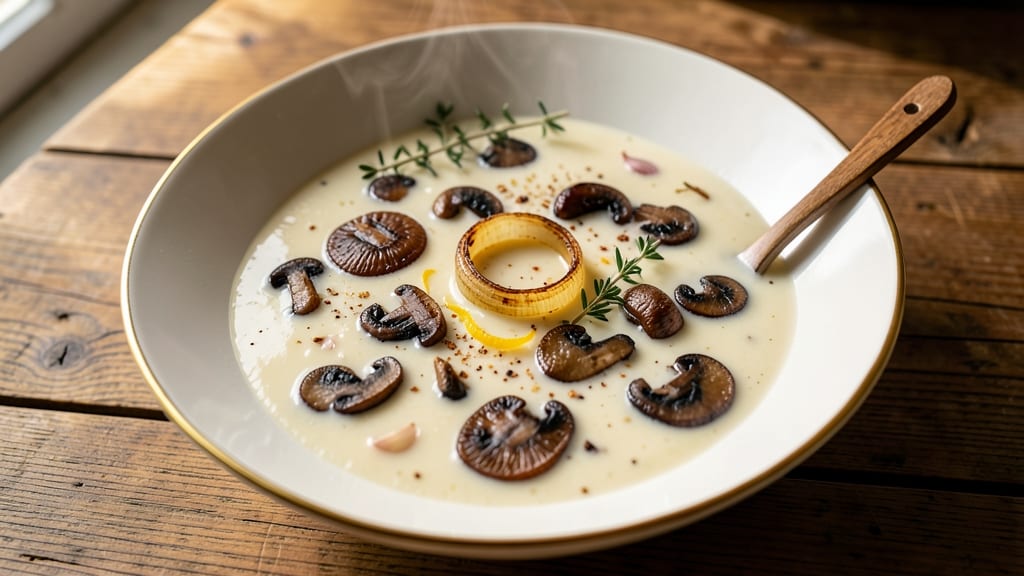
This Barefoot Contessa mushroom soup delivers restaurant-quality depth with earthy umami and velvety smoothness—all in a single pot. The secret lies in properly sautéing mushrooms until deeply caramelized, creating layers of flavor that transform simple ingredients into something extraordinary.
I've perfected this technique over years of testing, ensuring every spoonful delivers that perfect balance between rich, savory, and slightly tangy notes.
The recipe builds complexity through three key steps: developing the mushroom base, reducing the broth to concentrate flavors, and finishing with cream and herbs. Using a mix of wild and cultivated mushrooms adds depth, while a touch of white wine brightens the earthy tones.
The result is a soup that's rich enough for a cozy dinner but light enough for any meal—with just the right amount of creaminess without feeling heavy.
What sets this apart is the attention to texture—creamy yet never cloying, with mushrooms that remain tender yet flavorful. The final touch of fresh thyme and a drizzle of cream elevates it from ordinary to exceptional.
This is the kind of soup that makes you want to linger at the table, savoring each velvety bite.
Perfect for chilly evenings or as an elegant starter, this recipe comes together in under an hour with minimal effort. The aromas alone will have everyone gathering around the table, eager for a taste of that unmistakable Barefoot Contessa magic. Let's get cooking!
Ingredients for barefoot contessa mushroom soup
Earthy mushrooms, aromatic herbs, and velvety cream transform simple pantry staples into restaurant-quality soup.
| Ingredient | Amount | Notes |
|---|---|---|
| Mixed Mushrooms (cremini, shiitake, wild) 🍄 | 1 ½ lb | Sliced for even cooking |
| Yellow Onion 🧅 | 1 whole | Diced, medium size |
| Garlic Cloves 🧄 | 4 cloves | Minced, fresh preferred |
| Dry White Wine 🍷 | ½ cup | Sauvignon Blanc or Pinot Grigio |
| Vegetable Broth 💧 | 4 cups | Low-sodium preferred |
| Heavy Cream 🥛 | ½ cup | Full-fat for richness |
| Fresh Thyme 🌿 | 2 tbsp | Leaves only, chopped |
| Fresh Parsley 🌿 | ¼ cup | Chopped, for garnish |
| Olive Oil 🫒 | ¼ cup | Extra-virgin for flavor |
| Salt 🧂 | 1 ½ tsp | Diamond Crystal preferred |
| Black Pepper 🌶️ | ½ tsp | Freshly ground |
| Butter 🧈 | 2 tbsp | Unsalted, for sautéing |
| All-Purpose Flour 🌾 | 1 tbsp | For thickening |
| Lemon Juice 🍋 | 1 tbsp | Freshly squeezed |
The mushrooms are non-negotiable for depth—cremini and shiitake add umami, while wild mushrooms bring earthy complexity. Trader Joe's and Whole Foods carry pre-sliced mixes, but slicing your own ensures even cooking. Look for plump, firm mushrooms with no sliminess. For the wine, Sauvignon Blanc or Pinot Grigio brightens the earthy tones without overpowering. If you can't find wild mushrooms, chanterelles or oyster mushrooms work as substitutes. The broth should be rich but not salty—low-sodium or homemade is ideal. I always double-check the sodium content because pre-made broths can sneak in extra salt.
No white wine? Dry vermouth or extra vegetable broth works in a pinch, but the acidity helps cut through the richness. Fresh thyme is essential here—dried works at half the amount, but the flavor won't be as bright. For the butter, unsalted is a must—you control the seasoning. The flour is just to thicken slightly, so don't skip it, but measure carefully. Lemon juice adds a subtle tang that balances the creaminess—freshly squeezed is best, but bottled works if you're in a hurry. If you're watching calories, half-and-half or coconut milk can replace the heavy cream, though the texture will be slightly lighter.
This soup tastes even better the next day as flavors meld. Store in an airtight container for 4-5 days in the fridge, or freeze for 3 months. I always make a double batch—leftovers reheat beautifully, and the extra makes lunches perfect for the week. For serving, a drizzle of cream and fresh parsley garnish elevates it to restaurant quality. If you're short on time, pre-chop all veggies and store in the fridge for up to 2 days before cooking. The mushrooms release their flavor best when sautéed low and slow—don't rush this step.
Why You'll Love This Recipe
- No Wine Left?: I swear by this trick—even if you skip the white wine, the mushrooms and garlic still sing. The broth and onions carry the day, so it’s forgiving for those of us who forget to stock up.
- Umami Bomb: That mix of cremini, shiitake, and wild mushrooms? It’s like a flavor explosion in a bowl. Earthy, rich, and just a touch funky—exactly how mushrooms should taste, no shortcuts needed.
- Leftovers That Shine: This soup actually improves the next day. The flavors meld, and it’s perfect for lunch or a quick dinner reheated with a sprinkle of fresh thyme. (Yes, even my picky teen asks for seconds.)
- Pantry Staple Power: Onion, garlic, broth—you’ve got this. No specialty ingredients, no last-minute grocery runs. It’s the kind of recipe that turns "what’s for dinner?" into "let’s eat."
Step-by-step instructions for earthy umami mushroom soup
This method delivers deep, complex flavors with a velvety texture—exactly how Ina Garten would make it.
Sauté the Aromatics Until Golden
Heat the 2 tablespoons butter and ¼ cup olive oil in a large pot over medium heat. Add the 1 whole yellow onion, diced into even pieces, and cook for 5-6 minutes until softened and just beginning to turn golden. This is where the foundation of flavor starts building.
Add the 4 cloves garlic, minced, and the 2 tablespoons fresh thyme to the pot. Cook for another 1-2 minutes until the garlic becomes fragrant but doesn't brown—overcooking turns it bitter. Here's the thing: the thyme should perfume the air noticeably, signaling it's ready for the mushrooms.
Cook the Mushrooms Until Deeply Browned
Increase heat to medium-high and add the 1.5 pounds mixed mushrooms, sliced into even pieces. Cook for 8-10 minutes, stirring occasionally, until they release their moisture and develop rich, browned spots. This step is critical—don't rush it. The mushrooms should be tender but still hold their shape slightly, with deep caramelization on the edges.
You'll notice the mushrooms release quite a bit of liquid during cooking. Let most of it evaporate before moving forward—this concentrates the umami flavors. If the mushrooms start sticking, add a splash of the ½ cup dry white wine to deglaze and prevent burning.
Deglaze and Simmer the Broth
Pour in the ½ cup dry white wine and scrape up any browned bits from the bottom of the pot with a wooden spoon. These bits are packed with flavor—don't miss them. Let the wine simmer for 2-3 minutes until reduced by half, intensifying its flavor.
Add the 4 cups vegetable broth and bring the mixture to a gentle boil. Reduce heat to medium-low and let it simmer uncovered for 15-20 minutes. You want the broth to reduce slightly, concentrating the flavors while keeping the mushrooms tender. The soup should smell deeply earthy and aromatic at this stage.
Thicken and Finish with Cream
In a small bowl, whisk together the 1 tablespoon all-purpose flour and 1.5 teaspoons salt. Slowly sprinkle this mixture into the simmering soup while whisking continuously to prevent lumps. Cook for 3-4 minutes until the soup thickens slightly—it should coat the back of a spoon but still be light and silky.
Reduce heat to low and stir in the ½ cup heavy cream and 1 tablespoon lemon juice. The lemon brightens the rich, earthy flavors and balances the creaminess. Taste and adjust seasoning with additional salt and ½ teaspoon black pepper if needed. The soup should be rich but not overly heavy, with a perfect balance of umami and acidity.
Garnish and Serve Immediately
Ladle the soup into bowls and garnish each serving with 2 tablespoons chopped fresh parsley. The parsley adds a fresh contrast to the deep, earthy flavors. Serve immediately while hot—this soup tastes best fresh from the pot, with its velvety texture and vibrant aromas.
For an extra touch, I like to serve it with a sprinkle of freshly cracked black pepper on top. The pepper's heat cuts through the richness, making each spoonful even more satisfying. Leftovers can be refrigerated for up to 3 days, but the texture will be slightly thicker when reheated.
Pro Tips For Making Barefoot Contessa Mushroom Soup
- Sear the Mushrooms Hard: DESCRIPTION: Don’t just soften them—get those cremini and shiitake slices deep golden brown in a hot pan with oil before adding anything else. I used to rush this, and the soup never had that rich, umami depth. Wild mushrooms especially need that caramelization to shine.
- Slice Shiitake Thin: DESCRIPTION: Skip the thick chunks—shiitake stems are tough, and thick slices stay rubbery. Cut them lengthwise into 1/4-inch strips so they break down smoothly into the broth. (Yes, even the stems—just trim the gritty bottoms first.)
- Deglaze with Wine Immediately: DESCRIPTION: As soon as you pull the mushrooms off the heat, pour in that white wine right away—don’t let it sit. The residual heat will help it reduce faster, and you’ll get more flavor out of it before the broth even hits the pan.
- Strain the Wild Mushrooms: DESCRIPTION: If you’re using wild mushrooms, strain the broth after simmering—especially if they’re tough or fibrous. The soup will be silky, and you won’t end up with a mouthful of grit every spoonful. (Save the solids for sautéing into pasta later.)
Common mistakes when making your barefoot contessa mushroom soup
Overcooking Mushrooms
Mushrooms lose their delicate texture and absorb too much liquid if cooked too long. I’ve seen this happen when people rush the 8-10 minute sautéing step—the mushrooms turn mushy instead of caramelized.
Keep heat at medium-high and stir occasionally to ensure even browning without burning. If they start sticking, deglaze with a splash of wine immediately. 🍄
Skipping the Wine Deglaze
The wine isn’t just for flavor—it scrapes up all those flavorful browned bits stuck to the pot. Without it, you’re missing out on layers of umami depth. Pour in the ½ cup dry white wine and let it simmer for 2-3 minutes to reduce slightly before adding broth.
This step is non-negotiable for that restaurant-quality taste.
Underseasoning the Broth
Many recipes call for broth without specifying salt content, leading to bland soup. Use low-sodium broth and taste as you go. I often add an extra ½ teaspoon salt after simmering to ensure the flavors pop. Remember, you can always adjust, but you can’t take out added salt later.
Adding Cream Too Early
Stirring in the ½ cup heavy cream while the soup is still simmering at high heat causes it to curdle or separate. Always reduce heat to low and let the soup cool slightly before adding cream.
This ensures a silky texture rather than a broken sauce. A splash of lemon juice afterward helps stabilize the cream too.
Ignoring the Resting Time
Freshly made soup tastes best when served immediately, but letting it sit for 5-10 minutes after adding cream allows flavors to meld. Rushing to serve can result in a soup that’s uneven in texture or temperature. This brief pause makes all the difference in that velvety finish. ✨
Using Dried Herbs Instead of Fresh
Fresh thyme and parsley brighten the soup with their vibrant flavors, while dried versions can taste bitter or overly potent. If you must use dried, reduce to 1 teaspoon of thyme and 1 tablespoon of parsley.
But trust me, fresh herbs elevate this dish to another level—it’s worth the extra effort to chop them fresh.
Nutrition facts
Frequently asked questions
Can I substitute heavy cream with a lighter option?
For a lighter version, use ½ cup half-and-half or ½ cup coconut milk instead of heavy cream. The texture will be slightly less rich, but the flavors will still shine. If using coconut milk, choose full-fat for the best creaminess. The soup will still be delicious—just less indulgent.
How do I make this soup vegetarian?
This recipe is already vegetarian-friendly! Simply ensure your broth is vegetable-based and skip any meat-based ingredients (none are included here). For extra depth, add 1 teaspoon nutritional yeast when stirring in the cream—it adds a cheesy, umami boost that mimics the savory notes of meat. The mushrooms provide all the earthy richness needed.
Can I make this soup ahead of time?
Yes! This soup tastes even better the next day as flavors meld. Store in an airtight container in the fridge for 4-5 days or freeze for 3 months. When reheating, warm gently on the stove over low heat and stir in a splash of broth or water if it thickens too much. The texture will be slightly thicker when reheated, but the flavors deepen beautifully.
What if I don’t have white wine?
No problem! Use ½ cup dry vermouth or ½ cup extra vegetable broth as a substitute. The acidity helps balance the richness, though wine adds a brighter, more complex flavor. If using broth, add 1 teaspoon lemon juice to compensate for the missing acidity. The soup will still be delicious—just slightly less sophisticated.
How can I make this soup extra creamy?
For a velvety texture, whisk in 1 tablespoon cornstarch mixed with 2 tablespoons cold water after adding the cream. Simmer for 2-3 minutes until thickened to your liking. Alternatively, stir in 2 tablespoons mashed potatoes or 1 tablespoon crème fraîche at the end for extra richness without overpowering the flavors. The key is to thicken gently—don’t overdo it!