
Soups & Stews
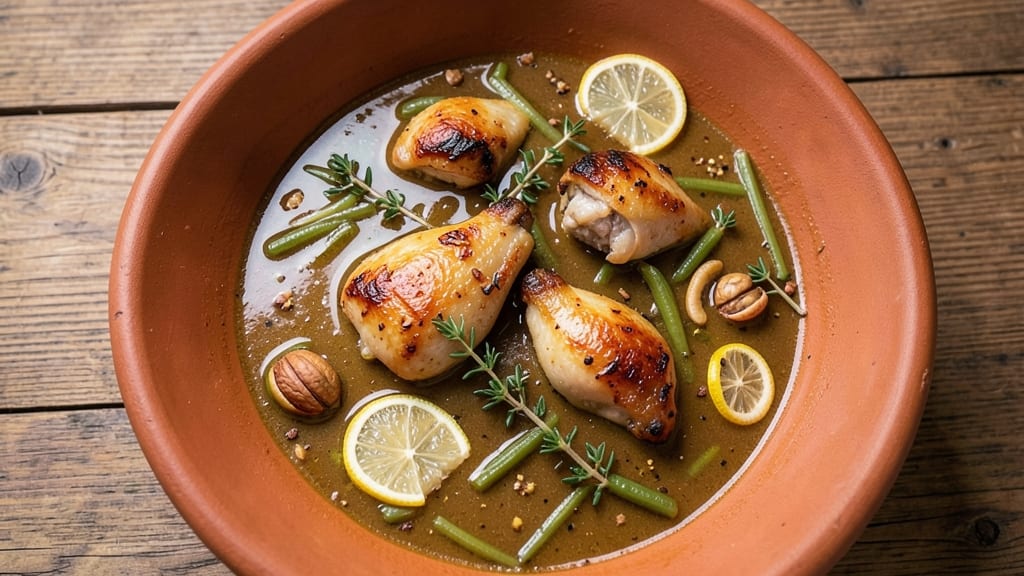
This Banga soup recipe Cameroon brings the heart of West African cuisine to your kitchen with its signature smoky palm oil and rich okra broth. 🌟 The dish is a staple in Cameroon, where it's traditionally served with fufu, plantains, or rice—a meal that's as comforting as it is flavorful.
What makes Banga special is the combination of tender meat or fish, palm nuts, and a blend of spices that create a depth of flavor you won't find anywhere else.
The foundation of Banga lies in its palm oil base, which gives the soup its distinctive reddish hue and rich, slightly smoky taste. I've perfected a method that balances the natural bitterness of okra with the earthy warmth of palm nuts and spices like thyme and ginger.
This recipe delivers a soup that's hearty, aromatic, and full of the kind of complexity that makes it a centerpiece for any meal.
What you'll end up with is a Banga soup that's deeply flavorful, with tender meat or fish swimming in a velvety broth infused with palm oil and spices.
The okra adds a subtle sliminess that's characteristic of Banga, while the palm nuts contribute a nutty richness that rounds out the dish. This is the kind of soup that warms the soul and brings a taste of Cameroon to your table.
Whether you're serving it with fufu, plantains, or rice, this Banga soup is a celebration of Cameroonian cuisine. The recipe is designed to be authentic, using traditional ingredients and techniques that have been passed down through generations. Let's get started on creating this iconic dish.
Ingredients for banga soup recipe cameroon
Palm oil, okra, and chicken thighs—these are the heart of Cameroon's iconic Banga soup.
| Ingredient | Amount | Notes |
|---|---|---|
| Palm Oil 🫒 | ½ cup | Reddish, smoky variety preferred |
| Okra 🌱 | 1 ½ lb | Fresh, trimmed and sliced |
| Palm Nuts 🌰 | 1 cup | Toasted and shelled |
| Chicken Thighs 🍗 | 2 lb | Bone-in, skin-on preferred |
| Fresh Thyme 🌿 | ¼ cup | Stems removed, chopped |
| Fresh Ginger 🧄 | 2 tbsp | Grated, fresh preferred |
| Scotch Bonnet Peppers 🌶️ | 2 whole | Seeds removed for mild heat |
| Onions 🧅 | 2 whole | Yellow or red, chopped |
| Garlic Cloves 🧄 | 6 cloves | Peeled and minced |
| Tomato Paste 🍅 | ½ cup | High-quality, no sugar added |
| Chicken or Vegetable Broth 💧 | 4 cups | Homemade or quality store-bought |
| Salt 🧂 | 1 ½ tsp | Adjust to taste |
| Black Pepper 🌶️ | ½ tsp | Freshly ground preferred |
| Bay Leaves 🌿 | 2 whole | Fresh or dried |
| Fresh Parsley 🌿 | ¼ cup | Chopped, for garnish |
The palm oil is non-negotiable here—it’s what gives Banga its signature reddish hue and smoky depth. African markets or specialty stores usually carry the best quality, but if you're in a pinch, West African grocery stores like those in Brooklyn or London often stock it. Look for a deep red color and a rich, slightly bitter aroma. The okra should be firm and bright green—avoid anything slimy or discolored. For the palm nuts, toast them lightly before using to bring out their nutty flavor. If you can't find palm nuts, cashews or peanuts can work in a pinch, though they won't be as authentic.
No palm oil? Substitute with a mix of vegetable oil and a pinch of smoked paprika—it won’t taste the same, but it’ll get you close. Fresh thyme is ideal, but dried thyme at half the amount works if you're short on time. The Scotch bonnet peppers add heat, but if you prefer something milder, jalapeños or even bell peppers will do. For the broth, homemade is best, but a good-quality store-bought chicken or vegetable broth will work. Just avoid anything with added MSG or preservatives. The tomato paste adds body, so don’t skip it—San Marzano is my go-to, but any high-quality brand will do.
This soup tastes even better the next day as the flavors meld. Store it in an airtight container in the fridge for up to 4-5 days. If you're making it ahead, cool it quickly in an ice bath to prevent bacterial growth. For leftovers, reheat gently on the stove—never microwave, as it can make the okra mushy. Garnish with fresh parsley just before serving to keep it vibrant. Freezes well for up to 3 months, though the okra might get slightly softer after thawing.
Why You'll Love This Recipe
- I’ll be real: it’s my go-to when I’ve got friends over or just need something hearty for lunch. The flavors only get better the next day, so it’s perfect for meal prep. Plus, the leftovers reheat like a dream—no soggy soup here.
- One-Pot Magic: Honestly, this soup comes together in the same pot—no chopping boards full of scraps to clean. You brown the chicken, toss in the okra and thyme, then let the palm oil and nuts do their thing. Minimal effort, maximum reward.
- Rich Without Guilt: Between us, that deep palm oil color and nutty crunch from the palm nuts make it taste like a restaurant dish. The okra adds a satisfying thickness without needing heavy cream, and the chicken thighs stay juicy—no dry bites here.
- Weeknight to Sunday Table: I’ll be real: it’s my go-to when I’ve got friends over or just need something hearty for lunch. The flavors only get better the next day, so it’s perfect for meal prep. Plus, the leftovers reheat like a dream—no soggy soup here.
Step-by-step instructions for Banga soup Cameroon
Here's how to make this rich, smoky West African classic with perfect texture and depth.
🔥 Step 1: Toast the Palm Nuts for Maximum Flavor
Heat a dry skillet over medium heat and add the 1 cup palm nuts. Toast them for 3-4 minutes, stirring constantly until they turn a deep golden brown and smell nutty. This step is crucial—it enhances their natural flavor and removes any bitterness. Watch them closely so they don't burn; you want them fragrant and aromatic, not smoky.
Transfer the toasted palm nuts to a bowl and set aside. I like to crush them lightly with a rolling pin or mortar and pestle after toasting—this releases even more flavor when we add them to the soup later. Keep them nearby as we'll need them in the next step.
🍳 Step 2: Sauté the Aromatics in Smoky Palm Oil
In a large pot, heat the 0.5 cup palm oil over medium-low heat until it shimmers but doesn't smoke. Add the 2 whole onions and cook for 5 minutes until they soften and begin to caramelize slightly. This slow cooking develops their sweetness without burning.
Add the 6 cloves garlic cloves and 2 tbsp fresh ginger and cook for another 1-2 minutes until fragrant. Here's the thing—don't let the garlic brown or it'll turn bitter. Now add the 2 whole Scotch bonnet peppers (seeds removed) and cook for 30 seconds just to infuse their heat. Remove from heat and set aside with the onions.
🍳 Step 3: Build the Soup Base with Okra and Tomato
In the same pot, add the 1.5 lb okra (trimmed and sliced) and cook for 5 minutes over medium heat, stirring occasionally. The okra will release its natural sliminess, which thickens the soup beautifully. Add the 0.5 cup tomato paste and cook for another 2 minutes until it darkens slightly and blends with the okra.
Pour in the 4 cups chicken or vegetable broth and bring to a gentle boil. Add the 2 whole bay leaves, 1.5 tsp salt, and 0.5 tsp black pepper. Stir in the toasted palm nuts and the sautéed onions mixture. Let this simmer for 15 minutes uncovered, stirring occasionally. You'll see the soup thicken naturally as the okra works its magic.
🔪 Step 4: Cook the Chicken to Perfect Tenderness
Add the 2 lb chicken thighs (bone-in, skin-on) to the simmering soup. Partially cover the pot and cook for 30-35 minutes over medium-low heat. The chicken is done when it's fork-tender and easily separates from the bone. I check by piercing the thickest part—it should feel firm but still slightly springy.
Here's a pro tip: If the soup starts to reduce too much, add a splash of water or broth. You want it thick and rich, but not so concentrated that it's gluey. Remove the chicken from the pot and set it aside on a plate, leaving the broth to continue simmering for another 5 minutes to meld all the flavors.
🥘 Step 5: Finish with Fresh Herbs and Serve
Return the chicken to the pot and stir in the 0.25 cup fresh thyme and 0.25 cup fresh parsley. Taste and adjust the seasoning—you might need a little more salt depending on your broth. The soup should be rich, slightly spicy, and deeply flavorful with that signature okra texture.
Serve immediately with fufu or attiéké (semolina couscous) to soak up all that delicious broth. Each bite should deliver tender chicken, creamy okra, nutty palm nuts, and that unmistakable smoky palm oil richness. Don't forget to garnish with extra parsley for freshness!
Pro Tips For Making Banga Soup Recipe Cameroon
- STIR CONSTANTLY FIRST 10 MINUTES: Palm oil burns faster than you think—especially when it hits 350°F. I learned this the hard way after walking away for "just a second" and coming back to smoke. Keep that wooden spoon moving until the oil is fully melted and the chicken has released its first golden crust. (Yes, even if you're impatient like me.)
- SLICE PALM NUTS THIN: Thick chunks of palm nut turn to mush and make the soup grainy. Use a sharp knife and cut them as thin as you can—almost like shaving them off the shell. If you're lazy (I know, I've been there), pulse them briefly in a food processor first, then finish by hand for texture.
- DON’T BOIL THE OKRA: Raw okra in hot oil is a recipe for slimy soup. Blanch the okra for 2 minutes in boiling water first, then shock it in ice water. This firms it up and keeps the soup from turning into glue. (Your future self will thank you when you’re not fishing out strings later.)
- SAVE TIME WITH FROZEN THYME: Fresh thyme is great, but if you’re short on time, frozen works just as well—no need to chop. Just toss a tablespoon of the frozen leaves directly into the oil with the chicken. It’ll thaw and infuse without extra effort. (Does it look weird? Yes. Does it work? Every single time.)
Flavor customization for this banga soup recipe cameroon
Spice Level Control
Adjust heat with care—the Scotch bonnet peppers are the soul of Banga's fire! For a mild version, remove seeds and membranes, then slice them thinly before cooking. I like to add 1 whole pepper for subtle warmth or 2 whole peppers for authentic spice.
If you prefer extra heat, keep seeds in and add ½ tsp cayenne at the end. 🌶️
Protein Swaps
Banga isn't just chicken territory! For fish Banga, use 2 lbs firm white fish (like tilapia or cod) and cook for 12-15 minutes instead of chicken.
For vegetarian Banga, replace meat with 1 lb smoked tofu or 2 cups chickpeas, adding them in the final 10 minutes of simmering. 🌱
Okra Texture Variations
Want creamy okra? Pulse ½ lb okra in a food processor before adding to the pot. Prefer chunky texture? Keep okra whole and add it last (5 minutes before serving).
For extra richness, blend ¼ cup of the cooked okra into the broth at the end—this creates a velvety consistency. 🥗
Smoky Depth Boosters
Enhance that palm oil smokiness by adding 1 tbsp smoked paprika when sautéing onions or 1 tsp liquid smoke (just ½ tsp) to the finished soup. For extra umami, stir in 1 tbsp soy sauce or 1 tsp fish sauce at the end.
These tweaks deepen the soup's complexity without overpowering it. 💫
Nutty Variations
Swap palm nuts for peanut butter (2 tbsp) blended with 2 tbsp water for a peanut Banga twist. Or try cashew butter (2 tbsp) for a richer, creamier texture. For nut-free, add 2 tbsp tahini instead—it adds earthiness without nuts. Toast all alternatives until fragrant before adding. 🌰
Herb Infusions
Boost freshness with cilantro (swap parsley) for a brighter flavor or add 1 tbsp fresh basil at the end. For earthy depth, include 1 sprig rosemary when simmering. I often mix ½ thyme + ½ parsley for balance. Herbs should be added last to preserve their vibrant notes. 🌿
Nutrition facts
Frequently asked questions
What makes Banga soup different from other West African soups?
Banga stands out with its unique combination of okra and palm nuts that create a creamy yet slightly slimy texture. Unlike soups like Egusi or Jollof, Banga uses palm oil for its signature reddish color and smoky depth, plus Scotch bonnet peppers for authentic heat. The dish also traditionally pairs with fufu or attiéké, making it a complete meal.
Can I make Banga soup without palm oil?
While palm oil is traditional, you can substitute with vegetable oil plus 1 tbsp smoked paprika for smokiness. For color, add 1 tsp beet powder or 1 tbsp tomato paste extra. The flavor won't be identical, but it'll still be delicious. For authenticity, seek out African markets where palm oil is often sold.
How do I prevent the okra from getting too slimy?
Cook the okra for only 5 minutes before adding other ingredients, and keep the heat at medium. For less sliminess, use frozen okra (thawed) or blanch whole okra pods for 2 minutes before slicing. Adding the okra last (5 minutes before serving) also helps maintain texture.
What's the best way to serve Banga soup?
Banga is traditionally served with fufu (pounded cassava/yam dough), attiéké (semolina couscous), or white rice. For extra authenticity, add fried plantains or garri (fermented cassava flakes) on the side. The starchy accompaniment helps balance the rich, spicy broth.
Can I make Banga soup ahead of time?
Yes! Banga tastes even better the next day as flavors meld. Store in an airtight container in the fridge for 4-5 days. Reheat gently on the stove—never microwave as it can make the okra mushy. For freezing, cool quickly in an ice bath first, then freeze for up to 3 months. Thaw overnight in the fridge before reheating.