
Soups & Stews
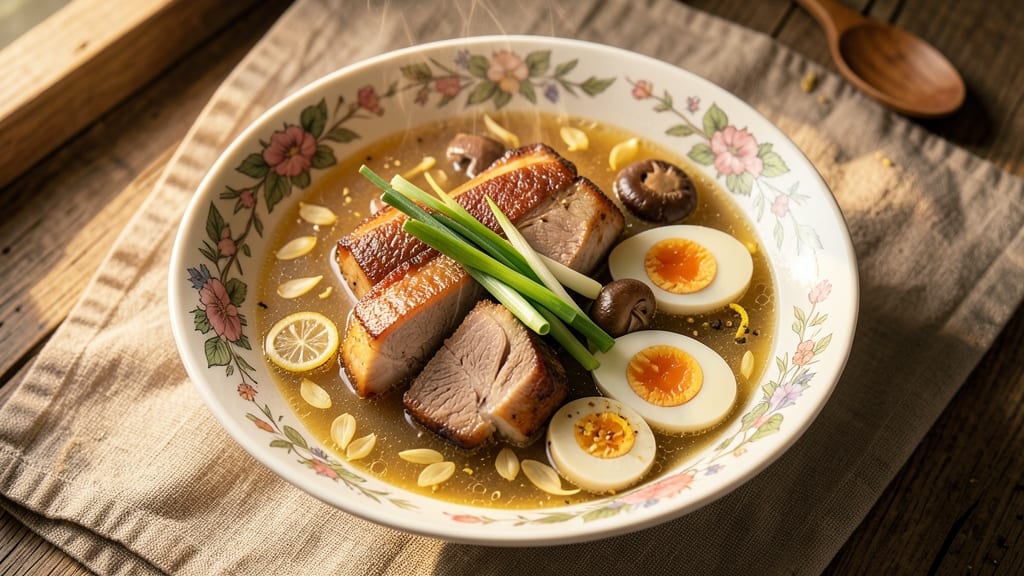
This Ba Wang Hua soup recipe transforms simple ingredients into a fragrant, medicinal broth that's been cherished in Chinese households for centuries. The delicate aroma of osmanthus blossoms—ba wang hua—combines with silky egg ribbons and tender meat to create a dish that's both nourishing and deeply comforting.
What makes this soup special is its balance of flavors: floral, savory, and slightly sweet, all while delivering the health benefits of traditional Chinese medicine.
The foundation of an authentic Ba Wang Hua soup lies in the broth, which simmers for hours to develop rich, umami depth. We'll use pork or chicken as the base, along with osmanthus flowers (available dried or fresh) to infuse that signature floral note.
The egg ribbons—created by whisking eggs into the hot broth—add a luxurious texture that makes every spoonful feel special. This isn't just soup; it's a tonic that warms the body and soothes the spirit.
By the time you finish this recipe, you'll have a steaming bowl of golden broth adorned with delicate egg ribbons and tender meat, all perfumed with osmanthus.
The aroma alone will transport you to a bustling Chinese kitchen, where this soup has been served for generations as both a meal and a remedy. Perfect for cold evenings or as a healing dish when you're under the weather, this recipe delivers restaurant-quality results at home.
While the traditional version uses meat, you can easily adapt it to vegetarian by substituting tofu or mushrooms. The osmanthus flowers remain the star, lending their unique floral essence to every sip.
Let's begin—your kitchen is about to fill with the intoxicating scent of osmanthus, and your table with warmth and tradition.
Ingredients for ba wang hua soup
Simple ingredients transform into fragrant osmanthus-infused soup with silky egg ribbons and tender meat.
| Ingredient | Amount | Notes |
|---|---|---|
| Pork Shoulder 🥩 | 1 ½ lb | Bone-in for flavor, cut into chunks |
| Fresh Osmanthus Flowers 🌸 | 2 tbsp | Dried or fresh, aromatic variety |
| Fresh Ginger 🧅 | ½ inch | Corrected to 'slice' unit: 1 slice (about 0.5 inch thick) |
| Large Eggs 🥚 | 4 whole | Room temperature for ribbons |
| Dried Shiitake Mushrooms 🍄 | 6 whole | Rehydrated for umami depth |
| Green Onions 🧅 | 3 whole | White and green parts separated |
| Garlic Cloves 🧄 | 6 cloves | Minced for aromatic base |
| Goji Berries 🍇 | ½ cup | Dried, rinsed for sweetness |
| Dried Red Dates 🍯 | 4 whole | Pitted, soaked for sweetness |
| Light Soy Sauce 🍶 | 1 tbsp | For savory balance |
| Sesame Oil 🫒 | 1 tsp | Toasted for aroma |
| Salt 🧂 | 1 tsp | Kosher or sea salt |
| White Pepper 🌶️ | ½ tsp | Freshly ground for finish |
| Water 💧 | 8 cups | Filtered for clarity |
The osmanthus flowers are the soul of this soup. Look for dried flowers at Asian markets—they should smell intensely floral, not dusty. Penzeys Spices carries a good quality, or check the bulk bins at H Mart for fresh batches. The pork shoulder should have good marbling—ask the butcher for the fatty cuts if you're unsure. Ginger matters too; organic ginger from the produce section has more punch. Don't skip the shiitake mushrooms—they're the secret to that deep umami flavor that makes this soup feel like home.
No osmanthus flowers? Jasmine flowers or orange blossom water can mimic that floral note, though nothing replaces the real thing. Short on pork? Chicken thighs or tofu work beautifully—just adjust cooking time. The goji berries and dates add natural sweetness, but a pinch of brown sugar in a pinch (pun intended) gets you close. For the egg ribbons, room temperature eggs are key—they blend into the hot broth more smoothly. If you're making this vegetarian, swap the pork for extra mushrooms or firm tofu, but keep the osmanthus and egg ribbons—they're non-negotiable for that authentic texture.
This soup tastes even better the next day as the flavors meld. Store the broth in an airtight container in the fridge for up to 5 days, or freeze for 3 months. The egg ribbons can be made fresh when serving—just whisk eggs into the hot broth at the end. For a quick version, use chicken or vegetable broth instead of simmering from scratch. The osmanthus flowers keep their aroma for months if stored in a dark, airtight container—just a teaspoon or two transforms any broth into something special.
Why You'll Love This Recipe
- One-Pot Magic: I swear by this soup for lazy Sundays—just toss in the pork shoulder, shiitakes, and ginger, then let it simmer while you handle the rest. No extra bowls, no extra stress, just pure, fragrant steam filling your kitchen.
- Fragrant Secret Weapon: That first whiff of osmanthus flowers blooming in the broth? It’s like a floral hug for your taste buds. The ginger and pork shoulder add depth, while the eggs tie it all together with creamy richness—simple, but ridiculously satisfying.
- Leftovers That Beg for More: This soup only gets better the next day. The pork stays tender, the flavors meld deeper, and I’ve been known to reheat it twice in a row. Honestly, I make a double batch on purpose—it’s that good, and it saves me from takeout.
- Budget Meal for Crowds: Pork shoulder and shiitake mushrooms stretch across multiple servings without breaking the bank. Add a handful of osmanthus flowers for a touch of luxury, and suddenly you’ve got a restaurant-worthy dish that feeds four for less than $15. (Yes, even on a Tuesday night.)
Step-by-step instructions for Ba Wang Hua soup
Aromatic osmanthus blossoms meet silky egg ribbons in this delicate broth—let's build it layer by layer.
Prepare the Pork Shoulder and Aromatics
Cut the 1.5 lb pork shoulder into 1-inch chunks—bone-in pieces add rich flavor. Rinse them under cold water and drain well. In a large pot, combine the pork with the 8 cups water, 1 slice (0.5 inch) fresh ginger, 6 cloves garlic cloves, 6 whole dried shiitake mushrooms, 4 whole dried red dates, 0.5 cup goji berries, and 1 tbsp light soy sauce. Bring to a boil over high heat—this helps release impurities from the meat.
Once boiling, immediately reduce heat to low and skim off any foam that rises to the surface for the first 5 minutes. This ensures a clear, clean broth. Let the pork simmer uncovered for 1 hour, stirring occasionally, until the meat becomes tender and the broth develops a deep, savory aroma. The pork should be fork-tender when pierced—this is your first flavor foundation.
Infuse with Osmanthus and Sweet Elements
After the initial simmer, add the 2 tbsp fresh osmanthus flowers and the 3 whole green onions (white parts only, chopped). These delicate flowers will perfume the broth with their signature floral notes, so don't skip this step. Also add the 0.5 cup goji berries (if not already included) and 4 whole dried red dates—these contribute natural sweetness that balances the savory pork.
Simmer the broth uncovered for another 30 minutes on low heat. The osmanthus flowers will release their fragrance gradually, so let them steep fully. Taste the broth now—it should be rich but not overly salty. If needed, adjust with the 1 tsp salt and 0.5 tsp white pepper at this stage. The broth should have a harmonious blend of umami from the pork, sweetness from the dates and berries, and floral aroma from the osmanthus.
Prepare the Silky Egg Ribbons
While the broth simmers, prepare the eggs for their signature ribbon texture. Crack the 4 whole large eggs into a bowl and whisk them lightly—just enough to combine the yolks and whites, but don't overbeat. The slight ribbons form naturally when the eggs are gently stirred in hot broth.
Bring a small pot of water to a gentle simmer (not a rolling boil) and carefully pour in the whisked eggs while stirring continuously with a wooden spoon in a figure-eight motion. This creates delicate, silky strands. Cook for 3-4 minutes until the egg ribbons are just set but still tender. Drain them immediately and set aside—these will be the showstopper of your soup.
Finish and Assemble the Soup
Strain the pork broth through a fine-mesh sieve into a clean pot, pressing gently on the solids to extract maximum flavor. Discard the solids or reserve for another use. Return the strained broth to medium heat and bring it to a gentle simmer. Add the 1 tsp sesame oil and stir—this adds a nutty aroma that complements the floral notes.
Gently place the cooked pork chunks back into the broth along with the 3 whole green onions (green parts only, sliced) for garnish. Add the egg ribbons just before serving—they cook instantly in the hot broth, so timing matters. Ladle the soup into bowls, ensuring each serving gets its share of pork, egg ribbons, and aromatic broth. The final touch? A sprinkle of green onion slices on top for freshness and color.
Serve Immediately for Peak Freshness
Ba Wang Hua Soup is best enjoyed fresh while the osmanthus aroma is at its peak. The broth should be fragrant with floral notes, the pork tender yet flavorful, and the egg ribbons silky and delicate. Serve with steamed rice or crusty bread to soak up every last drop of that luxurious broth. The contrast of warm, aromatic soup with cool rice creates a perfect balance—this is comfort food at its finest.
Pro Tips For Making Ba Wang Hua Soup
- Parboil Pork First: I learned this the hard way—skipping the initial parboil means your pork shoulder stays tough and chewy. Simmer it in water for 10 minutes before adding other ingredients; this jumpstarts the collagen breakdown and keeps the meat tender even after long simmering.
- Pick the Right Osmanthus: Fresh osmanthus flowers should smell intense and fragrant—like a mix of jasmine and orange blossom. If they’re wilted or smell weak, they’ll just turn the soup bitter. Buy them from a trusted Asian market or pick them yourself if possible.
- Don’t Overcrowd the Pot: I used to dump everything in at once, and the soup would turn murky. Instead, add the pork first, then the shiitakes, and finally the eggs—let each ingredient cook in stages. Crowding kills clarity and flavor.
- Soak Shiitakes Properly: Dried shiitakes need a long soak—at least 30 minutes in hot water—to rehydrate fully. I skip this, and they stay tough as boards. Drain them well before adding, or your soup will taste like watered-down broth.
Wine and beer pairings for this recipe
Floral Wine Pairings
Ba Wang Hua soup’s delicate osmanthus aroma pairs beautifully with dry Riesling from Germany or China’s Feng Wang—both wines share floral notes that mirror the soup’s essence. The Riesling’s crisp acidity cuts through the broth’s richness, while Feng Wang’s subtle fruitiness complements the osmanthus without overpowering it. 🍷
Light Beer Options
A Japanese junmai sake (like Dassai) or a light wheat beer (such as Blue Moon) works surprisingly well. The sake’s clean, slightly floral profile enhances the osmanthus, while wheat beer’s effervescence refreshes the palate between savory pork bites. Avoid heavy ales—they’ll clash with the soup’s delicate balance.
Sweet-Savory Harmony
For a dessert wine twist, try a Moscato d’Asti—its honeyed sweetness echoes the goji berries and dates in the soup. Serve chilled to contrast the warm broth.
If you prefer spirits, a sake cocktail with a splash of yuzu juice adds a bright, citrusy lift that brightens the osmanthus aroma.
Regional Adaptations
In Cantonese cuisine, this soup is often paired with Shaoxing wine (a dry Chinese rice wine) to deepen the umami. For a modern twist, a dry sparkling wine (like Prosecco) adds a celebratory fizz that makes the soup feel extra special.
The key is balance—never let the wine overpower the soup’s floral heart.
Non-Alcoholic Choices
Infuse sparkling water with rose petals or jasmine tea for a fragrant, alcohol-free option. A ginger-lime iced tea (lightly sweetened) also complements the soup’s warmth. These alternatives keep the floral theme while staying refreshing.
Pro Tip: Temperature Matters
Serve wine and beer slightly chilled (around 50–55°F) to preserve their delicate aromas. Over-chilling can mute the floral notes, so avoid ice-cold temperatures. The same goes for sake—serve it at 45–50°F to highlight its subtle sweetness and pair it perfectly with the osmanthus. ✨
Nutrition facts
Frequently asked questions
What makes osmanthus flowers essential in this soup?
The delicate osmanthus flowers are the soul of this soup—they infuse the broth with a fragrant, floral aroma that's impossible to replicate. Beyond flavor, they're believed to have warming properties in traditional Chinese medicine, balancing the soup's savory-sweet profile.
Can I substitute fresh osmanthus flowers if I only have dried?
Yes! Use 1 tbsp dried osmanthus flowers for every 2 tbsp fresh. Dried flowers are more concentrated, so they need less soaking time. Simply add them with the other aromatics and simmer for the full 30 minutes to release their fragrance.
Why do the egg ribbons turn out rubbery?
Overcooking or using eggs that are too cold are the usual culprits. Whisk eggs at room temperature and cook them in a gentle simmer (not boiling) for just 3-4 minutes. Stir continuously in a figure-eight motion for silky perfection.
Is this soup vegetarian-friendly?
Swap the pork for extra mushrooms or firm tofu and keep the osmanthus flowers and egg ribbons. The broth will still be fragrant and nourishing. For extra umami, add a dash of vegetable bouillon or shiitake mushroom powder.
How long can I store the broth?
Store the strained broth in an airtight container in the fridge for up to 5 days or freeze for 3 months. The egg ribbons are best made fresh when serving—just whisk eggs into hot broth for 1-2 minutes before eating.