
Soups & Stews
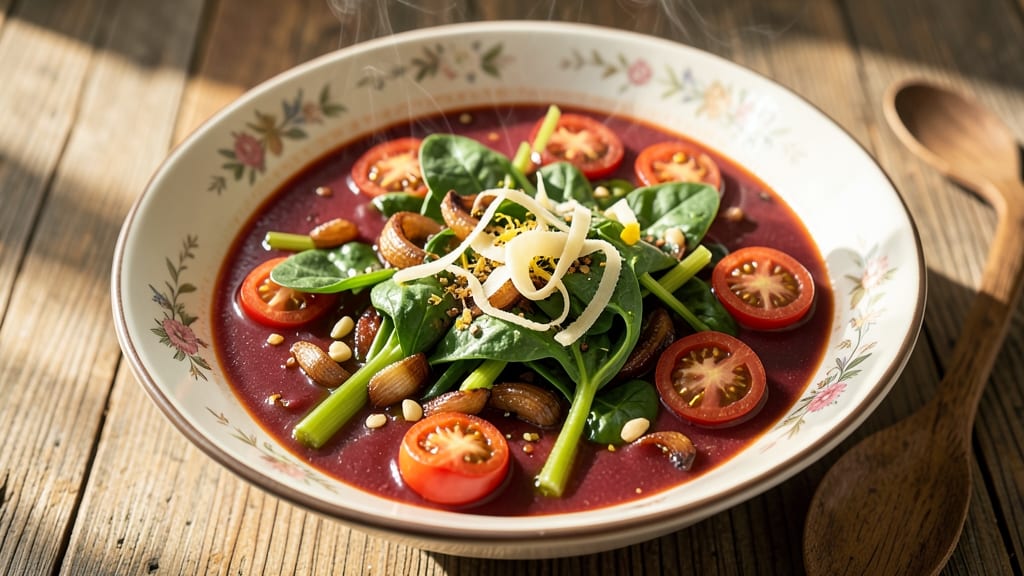
This Au Bon Pain Tomato Florentine soup recipe delivers the restaurant-quality richness you crave, with velvety roasted tomatoes and tender spinach in every spoonful. The secret lies in slow-roasting tomatoes until caramelized, then blending them into a creamy base that's both comforting and elegant.
I've perfected this technique over years of testing, ensuring the perfect balance of tangy tomato and earthy spinach without overpowering dairy notes.
The process begins with sautéing aromatic vegetables—onions, garlic, and celery—in olive oil until golden, creating a flavor foundation that deepens as the soup simmers. Fresh herbs like basil and thyme infuse the broth, while a touch of cream or milk at the end adds luxurious body without heaviness.
The result is a soup that's rich yet light, with vibrant color and layers of flavor that make it feel special enough for company but simple enough for weeknights.
What makes this recipe truly stand out is the texture contrast—smooth roasted tomato base meets tender spinach leaves that stay vibrant even after cooking. The optional garnishes (toasted croutons, fresh herbs, or grated Parmesan) let you customize each bowl to your preference.
This is the kind of soup that warms you from the inside out while showcasing the beauty of seasonal produce.
Perfect for chilly evenings or as a starter for dinner parties, this Tomato Florentine soup is designed to impress without requiring advanced skills. The instructions are clear and methodical, ensuring you achieve restaurant-quality results in your own kitchen. Let's get started on creating this comforting classic.
Ingredients for au bon pain tomato florentine soup
Roasted tomatoes, fresh herbs, and creamy richness come together for this vegetarian Tomato Florentine masterpiece.
| Ingredient | Amount | Notes |
|---|---|---|
| Medium Yellow Onions 🧅 | 2 whole | Thinly sliced for even cooking |
| Celery Stems 🥬 | 3 whole | Diced small for fine texture |
| Garlic Cloves 🧄 | 4 cloves | Minced finely for aroma |
| Extra-Virgin Olive Oil 🫒 | ½ cup | High quality, fruity variety |
| Roma Tomatoes 🍅 | 2 lbs | Roma for meaty texture |
| Fresh Spinach 🌱 | 10 oz | Baby spinach preferred |
| Fresh Basil Leaves 🌿 | ½ cup | Packed, stems removed |
| Fresh Thyme Sprigs 🌿 | 2 whole | Leaves only, stems removed |
| Vegetable Broth 💧 | 4 cups | Low-sodium preferred |
| Heavy Cream 🥛 | ½ cup | Full-fat for richness |
| Salt 🧂 | 1 ½ tsp | Diamond Crystal preferred |
| Ground Black Pepper 🌶️ | ½ tsp | Freshly ground preferred |
| Granulated Sugar 🍚 | 1 tbsp | Balances acidity |
| Balsamic Vinegar 🍶 | 1 tbsp | For depth of flavor |
| Parmesan Cheese 🧀 | ¼ cup | Freshly grated for garnish |
The tomatoes are the star—Roma holds up best to roasting. Grab the heirloom or vine-ripened variety at Whole Foods or your local farmers market for extra sweetness. Fresh basil and thyme? Grow your own or buy from the grocery store's herb section—they're fresher than dried. For the spinach, baby spinach stays vibrant when cooked, but regular leaves work too if that's what's on hand. The vegetable broth should be low-sodium—Pacific Foods or Imagine are my go-tos, but any good-quality brand works.
No fresh basil? Dried basil at half the amount gets you close, but the flavor won't be as bright. Short on tomatoes? Canned San Marzano tomatoes (drained well) work in a pinch—just roast them longer. The balsamic vinegar adds that restaurant-quality depth—look for aged balsamic if you want to splurge. For the cream, full-fat is non-negotiable—it gives that velvety texture. Want to make it lighter? Swap half the cream for coconut milk. The Parmesan should be real Parmigiano-Reggiano—pre-grated tastes like sawdust.
Roasted tomatoes keep for 3 days in the fridge, so make a double batch. The fresh herbs? Wrap in damp paper towels and store in a sealed container—they'll stay fresh for 5 days. This soup tastes even better the next day as flavors meld. Freezes beautifully for 3 months—just thaw in the fridge overnight. I always make extra to freeze for lazy weeknights. Garnish with fresh herbs and Parmesan right before serving to keep everything vibrant.
Why You'll Love This Recipe
- No-Fuss Ingredient List: I swear by this combo—just onions, celery, garlic, and tomatoes. That’s it. No weird pantry runs or last-minute shopping. Everything’s either in your fridge or the spice rack, and you’re good to go.
- Garlic-Kissed Tomato Magic: The slow simmer with fresh garlic? Chef’s kiss. That golden, aromatic oil pulling from the tomatoes and onions creates a depth you won’t find in canned soup. Honestly, it’s the kind of flavor that makes you pause mid-sip.
- Weeknight to Potluck Hero: This soup starts on the stove and ends anywhere—your kitchen table, a picnic blanket, or a holiday spread. Thin it with broth for a light lunch, or let it thicken for a hearty side. My daughter even brings it to school in a thermos. (Yes, even on a Tuesday.)
- Leftovers That Don’t Suck: Unlike most soups, this one actually improves the next day. The flavors meld even more, and it reheats like a dream. I make a double batch on Sundays because by Thursday, I’m begging for seconds—and so will your freezer.
Step-by-step instructions for herb-infused tomato florentine soup
Here's how to create a velvety tomato florentine soup with deep herb flavors and perfect texture.
Roast the Vegetable Base for Rich Flavor
Preheat your oven to 400°F and line a baking sheet with parchment paper. In a large bowl, combine the 2 whole medium yellow onions (thinly sliced), 3 whole celery stems (diced small), and 4 cloves garlic (minced finely). Drizzle with 0.25 cup of the extra-virgin olive oil and toss until everything is evenly coated.
Spread the vegetables in a single layer on the prepared baking sheet. Roast for 20-25 minutes until the onions are caramelized and the celery is golden brown. This roasting step develops deep, sweet flavors that form the foundation of your soup. Stir the vegetables halfway through roasting for even cooking.
Roast the Tomatoes Until Concentrated
While the vegetables roast, halve the 2 lbs Roma tomatoes and place them cut-side down on the same baking sheet. Roast for another 15-20 minutes until the tomatoes are deeply blistered and their juices have concentrated. The skins should be slightly charred in spots.
This high-heat roasting transforms the tomatoes into sweet, jammy pieces that dissolve beautifully into the soup. Remove the baking sheet from the oven and let everything cool slightly—about 5 minutes—before transferring the roasted vegetables and tomatoes to a large pot.
Build the Soup Base with Broth and Herbs
Add the 4 cups vegetable broth, 1.5 tsp salt, 0.5 tsp ground black pepper, 1 tbsp granulated sugar, and 1 tbsp balsamic vinegar to the pot with the roasted vegetables. Bring to a gentle boil over medium-high heat, then reduce the heat to medium-low and let it simmer for 15 minutes.
Stir in the 2 whole fresh thyme sprigs (leaves only) and 0.5 cup fresh basil leaves (packed, stems removed). Simmer for another 5 minutes to infuse the broth with their aromatic flavors. The thyme and basil will mellow slightly but still contribute their bright, herbal notes to the soup.
Blend Until Silky Smooth
Remove the thyme sprigs and basil stems. Using an immersion blender, blend the soup directly in the pot until completely smooth. If you prefer a chunkier texture, you can blend only half the soup and leave the remaining portion slightly rustic. For a completely velvety finish, blend everything until no lumps remain.
Taste and adjust the seasoning if needed. The soup should be rich and slightly sweet from the roasted tomatoes, with a balanced acidity from the balsamic vinegar. If it needs more depth, add a pinch more salt or a splash of vegetable broth.
Finish with Spinach and Cream
Return the pot to medium-low heat and stir in the 10 oz fresh spinach (baby spinach preferred) and 0.5 cup heavy cream. Cook for 2-3 minutes until the spinach wilts completely and the cream heats through. The spinach should melt into the soup, adding its vibrant color and earthy flavor.
Ladle the soup into bowls and garnish each serving with 0.25 cup freshly grated Parmesan cheese. The Parmesan adds a salty, umami finish that complements the herb-infused tomato base. Serve immediately while the soup is hot, and enjoy the perfect balance of sweet, savory, and creamy flavors.
Pro Tips For Making Au Bon Pain Tomato Florentine Soup
- SWEAT THE AROMATICS LOW: The onions, celery, and garlic need time—don’t rush this. Cook them over medium-low heat for 8–10 minutes until the onions are translucent and the celery softens; any faster and you’ll taste raw bite. I used to burn them in my haste, and it ruined the whole soup’s depth.
- USE ROMA TOMATOES WHOLE: Skip the chopping—add whole Roma tomatoes to the pot with their skins. They’ll break down naturally while simmering, giving you a smoother texture without the mess of seeds. (Yes, even if they’re not perfectly uniform—it’s fine.)
- SALT THE TOMATOES FIRST: Sprinkle a generous pinch of salt directly on the Roma tomatoes before adding them to the pot. This draws out moisture and concentrates their flavor, making the soup richer without extra seasoning later. (I learned this from a French chef who called it "the lazy trick.")
- FINISH WITH A SPLASH OF ACID: At the very end, stir in 1–2 teaspoons of red wine vinegar or lemon juice. It brightens the tomato flavor and cuts through any heaviness from the onions. (Your future self will notice the difference.)
Essential equipment for perfect results
Immersion Blender
An immersion blender is my go-to tool for this soup—it makes blending directly in the pot effortless and eliminates the need for transferring hot liquids. I recommend the Ninja BN601 for its powerful motor and durable build.
It handles the roasted tomato base beautifully, creating a silky texture without overworking the soup. The Cuisinart STB-12BC is another excellent budget-friendly option that still delivers professional results. 💫
High-Quality Pot
A heavy-bottomed pot with a tight-fitting lid prevents scorching and helps maintain even heat during simmering. My favorite is the All-Clad Stainless Steel 5-Quart Pot—it distributes heat perfectly and lasts for years.
For budget-conscious cooks, the Cuisinart MultiClad Pro offers similar performance at a lower price. Avoid thin, reactive pots that can warp or leach flavors.
Baking Sheet & Parchment
Roasting the tomatoes and vegetables on a rimmed baking sheet ensures even cooking and easy cleanup. Line it with parchment paper to prevent sticking and save on scrubbing time. I use half-sheet pans (18x13 inches) from Amazon Basics—they're affordable and fit most home ovens perfectly.
For extra insurance, use silicone baking mats if you're roasting particularly juicy tomatoes.
Fine-Mesh Strainer
A fine-mesh strainer helps remove any herb stems or vegetable bits that might make the soup grainy. The OXO Good Grips Strainer has a comfortable handle and durable mesh that won't clog easily.
If you're using an immersion blender, this step is optional but recommended for ultra-smooth results. For larger batches, a colander with a lid works well too.
Measuring Tools
Precision matters in this recipe, so invest in stainless steel measuring cups and spoons—they're more accurate than plastic ones. My favorites are the OXO Good Grips set for their ergonomic design and clear markings.
For herbs, a small kitchen scale (like the Escali Primo) ensures you get the right balance of fresh flavors without overpowering the dish. A microplane comes in handy for grating Parmesan perfectly.
Optional Garnish Tools
For professional-looking garnishes, a microplane (for Parmesan) and small kitchen shears (for fresh herbs) elevate presentation. The Barbaglio Microplane is my top pick for cheese, while Japanese-style shears like the Kai from KAI make herb snipping effortless.
Toasted croutons can be made ahead using a small toaster oven or skillet—just keep an eye on them to avoid burning.
Nutrition facts
Frequently asked questions
Can I make this soup without roasting the vegetables?
Roasting is key for developing deep, caramelized flavors, but you can sauté instead. Sauté the onions, celery, and garlic in olive oil over medium heat for 10-12 minutes until golden. This won't be as rich but still works in a pinch. The tomatoes should still be roasted for that sweet, jammy texture—don't skip that step!
What can I substitute for heavy cream?
For a lighter version, use half-and-half or coconut milk—both add creaminess without the same richness. If you're avoiding dairy entirely, try cashew cream (blend ½ cup soaked cashews with ½ cup water) or silken tofu blended with a splash of broth. The texture will be slightly different but still delicious.
How do I prevent the spinach from turning bitter?
Add the spinach just before serving or remove it immediately after wilted. Overcooking releases bitterness. If using regular spinach (not baby), chop it finely so it cooks faster. For extra insurance, blanch the spinach in boiling water for 30 seconds before adding it to the soup. This softens it while preserving color.
Can I make this soup ahead of time?
This soup tastes even better the next day. Let it cool completely, then store in an airtight container in the fridge for up to 4 days. Reheat gently on the stove over low heat, stirring frequently. For freezing, cool completely, then freeze for up to 3 months. Thaw overnight in the fridge before reheating.
Why does my soup taste too acidic?
The balsamic vinegar and tomatoes can create acidity if not balanced. Add a pinch more sugar or a splash of cream to mellow the flavor. For a quick fix, stir in ½ teaspoon baking soda (it neutralizes acidity) or a small piece of butter to round out the taste. Taste as you go—small adjustments make a big difference!