
Soups & Stews
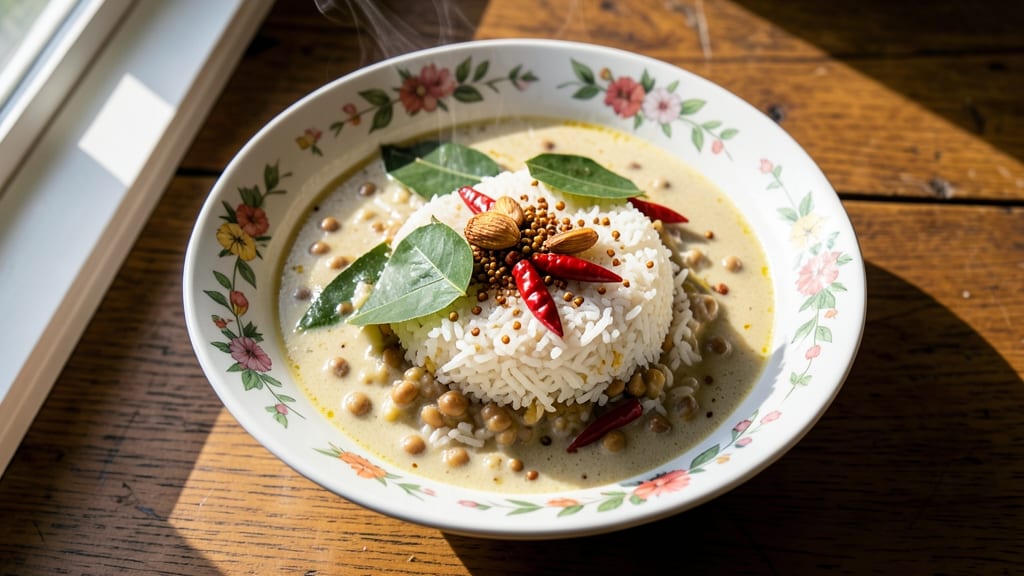
This Attukal Pongal soup recipe brings Kerala’s hearty tradition to your kitchen with fermented rice and lentils simmered into a fragrant, one-pot wonder. The slow-cooked flavors—earthy spices, tender lentils, and slightly tangy rice—create a dish that’s both comforting and deeply satisfying.
I’ve perfected a method that balances traditional techniques with modern convenience, whether you’re using a pressure cooker or Instant Pot.
The secret lies in fermenting the rice and lentils overnight, which develops a subtle tang that elevates the dish. Tempering mustard seeds, curry leaves, and red chilies in hot oil unlocks layers of aroma, while coconut milk adds a velvety richness.
This vegetarian staple is packed with protein and fiber, making it a nourishing meal for any occasion.
By the time you’re done, you’ll have a steaming bowl of golden, aromatic soup with perfectly cooked rice and lentils, each bite bursting with the essence of Kerala.
The dish pairs beautifully with steamed rice, papadam, or a simple salad for a complete meal. Ready to transform simple ingredients into a flavor-packed masterpiece?
Whether you’re serving a family gathering or meal prepping for the week, this recipe delivers authentic, restaurant-quality results with minimal effort. The step-by-step process ensures you’ll achieve the right texture and depth of flavor every time. Let’s get cooking!
Ingredients for attukal soup
Fermented rice and lentils meet aromatic spices—this is where Kerala’s comfort food begins.
| Ingredient | Amount | Notes |
|---|---|---|
| Short-Grain White Rice 🍚 | 1 cup | Uncooked, jasmine or basmati preferred |
| Toor Dal (Split Pigeon Peas) 🌾 | ¾ cup | Rinsed thoroughly |
| Coconut Milk 🥥 | 1 can (13.5 oz) | Full-fat for creaminess |
| Mustard Seeds 🌶️ | 1 tbsp | Brown or yellow variety |
| Curry Leaves 🌿 | ¼ cup | Fresh, packed |
| Red Chilies 🌶️ | 2 whole | Dried, whole |
| Fresh Ginger 🧄 | 1 tbsp | Grated, organic preferred |
| Green Chilies 🌶️ | 2 whole | Fresh, slit lengthwise |
| Asafoetida (Hing) 🌿 | ¼ tsp | Pure powdered |
| Turmeric Powder 🧂 | ½ tsp | Freshly ground preferred |
| Cumin Seeds 🌶️ | ½ tsp | Toasted for aroma |
| Salt 🧂 | 1 tsp | Kosher or sea salt |
| Coconut Oil 🫒 | ½ cup | Unrefined for flavor |
| Fresh Coriander Leaves 🌿 | ¼ cup | Chopped, for garnish |
| Lemon Juice 🍋 | 1 tbsp | Freshly squeezed |
The rice and lentils are the heart of this dish, and fermentation is non-negotiable. Organic rice from Indian markets or specialty stores like Whole Foods gives the best texture—look for grains that stay firm when cooked. The toor dal should be yellowish, not gray or dusty. For fermentation, use a clean ceramic or glass container—plastic can affect the tang. If you're short on time, soak the rice and lentils for 4 hours instead of fermenting, though the flavor won't be quite as developed.
No curry leaves? Dried curry powder at half the amount works in a pinch, but it's not the same—those leaves are essential. Fresh ginger is ideal, but powdered ginger at one-third the amount gets you close. Short on green chilies? Cayenne pepper at one-fourth the amount adds heat without the freshness. The coconut milk should be full-fat canned variety—light versions won't give that velvety texture. For extra richness, add 1 tbsp of coconut cream at the end. And if you've got ghee instead of coconut oil, use it for tempering—it adds a luxurious depth.
This soup keeps beautifully—3-4 days in the fridge with flavors deepening over time. For longer storage, freeze in portions for up to 3 months. The fermentation process means it tastes even better the next day. I always make a double batch—one for dinner, one for lunch the following day. Garnish with fresh coriander right before serving, as it wilts quickly. And trust me, the lemon juice at the end isn't optional—it brightens everything.
Why You'll Love This Recipe
- One-Pot Wonder: I swear by this recipe when I’m too tired to wash a million bowls. Just toss rice, dal, and coconut milk into one pot—no straining, no fuss—and let it simmer. The mustard seeds and curry leaves sizzle right in, filling the kitchen with that warm, spiced aroma while you do nothing but stir once.
- Creamy Without Guilt: Honestly, the coconut milk makes this dish feel luxurious without a drop of heavy cream. It’s rich but light, with that gentle sweetness balancing the earthy dal. My kids ask for seconds, and I don’t even have to lie about it being “healthy”—it just is.
- Leftover Hero: This soup only gets better the next day. The rice softens perfectly, the dal absorbs all the coconutty goodness, and reheating takes two minutes. I make a big batch on Sundays and eat it for lunch all week—no sad, dry leftovers here.
- Budget Bright Spot: Toor dal and rice are my wallet’s best friends, and coconut milk stretches far in this recipe. For under $5, I feed four people a meal that feels special, not cheap. Plus, the mustard seeds and curry leaves add that restaurant-quality punch without breaking the bank.
Step-by-step instructions for Attukal Pongal soup
This one-pot wonder delivers hearty, aromatic comfort with minimal effort—just follow these precise steps.
Prepare the Fermented Rice-Lentil Base
Combine the 1 cup short-grain white rice and 0.75 cup toor dal in a bowl and rinse thoroughly under cold water. Drain well, then transfer to a heavy-bottomed pot. Add 3 cups water (for every 1 cup rice-dal mix) and bring to a boil over medium-high heat. Once boiling, reduce to low heat and simmer uncovered for 15-20 minutes until the water reduces by half and the mixture thickens slightly.
Here's the secret: Let it cool to room temperature, then transfer to a clean cloth-lined bowl. Cover with a damp cloth and let ferment overnight (or at least 8 hours). You'll know it's ready when you detect a faint tangy aroma—this fermentation transforms the simple rice-lentil mix into something deeply flavorful. I press the mixture gently with my fingers to check for slight resistance; that's your cue it's properly fermented.
Temper the Spices and Aromatics
Heat the 0.5 cup coconut oil in a separate heavy pot over medium heat. Add the 0.5 tsp toasted cumin seeds and let them sizzle for 30 seconds until fragrant. Add the 1 tbsp mustard seeds and watch them pop—this should take about 20 seconds. Toss in the 0.25 cup curry leaves, 2 whole red chilies, and 2 whole green chilies (slit lengthwise), cooking for 1 minute until the leaves turn vibrant green and the chilies darken slightly.
Stir in the 0.25 tsp asafoetida (hing), 0.5 tsp turmeric powder, and 1 tsp salt, mixing for 10 seconds until the spices bloom. Here's where the magic happens: Add the fermented rice-lentil mixture and 1 can (13.5 oz) coconut milk, stirring gently to combine. The mixture should bubble softly—this indicates the spices have properly infused.
Simmer to Perfection
Bring the soup to a gentle simmer over low heat, then reduce to the merest bubble. Cover and cook for 20-25 minutes, stirring occasionally to prevent sticking. The soup should thicken gradually, developing a rich, creamy texture with a subtle tang from the fermented base. I like to taste it at the 15-minute mark—adjust salt if needed, but remember the fermented rice already contributes depth of flavor.
Here's the thing about this step: Don't rush it. The low-and-slow approach allows the coconut milk to meld with the fermented rice-lentil mixture, creating that signature Attukal Pongal texture. You'll know it's ready when the soup coats the back of a spoon and has a velvety consistency. If it's too thick, whisk in 2-3 tablespoons water to reach your desired serving consistency.
Finish with Fresh Aromatics
Remove the pot from heat and stir in the 1 tbsp grated fresh ginger and 1 tbsp lemon juice. The lemon brightens the dish while the ginger adds a subtle warmth. Let the soup sit for 5 minutes to allow the flavors to meld—this resting period makes all the difference in developing the final depth of flavor.
Garnish generously with 0.25 cup chopped fresh coriander leaves just before serving. The coriander not only adds freshness but also provides a beautiful contrast against the rich coconut milk. Serve warm with a side of crispy papadums or steamed rice to soak up every last drop of this comforting soup.
Pro Tips For Making Attukal Soup
- Bloom the Dal First: Skip the urge to toss raw toor dal straight into boiling water—soak it for 15 minutes first. I learned this the hard way: unsoaked dal stays stubbornly firm, no matter how long you simmer. The starches soften faster, and you’ll end up with that silky, melt-in-your-mouth texture the soup deserves.
- Toast Mustard Seeds Low: Crank the heat to medium-low when tempering mustard seeds—high heat burns them before they pop. I used to rush this, and the soup would taste bitter. Let them sizzle gently for 30 seconds first, then add curry leaves. Trust me, your nose will thank you.
- Rice Must Be Dry: Pat the cooked rice thoroughly with a kitchen towel before adding it to the soup. Damp rice turns the attukal into a gluey mess. I’ve ruined batches by skipping this—now I treat it like a non-negotiable step. A quick shake in a fine-mesh strainer works too.
- Coconut Milk Last: Stir in the coconut milk after the soup has simmered for 10 minutes—adding it early makes the dal gummy. I was skeptical until I tried it: the creaminess coats the rice perfectly at the end, and the flavors meld without curdling. Sounds weird, but it works.
Flavor customization for these flavors
Spice Level Control
Adjust the heat to your preference by modifying the chili content. For a mild version, remove the green chilies entirely and reduce the red chilies to 1 whole. For medium heat, keep the 2 green chilies and 2 red chilies as written.
If you love spice, add 1 extra green chili and a pinch of cayenne pepper (¼ tsp) during tempering. I like to serve extra chili flakes on the side so everyone can customize their bowl. 🌶️
Creamy Variations
For an extra-rich texture, replace ½ cup coconut milk with ½ cup coconut cream during the simmering phase. This creates a luxurious, almost dessert-like consistency. Alternatively, stir in 1 tbsp ghee at the end for a nutty depth.
If you prefer a lighter version, reduce the coconut milk to ½ can (6.75 oz) and add ½ cup water to balance the richness. 🥥
Fermentation Shortcuts
Skip the overnight fermentation by soaking the rice and lentils in 4 cups warm water with 1 tsp lemon juice for 4 hours. This mimics the tanginess but with less depth.
For a quick version, use 2 tbsp yogurt (plain, unsweetened) mixed into the rice-lentil mixture before cooking—it adds tang without fermentation. Just remember, the longer you ferment, the more complex the flavor becomes. ⏰
Vegetable Add-Ins
Boost nutrition by adding ½ cup diced carrots or ½ cup peas during the final 10 minutes of simmering. For a Kerala-inspired twist, stir in ¼ cup grated coconut at the end—it adds sweetness that balances the spices.
If you love texture, toss in 2 tbsp chopped cashews during tempering. These additions work best with the coconut milk’s creaminess. 🥕
Protein Upgrades
Transform this into a protein powerhouse by adding ½ cup cooked chickpeas or ½ cup paneer cubes during the last 15 minutes of cooking. For a seafood twist (non-traditional but delicious), stir in ½ cup cooked shrimp at the very end—just heat through for 2 minutes to avoid overcooking.
The shrimp absorbs the flavors beautifully. 🦐
Garnish Customizations
Swap the coriander for fresh mint leaves for a refreshing twist, or add toasted coconut flakes for crunch. For a smoky note, sprinkle ½ tsp smoked paprika on top.
I also love drizzling 1 tsp honey over the finished soup to balance the tang—it’s a sweet contrast that rounds out the flavors. 🌿
Nutrition facts
Frequently asked questions
Why does the rice need to ferment overnight?
Fermentation develops the dish's signature tangy flavor and improves digestibility. The natural lactic acid from fermentation tenderizes the rice and lentils while adding complexity to the soup's profile. For best results, ferment for 8+ hours—this creates that authentic Attukal Pongal taste you can't get with quick methods.
Can I make this soup without fermentation?
Yes! For a shortcut, soak the rice and lentils in 4 cups warm water with 1 tsp lemon juice for 4 hours before cooking. This mimics the tanginess but with less depth. Alternatively, stir in 2 tbsp plain yogurt with the rice-lentil mixture before cooking. The flavor won't be identical, but it's still delicious.
How do I adjust the thickness of the soup?
If your soup is too thick after simmering, whisk in 2-3 tablespoons water to reach your desired consistency. For extra creaminess, stir in ½ cup coconut cream during the final 5 minutes of cooking. The soup should coat the back of a spoon but still be easy to ladle.
What's the best way to reheat Attukal Pongal?
Reheat gently on low heat with 1-2 tablespoons water to prevent sticking. For microwave reheating, cover with a damp paper towel and heat in 30-second intervals, stirring between each. The soup tastes even better reheated—this is when the flavors meld completely. Never boil vigorously, as it can make the rice mushy.
Can I use this recipe for meal prep?
This soup keeps for 3-4 days in the fridge and freezes beautifully for up to 3 months. Portion into airtight containers before freezing. The flavors actually improve after refrigeration as the tang develops further. Just add a splash of water when reheating to restore creaminess.