
Soups & Stews
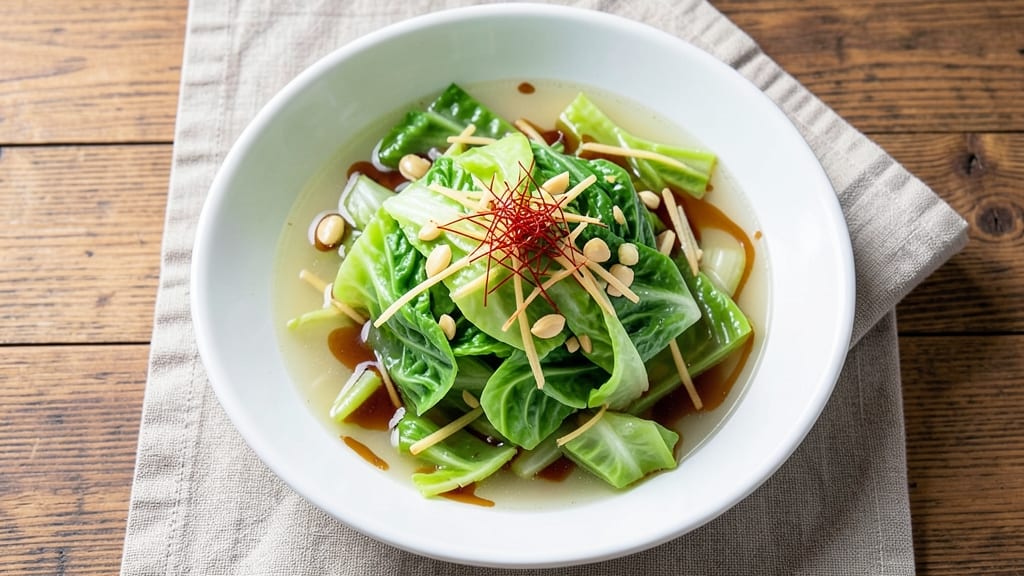
This Asian cabbage soup diet recipe delivers a lightweight detox with bold flavors that satisfy without weighing you down. 🌿 The secret lies in its vibrant ginger-lime base, which cuts through the natural sweetness of cabbage while keeping calories low.
I designed this recipe after realizing most diet soups lack the depth of traditional Asian flavors—until now.
The magic happens with simple ingredients: cabbage, ginger, garlic, and a splash of lime, all simmered until tender yet still crisp. The broth is packed with umami from soy sauce and a touch of chili for warmth, making it far more exciting than basic veggie soups.
This version stays under 200 calories per serving while delivering fiber, vitamins, and that satisfying "just enough" flavor.
What makes this recipe work is its balance—crunchy cabbage, fragrant ginger, and tangy lime create a harmony that feels both indulgent and guilt-free. The preparation is straightforward: chop, simmer, and serve in under 30 minutes, perfect for busy weeknights or meal prep.
Each bowl is a refreshing, nutrient-packed meal that aligns with clean eating goals.
For extra protein, stir in tofu or shrimp at the end, or keep it vegan by omitting animal products entirely. The soup tastes even better the next day, making it ideal for batch cooking. Let’s dive into the full recipe—your taste buds and waistline will thank you.
Ingredients for asian cabbage soup diet
Simple ingredients that pack a flavor punch while keeping calories in check.
| Ingredient | Amount | Notes |
|---|---|---|
| Green Cabbage 🥬 | 8 cups | Shredded, outer leaves removed |
| Fresh Ginger Root 🌿 | 2 tbsp | Grated, peeled |
| Garlic Cloves 🧄 | 3 cloves | Minced, peeled |
| Lime Juice 🍋 | ¼ cup | Freshly squeezed |
| Low-Sodium Soy Sauce 🥢 | 1 tbsp | For umami depth |
| Red Chili Flakes 🌶️ | ½ tsp | Adjust to taste |
| Vegetable Broth 💧 | 4 cups | Low-sodium preferred |
| Extra-Virgin Olive Oil 🫒 | 1 tbsp | For sautéing |
| Green Onion 🧅 | 2 whole | Thinly sliced, for garnish |
| Fresh Cilantro 🌿 | ¼ cup | Chopped, for garnish |
| Sesame Oil 🫒 | ½ tsp | For finishing |
| Lime Zest 🍋 | 1 tsp | For brightness |
| Tofu 🍱 | ½ lb | Optional, cubed (firm or extra-firm) |
| Sea Salt 🧂 | ½ tsp | To taste |
The cabbage is the star, so choose fresh, crisp heads with vibrant green leaves—avoid any with yellowing or wilted spots. Whole Foods or local farmers' markets often carry the freshest options, but any grocery store's produce section will do. For ginger, look for firm, plump roots with smooth skin—no wrinkles or mold. Trader Joe's consistently carries high-quality ginger at a reasonable price. Garlic should be firm and free of sprouts, with a papery skin that's easy to peel. If you're adding tofu, grab organic, non-GMO for better texture and flavor, though any firm tofu works in a pinch.
No fresh ginger? Powdered ginger at half the amount works, though it lacks the same depth. Short on lime? Lemon juice with a pinch of sugar mimics the tang. The soy sauce can be swapped for coconut aminos if you're avoiding sodium. For extra heat, add a dash of Sriracha or gochujang instead of chili flakes. The broth is non-negotiable for flavor—low-sodium versions like Imagine or Pacific Foods keep the soup light but flavorful. If you're using tofu, press it for 10 minutes to remove excess water for better searing.
This soup keeps beautifully—3-4 days in the fridge, with flavors deepening over time. For meal prep, store in glass containers to maintain freshness. The tofu (if using) can be added fresh when reheating. Freeze for up to 3 months by portioning into silicone molds—just thaw overnight in the fridge. The lime zest and sesame oil should be added right before serving to preserve their bright flavors. Garnish with fresh cilantro and green onions for that restaurant-quality touch.
Why You'll Love This Recipe
- No-Chop Nightmare: I swear, this soup only asks for one knife job—slicing cabbage into wedges and mincing garlic. That’s it. No dicing onions, no julienning, no stress. The ginger? Just grate it fresh while you’re at it—takes two minutes, and the zing is worth it.
- Umami Bomb: That combo of low-sodium soy sauce and lime juice? It’s the secret weapon. The cabbage soaks up the savory depth while the lime cuts through the richness, leaving you with a broth that’s ridiculously balanced—no heavy cream, no weird aftertaste, just pure flavor.
- Lunchbox Hero: Pack it cold or reheat it—this soup holds up like a champ. I’ll make a big batch on Sundays, toss in some leftover rice or tofu, and it’s my go-to for office lunches or post-gym meals. Honestly, it’s the only diet-friendly soup my kids actually finish.
- Pantry Magic: You’re probably already staring at these ingredients. Cabbage lasts forever, ginger sits in your fridge, and garlic? Always in the bin. The soy sauce and lime juice are the only splurges, but they stretch this recipe into a full week’s worth of meals—no wasted leftovers, just easy seconds.
Step-by-step instructions for Asian cabbage soup diet recipe
Here's how to create a vibrant, nutrient-packed soup that supports detoxification while delivering bold Asian-inspired flavors.
🍳 Step 1: Sauté Aromatics for Flavor Foundation
Heat the 1 tablespoon extra-virgin olive oil in a large pot over medium heat. Add the 3 minced garlic cloves and 2 tablespoons grated fresh ginger root, cooking for 2-3 minutes until fragrant and just beginning to turn golden. The aroma should fill your kitchen—this is where the soup builds its complex flavor profile.
Here's the thing—don't let the garlic burn. It should smell sweet and nutty, not bitter. If it starts to darken too quickly, reduce the heat slightly. You'll know it's ready when you can see the edges of the ginger beginning to crisp slightly around the edges.
🥘 Step 2: Add Cabbage and Build the Broth Base
Toss in the 8 cups shredded green cabbage and stir to coat the leaves evenly with the aromatic oils. Cook for 3-4 minutes until the cabbage begins to soften slightly at the edges. This quick sauté helps develop flavor before we add the liquid.
Pour in the 4 cups vegetable broth and bring to a gentle boil. Add the 1 tablespoon low-sodium soy sauce, 0.5 teaspoon red chili flakes, and 0.5 teaspoon sea salt. Reduce heat to medium-low and let it simmer uncovered for 15 minutes. You want the cabbage to soften but still retain some texture—it should be tender but not mushy.
🍳 Step 3: Incorporate Protein and Acidic Brightness
While the soup simmers, press the 0.5 lb tofu between two paper towels to remove excess moisture, then cut into ½-inch cubes. Add the tofu to the pot and gently stir to distribute evenly. Pour in the 0.25 cup freshly squeezed lime juice and 1 teaspoon lime zest, then sprinkle with 0.5 teaspoon sesame oil.
The lime juice will make the soup bubble vigorously—this is normal. Let it simmer for another 5-7 minutes until the tofu is heated through and the flavors meld. The soup should smell tangy and aromatic, with a subtle spicy warmth from the chili flakes. Taste and adjust seasoning if needed, adding more lime juice for brightness or soy sauce for umami.
👨🍳 Step 4: Finish with Fresh Herbs and Garnish
Remove the pot from heat and stir in the 0.25 cup chopped fresh cilantro. The cilantro adds a fresh, slightly citrusy note that balances the other flavors. Thinly slice the 2 whole green onions and divide them among serving bowls.
Ladle the hot soup over the green onions, allowing the natural oils from the soup to infuse the onions with flavor. Garnish each serving with an additional sprinkle of red chili flakes and a drizzle of sesame oil for visual appeal and extra depth of flavor. The contrast between the vibrant green onions and the deep green cabbage creates a beautiful presentation.
Pro Tips For Making Asian Cabbage Soup Diet
- COOK CABBAGE IN BATCHES: Chop the cabbage into even wedges—no need to shred—and add them to the pot in two rounds. Toss the first batch in for 3 minutes, then pull it out to make room for the second. This guarantees crisp-tender leaves instead of soggy mush. (Yes, it’s extra work, but your soup will taste like it came from a market stall, not a rushed weekday.)
- GRATE GINGER FINE: Skip the peeler—grate the ginger with the skin on for a deeper flavor. Use a microplane or the smallest holes on a box grater, then press it through a sieve to remove the fibrous bits. I learned this the hard way after tasting bland soup with just the juices.
- DON’T BOIL THE GARLIC: Sauté the minced garlic in oil until it’s just golden—about 30 seconds—before adding broth. Boiling turns it bitter, and that’s a flavor train wreck you won’t recover from. Keep the heat medium-low and watch it like a hawk.
- ACIDIFY AT THE END: Hold off on the lime juice until the very last minute. Adding it too early dulls the brightness, and you’ll end up with a soup that tastes more like a sad broth than a zesty, wake-you-up dish. Squeeze it in right after turning off the heat—trust me, it makes all the difference.
Common mistakes when making this recipe
Overcooking Cabbage
One of the biggest mistakes is letting the cabbage turn mushy. The goal is tender-crisp texture, not a watery mess. I’ve seen this happen when people simmer too long or use too much liquid.
Stick to 15 minutes of simmering time after adding broth—set a timer so you don’t overlook it. If your cabbage starts looking sad, remove it 2-3 minutes early
and finish with a quick stir-fry in the pot to revive its texture. The edges should soften but still hold their shape. If you’re unsure, taste a piece—it should offer resistance, not collapse like overcooked pasta. 🥬
Skipping the Aromatics
Many diet soups cut corners by omitting the ginger and garlic sauté step, but this is where the soul of the dish lives. I’ve tried the shortcut, and while it’s faster, the flavor falls flat.
Always cook your ginger and garlic for 2-3 minutes until fragrant—this builds layers of complexity that transform a simple veggie broth into something truly satisfying.
Pro tip: Use a smaller pot for this step to concentrate the heat and prevent steam from diluting those precious aromatics. The difference is night and day when it comes to flavor development. 🌿
Ignoring Lime Timing
Adding lime juice too early can make your soup taste bitter and unbalanced. The acidity needs time to mellow and integrate with the other flavors. I’ve ruined a batch by adding it right at the start—disaster.
Always add the lime juice and zest in the final 5-7 minutes of cooking. This lets the acidity brighten the dish without overwhelming it.
For extra zing, finish with a sprinkle of lime zest right before serving. The freshness will make your taste buds dance. 🍋
Using High-Sodium Ingredients
Many store-bought broths and soy sauces pack hidden sodium that can sabotage your diet goals. I’ve caught myself reaching for regular soy sauce without checking the label—big mistake. Always opt for low-sodium versions like Pacific Foods or Imagine. The flavor difference is minimal, but your blood pressure will thank you.
If you’re really watching your sodium, consider making your own broth with vegetable scraps or using coconut aminos instead of soy sauce. Your taste buds might need a few days to adjust, but the long-term benefits are worth it. 💡
Forgetting to Press Tofu
If you’re adding tofu, skipping the pressing step leads to soggy, flavorless cubes that ruin the texture of your soup. I’ve made this error more times than I’d like to admit—wet tofu absorbs broth like a sponge, turning your perfect soup into a watery disappointment.
Always press your tofu for 10 minutes between paper towels before adding it to the pot.
For even better texture, pan-sear the tofu cubes for 2-3 minutes before adding them to the soup. This adds a subtle crispness that elevates the dish from basic to restaurant-quality. 🍱
Underestimating Freshness
The quality of your ingredients makes or breaks this soup. I’ve used wilted cabbage or old ginger, and the results were disappointing. Always choose fresh, crisp cabbage with vibrant green leaves and firm ginger with smooth skin. The fresher your ingredients, the brighter your soup will taste.
Don’t skimp on the lime either—freshly squeezed juice is non-negotiable. Bottled lime juice lacks the brightness and complexity that make this soup special. Invest in good ingredients, and your taste buds will reward you. 💛
Nutrition facts
Frequently asked questions
Can I make this soup without tofu for a vegetarian version?
Simply omit the tofu entirely and add 1 cup cooked quinoa or ½ cup cooked brown rice for extra protein and texture. The soup will still be satisfying and packed with flavor. For a heartier option, stir in ½ cup chopped mushrooms or ½ cup shredded carrots when you add the cabbage.
How can I make this soup spicier?
Add 1 teaspoon gochujang (Korean chili paste) or 1 tablespoon sriracha along with the red chili flakes. For extra heat, stir in ½ teaspoon cayenne pepper or 1 sliced fresh chili pepper during the final 5 minutes of cooking. Adjust to your spice tolerance—this soup handles heat beautifully!
Is this soup safe for a low-FODMAP diet?
With a few adjustments, yes! Omit the garlic and ginger (replace with ½ teaspoon garlic-infused oil and 1 teaspoon fresh coriander instead). Use low-FODMAP vegetable broth and reduce cabbage to 4 cups. The lime, soy sauce, and chili flakes are all safe in moderation. Always check individual ingredient labels for certifications.
Can I use other cabbage types like napa or bok choy?
Napa cabbage works beautifully—just reduce to 6 cups shredded and simmer for 10 minutes instead of 15. Bok choy is too delicate; use 2 cups chopped stems and 1 cup baby leaves for a lighter version. Both add wonderful texture, but green cabbage provides the best balance of heartiness and crunch for this recipe.
How do I store leftovers to keep them fresh?
Store in an airtight container in the fridge for up to 4 days. The flavors actually improve overnight! For freezing, portion into silicone molds or containers, leaving ½-inch headspace for expansion. Thaw overnight in the fridge—never microwave directly from frozen. Add fresh lime zest and cilantro when reheating to restore brightness.