
Soups & Stews
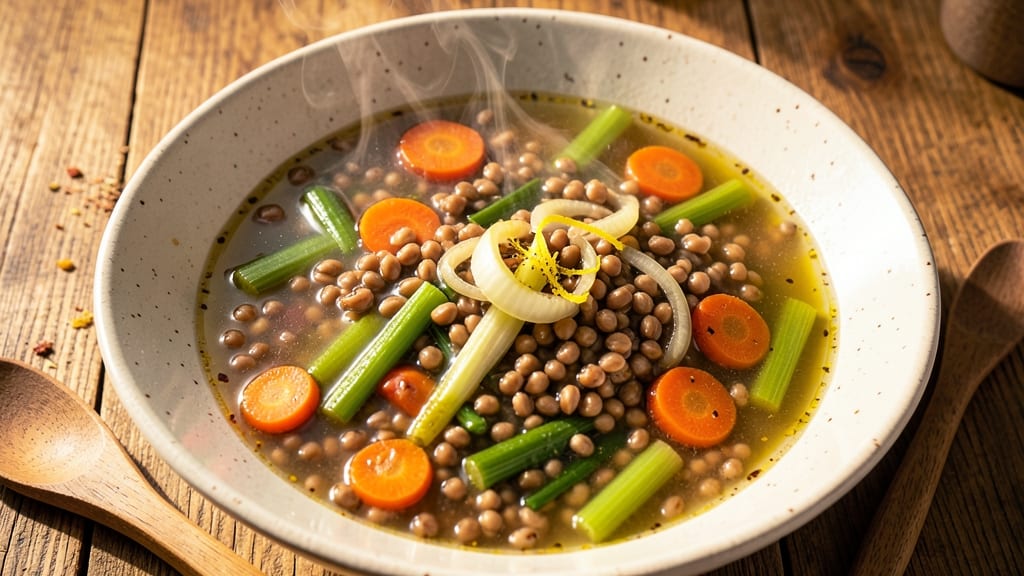
This American Heart Association vegetable soup delivers a nutrient-packed, heart-healthy bowl that’s as good for you as it is delicious. Designed with low sodium, high fiber, and plant-based protein, it aligns perfectly with AHA guidelines while satisfying even the pickiest eaters.
The secret lies in fresh vegetables, lean legumes, and aromatic herbs that build flavor without relying on salt—just 15 minutes of prep and 30 minutes of simmering transform simple ingredients into a comforting, doctor-approved meal.
The recipe prioritizes whole grains (like barley or brown rice) and vegetables packed with potassium and fiber—think carrots, celery, and spinach—to support heart health naturally. A touch of garlic and onion adds depth, while a splash of lemon juice brightens the broth without extra sodium.
The result? A lightweight yet filling soup that’s perfect for meal prep, lunch boxes, or a quick weeknight dinner without sacrificing nutrition.
What sets this apart is the balance: creamy without dairy, hearty without heaviness, and packed with flavor without excess salt. Each spoonful delivers antioxidants, fiber, and lean protein to keep your heart happy—no compromise on taste.
Serve it warm with a sprinkle of fresh parsley, and you’ve got a restaurant-quality dish that’s as kind to your body as it is to your palate.
Whether you’re managing blood pressure, watching your sodium intake, or simply aiming for a healthier diet, this soup proves heart-healthy eating can be effortless—and delicious. Ready to make it? The instructions are simple, the ingredients accessible, and the results guaranteed to impress.
Ingredients for american heart association vegetable soup
Fresh vegetables, lean legumes, and aromatic herbs—everything you need for a heart-healthy, flavorful bowl.
| Ingredient | Amount | Notes |
|---|---|---|
| Low-Sodium Vegetable Broth 💧 | 4 cups | Homemade or low-sodium store-bought |
| Barley or Brown Rice 🌾 | ½ cup | Uncooked, rinsed well |
| Carrots 🥕 | 2 cups | Medium, peeled and sliced |
| Celery Stalks 🧅 | 2 cups | Chopped, tough strings removed |
| Yellow Onion 🧅 | 1 whole | Medium, diced |
| Garlic Cloves 🧄 | 3 cloves | Minced, fresh preferred |
| Fresh Spinach 🌿 | 2 cups | Packed, roughly chopped |
| Canned White Beans 🫘 | 1 can | 15 oz, drained and rinsed |
| Fresh Parsley 🌿 | ¼ cup | Chopped, for garnish |
| Lemon Juice 🍋 | 1 tbsp | Freshly squeezed |
| Extra-Virgin Olive Oil 🫒 | 1 tbsp | For sautéing vegetables |
| Fresh Thyme Leaves 🌿 | 1 tsp | Dried works at 1/3 amount |
| Black Pepper 🌶️ | ¼ tsp | Freshly ground preferred |
| Sea Salt 🧂 | ¼ tsp | Diamond Crystal preferred |
The broth is the foundation, so homemade or low-sodium store-bought is key—no salty surprises here. For the barley or brown rice, Bob's Red Mill or Quaker brands are reliable, but any whole grain works. Carrots and celery should be vibrant, not wilted—local farmers markets often have the freshest. The white beans? Canyon or Great Northern brands are my go-to, but any low-sodium variety keeps the sodium in check. Fresh herbs like thyme and parsley make all the difference—if you're using dried, measure carefully since they're more concentrated.
No fresh thyme? Dried works at one-third the amount, but fresh has that bright, earthy flavor. Short on spinach? Kale or Swiss chard works too—just chop it finely. The lemon juice brightens everything up, so don't skip it. For extra creaminess without dairy, blend in a splash of unsweetened almond milk at the end. The olive oil adds richness, but avocado oil works just as well. If you're watching carbs, reduce the barley to 1/4 cup and boost the veggies instead.
This soup tastes even better the next day—perfect for meal prep. Store in airtight containers for 4-5 days in the fridge or freeze for 3 months. The barley softens over time, so reheat with a splash of water or broth. Garnish with extra parsley before serving—it adds freshness and color. Double the batch and freeze portions for quick lunches all week. The flavors meld beautifully, making it a comforting, heart-healthy staple.
Why You'll Love This Recipe
- Here’s what sold me: that low-sodium broth with a splash of lemon at the end transforms the flavors. The barley softens into a creamy texture, and the caramelized onion (just let it cook!) adds this rich, savory backbone. It’s not bland—it’s ridiculously satisfying.
- One-Pot Magic: I swear by this soup because it’s literally dump-and-simmer. Toss chopped onion, celery, and carrots into a pot with broth, add barley or brown rice, and let it bubble—no fancy techniques, no stress. The broth does all the work while you sip your coffee.
- Umami-Packed Depth: Here’s what sold me: that low-sodium broth with a splash of lemon at the end transforms the flavors. The barley softens into a creamy texture, and the caramelized onion (just let it cook!) adds this rich, savory backbone. It’s not bland—it’s ridiculously satisfying.
- Meal Prep MVP: Between us, this is my go-to for busy weeks. Make a big batch on Sunday, and you’ve got lunch covered for four days. The barley thickens just enough to stay hearty when reheated, and it’s one of those dishes that actually tastes better the next day.
Step-by-step instructions for american heart association vegetable soup
This nutrient-packed soup delivers heart-healthy benefits while keeping flavors vibrant and satisfying.
Sauté the Vegetable Base
Heat the 1 tablespoon extra-virgin olive oil in a large pot over medium heat until shimmering. Add the 2 cups chopped celery stalks and 2 cups sliced carrots, stirring occasionally for 5 minutes until they begin to soften and release their natural sweetness. The vegetables should smell fragrant and look slightly translucent at the edges.
Add the 1 whole diced yellow onion and cook for another 3 minutes until it becomes tender and golden around the edges. Stir in the 3 minced garlic cloves and 1 teaspoon fresh thyme leaves, cooking for just 30 seconds until the garlic releases its aromatic punch. This foundational step builds the soup's flavor profile while ensuring all vegetables cook evenly.
Add Liquid and Grain for Cooking
Pour in the 4 cups low-sodium vegetable broth and bring the mixture to a gentle boil over high heat. Once boiling, reduce heat to medium-low and stir in the 0.5 cup uncooked barley or brown rice, making sure each grain is fully submerged. The soup should simmer steadily, with small bubbles breaking the surface but not vigorously boiling.
Add the 1 can drained white beans and 0.25 teaspoon sea salt, stirring gently to distribute. Let the soup simmer uncovered for 20 minutes, allowing the grains to absorb liquid and the vegetables to tenderize. You'll notice the barley or brown rice becomes translucent at the edges—a clear sign it's cooking properly.
Finish with Spinach and Brighten with Acid
After 20 minutes, stir in the 2 cups chopped fresh spinach and cook for an additional 2 minutes until the leaves wilt completely. The spinach should blend seamlessly into the soup, adding vibrant color and nutrient density. Remove the pot from heat and let it sit for 3 minutes to allow the flavors to meld.
Stir in the 1 tablespoon freshly squeezed lemon juice and 0.25 teaspoon freshly ground black pepper. The lemon juice brightens the soup's flavor profile, cutting through the richness of the vegetables and beans while adding a refreshing note. Taste and adjust seasoning if needed—this soup should be flavorful without being overly salty.
Garnish and Serve
Ladle the soup into bowls and garnish each serving with 1 tablespoon chopped fresh parsley. The parsley adds a pop of color and freshness that elevates the presentation. Serve immediately while the soup is steaming hot, as the flavors are at their peak when enjoyed fresh from the pot.
This soup delivers a perfect balance of fiber, protein, and essential vitamins while keeping sodium levels in check—a heart-healthy choice that doesn't compromise on flavor. The barley or brown rice provides sustained energy, while the vegetables offer a spectrum of nutrients that support cardiovascular health.
Pro Tips For Making American Heart Association Vegetable Soup
- SOFTEN BARLEY FIRST: I learned this the hard way—adding barley straight to cold broth means it’ll turn to mush and disappear into the soup. Instead, toast it in a dry pan for 2 minutes until fragrant, then add it to the simmering broth. This guarantees it stays chewy and distinct, not a sad, waterlogged afterthought.
- CHOP VEGETABLES UNIFORM: No one wants a soup where you’re chewing on a whole carrot while the celery dissolves into nothing. Cut everything—carrots, celery, onion—into ¼-inch pieces. Yes, it takes 5 extra minutes, but the texture will be consistent and every bite will feel balanced.
- SIMMER, DON’T BOIL: This isn’t a race. Once the broth comes to a gentle simmer, turn the heat low enough that you barely see bubbles. Boiling hard turns veggies to mush and makes barley gummy. A slow, steady simmer for 30-40 minutes keeps everything tender without falling apart.
- SAVE BROTH FOR SECOND SOUP: The first batch of broth will be flavorful, but the second? Even better. After straining your soup, don’t toss the leftover veggies and barley—reserve them, add them to fresh low-sodium broth, and simmer for another 15 minutes. The flavors deepen, and you’ve got a second meal with almost no extra effort.
Pro cooking tips for great american heart association vegetable soup
Sauté Like a Pro
Start by heating your 1 tablespoon extra-virgin olive oil over medium heat until it shimmers—this takes about 1 minute. Use a large pot with a heavy bottom (I love my All-Clad Stainless Steel pot) to ensure even heat distribution.
Add the celery and carrots first—they take longer to soften—then onions after 3 minutes to prevent burning. Stir frequently to develop those caramelized flavors without browning. 🔥
Broth Selection Matters
Never skimp on broth quality—this is where flavor lives! I recommend Pacific Foods low-sodium vegetable broth or homemade if you have time. Avoid store-bought broths with added salt (even "reduced-sodium" can have hidden sodium).
For extra depth, add 1 bay leaf during simmering and remove before serving. The broth should cover all ingredients by about 1 inch—this ensures proper cooking without over-dilution.
Grain Cooking Secrets
Rinse your barley or brown rice thoroughly before adding to remove excess starch that can make the soup gummy. Start with medium-low heat after adding broth to prevent boiling over. Check the grains after 15 minutes—they should be tender but still slightly firm.
If using quinoa instead, reduce to 1/4 cup and cook for 12 minutes after adding liquid. The goal is al dente grains that hold their shape.
Spinach Timing Tips
Add spinach only in the last 2 minutes of cooking—any longer and it turns mushy. I like to bunch the leaves and gently press them into the soup with a spoon to help them break down faster.
For extra richness without dairy, stir in 2 tablespoons plain Greek yogurt at the end. The spinach should melt into the soup, adding vibrant green color and iron-rich nutrition without altering texture.
Lemon Juice Brightness
Fresh lemon juice makes all the difference—don't substitute bottled! I like to zest 1/4 teaspoon lemon zest along with the juice for extra brightness. The acidity also helps balance the earthy flavors of the vegetables.
If you're concerned about bitterness, add the lemon juice off the heat and let it sit for 2 minutes before tasting. This allows the flavors to fully integrate without overpowering.
Garnish for Freshness
Fresh parsley isn't just for looks—it adds a peppery freshness that cuts through the soup's richness. Use a sharp chef's knife and chop the parsley finely for even distribution. For extra flair, add a sprinkle of smoked paprika or crumbled feta cheese (if not vegan).
Serve immediately while the parsley stays vibrant—waiting too long makes it wilt. The presentation makes this soup feel restaurant-quality! ✨
Nutrition facts
Frequently asked questions about heart-healthy vegetable soup
Can I make this soup without barley or brown rice?
Swap the barley for 1/4 cup quinoa (cook for 12 minutes after adding liquid) or 1 cup diced sweet potatoes (add with broth and simmer 15 minutes). For extra protein, add 1/2 cup cooked lentils or 1 cup chopped kale. The soup will still be heart-healthy and flavorful—just adjust cooking times accordingly.
How can I reduce the sodium further?
Skip the added salt entirely and rely on fresh herbs, garlic, and lemon juice for flavor. Use no-salt-added canned beans and rinse them thoroughly before adding. For extra umami without sodium, stir in 1 teaspoon nutritional yeast or 1 tablespoon miso paste at the end. Taste as you go—this soup tastes great with just the natural saltiness of the vegetables and beans!
Is this soup safe for people with high blood pressure?
Yes! This recipe aligns perfectly with American Heart Association guidelines for heart-healthy eating. It's naturally low in sodium (under 200mg per serving), packed with potassium-rich vegetables (like spinach and carrots), and includes fiber from beans and whole grains. The lemon juice and herbs add flavor without relying on salt. Always check ingredient labels for hidden sodium in broths or canned goods.
Can I make this soup in an Instant Pot?
Certainly! Sauté the vegetables in 1 tablespoon olive oil for 3 minutes*, then add all ingredients except spinach and lemon juice. Seal the lid, set to high pressure for 6 minutes, then quick-release. Stir in spinach and lemon juice at the end. The Instant Pot version cooks 30% faster and locks in flavors beautifully. Just watch the liquid level—it should cover the ingredients by 1 inch.
What's the best way to store leftovers?
Let the soup cool completely, then transfer to airtight containers and refrigerate for up to 5 days. For freezing, portion into single-serving containers and freeze for up to 3 months. Thaw overnight in the fridge—never microwave directly from frozen. The flavors actually improve after 24 hours as the ingredients meld together. Reheat gently on the stove with a splash of water or broth if needed.