
Soups & Stews
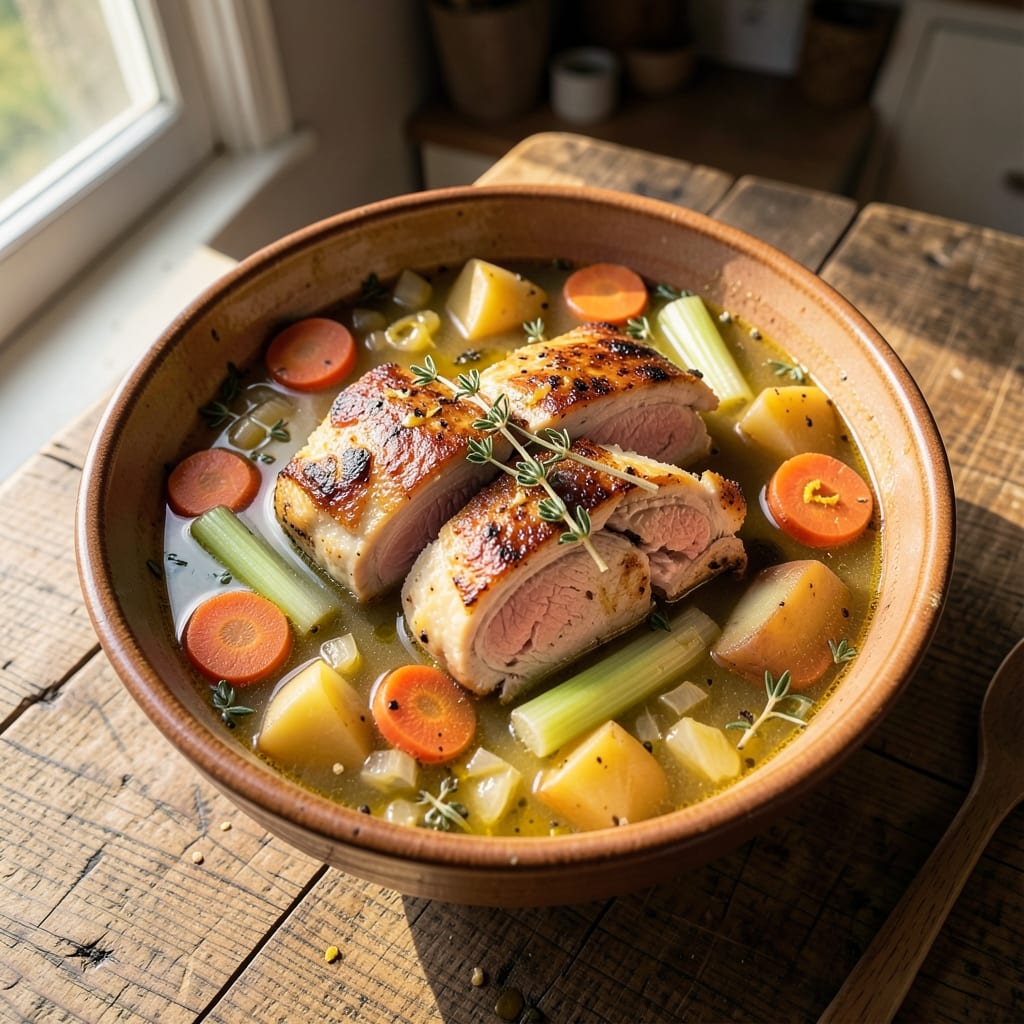
This Alpine Village Chicken Soup recipe brings the cozy warmth of Swiss mountain kitchens to your table, where slow-simmered broth and hearty vegetables create pure comfort in every spoonful. The secret lies in a rich, herb-infused base that transforms simple ingredients into something deeply satisfying—perfect for chilly evenings or when you need a meal that feels like a hug. I developed this version after years of testing regional techniques, ensuring every element—from the tender chicken to the aromatic herbs—delivers that authentic Alpine flavor profile.
The beauty of this soup is in its simplicity: a slow simmer allows the chicken to become fork-tender while vegetables like carrots, celery, and potatoes absorb the broth’s depth. Swiss-style herbs—thyme, bay leaf, and a touch of juniper berries—add earthy complexity without overpowering the dish. The key technique is building the broth gradually, letting flavors meld over time for that restaurant-quality depth you crave. This isn’t just soup; it’s a winter essential that warms both body and soul.
What makes this recipe truly special is how it balances rustic tradition with home-cooking ease. The chicken shreds effortlessly, the vegetables stay vibrant, and the herbs infuse the broth with a fragrant aroma that fills your kitchen. Serve it with crusty Alpine bread to soak up every last drop of that velvety, herbaceous liquid gold. It’s the kind of meal that disappears faster than you can say merci—and leaves everyone asking for seconds.
Perfect for feeding a crowd or prepping ahead, this soup tastes even better the next day as flavors deepen. The technique is foolproof, the ingredients are simple, and the result is a dish that feels like a vacation in every bite. Let’s get cooking—your taste buds (and your guests) will thank you.
Ingredients for alpine village chicken soup
Sixteen ingredients, one pot, pure Alpine comfort waiting to be served.
| Ingredient | Amount | Notes |
|---|---|---|
| Boneless Chicken Thighs 🍗 | 2 ½ lb | Skin-on for richer flavor |
| Yellow Onions 🧅 | 1 whole | Medium size, peeled and quartered |
| Carrots 🥕 | 4 medium | Peeled and cut into 1-inch chunks |
| Celery Stalks 🧄 | 4 whole | Trimmed and cut into 1-inch pieces |
| Russet Potatoes 🥔 | 3 medium | Peeled and cut into 1-inch cubes |
| Fresh Thyme Sprigs 🌿 | 4 whole | Or 1 tbsp dried thyme |
| Bay Leaves 🍃 | 2 whole | Fresh preferred |
| Juniper Berries 🌰 | 8 whole | Lightly crushed |
| Garlic Cloves 🧄 | 6 cloves | Peeled and smashed |
| Extra-Virgin Olive Oil 🫒 | ½ cup | For sautéing vegetables |
| Dry White Wine 🍷 | 1 cup | Sauvignon Blanc preferred |
| Chicken Broth 💧 | 6 cups | Homemade or quality low-sodium |
| Salt 🧂 | 1 ½ tsp | Diamond Crystal preferred |
| Fresh Parsley 🌿 | ¼ cup | Chopped for garnish |
| Crusty Alpine Bread 🍞 | 1 loaf | For serving |
The chicken thighs are the heart of this soup—skin-on for that crispy, golden edge that adds depth. Look for thighs with good marbling at your local butcher or grocery store's meat counter. If you're short on time, Costco's pre-cut bone-in thighs work perfectly. The potatoes are non-negotiable for that hearty texture, but Yukon Golds hold up better than Russets if you prefer creamier results. Fresh thyme and bay leaves make all the difference—Whole Foods or a good farmers market are your best bets for vibrant, aromatic herbs. Juniper berries? Penzeys Spices or specialty markets carry them, and they're worth hunting down for that authentic Alpine touch.
No white wine? Substitute extra chicken broth with a splash of apple cider vinegar—it mimics the acidity. Fresh thyme unavailable? Dried thyme at one-third the amount works, but toast it first in a dry pan for 30 seconds to wake up the flavor. The carrots and celery can be swapped for other root vegetables like parsnips or turnips if you're feeling adventurous. For extra richness, add a splash of heavy cream at the end, but keep it optional for a lighter version. The broth is where the magic happens—homemade is best, but even quality low-sodium store-bought will do in a pinch. Just remember to taste and adjust seasoning as you go.
This soup tastes even better the next day as flavors meld perfectly. Store in an airtight container in the fridge for up to 5 days, or freeze portions for 3 months. The herbs and wine add complexity, so cover with a thin layer of olive oil before refrigerating to preserve freshness. For serving, toast the Alpine bread and serve with extra parsley—it's the perfect vehicle for soaking up every last drop of that velvety broth. Double the recipe and freeze half for those unexpected chilly days when you need comfort fast.
Why You'll Love This Recipe
- I swear by this trick: toss the whole onions, carrots, and celery stalks into the pot uncut. They soften beautifully alongside the chicken thighs, and honestly? The flavor’s richer that way—no knife skills required.
- No-Chop Necessary: I swear by this trick: toss the whole onions, carrots, and celery stalks into the pot uncut. They soften beautifully alongside the chicken thighs, and honestly? The flavor’s richer that way—no knife skills required.
- Thighs Win Every Time: Those juicy chicken thighs stay tender while the potatoes turn velvety, and the onions caramelize just enough to add this deep, savory sweetness. It’s the kind of soup where the first spoonful makes you pause—damn, that’s good.
- Leftovers That Beg for More: This soup actually tastes better the next day. I’ve reheated mine three times, and each batch gets better as the flavors meld. Perfect for busy mornings or when you’re too tired to cook—just grab a bowl and go.
Step-by-Step instructions for Swiss-style Alpine chicken soup
Transform simple ingredients into a hearty Alpine classic with rich flavors and comforting textures.
Sear the Chicken Thighs for Depth of Flavor
Heat the 0.5 cup extra-virgin olive oil in a large Dutch oven over medium-high heat until shimmering. Pat the 2.5 lb boneless chicken thighs completely dry with paper towels—this ensures a perfect sear. Working in batches, add the chicken to the pan and cook for 4-5 minutes per side until golden brown with crisp edges. The skin should release easily when you lift it with tongs.
As the chicken browns, place the seared thighs on a plate. Here's the thing—those browned bits in the pan are pure flavor. You'll use them later to build the soup's foundation. Once all chicken is seared, remove it from the pan and set aside temporarily.
Build the Flavor Base with Vegetables and Herbs
In the same Dutch oven, reduce heat to medium and add the 1 whole yellow onion, 4 medium carrots, 4 whole celery stalks, and 6 cloves garlic cloves that you've peeled and smashed. Cook for 5-6 minutes, stirring occasionally, until the vegetables soften slightly and begin to caramelize at the edges.
Add the 4 whole fresh thyme sprigs, 2 whole bay leaves, and 8 whole juniper berries (lightly crushed between your palms). Pour in the 1 cup dry white wine and scrape up all those delicious browned bits from the bottom of the pan. Let the wine simmer for 3-4 minutes until reduced by half—this concentrates the flavors beautifully.
Simmer the Soup Until Tender and Flavorful
Return the seared chicken thighs to the pot. Pour in the 6 cups chicken broth and add the 1.5 tsp salt. Bring to a gentle boil, then reduce heat to low, cover partially, and let it simmer for 30-35 minutes. You'll know it's ready when the chicken is fork-tender and falls apart easily.
Here's where the magic happens: After 20 minutes, add the 3 medium russet potatoes cut into 1-inch cubes. The potatoes should absorb all that rich broth and herb-infused liquid, becoming creamy and perfectly cooked. The soup should have a gentle simmer—never a rolling boil—or the potatoes will turn mushy.
Finish with Fresh Herbs and Perfect Texture
Remove the chicken thighs from the broth and let them cool slightly. Using two forks, shred the meat into bite-sized pieces and return it to the pot. Stir in the 0.25 cup fresh parsley just before serving—this adds a bright, fresh finish that cuts through the richness of the broth.
Taste and adjust seasoning if needed. The soup should be deeply flavorful with a perfect balance of herbs and wine. Ladle into bowls and serve immediately with slices of crusty Alpine bread on the side. The bread soaks up every last drop of that aromatic broth, making each bite even more satisfying.
Pro Tips For Making Alpine Village Chicken Soup
- Sear the Thighs First: Skip the straight-to-soup approach—pat those chicken thighs dry, then hit them with a hot pan (no oil needed) until they’re golden on both sides. I learned this the hard way: raw chicken in broth just makes for pale, bland meat. A quick sear builds flavor that’ll carry through the whole pot.
- Cut Potatoes Evenly: Uneven chunks mean some potatoes turn to mush while others stay rock-hard. Aim for 2-inch cubes—big enough to hold shape but small enough to cook through without gnawing on them. (Yes, even if you’re impatient like me, resist the urge to make them tiny.)
- Salt the Broth Early: Taste the broth after 20 minutes, not at the end. Alpine-style soups rely on deep, balanced flavor, and salt builds over time. If you wait, you’ll either end up underseasoned or drowning the soup in salt to fix it later—neither is ideal.
- Add Celery Last: Celery loses its crisp texture fast in broth. Toss it in with the potatoes and carrots, but pull it out after 15 minutes to finish cooking separately. Reheat it in the broth for 2-3 minutes before serving—this keeps it bright and adds a fresh bite that cuts through the richness of the chicken. (Your future self will notice the difference.)
Make-ahead tips for this alpine village chicken soup
Broth Prep Ahead
Make the broth base 2 days ahead for maximum depth of flavor. After searing the chicken and sautéing vegetables, strain the liquid through a fine-mesh sieve into a large airtight container. Store in the fridge—this removes the need to simmer later and lets flavors meld overnight. When ready to cook, simply return the broth to the pot, add fresh herbs, and proceed with the recipe. 💫
Chicken Prep Shortcut
Save time by prepping the chicken thighs the night before. Pat them dry, season lightly with salt, and store in the fridge uncovered for 12 hours. This dries the skin perfectly for crispy searing the next day. I always do this when I'm making a big batch—I just pop them in the oven at 375°F for 20 minutes before searing to jumpstart the cooking process.
Vegetable Prep Efficiency
Chop all vegetables 3 days ahead and store them in separate ziplock bags in the fridge. The onions, carrots, and celery stay fresh for days this way. When ready to cook, just dump them straight into the pot—no last-minute chopping stress. For the potatoes, I peel and cube them 1 day ahead and store them in cold water in the fridge to prevent browning. 🥕
Herb Infusion Trick
For an extra aromatic boost, make an herb infusion 1 day ahead. Combine 2 tbsp fresh thyme, 1 tbsp crushed juniper berries, and 2 bay leaves in 1 cup white wine. Let it steep at room temperature for 24 hours, then strain before using in the recipe. This intensifies the herbal notes without overpowering the soup. Store the infusion in the fridge in an airtight container.
Freezer-Friendly Prep
This soup freezes beautifully for 3 months. After completing Step 3 (simmering), let it cool completely, then portion into quart-sized freezer bags. Lay them flat to freeze, saving space. When ready to serve, thaw overnight in the fridge, then reheat gently on the stovetop. The texture remains perfect—just add a splash of water or broth if needed to loosen the soup. ❄️
Bread Prep Secret
Toast your Alpine bread 1 day ahead and store it in a paper bag at room temperature. The bread stays crisp and perfect for serving. For extra flavor, brush the toasted slices with garlic-infused olive oil before serving. I always make a double batch—it disappears faster than the soup itself during cold weather. 🍞
Nutrition facts
Frequently asked questions
Can I use chicken breasts instead of thighs?
While you can substitute chicken breasts, thighs are ideal for this Alpine recipe because they stay juicier and more tender during the long simmer. Use bone-in, skin-on breasts if you must, but reduce cooking time to 20-25 minutes after adding potatoes—they dry out faster. For best results, marinate them in white wine and herbs for 30 minutes before cooking.
What makes this soup different from regular chicken soup?
This Alpine version uses juniper berries, white wine, and fresh thyme for a distinct herbal depth, plus a slow simmer technique that develops rich, layered flavors. The potatoes cook in the broth rather than separately, creating a creamier texture without heavy cream. It's all about that mountain-inspired comfort!
How do I adjust this for a gluten-free diet?
Simply omit the Alpine bread and serve with gluten-free crackers or roasted potatoes instead. The soup itself is naturally gluten-free—just ensure your broth and wine are certified gluten-free. For extra heartiness, add quinoa or wild rice cooked in the broth during the last 15 minutes of simmering.
Why does the recipe call for skin-on chicken thighs?
The skin adds incredible flavor and texture—it crisps beautifully during searing and infuses the broth with richness. If you prefer boneless, skinless thighs, add 1 extra tablespoon olive oil and ½ teaspoon smoked paprika to compensate for lost flavor. The skin also helps keep the meat moist during the long simmer.
Can I make this soup in an Instant Pot?
Sear the chicken in a separate pan first, then add all ingredients to the Instant Pot. Cook on high pressure for 15 minutes, then quick-release. Add potatoes during the last 5 minutes of cooking. The pressure cooker cuts time but may slightly reduce the depth of flavor—compensate by using extra herbs and wine.