
Soups & Stews
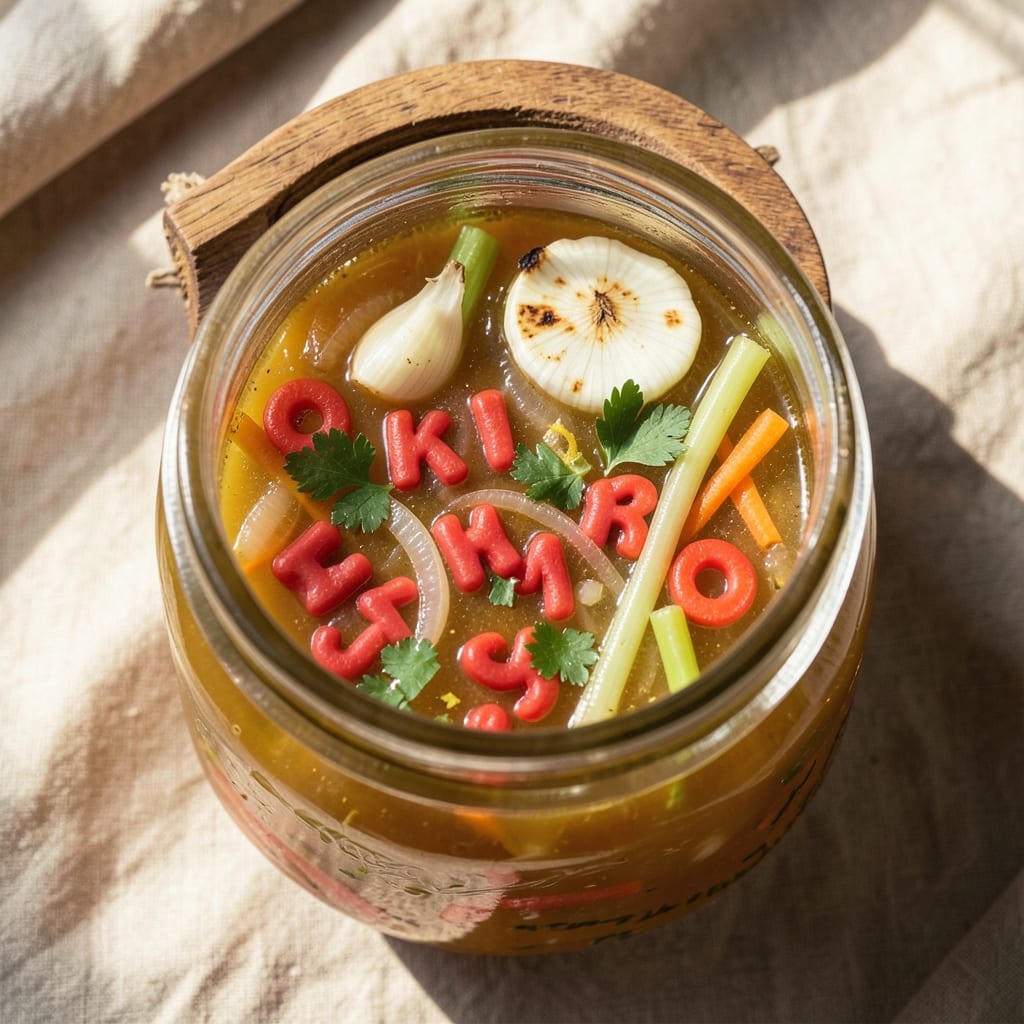
This alphabet soup in a jar recipe brings back the comforting nostalgia of childhood while offering a practical, meal-prep-friendly solution for busy families. The beauty of this dish lies in its simplicity—just pantry staples like broth, alphabet pasta, and seasonal vegetables simmered into a hearty, flavorful soup that can be stored for weeks. I developed this recipe after realizing how often we reach for canned soups when a homemade version would be far more satisfying and customizable.
The key to this recipe is balancing bold flavors with easy assembly. You’ll start with a rich broth base, then add alphabet pasta and vegetables that soften perfectly during simmering. The optional proteins—like ground turkey or shredded chicken—can be added for extra heartiness, making this soup versatile for any meal. What makes it truly special is how well it stores: once sealed in jars, it keeps for up to five days in the fridge or three months in the freezer, ready to warm up on a chilly day.
What you’ll end up with is a warm, comforting soup that’s as easy to reheat as it is to make. The alphabet pasta adds a playful touch, while the vegetables and broth create a depth of flavor that’s hard to beat. Whether you’re prepping for the week or freezing batches for later, this recipe delivers restaurant-quality results without the fuss. The best part? Every spoonful tastes like a hug from your childhood kitchen.
Perfect for meal prepping, potlucks, or quick weeknight dinners, this alphabet soup is a game-changer for families. Let’s get started—your pantry (and freezer) will thank you.
Ingredients for alphabet soup in a jar
Pantry staples and seasonal veggies transform into nostalgic comfort in jars.
| Ingredient | Amount | Notes |
|---|---|---|
| Chicken or Vegetable Broth 💧 | 6 cups | Low-sodium preferred for flavor control |
| Alphabet Pasta 🍝 | 12 oz | Uncooked, any shape variety |
| Carrots 🥕 | 1 ½ cups | Baby carrots or diced whole carrots |
| Celery Stalks 🧅 | 2 whole | Diced, about 1 cup total |
| Onion 🧅 | 1 whole | Yellow or white, diced |
| Garlic Cloves 🧄 | 3 cloves | Minced for depth of flavor |
| Tomato Paste 🍅 | 2 tbsp | For richness, not canned tomatoes |
| Dried Parsley 🌿 | 1 tbsp | Or 2 tbsp fresh chopped parsley |
| Black Peppercorns 🌶️ | ½ tsp | Freshly cracked for best flavor |
| Bay Leaves 🌿 | 2 whole | Remove before serving |
| Ground Turkey or Shredded Chicken 🍗 | 1 lb | Optional protein addition |
| Salt 🧂 | 1 ½ tsp | Adjust to taste after cooking |
| Olive Oil 🫒 | 1 tbsp | For sautéing vegetables |
The broth is your flavor foundation—low-sodium options let you control the seasoning better. I always grab Kirkland Signature or Swanson for their clean taste, but any good-quality store brand works. For the alphabet pasta, De Cecco or Barilla are my go-tos—they hold up perfectly during freezing. The carrots and celery should be fresh, crisp (no rubbery stalks!) and the onion needs to be yellow or white for that classic soup flavor. If you're using ground turkey, 93% lean gives you the best texture without drying out the soup.
No chicken broth? Vegetable broth works just as well—just add a bouillon cube if you need extra depth. Short on celery? Substitute with more carrots or zucchini, but keep the total veggie volume at 3 cups. Fresh parsley is ideal, but dried works in a pinch—just use one-third the amount. The tomato paste is non-negotiable here—it adds that umami richness that canned tomatoes can't match. For the protein, shredded rotisserie chicken is my lazy-day favorite—just tear it into bite-sized pieces.
This soup is a meal-prep dream—five days in the fridge or three months frozen. I use wide-mouth mason jars for easy reheating, and they stack perfectly in the freezer. For freezing, let the soup cool completely first, then seal with a thin layer of olive oil on top to preserve freshness. The pasta might get a little mushy after reheating, but that's part of the charm. Portion into jars while still hot so the vacuum seal works best.
Why You'll Love This Recipe
- No-Chop Nightmare: The celery and carrots? Just toss them in whole—no dicing, no peeling, no mess. That’s right, the jar’s magic handles it all while simmering.
- Broth Bomb: Vegetable or chicken—either way, the broth soaks into the pasta like a hug. Honestly, the way the alphabet shapes cling to that savory base? Pure satisfaction.
- Lunchbox Legend: Between us, this is my go-to for school lunches or office meals. Cold or reheated, the pasta stays firm, and the veggies? Still crisp enough to crunch.
- Pantry Powerhouse: Onion, celery, carrots—those are my "I’ve got nothing" staples. Add broth and pasta, and boom: a meal that costs next to nothing but feels like a treat.
Step-by-step instructions for alphabet soup in a jar
Here's how to transform simple pantry staples into a nostalgic, comforting bowl of alphabet soup.
🍳 Step 1: Sauté the Vegetable Base
Heat the 1 tablespoon olive oil in a large pot over medium heat. Add the 1 whole onion and 2 whole celery stalks (previously diced), cooking for 5 minutes until softened. You'll know they're ready when they release their moisture and begin to caramelize slightly at the edges.
Add the 1.5 cups carrots (diced if using whole carrots) and continue cooking for another 4 minutes until the carrots start to soften. Stir occasionally to prevent sticking—this is where the foundational flavors develop. The vegetables should smell sweet and earthy, a sign they're releasing their natural sugars and aromas.
🍳 Step 2: Add Aromatics and Tomato Paste
Push the vegetables to one side of the pot and add the 3 cloves garlic cloves (minced) to the empty space. Sauté for 30 seconds until fragrant—this quick cooking prevents the garlic from burning. Stir to combine with the vegetables, then add the 2 tablespoon tomato paste and mix well.
Cook for 1 minute to toast the tomato paste, which deepens its flavor and removes any raw taste. This step creates a rich, slightly sweet base that ties all the ingredients together. The paste will darken slightly as it cooks, indicating it's releasing its full flavor potential.
🍳 Step 3: Build the Broth and Season
Pour in the 6 cups chicken or vegetable broth, scraping up any browned bits from the bottom of the pot. Add the 1 lb ground turkey or shredded chicken, 1.5 teaspoon salt, 0.5 teaspoon black peppercorns, 1 tablespoon dried parsley, and 2 whole bay leaves. Stir everything together and bring to a gentle boil over medium-high heat.
Once boiling, reduce the heat to low and let it simmer for 10 minutes. This allows the flavors to meld and the protein to cook through completely. The broth should bubble gently, and you should see the turkey or chicken begin to break down into tender pieces. Skim off any foam that rises to the surface for a cleaner broth.
🍳 Step 4: Cook the Alphabet Pasta
Add the 12 oz alphabet pasta to the simmering pot. Stir gently to coat the pasta with the broth and prevent sticking. Increase the heat to medium and bring back to a gentle boil. Cook for 8-10 minutes, stirring occasionally, until the pasta is tender but still slightly firm.
You'll know it's done when the pasta floats to the surface and a taste test reveals it's cooked through but still holds its shape. Overcooking will turn the pasta mushy, so keep an eye on it during the last few minutes. The broth should be slightly reduced but still flavorful, with the pasta absorbing just enough liquid to be tender.
⏰ Step 5: Finish and Serve
Remove the pot from heat and let the soup sit for 5 minutes to allow the flavors to settle. This resting period lets the pasta finish cooking slightly in the residual heat while the broth absorbs back into the pasta. Remove and discard the 2 whole bay leaves before serving.
Ladle the soup into bowls and serve immediately. The broth should be rich and aromatic, with tender vegetables and perfectly cooked alphabet pasta. The optional protein adds heartiness, while the tomato paste gives a subtle sweetness that balances the savory broth. This soup is perfect for a comforting meal that brings back childhood memories while still feeling like a gourmet creation.
Pro Tips For Making Alphabet Soup In A Jar
- SOAK THE PASTA FIRST: Alphabet pasta is tiny and dries out fast—toss it in warm broth for 5 minutes before sealing the jar. This jumpstarts cooking and keeps the shapes from turning mushy later, especially if you’re storing it for more than a day.
- CHOP VEGETABLES UNIFORM: No one wants a jar full of giant celery stalks or onion chunks—cut everything into ¼-inch pieces so they cook evenly. If you’re lazy (like me), a food processor makes this 30 seconds faster, but a sharp knife works too.
- DON’T SKIP THE SALT: Broth alone won’t taste like much after sitting in a jar—add ½ teaspoon of salt per quart (or to taste) before sealing. If using low-sodium broth, double it. Trust me, you’ll regret it if you don’t.
- STORE WITH AIR GAP: Leave a 1-inch space at the top of the jar before sealing—liquids expand when hot, and a full jar will burst or leak. If you’re freezing it, leave 2 inches. I learned this after a celery-and-carrot explosion in my fridge.
Best sauces and condiments for this alphabet soup in a jar
Classic Broth Boosters
Elevate your alphabet soup with a splash of lemon juice—just 1 tablespoon brightens the broth and cuts through richness. I also love adding 1 teaspoon dried thyme during simmering for an earthy depth. For a smoky touch, stir in ½ teaspoon smoked paprika with the tomato paste. These additions take your soup from basic to restaurant-worthy without overpowering the simple flavors. 💫
Creamy Upgrades
Add ½ cup coconut milk or ¼ cup heavy cream at the end for a velvety texture. Warm the cream separately before stirring to prevent curdling. For a lighter option, blend ½ cup of the soup until smooth, then stir it back in. This creates a silky consistency while keeping the dish family-friendly. The cream also balances the acidity from any added lemon juice beautifully.
Herb Finishes
Fresh herbs make all the difference. Toss in 2 tablespoons chopped fresh parsley or 1 tablespoon chopped chives right before serving. For a bolder flavor, add 1 teaspoon chopped fresh dill—it pairs surprisingly well with the tomato paste. I often garnish with a sprinkle of crumbled feta cheese for a tangy contrast that kids and adults love. 🌿
Spicy Kicks
If your family enjoys heat, add ½ teaspoon red pepper flakes with the tomato paste or a pinch of cayenne pepper during simmering. For a milder kick, stir in 1 teaspoon hot honey or ½ teaspoon sriracha at the end. These additions work especially well if you're using ground turkey or chicken, as the protein helps distribute the spice evenly. Always taste first—adjust to your family's spice tolerance!
Umami Secrets
Boost the savory depth with 1 teaspoon soy sauce or 1 teaspoon fish sauce (trust me, it works!). For a vegetarian option, add 1 teaspoon miso paste with the tomato paste. These ingredients add complexity without altering the soup's nostalgic charm. I also keep a small jar of nutritional yeast on hand—just 1 tablespoon adds a cheesy, umami note that pairs perfectly with the alphabet pasta. 💡
Nutrition facts
Frequently asked questions
Can I make this alphabet soup vegetarian?
Simply omit the ground turkey or shredded chicken and use vegetable broth instead of chicken broth. For extra protein, add white beans or lentils—they blend beautifully with the alphabet pasta and vegetables. The tomato paste and herbs will still provide rich flavor without any meat.
How do I prevent the alphabet pasta from getting mushy when reheating?
Reheat the soup over low heat and add 1-2 tablespoons of water or broth per jar to help restore moisture. Stir frequently and avoid boiling—just warm until steaming. For extra insurance, cook the pasta slightly underdone (8 minutes instead of 10) when first making the soup. This gives it more resilience when reheated.
What's the best way to store this soup in jars?
Let the soup cool completely before sealing in wide-mouth mason jars. For fridge storage (5 days max), leave a 1-inch headspace. For freezing (3 months), leave 2 inches of headspace—the liquid expands when frozen! Seal with a thin layer of olive oil on top to preserve freshness. Always label jars with the date.
Can I add fresh vegetables instead of cooked?
Fresh vegetables work, but they'll need extra cooking time. Add them during the final 5 minutes of simmering—this prevents them from turning to mush. Great options include spinach, peas, or corn. For best results, blanch frozen veggies first (boil 2 minutes, then ice bath) to maintain texture.
Why does my homemade version taste different from canned alphabet soup?
Homemade soup has fresh ingredients and layered flavors that canned versions can't match! The tomato paste, herbs, and slow simmering create depth canned soups lack. For a closer match, add ½ teaspoon MSG or 1 teaspoon bouillon powder—these boost umami without overpowering. The alphabet pasta also tastes fresher when homemade.