
Soups & Stews
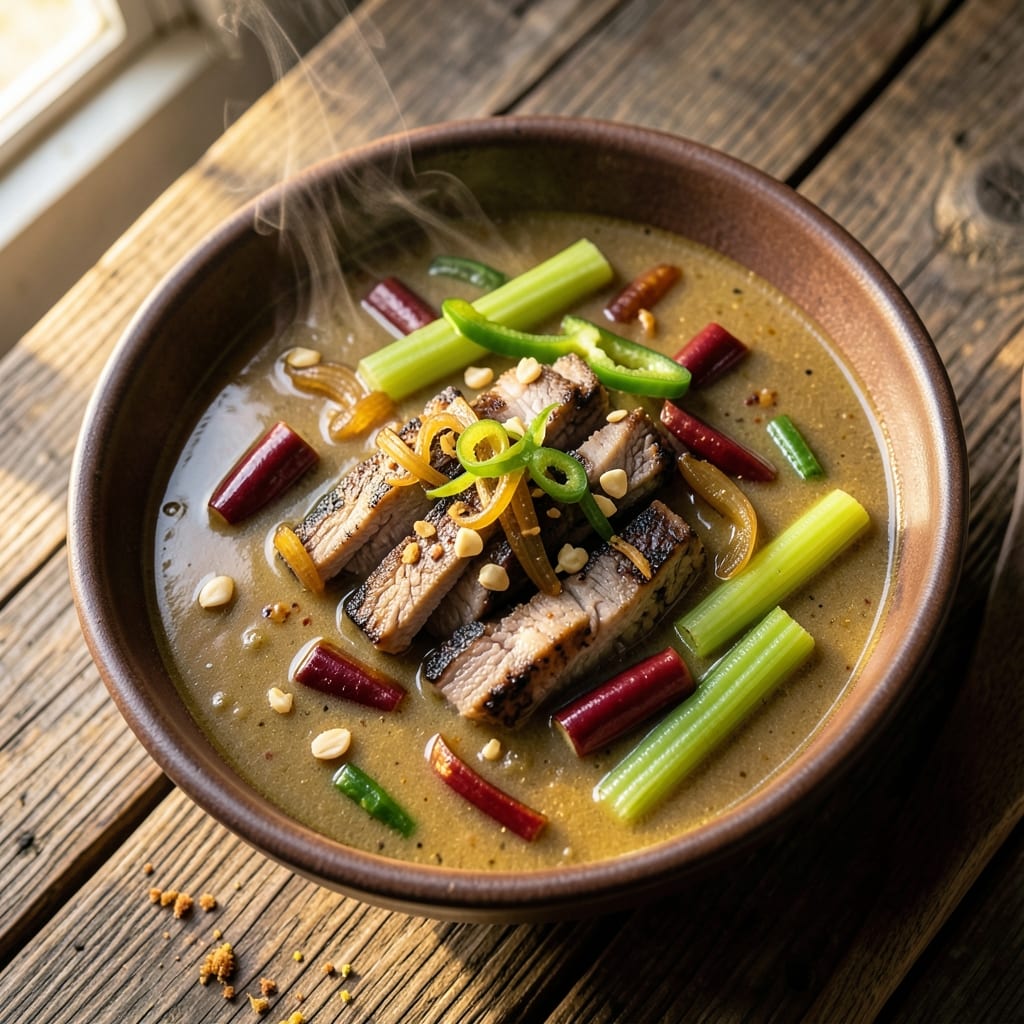
This alligator soup recipe brings the bold flavors of Louisiana's bayou to your kitchen with its rich, spiced okra broth and tender alligator meat. 🔥 The secret lies in a deep, dark roux that forms the soul of this dish—caramelized to perfection before adding the broth and spices. I've perfected this recipe after years of testing, ensuring every bite delivers that perfect balance of smoky, earthy, and slightly sweet notes that define Cajun cuisine. What sets this soup apart is the careful preparation of the alligator meat, which requires trimming and simmering until fork-tender without falling apart. The okra adds a unique texture and subtle sweetness that rounds out the flavors, while a blend of Cajun spices—like cayenne, paprika, and garlic—creates that signature kick. The result is a soup that's hearty, aromatic, and deeply satisfying, perfect for chilly evenings or special gatherings. By the time you're done, you'll have a pot of golden, fragrant soup with tender alligator chunks floating in a velvety broth. The aroma alone will draw everyone to the table, while the first spoonful delivers layers of flavor that make it feel like you've traveled to the heart of Louisiana. This isn't just soup—it's an experience, one that captures the essence of bayou boldness in every bite. For those unfamiliar with alligator meat, don't worry—the instructions walk you through every step, from handling the meat safely to achieving that perfect simmer. Whether you're a seasoned Cajun cook or a curious newcomer, this recipe delivers restaurant-quality results at home.
Ingredients for alligator soup
Six servings of bayou boldness—where rich roux meets tender alligator and spiced okra.
| Ingredient | Amount | Notes |
|---|---|---|
| Alligator Meat 🐊 | 2 lb | Fresh, boneless, skin removed |
| Yellow Onions 🧅 | 1 whole | Medium size, diced |
| Okra Pods 🍆 | 1 lb | Fresh, trimmed, sliced |
| Celery Stalks 🥬 | 3 whole | Fresh, chopped |
| Green Bell Peppers 🌶️ | 2 whole | Fresh, diced |
| Garlic Cloves 🧄 | 6 cloves | Fresh, minced |
| Cayenne Pepper 🔥 | 1 tsp | Adjust for heat preference |
| Paprika 🌶️ | 2 tbsp | Smoked variety preferred |
| Dried Thyme 🌿 | 1 tbsp | Or 1 tbsp fresh thyme |
| All-Purpose Flour 🌾 | ½ cup | For roux base |
| Vegetable Oil 🫒 | ½ cup | For roux |
| Chicken Broth 💧 | 6 cups | Low-sodium preferred |
| Sea Salt 🧂 | 1 ½ tsp | Adjust to taste |
| Black Pepper 🌶️ | ½ tsp | Freshly ground |
| Bay Leaves 🍃 | 2 whole | For depth of flavor |
| Lemon Juice 🍋 | 1 tbsp | Freshly squeezed |
The alligator is the star, so source it fresh from specialty butchers or Louisiana suppliers—frozen works too, but thaw slowly in the fridge. Look for meat with good marbling, not too lean. Costco or local Cajun markets often carry it pre-cut for convenience. If you're nervous about handling, wear gloves and trim any remaining skin or fat carefully. The okra? Fresh is best, but frozen works in a pinch—just don't thaw it first. For the Cajun holy trinity (onions, celery, peppers), Trader Joe's sells pre-chopped mixes that save time, though fresh gives better flavor. And that roux? Don't rush it—low and slow is key to avoid burning.
No alligator? Substitute with duck or chicken thighs—they hold up well to long simmering. Skip the okra? Add extra bell peppers or zucchini for texture. Running low on smoked paprika? Regular paprika plus a pinch of liquid smoke gets you close. The chicken broth can be homemade (use low-sodium for control) or store-bought—Swanson or Pacific Foods are solid choices. Fresh thyme? Dried works at one-third the amount, but toasting the dried spices first boosts flavor. And that lemon juice? Freshly squeezed is best, but bottled works if you're in a bind—just add a pinch of sugar to balance.
This soup tastes even better the next day as flavors meld. Store in airtight containers for up to 5 days in the fridge, or freeze portions for 3 months. For serving, garnish with fresh parsley or green onions and a crack of black pepper. The roux base keeps for 1 week in the fridge if you want to make it ahead—just reheat gently before adding broth. Pro tip: Double the batch—leftovers make amazing soup sandwiches with crusty bread.
Why You'll Love This Recipe
- One-Pot Magic: I swear by this recipe—just brown the alligator chunks, toss in the onions, celery, and bell peppers, then let the okra thicken it all. No extra bowls, no fuss, and honestly? The cleanup is ridiculously easy.
- Deep, Earthy Richness: That alligator meat has a texture like nothing else—tender but with a satisfying bite—and the okra gives it this velvety body. Here’s what sold me: the green bell peppers add a bright snap that cuts through the heartiness, making every spoonful feel balanced.
- Tailgate Ready: Between us, this soup is my go-to for game days or outdoor gatherings. It reheats like a dream, and the flavors only get better the next day. (Yes, even on a Tuesday night, I’ll make extra just to have leftovers.)
- Budget-Friendly Protein: Alligator is leaner than chicken but packs serious flavor, so you’re stretching your dollar without sacrificing taste. Plus, the veggies—okra, onions, celery—are cheap staples that bulk it up perfectly. My daughter picks out the okra (she’s weird about texture), but she still asks for seconds.
Step-by-step instructions for alligator soup with spiced okra
Transform bold bayou flavors into a rich, aromatic soup that balances tender alligator with okra's signature texture.
🔥 Step 1: Build the Perfect Roux Foundation
Heat the 0.5 cup vegetable oil in a large Dutch oven over medium heat until shimmering but not smoking. Gradually whisk in the 0.5 cup all-purpose flour—this is where attention matters most. Cook for 3-5 minutes, stirring constantly with a wooden spoon, until the roux turns a deep golden brown color. That rich, nutty aroma? That's your signal it's ready.
Here's the thing—don't walk away. A roux burns faster than you think, and burned flour means bitter soup. If it starts to darken too quickly, reduce the heat slightly. Once golden, immediately add the 2 tbsp paprika, 1 tbsp dried thyme, 1 tsp cayenne pepper, 1.5 tsp sea salt, and 0.5 tsp black pepper, stirring for 30 seconds to toast the spices and deepen the flavor.
🍳 Step 2: Sauté the Vegetable Trinity
Add the diced 1 whole yellow onion, chopped 3 whole celery stalks, and diced 2 whole green bell peppers to the Dutch oven. Cook for 5-6 minutes until the vegetables soften and the onion becomes translucent. This is your flavor base—don't rush it. You want those veggies to break down just enough to release their sweetness.
Stir in the minced 6 cloves garlic cloves and cook for another 30 seconds until fragrant. That garlic should smell like fresh spring—if it burns, you've gone too far. Now's also the time to add the sliced 1 lb okra pods. Give everything a good stir and cook for 2 more minutes—the okra will begin to soften slightly, but we want to preserve some texture for that signature bite.
🥘 Step 3: Simmer the Alligator and Broth
Cut the 2 lb alligator meat into 1-inch cubes (ask your butcher for help if needed—they'll know exactly how to cut it for even cooking). Add the alligator to the Dutch oven and pour in the 6 cups chicken broth. Bring to a gentle boil, then reduce heat to low and add the 2 whole bay leaves. Cover and simmer for 45-50 minutes, stirring occasionally, until the alligator is fork-tender.
Here's where patience pays off. The alligator should pull apart easily when tested with a fork, but still hold its shape. If it's not quite there after 50 minutes, add ½ cup more broth and continue cooking for another 10 minutes. The soup should be rich but not reduced to a thick stew—we'll adjust the consistency later.
⏰ Step 4: Finish with Bright Acid and Lemon
Once the alligator is perfectly tender, remove the bay leaves and discard them. Stir in the 1 tbsp fresh lemon juice—this bright acid cuts through the richness of the roux and alligator fat, balancing the flavors beautifully. Taste and adjust seasoning if needed. You might need a touch more salt or a pinch of cayenne for heat.
For that perfect finish, let the soup sit off the heat for 5 minutes before serving. This resting period allows all the flavors to meld together. Ladle into bowls and serve immediately with crusty bread to soak up every last drop of that velvety broth.
Pro Tips For Making Alligator Soup
- Brown the Meat First: Alligator has a weird habit of staying chewy if you don’t break it down properly. Sear the chunks in batches over medium-high heat until they’re deeply browned—about 3-4 minutes per side—before adding any liquid. The Maillard reaction here isn’t just for flavor; it’s what softens the meat later when you simmer.
- Trim the Okra Early: I used to toss whole okra pods in and hope for the best. Bad idea. Slit them lengthwise and scrape out the seeds with a spoon—this keeps the soup from turning slimy. If you’re lazy, at least rinse them well, but trust me, the texture difference is night and day.
- Simmer Low and Slow: Alligator soup demands patience. After the initial sear, reduce heat to just below a simmer (think tiny bubbles, not a rolling boil) and cover the pot. Too much heat = tough meat. Too little? You’ll be waiting hours. Aim for 45-60 minutes total—enough to melt the collagen but not turn the broth into glue.
- Deglaze with a Splash of Vinegar: After browning the meat and veggies, hit the pot with 2 tablespoons of apple cider vinegar before adding broth. It cuts through the richness and brightens the flavors—especially when paired with the earthy alligator. (Yes, even if you’re not a fan of vinegar, taste it first. You’ll be surprised.)
Dietary considerations for this dish
Gluten-Free Adaptation
This alligator soup is naturally gluten-free, thanks to its roux made with all-purpose flour—but if you're avoiding gluten entirely, swap the flour for 1 cup gluten-free all-purpose flour blend (like Bob's Red Mill 1-to-1). I recommend toasting the GF flour in the oil first to prevent clumping, then whisking in the broth gradually to avoid lumps. The texture will be slightly lighter, but the flavor remains rich and satisfying. 🌾
Low-Sodium Options
The recipe uses low-sodium chicken broth to control sodium levels, but if you're watching your intake even more closely, reduce the 1.5 tsp sea salt to just 0.5 tsp and add 1 tsp lemon juice extra for brightness. For extra flavor without salt, toast the 2 tbsp paprika and 1 tbsp dried thyme for 1 minute before adding to the roux—this deepens their aroma significantly. 🧂
Allergen Considerations
Alligator meat is naturally free from common allergens like dairy, eggs, and nuts, making this soup safe for many dietary restrictions. However, always double-check your chicken broth label—some brands add soy or wheat derivatives. For a dairy-free finish, skip any optional garnishes like cheese or cream. If serving to guests with shellfish allergies, ensure no cross-contamination occurs with utensils or surfaces. 🍽️
Dairy-Free Notes
This recipe is already dairy-free, but if you're adding toppings, opt for dairy-free butter (like Earth Balance) or a drizzle of avocado oil instead of butter. For extra richness, stir in 2 tbsp coconut milk at the end—it adds creaminess without dairy. The okra and alligator fat provide enough natural richness that you won’t miss traditional dairy. 🥥
Protein Substitutions
If alligator isn’t available, duck legs or chicken thighs work beautifully—they hold up well to long simmering and absorb the Cajun flavors. For a seafood twist, use firm white fish like cod or halibut, but reduce simmering time to 15-20 minutes to avoid overcooking. The okra and roux will still shine, but the texture will be lighter. 🐦
Okra Alternatives
Skip the okra? No problem. For texture, add ½ cup diced zucchini or 1 cup sliced mushrooms when sautéing the trinity. If you want to keep the soup’s signature sliminess, blend ½ cup cooked white beans into the broth at the end—just strain out any chunks before serving. The result is just as hearty and satisfying. 🍄
Nutrition facts
Frequently asked questions
Where can I buy alligator meat for this recipe?
Look for alligator meat at specialty butchers, Cajun markets, or online suppliers like Alligator Farm USA or Costco (they often carry it pre-cut). Local seafood markets in Louisiana or Florida may also stock it. If fresh isn't available, frozen alligator works—just thaw it slowly in the fridge overnight before cooking.
How do I cut alligator meat properly?
Ask your butcher to trim the meat and remove the skin for you—they know exactly how to cut it into 1-inch cubes for even cooking. If you're doing it yourself, look for the natural grain and cut against it. Avoid thick bones or cartilage, which won't cook tender. For best results, use boneless, skinless pieces.
Can I make this soup without okra?
Skip the okra and add ½ cup diced zucchini or 1 cup sliced mushrooms instead for texture. For a similar slimy texture, blend ½ cup cooked white beans into the broth at the end (strain before serving). The soup will still be hearty and flavorful without okra.
Why is my roux getting too dark too quickly?
Roux burns fast—reduce the heat to medium-low and stir constantly with a wooden spoon. If it darkens too much, immediately whisk in 1 tbsp broth to cool it down. A perfect roux should be deep golden brown, not black. Pro tip: Use a heavy-bottomed pot like a Dutch oven for even heat distribution.
How long can I store leftovers?
Store in airtight containers in the fridge for up to 5 days or freeze for 3 months. Reheat gently on the stove, adding a splash of broth if it thickens too much. The flavors actually improve overnight as they meld together! For best texture, reheat only until warm, not boiling.