
Soups & Stews
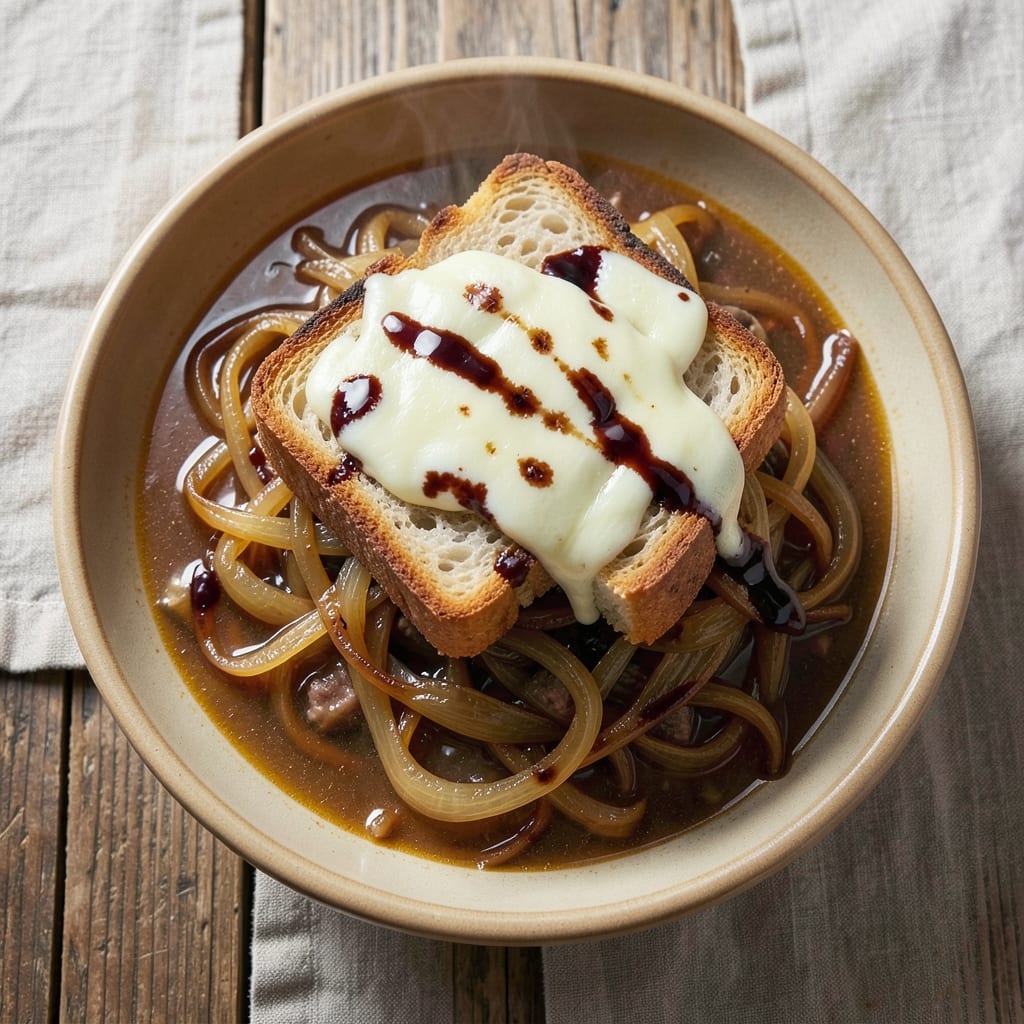
This Ale House French Onion Soup delivers the ultimate comfort in every steaming bowl—caramelized onions layered with rich beef broth and crowned with melted Gruyère cheese. The secret lies in slow-cooked onions that develop deep, sweet notes, while a touch of ale adds complexity that elevates this classic. Perfect for chilly evenings or special occasions, this recipe balances tradition with a modern twist that keeps it restaurant-worthy at home.
The foundation starts with onions cooked low and slow until they turn golden and jammy, releasing their natural sugars. A beef broth infused with aromatics and a splash of ale builds the flavor base, while a splash of balsamic vinegar at the end adds brightness. The result? A soup so rich and satisfying, it feels like a hug in a bowl.
When it hits the oven, the Gruyère transforms into a golden, bubbling blanket that seals in all the savory goodness. The contrast between the crispy cheese crust and tender onions creates the perfect texture—creamy, aromatic, and impossible to resist. Serve with crusty bread for dipping, and you’ve got a dish that’s equal parts nostalgic and refined.
This isn’t just soup—it’s a weeknight masterpiece that feels like a celebration. The technique is straightforward, but the flavor is anything but basic. Whether you’re feeding a crowd or treating yourself to a cozy meal, this recipe delivers restaurant-quality results with minimal effort. Let’s get started!
Ingredients for ale house french onion soup
Six ingredients transform into a restaurant-worthy Ale House French Onion Soup masterpiece.
| Ingredient | Amount | Notes |
|---|---|---|
| Yellow Onions 🧅 | 4 lb | Thinly sliced, uniform thickness |
| Beef Broth 🥫 | 6 cups | Homemade or high-quality store-bought |
| Dark Ale 🍺 | 1 cup | Stout or porter for depth |
| Balsamic Vinegar 🍶 | 2 tbsp | For brightness and acidity |
| Gruyère Cheese 🧀 | 2 cups | Freshly grated, aged variety |
| Butter 🧈 | ½ cup | Unsalted, for caramelizing onions |
| Garlic Cloves 🧄 | 4 cloves | Minced, for aromatic depth |
| Fresh Thyme 🌿 | ¼ cup | Chopped, for herbal notes |
| Bay Leaves 🌿 | 2 whole | For subtle earthy flavor |
| Salt 🧂 | 1 ½ tsp | Diamond Crystal preferred |
| Black Pepper 🌶️ | ½ tsp | Freshly cracked for heat |
| All-Purpose Flour 🌾 | 1 tbsp | For thickening broth |
| Crusty Bread 🍞 | 6 slices | For serving, optional |
The onions are non-negotiable here—4 pounds of yellow onions is the sweet spot for that deep, jammy caramelization. Whole Foods or Trader Joe's carry the sweetest varieties, but any yellow onion works if it's fresh. Look for plump, firm bulbs with papery skins—those are your winners. The Gruyère? Gouda or Emmental can't compete—this cheese melts into that perfect golden crust. I always grab mine from specialty cheese shops when I can, but the pre-grated stuff from Whole Foods is a solid backup if you're in a pinch. For the ale, stout or porter adds the best depth—Guinness or Newcastle are my go-tos, but any dark ale will work.
No dark ale? Substitute with beef broth plus 1 tbsp of molasses for that malty depth. Fresh thyme is ideal, but dried at one-third the amount works in a bind. The flour for thickening? King Arthur or Bob's Red Mill are my favorites—they blend smoothly without clumping. If you're making this ahead, the onions caramelize best when refrigerated overnight—their flavors meld even more beautifully. The balsamic vinegar is where the magic happens, so don't skimp. High-quality balsamic (like Giovanni Rossi) makes all the difference—it's worth the splurge for this dish.
The soup tastes even better the next day, so make a big batch. Store it in the fridge for up to 4 days, covered tightly. For the cheese topping, add it fresh when baking—it melts into that perfect golden crust. If you're prepping ahead, keep the cheese separate until serving. The bread? Baguette slices toasted in the oven until crispy are ideal, but any crusty bread works. Freeze portions without the cheese—it reheats beautifully and you can add the cheese fresh before serving.
Why You'll Love This Recipe
- One-Pot Magic: I swear by this recipe because it’s literally one pot. Caramelize those onions until they’re sticky and golden—no extra pans, no fuss—then just add broth, ale, and a splash of balsamic. The dark ale cuts through the sweetness while beef broth keeps it rich, and honestly? That’s where the real work ends.
- Caramelized Crunch: The onions here aren’t just cooked—they’re transformed. Slow caramelization until they’re deep amber and jammy, then topped with melted Gruyère so crispy it shatters like glass. Between us, that contrast is what makes it ridiculous good. (Yes, even on a Tuesday night.)
- Game for Any Gathering: This soup doubles as a cozy appetizer or a hearty main—just toss in a crusty baguette or a side salad. I’ve served it at potlucks, game nights, and even as a "fancy" dinner when I didn’t want to cook much. The balsamic adds a tangy depth that makes it feel special without the effort.
- Budget-Friendly Leftovers: A single batch feeds four but tastes even better the next day. The Gruyère keeps it creamy, the ale adds complexity, and the onions? They get more intense in flavor. I’ll be real: I’ve reheated this soup three times and still crave it. Plus, using store-brand beef broth and a cheap dark ale keeps costs low without sacrificing taste.
Step-by-step instructions for ale house french onion soup
Here's how to build layers of caramelized sweetness and rich, cheesy comfort in every spoonful.
Caramelize the Onions to Sweet Perfection
Heat a large Dutch oven over medium-low heat and melt the 0.5 cup butter until foaming. Add the 4 lb yellow onions, sliced uniformly, and stir to coat completely. The butter should sizzle gently but not brown immediately.
Cook the onions for 45-50 minutes, stirring occasionally, until they transform into a deep golden-brown mass. You're aiming for a jam-like consistency with intense sweetness and caramelized edges. I like to press down on the onions with a wooden spoon during the last 10 minutes to help them break down faster. If they start to darken too quickly, reduce the heat slightly.
Add the 4 cloves minced garlic, 0.25 cup chopped fresh thyme, and 2 whole bay leaves during the last 5 minutes of cooking. These aromatics will infuse the onions with their signature flavors while they finish caramelizing. The mixture should smell like a cozy ale house on a chilly evening.
Build the Rich Broth Base
Stir in the 1 tbsp all-purpose flour and cook for 1 minute to remove any raw flour taste. Slowly pour in the 6 cups beef broth while whisking continuously to prevent lumps. Bring the mixture to a gentle simmer over medium heat.
Add the 1 cup dark ale and 2 tbsp balsamic vinegar, then season with 1.5 tsp salt and 0.5 tsp black pepper. The ale adds depth and a subtle malty note that pairs beautifully with the caramelized onions. Simmer the soup uncovered for 20-25 minutes to allow the flavors to meld together and the broth to thicken slightly.
Here's the thing—don't rush this step. The longer the soup simmers, the more complex and layered the flavors become. The broth should reduce just enough to coat the back of a spoon but still remain liquid enough to ladle easily.
Prepare the Bread for Topping
While the soup simmers, preheat your broiler to high. Toast the 6 slices crusty bread on both sides until golden and crisp. I like to place them on a baking sheet and broil for 2-3 minutes per side, watching carefully to prevent burning. The bread should be firm enough to hold its shape when placed on top of the soup.
Real talk: the bread topping is what makes this soup truly special. The contrast between the crispy toast and the velvety soup creates the perfect textural experience. You can also cut the bread into rounds or leave it as is—it's entirely up to your preference.
Assemble and Melt the Gruyère
Ladle the hot soup into oven-safe bowls, placing one toasted bread slice on top of each portion. The bread should float slightly above the soup surface. Sprinkle each bowl generously with the 2 cups freshly grated Gruyère cheese, making sure to cover the bread completely.
Place the bowls under the broiler for 3-5 minutes, watching closely as the cheese begins to bubble and turn golden brown. You want the cheese to melt completely and develop a beautiful, crispy crust on top. If the cheese starts to brown too quickly, move the bowls slightly away from the heat source.
This is the moment that matters: the cheese should be fully melted with a glossy, golden-brown surface. The heat from the broiler creates that perfect pull-apart texture that makes every bite irresistible. The cheese should be gooey in the center but crispy on the edges.
Pro Tips For Making Ale House French Onion Soup
- CRISP THE ONIONS LOW AND SLOW: I used to blast them on high heat and end up with burnt edges before they softened. For this soup, drop the heat to medium-low once they start caramelizing—you’re aiming for deep golden, not blackened. Patience here means the whole dish tastes richer.
- USE STALE ALE FOR DEPTH: Fresh ale tastes bright and boozy in the soup; stale or reduced ale adds malt sweetness and complexity. If you’re using fresh, simmer it uncovered for 10 minutes first to mellow the alcohol—trust me, your soup won’t taste like a pub draft.
- SALT THE BROTH LIKE THE SEA: Skip the salted broth shortcut. Use unsalted beef broth and add 1.5 teaspoons of salt per quart before you even add the onions. This lets the flavors meld properly—rushing the salt later leaves your soup tasting flat, even if the cheese melts perfectly.
- GRATE THE CHEESE FRESH, DON’T PRE-SHRED: Pre-shredded Gruyère has anti-caking agents that make the cheese turn gummy when melted. Grate it yourself with a box grater right before topping the soup—it browns better, melts cleaner, and tastes like actual cheese, not sawdust. (Yes, even if it’s a pain.)
Perfect pairings for ale house french onion soup
Beverage Pairings
This rich, cheesy soup pairs beautifully with dark ales or stouts—the malty notes complement the caramelized onions perfectly. I love serving it with a Guinness or Newcastle Brown Ale to enhance the soup's depth. For wine lovers, a Pinot Noir with its earthy undertones balances the richness without overpowering. 🍷
Side Dish Harmony
A simple arugula salad with lemon vinaigrette cuts through the soup’s richness. Toss 4 cups baby arugula with 2 tbsp olive oil and 1 tbsp fresh lemon juice for a bright contrast. Alternatively, garlic roasted Brussels sprouts add a crisp, savory bite that stands up to the soup’s creaminess.
Bread Pairing Perfection
Serve with crusty baguette slices for dipping—each bite of the toasted bread soaks up the cheesy, onion-infused broth. For a heartier option, offer sourdough croutons on the side. I like to toast them with 1 tbsp butter and a pinch of flaky sea salt to elevate their flavor. 🍞
Dessert Contrast
End the meal with something light to balance the soup’s richness. A dark chocolate tart with raspberry coulis provides a sweet-tart contrast, while vanilla bean ice cream offers a creamy finish. For a simpler option, espresso or chai tea cleanses the palate and complements the ale’s malty notes.
Cheese Board Add-On
Set out a small cheese board with Gruyère, aged Gouda, and a sharp cheddar alongside the soup. Pair with walnuts, dried apricots, and honey for a sweet-savory bite. The cheese board adds a communal element, making the meal feel even more special. 🧀
Seasonal Variations
In summer, serve the soup chilled with a sparkling wine or dry cider to refresh the palate. For winter gatherings, add a spiced rum glaze drizzle (mix 2 tbsp rum with 1 tbsp maple syrup) over the cheese for warmth. The contrast of cold and warm elements makes it unforgettable. ❄️
Nutrition facts
Frequently asked questions
Can I make this soup vegetarian?
Replace the beef broth with mushroom or vegetable broth and use vegetable-based ale (like a dark beer or non-alcoholic stout). For extra depth, add 1 tbsp soy sauce or 1 tsp miso paste to mimic the umami from beef. The caramelized onions and Gruyère will still shine, making it just as rich and satisfying.
How do I prevent the bread from getting soggy?
Toast the bread slices until deep golden brown and place them on a wire rack over a baking sheet while the soup simmers. This creates airflow and prevents moisture from seeping in. When assembling, place the toasted bread directly on the soup—don't press it down. The broiler will melt the cheese quickly, creating a protective crust that keeps the bread crisp.
What's the best way to store leftovers?
Store the soup (without cheese) in an airtight container in the fridge for up to 4 days. Keep the cheese separate and add it fresh when reheating. To serve, warm the soup on the stovetop or microwave, then broil with fresh cheese for 2-3 minutes to recreate that golden melt. The flavor actually improves overnight as the onions' sweetness deepens!
Can I use a different cheese besides Gruyère?
Yes! For a nutty flavor, try Comté or aged Emmental. If you prefer something sharper, Parmigiano-Reggiano adds a bold kick. For a creamy texture, fontina melts beautifully. Just note that Gruyère's mild sweetness is ideal for balancing the caramelized onions. Mix cheeses for a custom flavor profile!
Why did my onions burn instead of caramelizing?
Caramelization requires patient, low heat—never rush this step! If your onions brown too quickly, reduce the heat to medium-low and add a splash of water or broth to deglaze the pan. Stir frequently to prevent sticking, and avoid high heat that causes burning. The key is 45-50 minutes of gentle cooking until jammy and golden.