
Soups & Stews
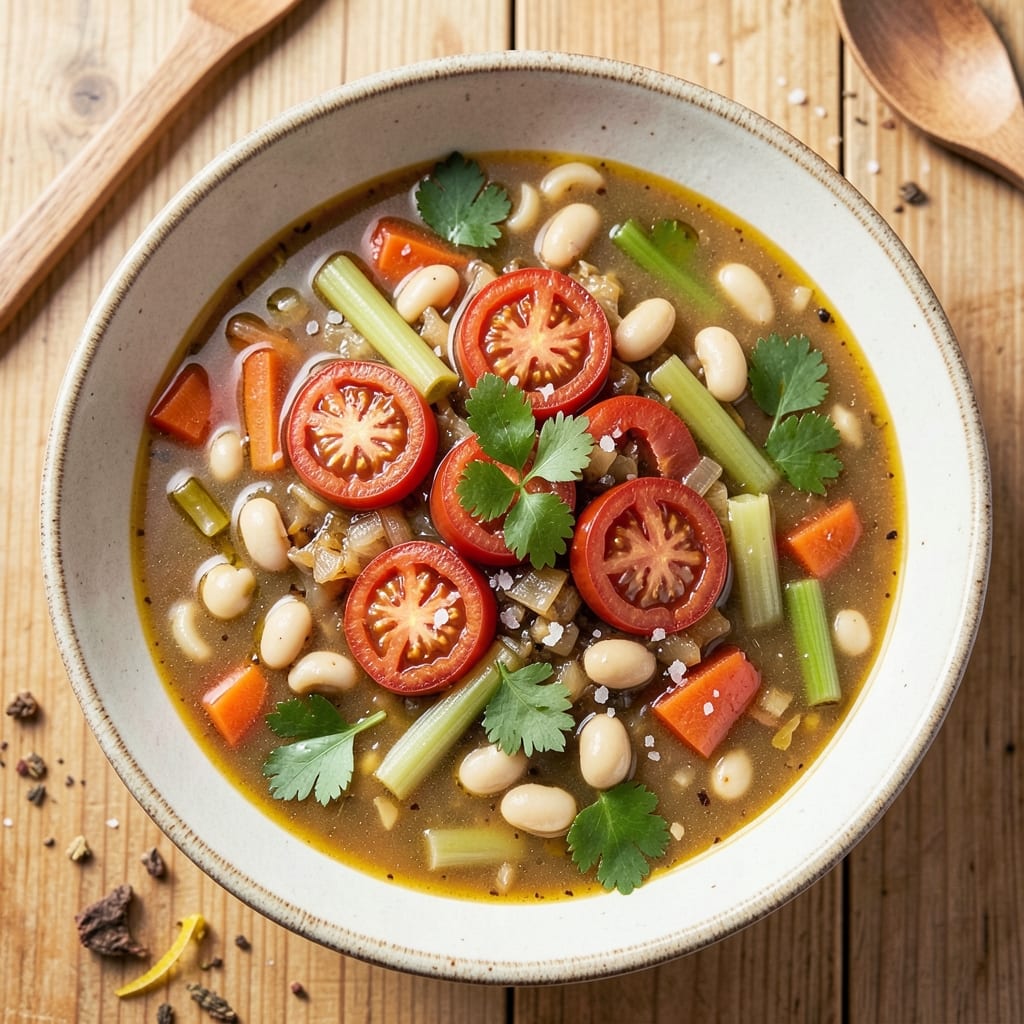
This 5-star minestrone soup transforms humble ingredients into a hearty, restaurant-worthy bowl of Italian comfort. 💛 The secret lies in layered flavors—sautéed aromatics, slow-simmered broth, and a mix of vegetables that balance earthy, sweet, and savory notes. Unlike quick versions, this recipe builds depth through proper technique, ensuring every spoonful delivers that authentic Italian taste you crave.
What sets this apart is the attention to detail: caramelizing onions and garlic to deepen flavor, adding beans and tomatoes in stages for perfect texture, and finishing with fresh herbs that brighten the broth. The result is a soup that's rich yet light, filling yet refreshing—ideal for chilly days or cozy weeknights. No fancy equipment is needed, just a large pot and patience for simmering.
By the time you ladle this into bowls, you'll have a golden, aromatic soup with tender vegetables, hearty beans, and a broth so flavorful it'll have everyone asking for seconds. The beauty of minestrone is its versatility—customize it with seasonal veggies or swap ingredients based on what you have. This is the kind of soup that feels like a hug in a bowl.
Serve it with crusty bread for dipping or a sprinkle of Parmesan for extra richness. The best part? Leftovers taste even better the next day as flavors meld further. Let's get cooking—your taste buds will thank you.
Ingredients for 5 star minestrone soup
Humble ingredients transform into restaurant-worthy Italian comfort with proper technique and patience.
| Ingredient | Amount | Notes |
|---|---|---|
| Yellow Onion 🧅 | 1 ½ cups | Diced, about 1 large onion |
| Garlic Cloves 🧄 | 4 cloves | Minced, fresh preferred |
| Carrots 🥕 | 2 cups | Diced, medium size preferred |
| Celery Stalks 🥬 | 3 stalks | Diced, about 1 cup |
| Canned Diced Tomatoes 🍅 | 2 cups | San Marzano preferred |
| Vegetable Broth 💧 | 6 cups | Low-sodium preferred |
| Canned Cannellini Beans 🌱 | 1 ½ cups | Drained and rinsed |
| Canned Kidney Beans 🌱 | 1 cup | Drained and rinsed |
| Zucchini 🥒 | 1 ½ cups | Diced, medium size preferred |
| Fresh Basil Leaves 🌿 | ½ cup | Chopped, stems removed |
| Fresh Parsley Leaves 🌿 | ¼ cup | Chopped, for garnish |
| Extra-Virgin Olive Oil 🫒 | ½ cup | For sautéing aromatics |
| Dried Oregano 🍃 | 1 tsp | Italian preferred |
| Salt 🧂 | 1 ½ tsp | Kosher or sea salt |
| Black Pepper 🌶️ | ½ tsp | Freshly ground preferred |
The base of this soup starts with the aromatics—onions, garlic, carrots, and celery. Freshly chopped is ideal, but frozen works in a pinch. For the best flavor, caramelize the onions until golden—this takes about 15 minutes but is worth the effort. I always grab organic carrots and celery from the grocery store's produce section, especially if they're on sale. The San Marzano tomatoes? Worth every penny for that authentic Italian taste, but regular canned tomatoes work fine if you're on a budget. Just make sure they're not watery.
No fresh herbs? Dried basil or parsley at one-third the amount gets you close. Short on zucchini? Substitute with yellow squash or even more carrots—this soup is all about flexibility. The beans can be swapped too: white beans or chickpeas work just as well. For extra richness, stir in a splash of vegetable stock or even a spoonful of tomato paste if you've got it. The key here is balancing flavors—sweet from the carrots, earthy from the celery, and savory from the beans and broth. Taste as you go!
This soup tastes even better the next day, so make a big batch—it reheats beautifully. Store leftovers in the fridge for up to 5 days or freeze for 3 months. I like to portion it into containers for easy lunches. For serving, a sprinkle of Parmesan cheese and a drizzle of olive oil takes it to the next level. The fresh herbs should go in last—just before serving—to keep their vibrant color and aroma.
Why You'll Love This Recipe
- No-Chop Shortcuts: I swear by the "soak-and-slice" trick for carrots and celery—just drop them in boiling water for 3 minutes, then shock in ice. The onions and garlic? One pot, one knife, five minutes max. Honestly, the hardest part is deciding whether to dice the tomatoes by hand or just use the canned chunks.
- Tomato-Garlic Magic: That canned tomato base isn’t just filling—it’s the star. The acidity cuts through the sweetness of the carrots while the garlic (roasted lightly in the pot first) builds layers of warmth. Between us, I’ve had minestrone that’s bland, but this? It’s the kind of soup that makes you close your eyes mid-sip.
- Lunchbox Hero: Cold the next day? Even better. The flavors meld into something heartier, and it’s my go-to for packed lunches—just reheat or eat straight from the jar. My college-aged kid brings it back "still delicious" after three days. (Yes, even on a Tuesday night.)
- Pantry Goldmine: Carrots, celery, onions—those are the cheap veggies that last forever. Add a can of tomatoes and a handful of beans or pasta, and you’ve got a meal that costs less than takeout. I’ll be real: I’ve made this soup with whatever was in the crisper, and it’s never let me down. Budget-friendly doesn’t mean boring.
Step-by-step instructions for herb-infused minestrone soup
Let's create a restaurant-quality minestrone that's hearty, flavorful, and full of Italian tradition.
🍳 Step 1: Sauté the Aromatic Vegetable Base
Heat the 0.5 cup extra-virgin olive oil in a large Dutch oven or deep pot over medium heat. Add the 1.5 cups diced yellow onion and cook for 5 minutes until softened and translucent. You'll notice the onions release their sweet aroma and begin to caramelize slightly at the edges.
Add the 3 stalks diced celery and 2 cups diced carrots to the pot. Stir well to combine with the onions, then cook for another 5-6 minutes until the vegetables begin to soften and the mixture releases its natural juices. This step builds the flavor foundation—don't skip it, as these aromatics carry the soup's depth.
When the vegetables are tender but still have a slight bite, add the 4 cloves minced garlic and 1 tsp dried oregano. Stir for 30 seconds until the garlic becomes fragrant—this is when your kitchen will smell like a true Italian nonna's kitchen. The garlic should sizzle gently without browning, which would make it bitter.
🥘 Step 2: Build the Soup with Tomatoes and Beans
Pour in the 2 cups canned diced tomatoes and stir to combine with the vegetable mixture. Let it cook for 2 minutes to allow the tomatoes to break down slightly and meld with the aromatics. You'll see the mixture darken and deepen in color—this is the moment the flavors start to marry.
Add the 6 cups vegetable broth, 1.5 tsp salt, and 0.5 tsp black pepper to the pot. Bring everything to a gentle boil over medium-high heat, then reduce the heat to medium-low to maintain a steady simmer. This is where the magic happens—let it bubble gently for 10 minutes to allow the flavors to develop.
After 10 minutes, stir in the 1.5 cups drained cannellini beans and 1 cup drained kidney beans. These beans add hearty texture and protein. Let the soup simmer for another 5 minutes to heat through completely. The beans should be warm throughout, but still hold their shape—overcooking will make them mushy.
🔥 Step 3: Finish with Zucchini and Fresh Herbs
Add the 1.5 cups diced zucchini to the pot and simmer for 4-5 minutes until tender but still holding its shape. The zucchini should be bright green and just barely fork-tender—this ensures it doesn't turn to mush. You'll know it's perfect when it's easily pierced with a fork but still has a slight resistance.
Remove the pot from heat and stir in the 0.5 cup chopped fresh basil leaves. Let the soup sit off the heat for 5 minutes to allow the basil to infuse its bright, fresh flavor. This is where the soup transforms from good to extraordinary—the basil adds that final touch of freshness that makes it taste homemade.
Taste and adjust the seasoning if needed. I usually add a pinch more salt or a crack of black pepper at this stage. The soup should be well-seasoned but not overpowering—each ingredient should be identifiable and balanced.
🍽️ Step 4: Serve with Fresh Garnish and Crusty Bread
Ladle the soup into bowls and garnish each serving with a sprinkle of 0.25 cup chopped fresh parsley leaves. The parsley adds a pop of color and freshness that makes the soup visually appealing and delicious. I like to serve it immediately while the herbs are still vibrant and the soup is steaming hot.
For the full Italian experience, serve with warm crusty bread on the side. The bread soaks up the flavorful broth beautifully, and each bite becomes a complete meal. This soup is perfect for chilly days or as a comforting meal any time of year—it's packed with vegetables, protein, and flavor that will satisfy everyone at the table.
Pro Tips For Making 5 Star Minestrone Soup
- Sweat, Don’t Burn: The onions and celery should be soft and translucent, not brown—high heat turns them bitter fast. Start on medium, add a splash of water if they stick, and stir like you mean it. I learned this the hard way when my soup tasted like charred cardboard.
- Slice Carrots Thin: Thin, even slices cook faster and stay tender. Skip the big chunks unless you’re okay with mushy bits lurking in every spoonful. A mandoline makes this easy, but a sharp knife works too—just don’t be lazy and cut them in half first for control.
- Salt the Water Early: Add salt to the broth before tossing in the tomatoes. It seasons the base better, and you’ll taste the difference when the flavors meld. I used to wait until the end, and the soup always felt flat—like someone forgot to season it.
- Resist the Urge to Rush: Let the tomatoes simmer uncovered for 10 minutes after adding them. This deepens their flavor without turning the soup into a sauce. Trust me, skipping this step is why your minestrone might taste like canned food instead of something homemade.
Best sauces and condiments for 5 star minestrone soup
Creamy White Wine Sauce
This velvety sauce adds richness without overpowering your minestrone. Heat 1 cup dry white wine in a saucepan with 2 tbsp butter until reduced by half. Whisk in ½ cup heavy cream and ¼ cup grated Parmesan, then simmer for 3 minutes until thickened. Stir this into your finished soup just before serving—it coats each spoonful beautifully. 🍷
Spicy Tomato Sauce
For a bold kick, blend 1 cup canned San Marzano tomatoes, 1 tbsp tomato paste, 1 tsp red pepper flakes, and 1 garlic clove until smooth. Simmer for 10 minutes, then stir into your soup. This sauce deepens the tomato flavor and adds warmth. I love adding a pinch of smoked paprika for extra depth. 🌶️
Garlic-Herb Oil
Infuse ½ cup extra-virgin olive oil with 4 minced garlic cloves, 1 tbsp chopped fresh rosemary, and 1 tsp dried oregano. Heat gently for 5 minutes, then strain. Drizzle over finished soup for a fragrant, aromatic finish. This oil also works as a dip for crusty bread. ✨
Lemon-Caper Sauce
Brighten your minestrone with a tangy sauce made from 2 tbsp capers, 1 tbsp lemon zest, 2 tbsp lemon juice, and 1 tbsp chopped parsley. Simmer for 3 minutes, then stir into the soup. The briny-sweet contrast elevates every bite. Perfect for summer variations. 🍋
Pesto Swirl
Blend 1 cup basil leaves, ¼ cup walnuts, 1 garlic clove, ¼ cup Parmesan, and ½ cup olive oil until smooth. Swirl spoonfuls of pesto into individual bowls of soup before serving. The nutty, herby flavor pairs perfectly with the beans and tomatoes. 🌿
Nutrition facts
Frequently asked questions
Can I make this minestrone soup without fresh herbs?
If you don't have fresh basil or parsley, use ⅓ the amount of dried herbs (about ⅛ tsp dried basil and ⅛ tsp dried parsley). For garnish, dried herbs won't look as vibrant, but they'll still add flavor. The key is balancing the dried herbs with a pinch of salt since they're more concentrated than fresh.
How do I prevent the zucchini from turning mushy?
Add the zucchini only in the last 4-5 minutes of cooking, and keep the heat at a gentle simmer. Overcooking releases too much moisture, which makes zucchini soft and watery. For extra texture, cut it into slightly larger chunks (½-inch pieces) so it takes a bit longer to cook through.
Can I use store-bought broth instead of homemade?
Yes! Store-bought low-sodium vegetable broth works perfectly—just check the label to avoid excess salt. For deeper flavor, simmer the broth with a bay leaf or a splash of red wine for 10 minutes before adding to the soup. This adds complexity without extra effort.
What's the best way to reheat leftovers?
Reheat gently on the stove over low-medium heat with a splash of water or broth to prevent drying out. Stir occasionally and add a pinch of salt if needed. Microwaving works too—cover with a damp paper towel and heat in 1-minute intervals until steaming. The soup tastes even better the next day as flavors meld!
How can I make this soup gluten-free?
Skip the crusty bread and check your broth for gluten additives. For extra richness, stir in 1 tbsp nutritional yeast or a spoonful of vegan butter. Serve with gluten-free crackers or a side of roasted vegetables. The soup itself is naturally gluten-free as long as you avoid thickeners like flour.